


Villa vs. Apartment: An In-Depth 2025 Guide to Choosing Your Ideal Home
The quest for a dream home is a significant milestone, a decision that shapes not just your living situation but your entire lifestyle and financial future. As we navigate the complex and ever-evolving real estate landscape of 2025, one fundamental choice often presents itself: do you opt for the sprawling independence of a villa or the streamlined convenience of an apartment? This isn’t merely a debate about square footage; it’s an intricate analysis of personal values, financial foresight, and future aspirations.
Having spent over a decade in the trenches of the real estate market, witnessing countless homebuyers grapple with this very dilemma, I’ve come to understand that there’s no universal “better” option. Instead, the optimal choice hinges entirely on your unique circumstances. This analytical guide aims to equip you with the insights and frameworks necessary to make an informed, confident decision tailored to your needs in today’s dynamic market.
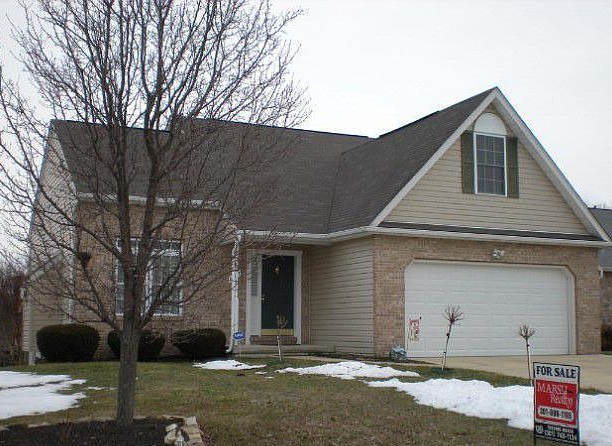
Deconstructing Your Space Requirements: More Than Just Square Footage
When juxtaposing a villa against an apartment, the most immediate and tangible difference lies in the concept of space. But this isn’t just about the numbers on a floor plan; it’s about how that space serves your daily life, your privacy, and your potential for growth.
The Allure of the Villa: Unfettered Freedom and Expansion
Villas, or single-family homes, inherently offer a greater expanse. This typically includes a larger interior footprint, often spanning multiple stories, and crucially, private outdoor areas such as yards, gardens, and patios. For many, this translates into:
Privacy and Seclusion: A standalone structure means no shared walls, no upstairs neighbors, and a distinct boundary between your personal sanctuary and the outside world. This level of privacy is a significant draw for those seeking quietude and uninterrupted personal space.
Expansion Potential: A key differentiator for villas is the potential for future expansion. Whether it’s adding an extension, building an accessory dwelling unit (ADU) for rental income or multi-generational living, or simply remodeling existing spaces, villas offer a canvas for long-term adaptation. In 2025, with evolving family structures and the increasing desire for dedicated home offices or creative studios, this flexibility is more valuable than ever.
Outdoor Living: The private yard is a major lifestyle advantage. It’s a space for children and pets to play freely, for gardening enthusiasts to cultivate their passion, for outdoor entertaining, or simply for enjoying a morning coffee in nature. The trend towards integrated indoor-outdoor living continues to grow, and a villa provides the ideal setting for this.
Storage Solutions: Larger homes generally mean more storage options – basements, attics, garages, and utility sheds. This is a practical consideration for families, hobbyists, or anyone with significant personal belongings.
The Practicality of the Apartment: Optimized Living in Compact Form
Apartments, while offering less overall square footage, are designed for highly optimized living. Their compactness isn’t a drawback for everyone; for many, it’s a deliberate choice aligned with a specific lifestyle.
Efficient Layouts: Modern apartment designs, particularly those developed in 2025, prioritize efficient use of every square foot. Open-concept living areas, clever storage solutions, and multi-functional spaces are hallmarks. This often means less “wasted” space compared to a larger home.
Low Maintenance: A smaller footprint invariably means less to clean, less to maintain, and fewer repairs. For busy professionals, frequent travelers, or those who simply prefer to spend their weekends pursuing hobbies rather than home upkeep, this is an undeniable advantage.
Proximity and Accessibility: Apartment complexes are typically concentrated in urban or densely populated suburban areas, meaning quicker access to amenities, public transportation, and employment hubs.
Security Features: Many apartment buildings offer enhanced security features, including controlled access, security personnel, and surveillance systems, providing peace of mind, especially for single residents or those who travel frequently.
When evaluating space, don’t just count rooms. Envision your life within those walls. Do you entertain large groups? Do you dream of a sprawling garden? Or do you prioritize a sleek, minimalist environment that requires minimal upkeep? Your answers will dictate which spatial paradigm better suits your vision of home.
Amenities: Exclusive Luxuries vs. Shared Conveniences
Beyond the physical structure, the amenities offered by villas and apartments paint a vivid picture of the lifestyle each promises. This aspect has become increasingly critical in 2025, as homebuyers seek properties that enhance their quality of life and provide value beyond mere shelter.
Villas: The Power of Exclusive Amenities
A villa’s amenities are, by definition, exclusive to its owners. While this often means a higher upfront cost, it also grants unparalleled control and privacy.
Private Pools and Spas: The ultimate luxury for many, a private pool or hot tub offers leisure, exercise, and entertainment on your own terms. No crowded community pools, no restrictive hours, just pure, personal enjoyment.
Personal Gardens and Landscaping: Beyond a simple yard, many villas boast meticulously designed gardens, outdoor kitchens, fire pits, and intricate landscaping. These private havens provide a direct connection to nature and a bespoke outdoor living experience.

Customization and Personalization: Every amenity in a villa can be tailored to your precise tastes. Want to install a state-of-the-art home theater? A personalized gym? A smart home automation system that integrates seamlessly with your every need? A villa offers the freedom to create a space that perfectly reflects your preferences and desires. This personalization contributes significantly to home equity growth over time, especially with unique, high-quality installations.
Integrated Smart Home Technology: In 2025, smart home technology is no longer a novelty but an expectation. Villas allow for comprehensive, whole-house integration of systems for security, climate control, lighting, entertainment, and even energy management, offering unparalleled convenience and efficiency.
Apartments: The Appeal of Shared, Comprehensive Facilities
Apartment complexes, especially those in master-planned communities or luxury high-rises, provide an extensive array of shared amenities. These facilities, while not private, offer a breadth and quality that would be financially prohibitive for a single homeowner to replicate.
Fitness and Wellness Centers: State-of-the-art gyms, yoga studios, spinning rooms, and even indoor pools are common. These communal facilities often surpass what many can afford or house privately, providing a comprehensive fitness solution without a separate membership fee.
Community Spaces: From co-working lounges and business centers (reflecting the continued rise of remote work in 2025) to clubhouses, game rooms, and private dining areas, apartments foster a sense of community. These spaces offer opportunities for social interaction and entertainment right at your doorstep.
Concierge and Services: Many luxury apartments offer hotel-like services such as 24/7 concierge, package delivery, dry cleaning pickup, and even pet care. These services significantly streamline daily life and add a layer of convenience.
Rooftop Decks and Communal Gardens: While not private, these shared outdoor spaces offer stunning views, social gathering spots, and green retreats within an urban context.
Sustainable Living Initiatives: Many modern apartment complexes incorporate sustainable home features such as rainwater harvesting, solar panels, and communal recycling programs, appealing to environmentally conscious buyers.
The choice here comes down to control versus convenience. Do you crave the absolute freedom to design and enjoy your own exclusive amenities, or do you prefer access to a wide range of shared, professionally managed facilities without the personal upkeep burden?
Navigating Location: The Epicenter of Lifestyle and Investment
Location, location, location. This age-old real estate mantra remains undeniably true in 2025, perhaps even more so as urbanization trends and infrastructure development continue to shape our communities. The choice between a villa and an apartment is often inextricably linked to where you want to live.
Villas: The Serenity of Space, Often Suburban or Exurban
Villas, due to their larger footprint and emphasis on private outdoor space, are traditionally found in suburban or exurban settings. These locations offer a distinct appeal:
Tranquility and Green Spaces: Away from the urban core, villas often provide a peaceful environment, less traffic noise, and greater access to nature – parks, hiking trails, and open fields. This offers a serene retreat from the hustle and bustle.
Family-Friendly Environments: Suburbs are typically known for their good school districts, safer neighborhoods, and community-focused amenities, making them highly attractive to families with children. The availability of larger yards also contributes to a more family-oriented lifestyle.
Sense of Community: While different from apartment communities, suburban neighborhoods often foster a strong sense of belonging, with local events, neighborhood associations, and shared community spaces. This is often described as suburban home ownership with deep roots.
Property Appreciation in Growth Areas: As urban centers become saturated, many buyers are looking to suburban and exurban areas with developing infrastructure for their luxury real estate investments. These regions can offer significant property appreciation rates as amenities and connectivity improve.
Apartments: The Pulse of Urban Living and Unmatched Convenience
Apartments typically dominate urban landscapes and prime, highly sought-after suburban areas. Their location is often their strongest selling point, offering a lifestyle of unparalleled accessibility.
Urban Living Advantages: For those who thrive on the energy of city life, apartments offer proximity to cultural institutions, fine dining, entertainment venues, and a vibrant social scene. They embody urban living advantages.
Commute and Connectivity: Located near major business districts and transportation hubs, apartments dramatically reduce commute times, whether by car or public transit. This is a crucial factor for professionals working in central areas.
Walkability and Amenities at Your Doorstep: Many urban apartments are within walking distance of grocery stores, cafes, boutiques, and services, promoting a car-free or reduced-car lifestyle.
Investment Potential in High-Demand Areas: Properties in prime urban locations often exhibit strong real estate market trends for rental income and resale value due to perpetual demand. For investors considering a diversified real estate portfolio diversification, apartments in key urban centers are often a solid choice.
Consider your daily commute, your social life, your access to schools, and your preferred pace of life. Do you envision a quiet evening on your private patio, or do you crave the vibrant energy of a city at your fingertips? Your answer will guide your location choice, which in turn heavily influences the villa vs. apartment decision.

Budgeting Wisely: Beyond the Sticker Price
The financial implications of choosing between a villa and an apartment extend far beyond the initial purchase price. In 2025, a holistic understanding of all associated costs – both immediate and long-term – is essential for smart personal finance for homebuyers.
The Financial Landscape of Villa Ownership
While villas generally command a higher purchase price, their true cost profile is multifaceted.
Purchase Price and Mortgage: Villas typically require a larger down payment and, consequently, a larger mortgage. Be sure to factor in current mortgage interest rates for 2025 when calculating your monthly payments.
Property Taxes: Due to higher valuations and potentially larger land parcels, property taxes for villas are generally higher than for apartments. These are recurring annual costs that can significantly impact your budget.
Home Insurance: Comprehensive home insurance policies are essential for villas, covering the structure, personal belongings, and liability. Premiums can vary based on location, construction, and coverage limits.
Maintenance and Repairs: This is a major ongoing cost for villa owners. You are solely responsible for all upkeep – roof repairs, landscaping, exterior painting, appliance maintenance, and unforeseen issues. This can be substantial, and it’s wise to budget 1-3% of the home’s value annually for these expenses. This is where property management solutions might come into play if you’re not hands-on.
Utilities: Heating, cooling, electricity, water, and waste management for a larger home typically translate to higher utility bills.
Potential for High ROI: Despite the costs, villas, especially in growing markets, can offer significant ROI on real estate and build home equity growth more rapidly due to land appreciation and the potential for value-adding renovations.
The Financial Profile of Apartment Ownership
Apartments often appear more budget-friendly upfront, but their financial structure includes unique elements.
Purchase Price and Mortgage: Generally lower than villas, apartments offer a more accessible entry point into homeownership. This can be beneficial for first-time homebuyer programs or those with smaller down payment requirements.
HOA Fees: This is the most significant recurring cost unique to apartment ownership. Homeowners’ Association (HOA) fees cover the maintenance of common areas, shared amenities, building insurance, and sometimes specific utilities. These fees can range from a few hundred to over a thousand dollars monthly, depending on the building’s amenities and services. Understanding what’s included and the financial health of the HOA is paramount.
Property Taxes and Insurance: While generally lower than villas, apartment owners still pay property taxes and often need specific condo insurance (HO-6 policy) to cover their unit’s interior and personal belongings, as the HOA master policy covers the building structure.
Lower Maintenance Costs: A huge financial benefit is the reduced personal maintenance burden. The HOA handles exterior repairs, landscaping, and amenity upkeep, freeing up your time and often your wallet from unexpected large expenses.
Utility Efficiency: Smaller spaces are generally more energy-efficient, leading to lower utility bills.
Investment Considerations: Apartments in desirable locations can offer solid investment property considerations for rental income and steady appreciation, especially in urban markets with strong demand. However, the value appreciation might be more tied to market cycles than individual property improvements.
When crunching the numbers, create a comprehensive budget that accounts for all these factors. Don’t just look at the monthly mortgage payment; consider the total cost of ownership over several years. This analytical approach to long-term financial planning will reveal the true affordability of each option.
Lifestyle Alignment: Crafting Your Daily Experience
Ultimately, the choice between a villa and an apartment boils down to a fundamental alignment with your desired lifestyle. Your home should be an extension of who you are and how you aspire to live.
The Villa Lifestyle: Independence, Space, and Personal Expression
Privacy Seekers: If solitude, peace, and uninterrupted personal space are high priorities, a villa delivers.
Families with Children and Pets: The ample space, private yard, and often family-friendly neighborhoods make villas ideal for growing families.
Hobbyists and DIY Enthusiasts: A villa provides space for workshops, extensive gardens, and the freedom to undertake large-scale renovation projects.
Entertainers (Indoor/Outdoor): If you love hosting large gatherings, barbecues, or garden parties, the expansive nature of a villa is perfect.
Long-Term Visionaries: Those who plan to stay in one place for decades, build significant equity, and customize their home over time often gravitate towards villas.
Community Preference: While in a neighborhood, the interaction is often less structured and more organic than in an apartment complex. This appeals to those who prefer less mandated social engagement.
The Apartment Lifestyle: Convenience, Community, and Urban Vibrancy
Busy Professionals: For those with demanding careers or frequent travel, the low maintenance and convenient location of an apartment are invaluable.
Urban Explorers: If you thrive on the energy of city life, enjoy cultural events, diverse dining, and easy access to entertainment, an apartment is your gateway.
Social Butterflies: The shared amenities and communal spaces in apartment buildings foster social interaction and provide opportunities to meet neighbors. This is the essence of private community living within a larger structure.
Minimalists: Those who prefer a streamlined, clutter-free existence and don’t need extensive space for possessions will appreciate apartment living.
Security Conscious Individuals: Enhanced security features in many apartment complexes provide peace of mind.
First-Time Homebuyers: Apartments can offer a more manageable entry point into homeownership, allowing buyers to build equity before potentially moving to a larger home.
Consider your daily routines, your social inclinations, your family’s needs, and your long-term aspirations. Does your dream home involve tending a garden, or does it mean stepping out your door into a bustling city street?
The 2025 Market Influence: Factors to Consider
As of 2025, the real estate market continues its dynamic trajectory, influenced by a blend of economic factors, technological advancements, and evolving lifestyle preferences.
Mortgage Rates: Keep a close eye on mortgage interest rates. While they fluctuate, understanding the prevailing trends will significantly impact your borrowing power and monthly payments for both property types.
Inventory Levels: Apartment and villa inventory levels vary greatly by region. In some urban cores, apartment supply may be abundant, while suburban villas remain highly competitive. This supply-demand dynamic affects pricing and negotiation power.
Sustainable Living: The push for sustainable living options is stronger than ever. New builds, both villas and apartments, are incorporating energy-efficient designs and materials, which can lead to long-term savings and increased property value.
Remote Work Impact: The lasting impact of remote and hybrid work continues to influence demand for space. Some seek larger suburban homes with dedicated offices (villas), while others prioritize urban convenience over extra space, opting for apartments close to co-working hubs or transit.
Technological Integration: From smart home technology for security and climate control to seamless internet connectivity, both property types are adopting advancements that enhance convenience and efficiency.
Making Your Decision: A Structured Approach
With all these factors in play, how do you synthesize this information into a concrete decision? Here’s a structured approach:
Self-Assessment: Honestly evaluate your lifestyle, current and future family needs, career trajectory, and personal preferences regarding privacy, community, and maintenance.
Budget Deep Dive: Beyond the listing price, calculate the total cost of ownership for both a hypothetical villa and apartment in your target areas. Include all recurring and potential expenses.
Location Analysis: Identify your priority locations based on commute, access to amenities, schools, and desired lifestyle. See what types of properties are available and affordable in those specific zones.
Pros and Cons List: Create a detailed list of pros and cons for villas and apartments, weighting each point based on your personal priorities.
Future-Proofing: Consider your 5-10 year plan. Does your chosen home align with potential family growth, career changes, or retirement goals? Think about potential investment property considerations and ease of resale.
Seek Expert Advice: Engage with a trusted real estate agent who specializes in both property types in your desired market. Their local expertise and access to current housing market analysis 2025 data are invaluable.
Conclusion: Your Home, Your Choice
The choice between a villa and an apartment is one of the most profound decisions you’ll make as a homebuyer. It’s not about which is inherently superior, but which one seamlessly integrates with your unique life story, your financial aspirations, and your vision of home.
By analytically dissecting your space needs, desired amenities, critical location factors, and comprehensive budget implications – all within the context of the 2025 real estate market – you empower yourself to move forward with clarity and confidence. Whether you envision the expansive freedom of a private villa or the vibrant, low-maintenance convenience of an apartment, your ideal home awaits. Embrace the journey, trust your insights, and embark on this exciting chapter with conviction.