


The Definitive 2025 Guide to Decoding Property Square Footage in the US Real Estate Market
The year 2025 finds the US real estate market in a fascinating state of flux, characterized by persistent demand, evolving buyer preferences, and a continued emphasis on value. Navigating this landscape, whether you’re a first-time homebuyer, a seasoned investor, or looking to sell, hinges on understanding the foundational elements of property valuation. Among the most critical, and often misunderstood, is the concept of square footage. Far from a simple number, “square footage” in the US market is a multifaceted measurement that significantly impacts everything from purchase price and property taxes to mortgage eligibility and future resale value. This educational guide aims to demystify these measurements, providing you with the expert insights necessary to make truly informed decisions in today’s dynamic market.
The Bedrock: Gross Living Area (GLA)
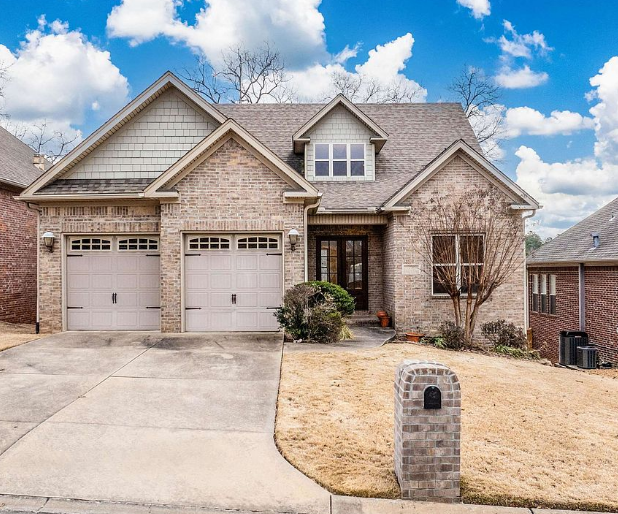
When you see a home advertised with a specific square footage, more often than not, it refers to its Gross Living Area (GLA). This is arguably the most crucial metric, especially for appraisals and financing. GLA represents the total finished, heated, and cooled square footage of a home that is above grade.
Let’s unpack that:
Finished: This means the space has completed walls, ceilings, and flooring, consistent with the rest of the house’s quality. Think drywall, paint, flooring, and electrical fixtures. An unfinished basement, even if it has concrete walls and floor, does not count towards GLA.
Heated and Cooled: The space must be serviced by the home’s primary heating and cooling system. A three-season porch, even if enclosed, typically won’t count if it lacks dedicated HVAC.
Above Grade: This is a critical distinction. “Above grade” generally means the living space is primarily above the ground level. For a traditional two-story home, both floors contribute to GLA. For a split-level or ranch, all finished, heated/cooled space on the main and upper levels qualifies. Basements, even if fully finished, are not typically included in GLA because they are considered below grade. This is a common point of confusion for buyers, as a beautifully finished basement can add significant utility and perceived value but won’t boost the GLA figure on an appraisal report. The rationale from appraisers is that above-grade space generally commands a higher per-square-foot value due to factors like natural light, accessibility, and egress.
Understanding GLA is paramount because it is the primary figure used by appraisers to determine a property’s value. Lenders heavily rely on appraisals, making GLA a direct influencer on how much you can borrow. For those considering real estate investment or calculating property valuation, GLA is your baseline for comparing similar properties.
Beyond GLA: Total Square Footage and Its Components
While GLA is the star, it doesn’t tell the whole story. Many listings, especially from real estate agents or builders, might advertise a “total square footage” that encompasses more than just GLA. This broader measurement aims to give a comprehensive picture of the property’s footprint and usable space, even if parts of it don’t meet the strict GLA criteria.
Key components that might contribute to “total square footage” but are often excluded from GLA include:
Basements (Finished and Unfinished): As mentioned, even a lavishly finished basement with a home theater, extra bedrooms, and a full bath will not typically be counted in GLA. However, it will be listed separately by appraisers and contribute significantly to the home appraisal and overall utility of the home. Sellers often highlight finished basement square footage to showcase additional living space, entertainment areas, or potential rental property income if the basement has a separate entry and kitchen (subject to local zoning laws).
Garages: Attached or detached garages are almost universally excluded from GLA. They are functional spaces for vehicles and storage but are not considered “living area.” However, they are a significant amenity and a key selling point, adding considerable value and often being part of the “total enclosed area.”
Attics (Finished and Unfinished): Similar to basements, a finished attic, if it meets local building codes for ceiling height, egress, and HVAC, could potentially be included in GLA. However, if it’s an unfinished storage space or doesn’t meet all requirements, it will be excluded.
Enclosed Porches, Sunrooms, and Three-Season Rooms: These spaces present a gray area. If they are permanently enclosed, finished to the same quality as the main living area, and heated/cooled by the home’s primary system, they can be included in GLA. However, many sunrooms or three-season rooms are designed for seasonal use and lack full HVAC, thus being excluded from GLA but adding to the overall “total square footage” or “total enclosed area.”
Decks, Patios, and Balconies: These outdoor living spaces are almost never included in any form of interior square footage measurement. They are considered outdoor amenities and are valued separately, contributing to a property’s desirability but not its heated/cooled interior footprint. For luxury real estate or homes with stunning views, these outdoor areas can be a major draw and value driver.
When evaluating a property, it’s crucial to understand what definition of “square footage” is being used. A large difference between advertised total square footage and GLA can indicate significant finished basement space or extensive enclosed porches. Always clarify with your agent.
Condos and Co-ops: The Role of Common Areas and HOA Fees
In the US, condominiums and cooperative apartments operate under a different ownership structure that impacts how space is perceived and valued, particularly concerning common areas. This is where the concept of “Super Built-Up Area” from other markets finds a distant cousin, though not in the same direct measurement.
When you purchase a condo, you typically own the interior of your specific unit (from the “paint in” or “studs in,” depending on the association’s master deed). You also own an undivided interest in the common elements of the building and development. These common elements include:
Lobbies and hallways
Stairwells and elevators
Roofs and exterior walls
Shared amenities like gyms, swimming pools, clubhouses, gardens, and parking areas.
The square footage advertised for a condo unit almost exclusively refers to the interior living space of that specific unit, akin to GLA. However, the cost of maintaining and operating these common areas is shared among all unit owners, typically through Condo HOA Fees. These fees are often calculated based on your unit’s percentage of ownership in the association, which itself is frequently tied to your unit’s square footage relative to the total square footage of all units.
While your unit’s advertised square footage doesn’t directly include a proportionate share of the common area square footage, your ownership interest in those common areas and the associated costs (HOA fees) are a significant part of the overall value proposition and monthly housing expense. For real estate investment in condos, understanding the HOA’s financial health and what the fees cover is just as critical as the unit’s size.
Why These Distinctions Matter: Impact on Your Real Estate Journey
Understanding the nuances of square footage is not just academic; it has profound practical implications for every aspect of your real estate transaction in 2025.
Property Valuation and Pricing:
Appraisals: As highlighted, GLA is the standard for most residential appraisals. If you’re comparing a 2,000 sq ft home with a 1,500 sq ft GLA and 500 sq ft finished basement to a 2,000 sq ft home with all GLA, their appraised values per square foot of GLA will differ significantly.
Market Comparison (Comps): When comparing properties, always try to compare “apples to apples” using GLA. This provides a more accurate picture of per-square-foot pricing. In a competitive market, a few hundred square feet can translate to tens of thousands of dollars.
Listing Price Strategy: Sellers and their agents strategically use square footage. They might emphasize “total finished space” to highlight a valuable finished basement, but buyers should always ask for the GLA.
Mortgage Eligibility and Loan Amount:
Lenders rely on the appraised value, which is heavily influenced by GLA. A lower GLA than anticipated could lead to a lower appraisal, potentially impacting your loan-to-value (LTV) ratio and the amount you can borrow. Getting mortgage pre-approval early and understanding how square footage impacts appraisal is key.
Property Taxes:
Local tax assessors use various metrics to determine a property’s assessed value, which then dictates your property taxes. While they consider overall condition, amenities, and market value, square footage (often including finished basements in their calculations, but sometimes separately itemized) is a key factor. Discrepancies between official records and actual measurements can sometimes lead to reassessments.
Resale Value and Investment Potential:
When you eventually sell, buyers will perform similar due diligence. A clear understanding of your property’s various square footage metrics allows you to market it accurately and persuasively. For investment property calculator scenarios, precise square footage figures are essential for projecting rental yields and appreciation, especially if you’re comparing different property types or configurations.
Your Lifestyle and Space Requirements:
Ultimately, square footage translates to usable space. A 1,800 sq ft home with a large, open-concept living area and three good-sized bedrooms might feel more spacious than a 2,000 sq ft home with a lot of hallway space, smaller rooms, or a significant portion dedicated to an unfinished attic. Consider how the space is distributed and how it aligns with your daily life, family needs, and future plans. For families or those working remotely, sufficient and well-designed interior living space is paramount.
The Appraiser’s Lens: How Square Footage is Measured
Appraisers are the neutral third parties who provide an unbiased opinion of a home’s value, and their measurement methodology is standardized. They typically follow guidelines set by Fannie Mae, Freddie Mac, and the Uniform Standards of Professional Appraisal Practice (USPAP).
Exterior Measurements: Appraisers often measure the exterior perimeter of the home at each level to calculate GLA. They then deduct areas like garages or voids.
Finished vs. Unfinished: They meticulously note what constitutes finished space, verifying flooring, wall treatments, and ceiling height. Minimum ceiling height (often 7 feet) is typically required for a space to be considered finished living area.
Basement Treatment: Finished basements are noted and valued, but as a separate line item from above-grade GLA. Their value contribution is generally lower per square foot than above-grade space.
Accuracy is Key: While minor variations can occur, appraisers strive for accuracy, using laser measuring tools in 2025 to ensure precise figures.
New Construction vs. Resale: Potential Discrepancies
New Construction Homes: Builders often advertise square footage based on architectural plans, which are generally quite accurate. However, minor variations can occur during construction. More significantly, a builder’s advertised “total square footage” might include all areas under the roof, even garages or unfinished basements, in their marketing materials. Always ask for the “finished living space” or confirm what’s included.
Resale Homes: For existing homes, previous additions or renovations might have been done without permits, leading to discrepancies in official records. Or, a previous owner might have “finished” a basement without bringing it up to code, which an appraiser would then exclude from finished living space. This makes due diligence property research and reviewing past permits crucial.
Leveraging Technology in 2025
The real estate industry in 2025 is increasingly tech-driven, which can be a boon for understanding square footage:
Virtual Tours and Floor Plans: High-quality virtual tours, often coupled with interactive floor plans, allow buyers to digitally walk through a home and visualize the layout and dimensions before an in-person visit. These often provide room-by-room measurements.
Laser Measuring Devices: Agents and appraisers widely use laser measuring devices for highly accurate and efficient measurements.
AI and Data Analytics: AI tools are helping buyers analyze vast amounts of property data, including square footage comparisons, to identify fair market value and real estate market trends more effectively.
Practical Tips for Savvy Buyers and Sellers
For anyone involved in a real estate transaction, diligence around square footage is non-negotiable.
For Buyers:
Always Ask for GLA: When looking at listings, specifically ask your agent for the Gross Living Area. Don’t assume the advertised square footage is GLA.
Request Floor Plans: Whenever possible, review detailed floor plans. This helps you visualize the layout, traffic flow, and actual usable space.
Verify Measurements (When Possible): During a showing or home inspection checklist process, take your own measurements of key rooms if you have any doubts. A tape measure or laser measurer is a small investment for peace of mind.
Review the Appraisal: Once you’re under contract, meticulously review the appraisal report, paying close attention to the square footage calculations and how different areas (basement, garage) are treated.
Understand Local Norms: Be aware that square footage definitions can have slight regional variations or specific local building codes. Your real estate agent should be an expert in your local market.
Consider the “Feel”: Ultimately, how a home “feels” to you, its functionality, and how it aligns with your lifestyle/brand voice are paramount. A smaller, well-designed space might serve your needs better than a larger, poorly laid-out one.
For Sellers:
Know Your Numbers: Have a clear understanding of your home’s GLA and any other finished spaces (basements, attics). This allows you to accurately market your property.
Professional Measurements: Consider having a professional come in to measure your home, especially if you’ve made additions or renovations. This provides verifiable data for potential buyers and avoids disputes.
Transparency is Key: Be transparent in your marketing materials. If a large portion of your “total square footage” is a finished basement, clearly state that, so buyers understand what they’re seeing.
Highlight Value Beyond GLA: If you have exceptional outdoor living spaces, a valuable garage, or a highly functional finished basement, emphasize these features as they contribute significantly to the overall value, even if they aren’t part of the GLA.
The Long-Term Perspective: Smart Homes and Sustainable Living
Looking ahead, the understanding of square footage will continue to evolve. With growing interest in sustainable homes and smart home technology, buyers are increasingly evaluating not just the size but also the efficiency and future-proofing of a property. Smaller, smarter homes with efficient layouts and integrated technology can offer a superior living experience to larger, less efficient ones. The emphasis in 2025 is shifting from simply “more square feet” to “smarter square feet.”
In conclusion, property square footage is a cornerstone of real estate. While the specific terms like “carpet area” or “super built-up area” are not standard in the US, the underlying principle of differentiating usable living space from other structural or common areas is universally critical. By becoming fluent in GLA, understanding the nuances of finished vs. unfinished space, and recognizing the role of common areas in condos, you empower yourself to navigate the complexities of the 2025 US real estate market with confidence and ensure you’re making truly informed real estate contracts and investment property decisions. Don’t just look at the number; understand what it truly represents.