The Unshakeable Case for Homeownership: Beyond the Bricks and Mortar
For a decade navigating the dynamic landscape of real estate, I’ve seen firsthand how the dream of owning a home evolves from a distant aspiration into a tangible, life-altering reality for countless individuals and families. The conversation around real estate investment, especially home ownership, has always been robust, but in today’s economic climate, understanding the multifaceted benefits of putting down roots is more crucial than ever. While renting offers flexibility, the profound advantages of buying a home extend far beyond simple shelter, touching upon financial growth, personal well-being, and long-term security. Let’s delve into why, even in a rapidly changing world, the decision to invest in real estate and own a property remains one of the most sound financial and lifestyle choices available.
Real Estate Appreciation: A Steadfast Growth Engine

One of the most compelling arguments for homeownership is its historical track record of consistent value appreciation. Unlike many other assets that can be volatile, residential real estate has demonstrated a remarkable ability to grow in value over the long term. This isn’t mere speculation; it’s a deeply ingrained trend supported by decades of economic data. Consider the trajectory: U.S. Census data paints a vivid picture, showing the median home price surging from approximately $172,900 in the fourth quarter of 2000 to a staggering $417,700 by the fourth quarter of 2023. This represents an average annual appreciation rate exceeding 6% – a significant return that outpaces inflation and contributes substantially to wealth accumulation for homeowners.
This consistent growth isn’t just a historical anomaly; it’s a reflection of fundamental economic principles. As populations grow and demand for housing outstrips supply in desirable areas, property values naturally tend to climb. Furthermore, real estate has long been recognized as a robust hedge against inflation. When the cost of goods and services rises, the value of tangible assets like land and buildings often keeps pace, preserving and even enhancing the purchasing power of your investment. For those seeking to build lasting wealth and protect their capital from the erosion of inflation, buying a house is a proven strategy. The aspiration to own property is therefore not just about personal comfort but about strategic financial planning.
Building Equity: Your Investment, Your Asset
When you rent, your monthly payments are essentially an expense – money that leaves your pocket and is never recovered. In stark contrast, every mortgage payment you make towards your home loan is an investment in your own asset. This is the concept of equity – the portion of your home’s value that you truly own. As you pay down your mortgage principal month after month, year after year, your equity stake in your home grows. This isn’t just a theoretical concept; it’s a concrete financial asset that can be leveraged for future opportunities.
The process of building equity is akin to a forced savings plan, but with a significant advantage: the asset you’re building value in is also your place of residence. This dual benefit is a cornerstone of wealth building through real estate. Over time, as your equity grows, your home transforms from a liability (the mortgage) into a substantial asset on your balance sheet. This growing equity can provide a significant financial cushion, offering security and flexibility for life’s unexpected events or future financial goals. For individuals and families in areas like Denver real estate or those considering first-time home buyer programs in California, understanding equity is paramount to a successful homeownership journey.
Navigating Tax Benefits: Smart Financial Incentives
The U.S. Tax Code offers several attractive incentives for homeowners, making buying a property a financially astute decision for many. When you choose to itemize deductions on your federal tax return, you can significantly reduce your taxable income by deducting certain expenses associated with your home. Chief among these are the mortgage interest payments. For many, this deduction represents a substantial portion of their annual housing expenses, directly lowering their tax liability.
Beyond mortgage interest, homeowners can also typically deduct their state and local property taxes, up to a certain limit (currently $10,000 per household). This deduction further offsets the costs of owning a home, making it more financially viable. Additionally, certain costs incurred during the home-buying process, such as closing costs and points, may also be deductible. It is always advisable to consult with a qualified tax professional or accountant to understand how these provisions apply to your specific financial situation and to determine if itemizing deductions is indeed advantageous for you. These tax benefits are designed to encourage real estate investment and support the economic health of communities, making them a valuable consideration for anyone contemplating purchasing a home.
Savings and Investment: The Home as a Financial Hub
Building equity in your home is, in essence, a powerful and readily accessible savings mechanism. Unlike setting aside money in a traditional savings account that may yield modest returns, your equity grows with your home’s appreciation and your mortgage payments. This “sweat equity” combined with market forces creates a robust financial foundation.
Furthermore, the IRS offers a significant capital gains tax exclusion for homeowners. When you sell your primary residence, you can generally exclude up to $250,000 of the profit from federal income tax if you are filing as single, or up to $500,000 if you are married and filing jointly. To qualify for this exclusion, you typically need to have owned and lived in the home for at least two of the five years preceding the sale. This substantial tax break effectively allows you to realize the fruits of your real estate investment without a significant tax bite, further enhancing the long-term financial rewards of buying a house. This aspect of home ownership is particularly attractive for those planning for retirement or looking to reinvest their gains into their next property purchase.
Predictability in Payments: A Shield Against Volatility
One of the most profound differences between renting and owning a home lies in the predictability of your housing expenses. While rent prices can fluctuate significantly year after year, often rising unexpectedly, a fixed-rate mortgage offers a stable and predictable monthly payment for the life of the loan. This means that as a percentage of your income, your core housing cost – your mortgage payment – can actually decrease over time as your income potentially rises and inflation erodes the real value of that fixed payment.
It’s important to acknowledge that while the mortgage payment remains constant, other homeownership costs, such as property taxes and homeowner’s insurance premiums, can indeed increase. However, the predictability of the largest component of your housing budget provides a significant advantage in financial planning and budgeting. This stability allows for more confident long-term financial planning, enabling individuals and families to budget more effectively and save for other financial goals. For those seeking financial stability, particularly in volatile economic periods, buying a home offers a degree of security that renting simply cannot match. This predictability is a key factor for individuals exploring mortgage rates and considering home financing options.
Freedom and Personalization: Making It Truly Yours
Beyond the financial implications, owning a home offers an unparalleled sense of freedom and the ability to personalize your living space. Your home is your sanctuary, and as an owner, you have the ultimate say in how it looks, feels, and functions. Whether you dream of a vibrant accent wall, a state-of-the-art kitchen, a beautifully landscaped garden, or the addition of smart home technology, you have the liberty to pursue these upgrades and renovations according to your taste, lifestyle, and needs.
This freedom to decorate and renovate allows you to truly make your house a home – a reflection of your personality and a space that enhances your quality of life. It’s an opportunity to create an environment that fosters comfort, creativity, and joy. This level of personalization is impossible when renting, where modifications are often restricted or require landlord approval. For those who value self-expression and want a living space that perfectly aligns with their vision, buying a home is the ultimate canvas. This aspect of homeownership resonates deeply with individuals seeking to establish a lasting personal legacy and create a comfortable living environment in communities like Austin real estate or Seattle homes for sale.
Stability and Community: The Foundation for Flourishing
Establishing roots in a community through home ownership fosters a sense of stability that is invaluable for individuals and families alike. Remaining in the same neighborhood for several years allows you to build meaningful, long-lasting relationships with your neighbors, local businesses, and community organizations. This interconnectedness contributes to a stronger social fabric and a greater sense of belonging.
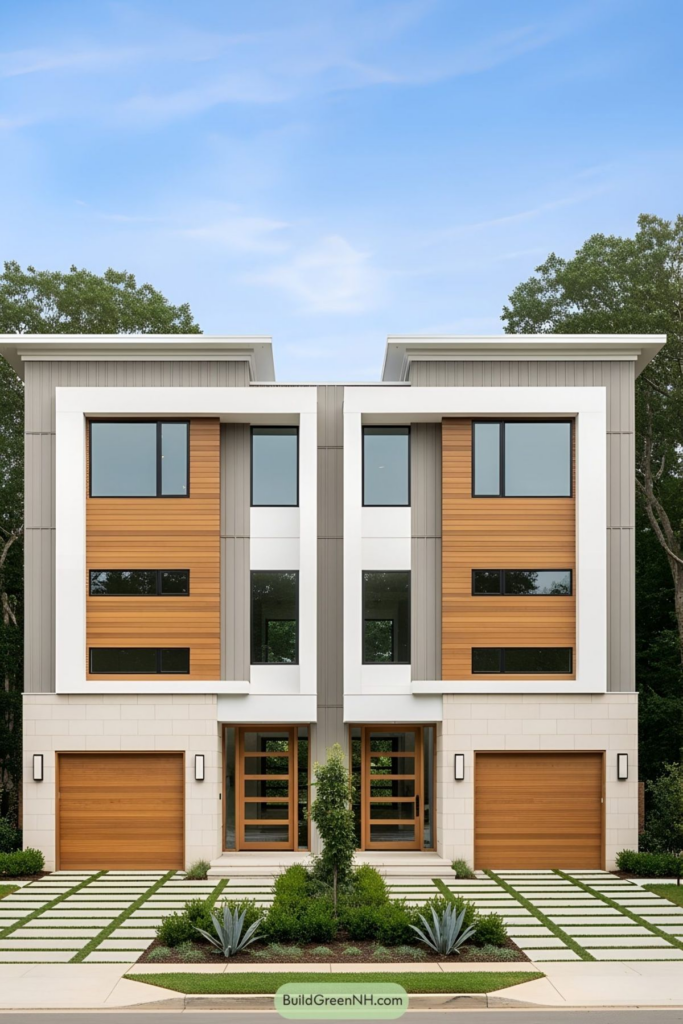
For families with children, the stability of owning a home and remaining in one area offers profound benefits for their development. Children thrive on continuity, and living in the same home and attending the same schools provides a consistent environment that supports their educational and social growth. This stability allows them to form deep friendships, become engaged in local activities, and develop a strong sense of community identity. The commitment to a neighborhood through homeownership can also lead to greater civic engagement and a vested interest in the well-being and improvement of the local area. For many, the desire to buy a starter home or upgrade to a larger family home is driven by this fundamental need for stability and community integration. This is especially relevant for those considering real estate investments in growing metropolitan areas or exploring suburban home buying opportunities.
The Enduring Value of Homeownership
In conclusion, the decision to own a home is a multifaceted one, offering a compelling blend of financial advantages, personal fulfillment, and long-term security. From the consistent appreciation of property values and the powerful wealth-building potential of equity, to the significant tax benefits and the predictable stability of mortgage payments, the financial case for buying a house is robust. Coupled with the unparalleled freedom to personalize your living space and the profound sense of stability and community that comes with putting down roots, the benefits extend far beyond mere economics.
As an industry expert with a decade of experience, I can confidently state that for those who are prepared and have a clear financial strategy, homeownership remains one of the most rewarding journeys one can undertake. It’s an investment in your future, your family, and your well-being.
If you’re ready to explore the possibilities and take the next step towards turning the dream of owning a home into your reality, begin by assessing your financial readiness and connect with trusted real estate professionals in your desired market. The path to property ownership is achievable, and the rewards are truly transformative.