
Navigating the Residential Landscape: An Expert’s Guide to Condo vs. Apartment vs. Townhouse in 2025
As a real estate industry veteran with a decade of navigating the dynamic U.S. housing market, I’ve witnessed firsthand the evolving aspirations and practical needs that shape home choices. The decision between a condo vs. apartment vs. townhouse is more nuanced than ever, especially as we look toward 2025 and beyond. It’s no longer just about square footage or location; it’s about lifestyle, financial strategy, and future-proofing your living situation. Many prospective homeowners and renters often use these terms interchangeably, leading to confusion and, sometimes, regrettable decisions. My aim here is to cut through that complexity, providing you with an in-depth, expert-level understanding of each residential type, updated with current market trends and practical advice.
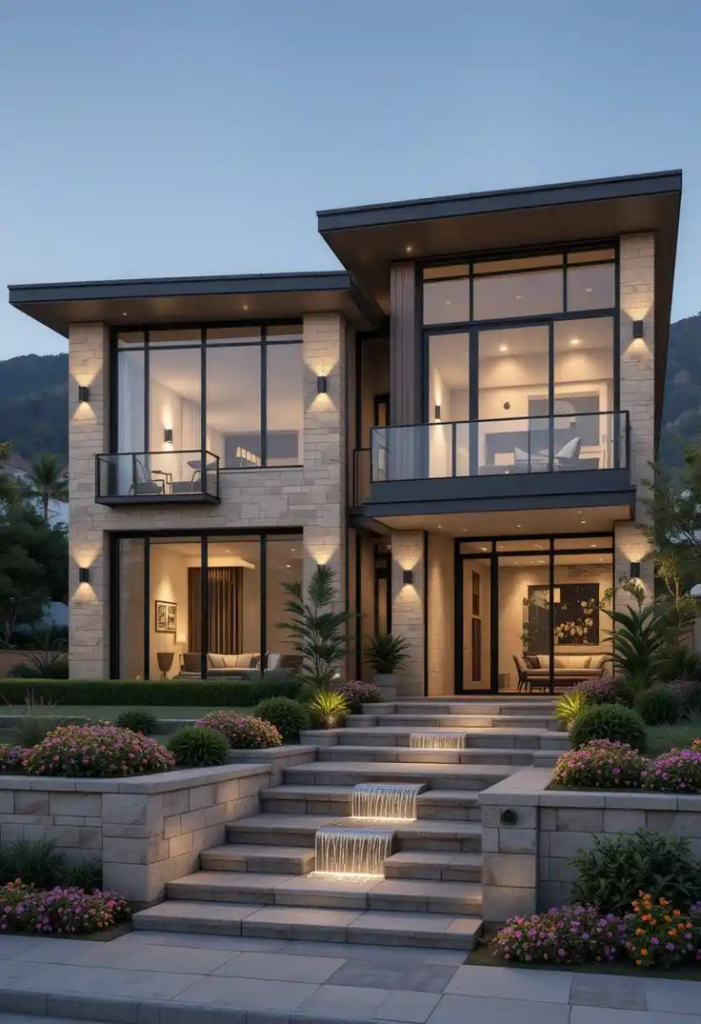
Understanding the fundamental differences in ownership, responsibility, and community structure is paramount. This isn’t just a transaction; it’s an investment in your daily life, your finances, and your future. So, let’s peel back the layers and examine what truly sets a condo vs. apartment vs. townhouse apart, helping you confidently determine the best fit for your unique circumstances.
The Condominium: A Gateway to Homeownership with a Community Flair
A condominium, commonly abbreviated as a “condo,” represents a private residential unit within a larger building or complex, typically sharing common walls, floors, or ceilings with other units. Tracing its modern U.S. origins back to Salt Lake City in the 1960s, the condo model has since proliferated across urban centers and suburban hubs alike, becoming a staple for many first-time homebuyers and those looking to downsize. What distinguishes a condo is individual ownership of the interior space, coupled with shared ownership of the building’s common areas and amenities.
This hybrid ownership model comes with a distinct set of rules and financial obligations. Every condo owner is automatically a member of the Homeowners Association (HOA), often referred to as the Condominium Association. This elected board, typically composed of fellow condo owners, is responsible for the overall management and maintenance of the shared property, from landscaping and swimming pool upkeep to roof repairs and communal gyms.
Key Characteristics and Financial Considerations of a Condo:
Ownership Structure: You own the interior of your unit. Everything outside those four walls, including the building’s exterior, roof, and grounds, is jointly owned with other residents.
HOA Fees (Condo Fees): This is a critical financial component. Monthly HOA fees fund the maintenance of common areas, insurance for the building’s structure, and contributions to a reserve fund for major future repairs (e.g., a new roof, elevator replacement). These fees can range from a few hundred to several thousand dollars per month, heavily influenced by the extent and luxury of amenities provided (think high-end spas, concierges, or extensive security in prime urban locations like Miami or New York City).
Special Assessments: Beyond regular HOA fees, condo owners might face special assessments. These one-time or temporary additional charges arise when the HOA’s reserve funds are insufficient to cover an unexpected major repair or improvement. For example, a sudden climate event damaging the building’s exterior, as seen in Florida or California, can trigger significant assessments. Thorough due diligence into the HOA’s financial health is non-negotiable before purchase.
Rules and Regulations (CC&Rs): The Condominium Association enforces a set of Covenants, Conditions, and Restrictions (CC&Rs). These legally binding rules dictate everything from pet policies (size, breed, number) and rental restrictions to noise ordinances and approved exterior alterations. Retirement condo communities, for instance, might legally mandate residents be over 55. A comprehensive review of these documents during the rescission period is crucial to ensure alignment with your lifestyle.
Maintenance Responsibility: Internally, you are responsible for all maintenance and repairs within your unit. Externally, the HOA handles everything. This ‘lock-and-leave’ lifestyle is a major draw for many.
The Appeal of Condo Living in 2025:
Condos continue to attract those prioritizing convenience and amenities over extensive private property. The burgeoning trend of urban living, coupled with a desire for a low-maintenance lifestyle, makes condos a compelling option. They often present a more accessible entry point into homeownership compared to single-family homes, particularly in competitive real estate markets, and offer a strong sense of community. For investors, well-managed condo units in desirable locations can also be attractive “investment properties,” offering potential rental income and appreciation.
The Apartment: Flexibility Without the Ownership Burden
An apartment is fundamentally a rental unit within a larger residential building or complex. Unlike a condo, an apartment is not owned by its resident; it is owned by a landlord or a property management company, and occupants pay rent for the right to live there under a lease agreement. The distinction here, in the discussion of condo vs. apartment vs. townhouse, is purely one of ownership.
Key Characteristics and Financial Considerations of an Apartment:
Rental Agreement (Lease): Occupants sign a lease, typically for a term of 6-24 months, outlining rent payments, responsibilities, and rules.
Landlord Responsibility: The landlord or property management company is responsible for all major maintenance and repairs, both inside your unit and throughout the building’s common areas. This includes everything from a leaky faucet to a malfunctioning HVAC system.
Predictable Costs: Beyond monthly rent, typical upfront costs include a security deposit and, sometimes, first and last month’s rent. There are no HOA fees, property taxes, or unexpected special assessments directly levied on the tenant.
No Equity: Rent payments do not build equity or contribute to property ownership. You are essentially paying for the right to use the space for a defined period.
Limited Customization: Tenants generally have limited freedom to make permanent alterations to the unit, such as painting walls or undertaking renovations, without the landlord’s explicit permission.
Flexibility: Apartments offer unparalleled flexibility. Lease terms allow for easier relocation, which is ideal for individuals or families who are uncertain about their long-term stay in a particular area, or those whose careers demand frequent moves. This flexibility also minimizes the financial commitment of a large down payment and closing costs.
The Evolving Role of Apartments in 2025:
With shifting employment landscapes and a growing emphasis on flexibility, apartments remain a vital segment of the housing market. They cater to a diverse demographic, from young professionals navigating their careers in bustling city centers to individuals seeking temporary housing during transitional phases. The primary advantages lie in the lack of maintenance responsibility and the relative ease of moving, which can be a significant draw for those prioritizing a lower-commitment lifestyle over long-term real estate investment.
The Townhouse: A Blend of Homeownership and Community
A townhouse often strikes a balance, sitting comfortably between a condo and a detached single-family home. It is typically a multi-story residence that shares one or more walls with neighboring units, but crucially, it almost always comes with its own private entrance and, unlike most condos, ownership of the land directly beneath and around the property.
Key Characteristics and Financial Considerations of a Townhouse:
Ownership Structure: You own the entire structure of your unit, from the roof to the foundation, as well as the parcel of land it sits on. This often includes a small front or back yard.
Shared Walls: While you own the land, you typically share one or more walls with an adjacent townhouse, similar to a condo or a duplex.
Maintenance Responsibility: As the owner, you are generally responsible for both interior and exterior maintenance and repairs, including the roof, siding, and your private yard. However, some townhouse communities have an HOA that manages common elements like shared driveways, community parks, or even some exterior maintenance aspects (e.g., snow removal, common area landscaping).
HOA Fees (Variable): Unlike condos where an HOA is nearly universal, townhouses may or may not have one. If an HOA exists, fees are typically lower than condo fees because they cover fewer shared structural elements, focusing more on community amenities or shared land. Due diligence here is just as important as with a condo.
Privacy and Space: Townhouses generally offer more living space and a greater sense of privacy than most apartments or condos, often including multiple floors and private outdoor areas.
Equity Building: Like a traditional house, a townhouse is a deeded property that builds equity over time, making it an attractive “affordable homeownership option” for those looking to invest in real estate.
The Enduring Appeal of Townhouses in 2025:
Townhouses are increasingly popular for those seeking the benefits of homeownership, including equity growth and a dedicated outdoor space, without the higher cost or extensive maintenance commitment of a standalone single-family home. They offer a sense of privacy often missing in condo or apartment living, making them ideal for families, pet owners, or anyone desiring a small garden. Their prevalence in both vibrant urban neighborhoods and growing suburban developments highlights their versatility.
The Deciding Factors: Condo vs. Apartment vs. Townhouse – What’s Right for You?
The true value of dissecting condo vs. apartment vs. townhouse lies in empowering you to make a choice aligned with your individual priorities. As an expert in residential real estate trends, I can tell you there’s no universally “better” option; there’s only the option that best suits your life in 2025.
Financial Health and Investment Goals:
Apartment: Minimal upfront costs (security deposit, first/last month’s rent). No equity building. Predictable monthly housing expense (excluding potential rent increases upon lease renewal). Ideal for those with limited capital or prioritizing financial flexibility.
Condo: Requires a down payment (typically 3.5% to 20%), closing costs, and ongoing mortgage payments, property taxes, and HOA fees. Builds equity over time. Potential for appreciation. Can be a solid “first-time home buyer” option.
Townhouse: Similar financial commitment to a condo, often with a larger purchase price but potentially lower HOA fees (if applicable). Strong equity building and appreciation potential. A robust “real estate investment strategy” for long-term growth.
Lifestyle and Flexibility:
Apartment: Offers maximum flexibility for relocation. No maintenance worries. Best for transient lifestyles, career movers, or those who dislike home maintenance. Limited personalization.
Condo: Low exterior maintenance. Access to amenities like gyms and pools. Community-oriented. More stable than renting but with some restrictions from the HOA. Good for those seeking convenience and a social environment.
Townhouse: More space and privacy, often with a small yard. Requires more maintenance than a condo but less than a detached house. Suits families, pet owners, or those desiring more personal outdoor space and customization freedom.
Control and Responsibility:
Apartment: Minimal control over the property; landlord is responsible for nearly everything. Freedom from maintenance burdens.
Condo: Ownership of interior allows for personalization (within CC&Rs). Exterior maintenance handled by HOA. Requires adherence to community rules and participation in HOA decision-making.
Townhouse: Full ownership of the structure and land provides significant control over personalization and modifications (within local zoning and potential HOA rules). Increased responsibility for both interior and exterior maintenance.
Community and Privacy:
Apartment: Varies greatly. Can be very social or very private, depending on the building and personal choice. Neighbors are often transient.
Condo: Strong sense of community often fostered by shared amenities and HOA activities. Proximity to neighbors means potential for noise.
Townhouse: Offers a better balance of community and privacy. Shared walls are common, but private entrances and often small yards provide more separation than a condo.
Navigating the Purchase or Rental Process: Expert Recommendations

Whether you’re leaning towards a condo vs. apartment vs. townhouse, the process requires meticulous due diligence. My 10 years in this industry have taught me that foresight prevents countless headaches.
For Condo and Townhouse Buyers (Homeownership):
Deep Dive into HOA Documents: This is non-negotiable. Request and thoroughly review the CC&Rs, bylaws, budget, and meeting minutes. Look for red flags like low reserve funds, pending litigation, excessive rental restrictions, or a history of high special assessments. These documents are often provided during a rescission period, allowing you to back out if the rules don’t align with your vision. I cannot stress enough the importance of scrutinizing the HOA’s financial health; a weak HOA can make securing “condo financing” more challenging, as lenders evaluate the entire complex’s stability.
Assess the Neighbors and Noise: Shared walls are a reality. Visit the property at different times of day – especially evenings and weekends – to gauge noise levels from neighbors, traffic, or common areas. An end unit or top-floor unit in a condo might offer more quiet but often comes at a premium. Don’t hesitate to politely chat with existing residents; their insights are invaluable.
Understand Your Maintenance Responsibilities: Clarify what exactly you are responsible for (e.g., windows, doors, roof repairs for a townhouse) versus what the HOA covers. This impacts your budgeting for potential future repairs.
Secure Appropriate Financing: Condo loans can sometimes be trickier than traditional home mortgages due to lender scrutiny of the HOA’s financial stability and occupancy rates. Work with a lender experienced in condo mortgage rates and requirements. For first-time homebuyers, explore “first-time home buyer programs” that may apply to condos or townhouses.
For Apartment Renters:
Thorough Lease Review: Understand all terms, including rent increase clauses, pet policies, maintenance request procedures, and early termination penalties.
Landlord/Property Management Reputation: Look for reviews online or ask current tenants about their experiences with responsiveness to maintenance requests and general professionalism.
Neighborhood Assessment: Spend time in the area at different hours. Consider walkability, access to public transport, local amenities, and overall safety.
Conclusion: Your Next Step in the Housing Journey
Choosing between a condo vs. apartment vs. townhouse is a significant decision, shaping not only your living environment but also your financial trajectory. Each option offers a distinct blend of benefits and trade-offs concerning ownership, lifestyle, responsibility, and community. The best choice is inherently personal, reflecting your current circumstances, financial capabilities, and long-term aspirations.
In 2025, the housing market continues its dynamic evolution, with remote work influencing location preferences, a greater demand for flexible living solutions, and a growing emphasis on smart home technology and sustainable features across all residential types. Understanding these nuances, coupled with a clear vision of your own needs, will guide you to a confident decision.
Don’t navigate this complex landscape alone. As a seasoned expert, I strongly recommend partnering with a qualified local real estate agent who can provide personalized insights into your specific market, analyze HOA documents, and guide you through financing options. They are an invaluable resource for making an informed and intelligent housing choice.
Ready to explore the possibilities for your next move? Connect with a trusted real estate professional today to discuss your unique needs and discover the perfect condo, apartment, or townhouse for your future.