Beyond the Blueprint: Unpacking Square Footage in 2025 US Real Estate
Navigating the American real estate market has always been complex, but in 2025, with evolving buyer expectations, technological advancements, and a dynamic economic landscape, understanding property dimensions has never been more critical. As a real estate expert with over a decade in the trenches, I’ve seen firsthand how misinterpreting “square footage” can lead to significant financial missteps and buyer’s remorse. This isn’t just about a number on a listing; it’s about the very essence of what you’re buying, selling, or investing in.
Forget the simple “square feet” listed on a flyer. We need to go deeper. The nuances of how space is measured and defined impact everything from your mortgage qualification and property taxes to the ultimate resale value and your daily living experience. In this comprehensive guide, we’ll demystify the various ways properties are measured in the US, arming you with the insights you need to make truly informed decisions in today’s sophisticated market.
The Core Dimensions of US Property: Deconstructing Space
Unlike some international markets that use terms like “Carpet Area” or “Super Built-Up Area,” the US real estate industry, while lacking universal, federally mandated terminology for all measurement types, relies on distinct definitions for different purposes. These distinctions, however, address the same fundamental questions: How much space is truly usable? How much is enclosed? And how do shared amenities factor in?

Let’s break down the key concepts you’ll encounter:
The “Net Living Area” – Your Everyday Domain
This is perhaps the most intuitive measurement for homeowners and buyers, akin to the international concept of “Carpet Area.” The Net Living Area represents the actual, functional living space within a property that is heated, finished, and suitable for daily habitation. Think of it as the area where you lay your rugs, arrange your furniture, and live your life.
What it typically includes:
All interior rooms: bedrooms, living rooms, dining rooms, kitchens, bathrooms, hallways, closets.
Finished basements or attics, provided they are heated, have adequate ceiling height, and are finished to the same quality as the main living areas, and are accessible from the main living area.
Interior staircases (often counted on the floor they serve).
What it generally excludes:
Exterior walls and the space they occupy.
Unfinished basements, attics, and utility rooms.
Garages, carports, and outdoor storage sheds (even if attached).
Non-enclosed spaces like open porches, patios, and decks.
Areas with ceiling heights below common standards (e.g., typically 7 feet in finished basements, 5 feet under eaves).
Why it matters in 2025: With the rise of hybrid work models and a renewed focus on home wellness, buyers are paying a premium for highly functional, adaptable “Net Living Area.” Dedicated home offices, gym spaces, and multi-purpose rooms within this core living area are significant value drivers. Understanding this measurement is paramount for calculating your actual “cost per usable square foot,” a critical metric for discerning buyers. This is the space that dictates your daily comfort and directly influences the perceived value of your home.
The “Gross Living Area (GLA)” – The Appraiser’s Lens
The Gross Living Area (GLA) is the most critical measurement for lenders, appraisers, and often for real estate listings, though its precise definition can vary slightly by region and even by appraiser. This is arguably the closest US equivalent to the international “Built-Up Area” concept, as it encompasses the entire finished, heated space of the dwelling.
What it includes:
The entire Net Living Area.
The area occupied by interior walls.
Often, finished, heated areas of accessory dwelling units (ADUs) or guest houses, if directly connected and functionally part of the main living space.
For multi-story homes, the GLA is calculated by summing the finished, heated square footage of each level, measured from the exterior perimeter of the foundation.
What it generally excludes:
Garages, carports, and unfinished basements or attics.
Open porches, decks, and patios.
Any area that is not heated or finished to a residential standard.
The ANSI Z765 Standard and 2025: In the US, the ANSI Z765 standard (“Standard for Calculating Square Footage”) is increasingly becoming the benchmark, particularly for appraisals. This standard mandates measuring from the exterior perimeter of the structure and specifies criteria for what constitutes “finished” and “heated” space. For instance, a finished basement may only count towards GLA if it’s truly a walk-out, or if the local market specifically accepts it as part of GLA (otherwise, it’s typically considered “below-grade finished area” and valued differently).
Why it matters in 2025: GLA is the gold standard for home appraisals and, consequently, your mortgage qualification. Lenders rely heavily on the appraiser’s GLA calculation to determine the loan-to-value ratio. An accurate GLA is vital for setting realistic property tax assessments and helps establish comparable sales data for real estate agents. With increased scrutiny on property values in a fluctuating market, understanding the ANSI Z765 guidelines and how appraisers measure GLA is non-negotiable for both buyers and sellers seeking fair market value. Issues with GLA can lead to mortgage denials or lower-than-expected home equity loan appraisals.
The “Total Enclosed Area” – The Full Building Footprint
While not a standard term used for property valuation in the same way GLA is, “Total Enclosed Area” sometimes appears in discussions about zoning, construction permits, or when talking about commercial properties. It encompasses all space under the roof, within the exterior walls, whether finished or unfinished, heated or unheated.
What it includes:
The Gross Living Area (GLA).
Attached garages.
Unfinished basements.
Unfinished attics.
Any utility rooms or storage areas within the main structure’s perimeter.
What it generally excludes:
Detached structures (sheds, detached garages).
Open porches, patios, decks.
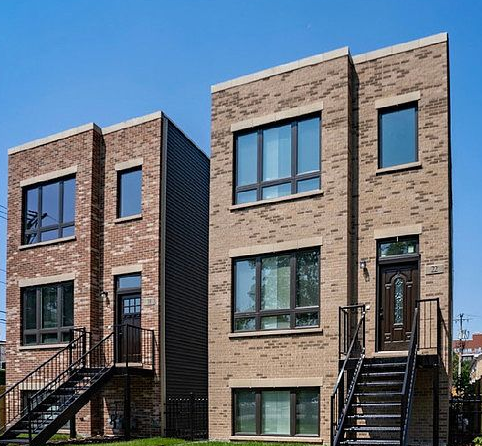
Why it matters in 2025: This metric is less about value and more about the physical footprint and construction cost. It’s relevant when comparing the overall size of structures for zoning compliance or for insurance purposes (calculating replacement cost). For homeowners considering adding square footage, understanding the total enclosed area can impact permit applications and local building codes. With climate change concerns, the total enclosed area also plays a role in overall building envelope efficiency and energy consumption audits.
Shared Amenities & Common Elements – The Condo/HOA Reality
This concept addresses the essence of the international “Super Built-Up Area,” though in the US, it doesn’t typically get added to an individual unit’s advertised square footage. Instead, it defines the shared resources and amenities that contribute to the overall lifestyle and homeowners association (HOA) fees in condominiums, townhomes, and planned communities.
What it includes:
Lobbies, hallways, stairwells, elevators.
Fitness centers, swimming pools, clubhouses.
Shared parking garages, driveways.
Landscaped gardens, green spaces, walking paths.
Building exteriors, roofs, structural elements.
Utility infrastructure serving multiple units.
Why it matters in 2025: In the US, your condo or townhome purchase typically grants you ownership of your individual unit (often defined by GLA) and an undivided interest in the common elements. This means you share the responsibility and cost of maintaining these areas through your HOA fees. With rising material costs, labor shortages, and increasing demand for luxury amenities (EV charging stations, co-working spaces, enhanced security), HOA fees are a significant and growing component of homeownership costs.
Savvy buyers in 2025 must scrutinize HOA documents, budgets, and reserve funds. Understanding the scope and quality of common elements—and their associated costs—is paramount. High-quality common areas can significantly enhance property value and quality of life, but poorly managed ones or those requiring major capital improvements can lead to unexpected special assessments and a decline in value. For investment property analysis, factoring in rising HOA fees is crucial for accurate ROI calculation.
Why These Distinctions Matter: Real-World Impacts in 2025
Understanding these different measurements isn’t just academic; it directly influences your financial well-being and homeownership experience:
Property Valuation and Appraisals: Your home’s “true” market value, particularly for lending purposes, hinges primarily on its Gross Living Area (GLA), as determined by professional appraisers. A discrepancy between advertised square footage and appraisal GLA can derail a sale. This is a critical factor for mortgage pre-approval requirements.
Property Taxes: Local tax assessors often have their own definitions for calculating taxable square footage, which may include elements excluded from GLA (like finished basements or garages, even if unfinished). This directly impacts your annual property tax assessment and can be a point of contention for a property tax appeal.
Mortgage Qualification: Lenders use the appraised value, driven by GLA, to determine how much they’re willing to lend. An inflated square footage claim can lead to a lower appraisal than expected, forcing you to bring more cash to closing.
Insurance Costs: Homeowners insurance premiums are often tied to the estimated replacement cost of your home, which is directly influenced by its overall size, including the “Total Enclosed Area.”
Resale Value and Marketing: When selling, clearly distinguishing between GLA, Net Living Area, and any below-grade finished space in your marketing materials ensures transparency and attracts qualified buyers. Buyers often calculate cost per square foot analysis, and if you’re using an inflated number, it can lead to miscomparisons.
Renovation Potential: Before embarking on a home addition or finishing a basement, understand how these changes will impact your GLA and Net Living Area for future valuation, and always check with local zoning about zoning regulations property value implications.
Investment Decisions: For real estate investors, accurate square footage is fundamental to calculating potential rental income, rental property ROI calculation, and accurately comparing properties for commercial real estate valuation or residential investment property analysis tools.
Navigating the 2025 Market: What Savvy Buyers & Sellers Need to Know
The real estate landscape is dynamic. Here’s how an expert approaches square footage in 2025:
Embrace ANSI Z765 Standards: As technology advances and market transparency becomes paramount, adherence to standards like ANSI Z765 for measuring GLA is gaining traction. Professional measurement services utilizing laser and Lidar technology can provide highly accurate, compliant measurements, giving both buyers and sellers confidence.
Beyond the Number – Functional Design: In 2025, buyers prioritize how space is used. A smaller, well-designed home with dedicated remote work zones, flexible living areas, and integrated smart home technology can command a premium over a larger, less functional space. Highlight adaptable spaces and their potential.
The Outdoor Living Premium: Outdoor living areas (decks, patios, covered porches) are not typically included in GLA, but their value has skyrocketed. Integrate these spaces into your overall property narrative; they significantly enhance “usable lifestyle square footage,” even if not counted towards GLA.
Due Diligence is Key: Never take square footage at face value from a listing. As a buyer, review the appraisal report meticulously. As a seller, consider having your property professionally measured before listing, especially if you’ve done significant renovations or additions. Inquire about the source of the square footage data.
HOA Fees Are Non-Negotiable: For condos and HOAs, dig deep into the financials. Understand what the condo HOA fees explained cover, the health of the reserve fund, and any impending special assessments. High-quality common amenities are attractive, but their long-term cost must be sustainable.
Case Study: The Downtown Condo vs. Suburban Single-Family
Consider two properties, both listed around $500,000, illustrating the impact of different measurements:
Property A: Downtown Condo (GLA 1,000 sq ft)
Net Living Area: 950 sq ft (small interior walls).
Shared Amenities: Access to a luxury gym, rooftop deck, concierge, shared lounge. These are fantastic, but contribute to a $600/month HOA fee.
Appraisal: Based on 1,000 sq ft GLA, comparable to other high-rise units.
Buyer’s Perspective: High “cost per usable square foot” but tremendous access to premium amenities. The investment property analysis might factor in high rental demand for urban living.
Property B: Suburban Single-Family Home (GLA 1,500 sq ft)
Net Living Area: 1,400 sq ft (larger interior walls, some utility space).
Below-Grade Finished Area: 500 sq ft finished basement (not included in GLA due to appraisal standards, but usable).
Outdoor Space: Large backyard, deck (not included in GLA).
Shared Amenities: Minimal HOA ($50/month) for community common areas.
Appraisal: Based on 1,500 sq ft GLA, with the finished basement valued as “additional finished space,” contributing to overall value but not increasing the GLA itself.
Buyer’s Perspective: Lower “cost per GLA square foot,” significantly more private usable space (including basement and yard), but responsible for all exterior maintenance. The home equity loan appraisal would consider the finished basement as a value add.
These two properties, while similar in price point, offer vastly different value propositions based on how their square footage and associated costs are understood. The condo buyer pays a higher per-square-foot price for convenience and shared luxury, while the suburban buyer gets more private space (including outdoor and below-grade) with fewer shared costs.
Your Next Step
Understanding these intricate layers of square footage and property measurement is not just for real estate professionals; it’s essential for anyone entering the dynamic US housing market of 2025. Whether you’re buying your first home, looking for an investment property, or selling a cherished family asset, clarity on these terms ensures you make decisions that align with your financial goals and lifestyle aspirations.
Don’t let ambiguous numbers lead you astray. Take control of your real estate journey by demanding clear, accurate information. If you’re looking to dive deeper into property valuation, need assistance deciphering a complex appraisal, or want to ensure your next real estate transaction is built on solid ground, don’t hesitate to reach out. Let’s ensure your square footage dreams perfectly align with your reality.