
Safeguarding Your Investment: The Essential Guide to Avoiding Problem Properties in 2025
For most Americans, purchasing a home stands as the single largest financial and emotional investment of a lifetime. In the dynamic real estate landscape of 2025, where market conditions can shift rapidly and inventory remains competitive in many regions, the allure of finding the perfect place can sometimes overshadow the critical importance of due diligence. Yet, overlooking potential pitfalls can transform your dream home into a costly nightmare – a “problem property” that siphons both your finances and your peace of mind.
As a seasoned real estate expert with over a decade of experience navigating the complexities of property transactions, I’ve witnessed firsthand the devastation caused by unforeseen defects and hidden issues. My goal here is to equip you, the savvy homebuyer, with the comprehensive knowledge and actionable strategies needed to identify, understand, and, most importantly, avoid buying a problem property. This isn’t just about saving money on future repairs; it’s about protecting your long-term wealth, securing your family’s safety, and ensuring your home truly remains your sanctuary.
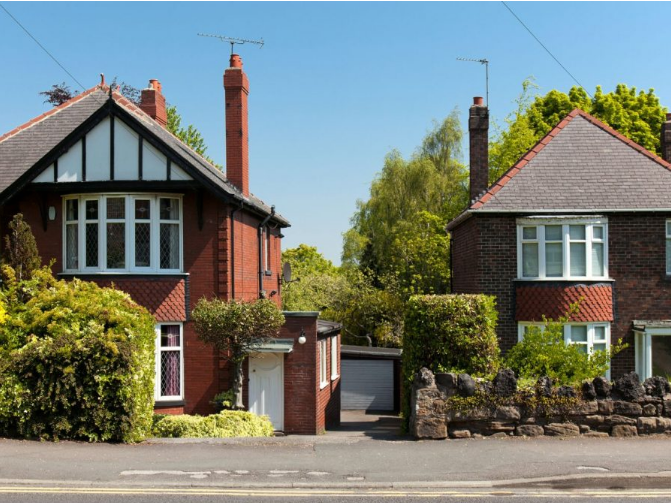
What Constitutes a “Problem Property” in Today’s Market?
A “problem property” is more than just a home needing a coat of paint or a minor cosmetic update. It’s a residence burdened with significant, often expensive, or even dangerous defects that could profoundly impact its safety, habitability, or long-term value. These issues aren’t always immediately obvious and frequently require expert scrutiny to uncover. In 2025, with increasing awareness of environmental factors and an aging housing stock, understanding these categories is more crucial than ever.
Let’s delve into the common categories of problem properties:
Structural Integrity Compromises
This is arguably the most severe category, as structural damage can be incredibly costly and complex to remedy. Think beyond a cracked driveway; we’re talking about foundational issues, compromised framing, or a failing roof system.
Foundation Problems: Hairline cracks in a basement wall might be benign, but widespread stair-step cracks, bowing walls, sagging floors, or doors/windows that no longer close properly are significant red flags. These often indicate soil instability, poor drainage, or even original construction flaws. Repairing a foundation can easily run into tens of thousands of dollars, sometimes much more.
Roofing System Failures: A roof that’s past its prime isn’t just an aesthetic concern. Leaks can lead to extensive water damage, mold growth, and compromise the structural integrity of the attic and ceiling below. Look for missing or curling shingles, significant sagging, excessive moss growth, or water stains on interior ceilings. A full roof replacement is a substantial investment.
Framing and Load-Bearing Issues: Incorrectly modified load-bearing walls, termite damage to wood beams, or dry rot can silently undermine a home’s structural stability. These are often hidden behind drywall but can sometimes manifest as unusually bouncy floors or visibly warped walls.
Environmental and Health Hazards
Beyond the physical structure, a home’s environment can pose serious threats to its occupants’ health. These issues are increasingly scrutinized in property transactions and can have legal ramifications.
Mold Infestations: While some surface mold is common, extensive black mold or mold in hidden areas (behind walls, under carpets) indicates significant moisture problems and can trigger severe respiratory issues, allergies, and other health complications. Professional mold remediation is essential but costly, and addressing the underlying water source is paramount.
Asbestos and Lead Paint: Common in homes built before 1980 (asbestos) and 1978 (lead paint). Disturbing these materials can release dangerous fibers or dust, leading to lung diseases (asbestos) or neurological damage (lead, especially in children). Abatement is a specialized, expensive process.
Radon Gas: An invisible, odorless, radioactive gas that seeps from the ground, radon is a leading cause of lung cancer for non-smokers. It can accumulate in basements and lower levels. Testing is relatively inexpensive, but mitigation systems can add to homeownership costs.
Poor Indoor Air Quality (IAQ): Beyond specific hazards, general IAQ can be compromised by poor ventilation, off-gassing from building materials, or even persistent pet dander/allergens. While not always a “defect,” it’s a growing concern for health-conscious buyers.
Water Quality Issues: Especially in rural areas relying on well water, contamination from agricultural runoff, failing septic systems, or natural minerals can render water unsafe for consumption without filtration or treatment.
Code Violations and Permitting Discrepancies
Unpermitted additions, shoddy DIY renovations, or outdated electrical/plumbing systems that no longer meet current building codes aren’t just technicalities. They can pose safety risks, make it difficult to get insurance, complicate future resale, and even lead to fines or mandated demolition.
Unpermitted Additions/Renovations: A converted garage, a new deck, or a finished basement might look great, but if proper permits weren’t pulled and inspections weren’t conducted, the work might not meet safety standards. This can be a major headache, often requiring retrofitting or even dismantling the work.
Outdated Electrical Systems: Knob-and-tube wiring (pre-1950s) or aluminum wiring (1960s-1970s) can be fire hazards and often lack the capacity for modern electrical demands. Upgrading an entire electrical system is a significant expense.
Plumbing Issues: Old galvanized pipes are prone to corrosion and leaks, leading to low water pressure and costly water damage. Sewer line issues, often unseen, can be catastrophic, requiring excavation and replacement.

Geographical and Locational Risks
Some property problems aren’t intrinsic to the house itself but rather its surroundings, and these are becoming increasingly relevant with changing climate patterns.
Floodplains and Disaster Zones: Homes in designated floodplains (or increasingly, areas newly prone to flooding due to altered weather patterns) require expensive flood insurance, and often face repeated damage. Similarly, properties in high-risk wildfire zones, seismic fault lines, or areas with unstable soil are inherently riskier.
Proximity to Undesirable Elements: Living next to a noisy highway, a polluting industrial plant, an active train line, or even a commercial facility with constant truck traffic can significantly degrade quality of life and negatively impact property value. The presence of high-voltage power lines can also be a concern for some buyers.
Evolving Climate Risks: In 2025, buyers are increasingly considering future climate impacts. Is the property in an area projected to face increased heat waves, water scarcity, or sea-level rise? While not a “defect,” these are emerging considerations for long-term viability.
Hidden Systemic Failures
These are the core operational components of a home that often go unnoticed until they fail, leading to significant disruption and expense.
HVAC System Failures: An old, inefficient, or poorly maintained heating, ventilation, and air conditioning system can lead to sky-high utility bills and expensive repairs or replacement, especially if a full system (furnace and AC unit) needs to be swapped out.
Appliance Issues: While often not deal-breakers, a suite of aging, failing appliances can add thousands to your immediate move-in costs.
Septic System Problems: For homes not on municipal sewer, a failing septic system is a major issue, leading to unsanitary conditions, environmental contamination, and extremely costly repairs or full replacement.
Pest Infestations
Beyond the creepy-crawly factor, certain pests can cause extensive, costly damage.
Termites and Wood-Destroying Insects (WDI): Termites, carpenter ants, and powderpost beetles can silently decimate wooden structures, compromising a home’s integrity over time. Signs like mud tubes, discarded wings, or damaged wood often indicate a long-standing problem requiring professional extermination and repair.
Rodent Infestations: While not usually structurally damaging, extensive rodent activity points to entry points, potential contamination, and can be a health hazard.
Legal or Title Encumbrances
Sometimes the “problem” isn’t with the physical structure but with the legal claim to the property itself.
Liens and Encumbrances: Unpaid contractor bills, property tax arrears, or outstanding mortgage debt can result in liens against the property. If not cleared before closing, these can become the new owner’s responsibility.
Easements and Encroachments: An easement grants another party the right to use part of your property (e.g., utility lines). An encroachment means a neighbor’s structure is on your land. While some are benign, others can limit your property use or lead to disputes.
Boundary Disputes: Unclear property lines or past disagreements with neighbors can lead to ongoing legal battles.
Your Defensive Playbook: How to Avoid Buying a Problem Property
Navigating the home buying process requires a proactive, investigative approach. You are your own best advocate, supported by a team of trusted professionals. Here’s your comprehensive strategy for steering clear of problem properties:
Prioritize a Comprehensive Professional Home Inspection (No Exceptions!)
This is the single most critical step in your due diligence. Do not, under any circumstances, waive a home inspection, even in a competitive market.
Hire a Qualified, Independent Inspector: Seek out an inspector with strong credentials, extensive experience (10+ years is ideal), and positive references. Ensure they are licensed and insured. An inspector recommended by your agent is often fine, but consider getting a second opinion or cross-referencing.
Go Beyond the Basics: A standard home inspection covers major systems and visible components. However, depending on the property’s age, location, or initial red flags, consider specialized inspections:
Pest and WDI Inspection: Essential for nearly any property, especially in warmer climates or areas with older homes.
Radon Testing: Recommended in many regions where radon is prevalent.
Mold Inspection: If there are any signs of moisture intrusion or musty odors.
Sewer Scope Inspection: Critical for older homes or those with mature trees, as roots can invade and damage sewer lines.
Chimney Inspection: If the home has a fireplace.
Structural Engineer: If the general inspector identifies significant structural concerns.
Attend the Inspection: Be present and engaged. Ask questions. This is your opportunity to learn about the home’s nuances and potential issues directly from an expert. Don’t be afraid to poke around (within reason and under the inspector’s guidance).
Scrutinize the Report: Read the inspection report meticulously. Don’t just skim. Pay attention to major defects, recommended repairs, and estimated lifespans of systems like the HVAC or roof. Use this report as a powerful negotiation tool. Prioritize serious safety, structural, and systemic issues over minor cosmetic flaws.
Conduct a Thorough Property History and Title Search
Understanding a property’s past can reveal its future potential for problems.
Order a Comprehensive Title Report: Your closing attorney or title company will do this, but understand what it tells you. It reveals ownership history, identifies any outstanding liens, judgments, easements, or other encumbrances that could cloud the title and affect your ownership rights. Ensure the title is “clean” before closing.
Review Seller Disclosure Statements: In most states, sellers are legally required to disclose known defects. Read these documents carefully. While sellers may not know about every issue, inconsistencies or evasive answers can be red flags. Don’t take disclosures as the only source of information; use them as a guide for further investigation.
Check Permit History with Local Authorities: Visit your local building department or city planning office. You can often look up a property’s permit history. This reveals whether renovations, additions, or major repairs were permitted and inspected, ensuring they meet safety codes. Unpermitted work is a serious concern.
Investigate Past Insurance Claims (C.L.U.E. Report): A Comprehensive Loss Underwriting Exchange (C.L.U.E.) report can reveal a property’s insurance claims history for the past seven years. This can highlight past issues like water damage, mold claims, or fire incidents that might indicate underlying problems or impact your future insurance rates.
Engage with the Neighborhood: Your Unofficial Intelligence Network
The people living next door can provide invaluable insights that no inspection report can capture.
Talk to Potential Neighbors: If you see neighbors outside, politely introduce yourself and ask about the area. Inquire about neighborhood noise levels, traffic patterns, any known issues with the property (e.g., past flooding, unusual smells), or even local community concerns.
Observe at Different Times of Day: Drive or walk by the property and its surroundings at various times – morning rush hour, mid-day, evening, and weekend nights. Note traffic noise, pedestrian activity, street parking challenges, or anything that might disrupt your peace. Does the neighboring business operate noisy machinery late at night?
Scrutinize the General Area: Are there abandoned properties nearby? Signs of neglect? What are the local amenities, schools, and parks like? Proximity to these can greatly influence your daily life and property value.
The Empowered DIY Drive-By (and Walk-Through) Inspection
Before you even get to the professional inspection, train your eye to spot obvious issues. This helps you prioritize properties and ask informed questions.
Exterior Examination: Look for obvious signs of neglect or major disrepair: crumbling foundation visible from the outside, missing or broken shingles, significant cracks in exterior walls, standing water in the yard (poor drainage), overflowing gutters (clogged or improperly installed), dead trees dangerously close to the house, or significant wear on exterior paint/siding.
Drainage Assessment: Walk around the perimeter of the house. Does the ground slope away from the foundation, or towards it? Poor grading can lead to water intrusion in basements or crawl spaces.
Windows and Doors: Check if they appear to seal properly. Are there signs of drafts or moisture between double panes?
Odors: During your initial walkthrough, pay attention to any persistent musty smells (mold), strong chemical odors, or even excessive air freshener use (often used to mask smells).
Visible Water Damage: Look for stains on ceilings, walls, or floors. Even if painted over, subtle discoloration can indicate past or current leaks.
Understand Insurance Implications
Your ability to insure a property, and the cost of that insurance, can be a major indicator of risk.
Get Insurance Quotes Early: Before making an offer, or during your inspection period, get quotes for homeowner’s insurance. If a property is in a high-risk area (flood, wildfire), your agent will flag it, and specific, often expensive, additional coverage will be required. High premiums can be a subtle indicator of past problems or future risk.
Flood Zone Designations: Actively check if the property is in a designated flood zone (FEMA maps are publicly available). If it is, understand the implications for mandatory flood insurance. Climate change is redrawing these maps, so even if it wasn’t in a zone historically, confirm its current status.
Leverage Your Real Estate Agent Wisely
A skilled real estate agent is more than just a tour guide; they are your strategic partner.
Choose an Experienced Agent: Select an agent with a deep understanding of the local market and a reputation for thoroughness. They should be proactive in asking sellers the right questions and guiding you through the due diligence process.
Local Knowledge is Key: Your agent should be aware of common issues in specific neighborhoods (e.g., “This part of town tends to have older plumbing,” or “Homes near this creek sometimes have drainage issues”).
Financial Due Diligence Beyond the Purchase Price
Consider not just the list price, but the total cost of ownership, especially if repairs are anticipated.
Budget for Unexpected Repairs: Even with thorough inspections, homes always have surprises. Factor a contingency fund (e.g., 1-3% of the purchase price) into your home buying budget for immediate post-move-in fixes or emergencies.
Energy Efficiency Audit: For older homes, consider a professional energy audit. High energy bills can be a persistent “problem,” and understanding potential efficiency upgrades (insulation, windows, HVAC) can inform your budget.
The Cost of Ignoring Red Flags
The temptation to overlook minor issues, or to rush a purchase in a hot market, can be immense. However, the financial and emotional toll of a problem property is profound:
Exorbitant Repair Costs: What seems like a small crack can lead to a $30,000 foundation repair. A leaky roof can cause tens of thousands in mold remediation and interior damage. These unplanned expenses can derail your financial stability and even force you to sell at a loss.
Diminished Property Value: A property known for structural issues, environmental hazards, or legal disputes will command a lower price on the market, severely impacting your long-term equity and investment returns.
Emotional Stress and Time Drain: Dealing with contractors, legal battles, insurance claims, and the constant worry of a failing home can be incredibly stressful, consuming your time and energy that should be spent enjoying your new space.
Health Risks: Undetected mold, asbestos, or radon can seriously compromise the health of you and your family, leading to ongoing medical expenses and chronic conditions.
Resale Difficulties: When it’s time to sell, you’ll be legally obligated to disclose any known problems, potentially deterring buyers or forcing you to accept a lower offer.
Final Thoughts: Empowering Your Homebuying Journey
Buying a home in 2025 is an exciting venture, a testament to your hard work and aspirations. However, it requires a blend of optimism and rigorous practicality. By adopting a mindset of informed caution and leveraging the expert resources available to you, you transform yourself from a passive buyer into an empowered investor.
Remember, every property has quirks, but understanding the difference between a charming imperfection and a critical problem is key. Arm yourself with knowledge, rely on experienced professionals, ask relentless questions, and never compromise on thorough due diligence. This strategic approach won’t just help you avoid a “problem property”; it will guide you toward a home that brings genuine joy, lasting value, and peace of mind for years to come. Your future self, living happily and securely in your new home, will thank you for it.