
Mastering the Blueprint: Your 2025 Guide to Understanding Square Footage in US Real Estate
Navigating the American real estate market in 2025 is more dynamic and data-driven than ever before. Yet, amidst all the digital advancements and AI-powered tools, one fundamental concept continues to be a source of confusion and critical importance: understanding property square footage. While you might encounter terms like “carpet area” or “super built-up area” in international contexts, the U.S. market operates with its own specific lexicon and standards. As an expert who has spent over a decade deciphering blueprints and closing deals, I can tell you unequivocally: knowing what you’re paying for, square foot by square foot, is paramount to making informed decisions, securing fair value, and avoiding costly surprises.
This comprehensive guide will demystify the various ways residential property size is measured and defined across the United States. We’ll dive deep into the nuances of finished square footage, gross living area, total under roof, and how common spaces factor into multi-family dwellings like condos. By the end, you’ll be equipped with the knowledge to scrutinize listings, understand appraisals, and confidently negotiate your next real estate transaction, whether you’re buying your first home or expanding your investment portfolio.
The Foundation: Understanding Core US Square Footage Terms
In the United States, there isn’t one single, universally accepted measurement that defines a property’s size for all purposes. Instead, we work with several key terms, each serving a distinct function and providing a different perspective on the available space.
Finished Square Footage (FSF) and Gross Living Area (GLA)
These two terms are often used interchangeably, particularly in residential real estate, and represent the most critical metric for homeowners and lenders alike.
Definition: Finished Square Footage (FSF) or Gross Living Area (GLA) refers to the total area of a residence that is above grade, heated, and finished to a quality level comparable to the main living areas of the home. This includes bedrooms, bathrooms, kitchens, living rooms, and any other spaces that are fully enclosed, have a permanent heat source (and often cooling), and boast finished walls, ceilings, and flooring.
What Counts: Typically, all habitable space on the main floor and any upper floors. For example, a two-story home’s GLA would be the sum of the finished space on both levels.
What Doesn’t Count (Typically):
Basements (Below Grade): Even if a basement is fully finished, heated, and has high-quality finishes, it is generally not included in the GLA if more than half of its height is below the average outside grade. This is a crucial distinction that often surprises buyers. While finished basement space adds significant value and functionality, it’s usually categorized separately.
Garages: Attached or detached garages are almost never included in GLA, as they are primarily for vehicle storage and utility, not habitable living.
Unfinished Attics or Storage Areas: Any space lacking permanent heating, finished surfaces, or proper egress is excluded.
Open Porches, Decks, Patios: These are exterior spaces, regardless of whether they are covered or screened.
Breezeways: Unenclosed or minimally enclosed passages.
Why it Matters: GLA is the gold standard for residential property valuation, especially for appraisals and mortgage lending. Lenders use GLA to assess the value of the collateral, and most “price per square foot” calculations for single-family homes are based on this figure. Understanding what is square footage in real estate for GLA is crucial for direct comparison of homes.
Total Under Roof
This is a broader measurement that encompasses virtually all enclosed structures on a property.
Definition: Total Under Roof includes the Finished Square Footage (GLA) plus attached garages, covered porches, screened lanais, and sometimes even unfinished attic or basement spaces if they are structurally integrated under the main roofline.
Why it Matters: While not used for primary valuation, “total under roof” gives a sense of the entire footprint of the enclosed or covered structures. It’s useful for understanding the overall scale of construction, especially for builders or those interested in the full buildable space rather than just habitable areas. It’s less common for public listings but might appear in construction documents.
Gross Building Area (GBA)
More frequently encountered in commercial real estate or for multi-family investment properties, GBA provides the most expansive view of a building’s size.
Definition: Gross Building Area represents the total square footage of a building, measured from the exterior walls, including all floors (finished and unfinished), basements, and often garages.
Why it Matters: For an apartment building, office complex, or warehouse, GBA is a key metric for investors, developers, and property managers. It helps in calculating overall density, construction costs, and sometimes the real estate value per square foot for entire structures rather than individual units.
Common Areas and Multi-Family Dwellings (Condos & Co-ops)
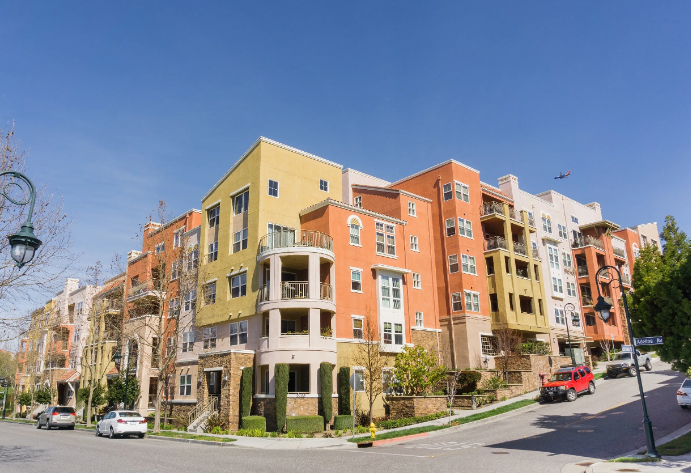
The concept of shared amenities, often reflected in terms like “Super Built-Up Area” in other markets, translates differently in the US, particularly for condominiums and co-operative apartments.
Condo/Co-op Unit Square Footage: For individual condo or co-op units, the advertised condo square footage calculation typically refers to the interior dimensions of that specific unit, similar to Finished Square Footage. It includes the space from wall-to-wall within the unit, often excluding the thickness of the exterior walls or common interior walls.
Common Areas: These are spaces jointly owned by all unit owners in a building or complex. They can include:
Lobbies, hallways, stairwells, elevators
Fitness centers, swimming pools, clubhouses
Gardens, courtyards, shared parking garages
Mechanical rooms, utility closets
How They’re Accounted For: Instead of adding a “proportionate share” of common areas to an individual unit’s square footage for sale purposes, US buyers of condos and co-ops pay a monthly Homeowners Association (HOA) fee or maintenance charge. These fees cover the upkeep, insurance, and amenities of these common areas. While common areas significantly enhance the lifestyle and value proposition of a unit, they are not typically bundled into the listed square footage of the individual apartment itself. You are buying the right to use and share in the cost of these amenities, rather than owning a specific square footage share within them.
The Critical Impact: Why Square Footage Discrepancies Matter
Understanding these definitions isn’t merely an academic exercise; it has tangible financial and lifestyle implications. Miscalculations or misunderstandings of property size can lead to significant problems.
Property Valuation and Pricing
The most obvious impact is on a property’s price. Price per square foot is a common metric used by real estate agents, appraisers, and buyers to compare properties. If you’re comparing a home advertised at 2,000 sq ft (including a finished basement) with a truly above-grade 2,000 sq ft home, you’re not comparing apples to apples. The GLA of the latter will command a higher real estate value per square foot. Overpaying due to an inflated square footage figure can cost you tens of thousands of dollars.
Property Taxes
Local municipalities often assess property tax square footage based on the recorded size of your home. If your square footage is inaccurate in public records, you could be overpaying (or, less commonly, underpaying and potentially facing back taxes later). An appraisal that reveals a different square footage than county records might prompt a reassessment.
Home Insurance Costs
Insurance premiums are often calculated based on the cost to rebuild your home, which is directly tied to its size and construction quality. An overstated square footage could lead to higher home insurance square footage premiums than necessary, while an understated figure could leave you underinsured in the event of a total loss.
Renovation and Expansion Planning
Accurate measurements are fundamental for any remodeling or expansion project. Architects, contractors, and permit offices rely on precise square footage data. Starting a project with incorrect base measurements can lead to design flaws, budget overruns, and delays.
Personal Space and Lifestyle
Beyond the financial, square footage directly impacts your daily life. Underestimating the usable living space can lead to a feeling of being cramped, while an accurate understanding helps you envision furniture placement, plan for family growth, and assess if a home truly meets your spatial needs.
The Measurement Maze: Sources of Discrepancy and Standardization
One of the most frustrating aspects for buyers and sellers is the frequent inconsistency in reported square footage. You might see three different figures for the same property: one from the builder, one from public records, and another from an appraisal.
Sources of Square Footage Information:
Builder Plans: Original blueprints or schematics. These can sometimes be “marketing square footage,” which might inflate numbers or include areas not considered FSF/GLA by appraisers.
County Assessor Records: Publicly available data used for property tax square footage assessment. These measurements are often derived from building permits, aerial photography, or older appraisals and may not always reflect current additions or professional standards.
Real Estate Listings: Agents typically pull data from county records or prior listings. While they strive for accuracy, they are not always qualified to perform professional measurements.
Appraisals: The most reliable source for lending purposes. Appraisers adhere to strict industry standards.
Professional Measurement Services: Independent companies that specialize in measuring properties, often used by sellers to ensure accuracy before listing.
The Role of ANSI Standards
To bring consistency to residential square footage measurements, the American National Standards Institute (ANSI) developed the ANSI Z765-2021 standard (formerly Z765-2003 and Z765-2021 as of 2023 for updated guidance). Many appraisers, especially those working for federally regulated lenders, are required to follow these guidelines.
Key ANSI Principles:
Above Grade Only: Only finished areas above grade are included in GLA. Basements are measured separately.
Exterior Measurements: Measurements are taken from the exterior of the house, not interior walls.
Minimum Ceiling Height: Generally, a minimum ceiling height (e.g., 7 feet) is required for a space to be considered finished living area, with exceptions for sloped ceilings (e.g., in attics, at least half the area must have a 7-foot height, and no area with less than 5 feet counts).
Attached Structures: Attached garages, open porches, and decks are measured but reported separately from GLA.
Why it Matters: Adherence to ANSI standards provides a more consistent and reliable appraisal square footage definition, helping to resolve discrepancies and ensure fairer valuations. If your appraisal indicates a different GLA than the listing, it’s often because the appraiser is strictly following these industry standards, which is a good thing for transparency.
Practical Strategies for Buyers and Sellers in 2025
In today’s competitive market, being proactive about square footage is a sign of a savvy real estate participant.
For Buyers: Don’t Just Glance at the Listing
Always Request the Appraisal: If you’re financing, your lender will order an appraisal. Review this document carefully. The appraiser’s measurement of Gross Living Area (GLA) is the most credible number for valuation purposes. It will distinguish between above-grade finished space and finished basement areas.
Verify Public Records: Cross-reference listing data with county assessor records. While not always perfect, it’s a good starting point.
Understand “Finished Basement” vs. GLA: A finished basement adds value, but it is rarely included in GLA. Factor this into your calculate living space equation. A 1,500 sq ft home with a 500 sq ft finished basement is functionally different from a 2,000 sq ft home entirely above grade.
Look for Floor Plans: Ask your agent for floor plans if available. These can provide a visual confirmation of space and help you identify how measurements are derived.
Walk Through with a Critical Eye: Pay attention to how spaces flow. Are there unusual angles, low ceilings, or “dead” spaces? Sometimes, even with a high square footage number, the usability of the space can be limited.
Don’t Be Afraid to Ask: If something doesn’t add up, ask your real estate agent, the seller’s agent, or even consider hiring a professional measurement service before making an offer or during your due diligence period. This helps you how to verify property size.
For Sellers: Transparency Builds Trust
Get a Professional Measurement: Before listing your home, consider hiring an independent professional to measure your property according to ANSI standards. This eliminates doubt and provides a defensible, accurate GLA for your listing. This can prevent issues down the line and solidify your real estate value per square foot.
Be Transparent in Listings: Clearly differentiate between above-grade GLA and finished basement or attic space. For example, “2,000 FSF above grade + 800 FSF finished basement.” This manages buyer expectations and avoids accusations of misrepresentation.
Gather Relevant Documents: Have original builder plans, prior appraisals, or any measurement reports readily available for interested buyers or their agents.
Understand Appraiser Methods: Be aware that the appraiser for a buyer’s lender will likely use ANSI standards, which might yield a slightly different number than you or the county assessor have. Be prepared for this potential adjustment.
The Future of Square Footage Measurement in 2025
As we move deeper into 2025, technology is playing an increasing role in property measurement.
Advanced Laser Measurement Tools: Highly accurate laser devices are becoming standard for professionals, minimizing human error.
3D Scanning and Virtual Tours: Many listings now feature 3D walkthroughs (e.g., Matterport). While these are excellent for visualization, always remember they are primarily marketing tools. The underlying dimensions still need professional verification.
AI and Machine Learning in Appraisals: AI is beginning to assist appraisers in analyzing property data, including square footage, potentially leading to faster and even more consistent evaluations based on established standards.
Greater Data Integration: Expect more seamless integration of property data from various sources – county records, MLS, and appraisal databases – making it easier to spot discrepancies.
Despite these technological advancements, the fundamental principles remain. The human element of understanding and verifying these measurements will always be crucial. Technologies enhance our capabilities, but they don’t replace the need for critical thinking and due diligence.
Conclusion: Your Empowered Real Estate Journey
Understanding square footage in the US real estate market means comprehending Finished Square Footage (GLA), how it differs from total under roof, and how common areas function in multi-family housing. It’s about knowing what truly impacts valuation, property taxes, and your lifestyle.
By being informed, asking the right questions, and leveraging professional expertise, you empower yourself. You move beyond merely accepting advertised numbers and gain the confidence to analyze property value effectively. In 2025, as the market continues to evolve, this foundational knowledge remains your most valuable asset, ensuring that every square foot you buy or sell contributes meaningfully to your real estate goals. Make every dimension count.