
Navigating the Nuances of Property Square Footage: An Expert’s Guide to Real Estate Measurements
In my two decades navigating the complex currents of the real estate industry, one constant source of confusion and potential pitfalls for buyers, sellers, and even seasoned investors has been the enigmatic world of property square footage. It’s a term tossed around casually, plastered on listings, and yet, its true meaning can be as elusive as a ghost in the attic. Understanding how properties are measured isn’t just an academic exercise; it’s a fundamental pillar of informed decision-making, directly impacting everything from a home’s perceived value and your loan eligibility to its tax assessment and long-term investment potential.
As a real estate professional, I’ve seen countless transactions hinge on a clear, or often unclear, understanding of these critical metrics. From first-time homebuyers grappling with what “livable space” truly means to sophisticated real estate investment strategists evaluating multi-unit complexes, the precise definition of property square footage is paramount. This comprehensive guide, updated for 2025 trends, will demystify the various ways we measure residential and even touch upon commercial properties in the United States, equipping you with the expert insights needed to confidently analyze any listing and protect your investment.
The Foundation: Gross Living Area (GLA) – The Heart of Your Home’s Value
When most people envision their future home, they’re instinctively thinking about its usable space. In the parlance of US real estate, particularly in the appraisal and lending sectors, this concept is primarily captured by Gross Living Area (GLA). This is arguably the most critical measurement for residential properties, forming the bedrock of property valuation.
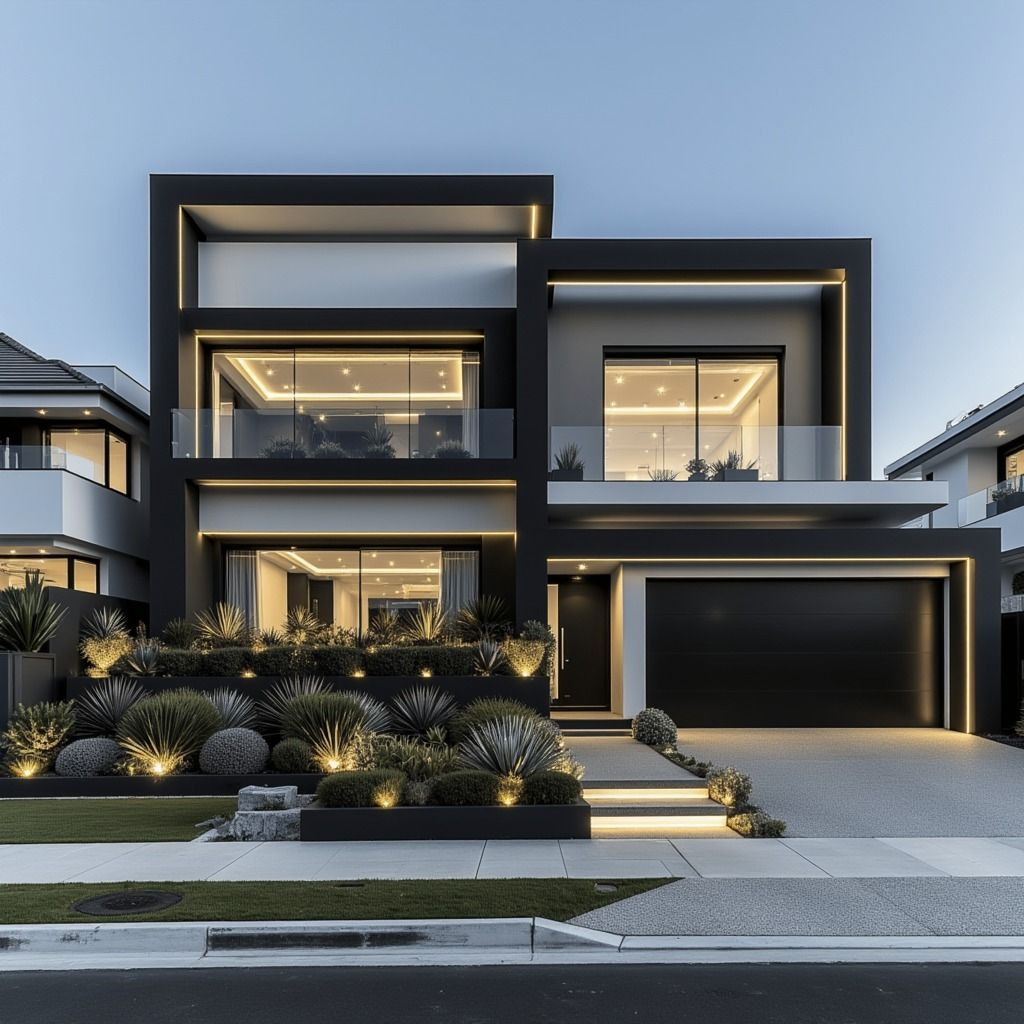
GLA, as defined by industry standards such as ANSI Z765-2021 (the American National Standards Institute’s “Standard for Calculating Square Footage”), represents the total finished, heated, and above-grade living area of a residence. Think of it as the area where you genuinely live and occupy daily.
What GLA typically includes:
All rooms that are finished, heated, and intended for living (bedrooms, bathrooms, kitchens, living rooms, dining rooms, family rooms, finished basements/attics that meet specific criteria).
Space on the main level and any upper levels.
The interior dimensions of these spaces, measured from the exterior face of the walls.
What GLA typically excludes:
Garages: Attached or detached, garages are almost universally excluded from GLA, even if they are heated.
Unfinished Basements: Even if a basement has a high ceiling and potential, if it’s unfinished, it’s not GLA.
Non-Heated Spaces: Enclosed porches, sunrooms, or patios that lack a permanent heating source (and often cooling) suitable for year-round living are excluded.
Open Decks, Patios, or Balconies: These outdoor spaces are not considered living area.
Areas with Ceilings Below a Certain Height: ANSI Z765 specifies areas with ceilings below 5 feet are excluded, and at least half of the ceiling area must be 7 feet or greater. This often impacts sloped ceilings in attics.
From an appraiser’s perspective, GLA is the primary data point for comparing properties. When you’re securing a mortgage, the lender’s appraisal will heavily rely on GLA to determine the property’s market value, directly influencing your home equity loan qualification and the maximum loan amount. As a buyer, understanding GLA means you’re evaluating the actual living environment you’re paying for, rather than a potentially inflated total area figure. It’s the closest American equivalent to the “Carpet Area” concept, focusing on the true usable square footage of your personal domain.
Beyond the Walls: Total Enclosed Area and Its Broader Scope
While GLA focuses on the “livable” aspect, there are other important ways to measure property square footage that offer a broader picture of a structure’s physical footprint. This brings us to concepts like Total Enclosed Area or, more colloquially, Total Under Roof.
This measurement encompasses the GLA and extends to all other enclosed spaces within the exterior walls of the primary structure, regardless of whether they are finished, heated, or even habitable in the traditional sense. It paints a picture of the entire volume of space a building occupies.
What Total Enclosed Area (or Total Under Roof) typically includes:
Gross Living Area (GLA): Naturally, all finished and heated spaces.
Garages: This is the key differentiator from GLA. Attached garages are included in the overall “under roof” calculation.
Unfinished Basements: Even if cold, damp, and solely used for storage, the enclosed space of an unfinished basement contributes to the total enclosed area.
Utility Rooms and Storage Areas: Within the structure, these are included.
Non-Heated, Finished Areas: Such as sunrooms that are enclosed but lack full climate control.
This broader measurement isn’t typically used for direct value comparisons in the way GLA is, but it’s crucial for understanding the overall scale of construction, builder’s costs, and sometimes even local zoning ordinances which might govern the total footprint of a structure on a lot. For those involved in real estate development financing or analyzing the developer pro forma analysis of a project, the total enclosed area provides a more complete understanding of the construction volume. It reflects the cost of building the entire structure, including its “non-living” components, which significantly influences the overall property investment advisor’s recommendations for new builds or extensive remodels. When a listing mentions “total square footage” without specifying “living,” it often refers to this broader figure.
The Condo Conundrum: Understanding Common Area Allocations
For buyers and investors eyeing condominiums, co-ops, or even some townhome communities, the concept of property square footage takes on another layer of complexity. This is where the US market conceptually aligns with what the original article termed “Super Built-Up Area,” which accounts for a share of common facilities.
When you purchase a condo unit, you’re not just buying the space within your unit’s walls; you’re also acquiring an undivided fractional interest in the building’s common elements. This means you own a piece of the hallways, lobbies, elevators, fitness centers, pools, clubhouses, and even the structural components like the roof and exterior walls.
How it impacts reported square footage:
Private Unit Square Footage: This is the GLA of your individual unit, measured from the paint on your interior walls to the exterior face of the shared walls. This is what you can directly use and occupy.
Allocated Common Area Share: Developers and condo associations often calculate a “total area” figure that includes your private unit’s square footage plus a prorated share of these common amenities. This proportional share is typically based on your unit’s size relative to the total private square footage of all units in the building.
While your deed and property tax records will usually list your private unit’s square footage, developers sometimes advertise a larger “total” or “super” square footage figure to highlight the shared amenities available. This can be misleading if not clarified. It’s vital to understand that this allocated common area impacts your Homeowners Association (HOA) fees, as these fees cover the maintenance and operating costs of these shared spaces. It can also subtly affect a luxury property valuation, where state-of-the-art common amenities are a significant draw, but their proportionate cost contribution must be understood.
When evaluating pre-construction condo investment opportunities, I always advise clients to obtain the exact measurement of the private unit’s square footage and understand precisely how common areas are allocated and what that means for monthly costs and eventual resale value. Don’t be swayed by an inflated number that includes square footage you can’t actually furnish or live in.
Standardization and Scrutiny: The Role of Measurement Standards in the USA
Unlike the original article’s reference to RERA as a specific regulatory body for area definitions, the US real estate market relies on a combination of industry standards, local regulations, and appraisal best practices to define and measure property square footage. This patchwork, while sometimes confusing, aims for transparency and consistency.
The most widely accepted standard, particularly for appraisals, is the ANSI Z765-2021 (American National Standard for Calculating Square Footage). This standard provides clear, uniform guidelines for measuring residential properties, ensuring that appraisers across the country use the same methodologies. Its adoption helps to minimize discrepancies in reported GLA, which is crucial for lenders and provides a reliable baseline for accurate property valuation services.
However, it’s essential to recognize that not all parties strictly adhere to ANSI Z765:
Local Building Codes and Zoning Ordinances: Cities and counties often have their own definitions of “floor area” or “habitable space” for permitting and zoning purposes. These might differ from ANSI standards, particularly regarding finished basements or attic spaces.
Builder and Developer Practices: Some builders might use different measurement techniques for marketing purposes, potentially including unfinished areas or exterior dimensions in their advertised total square footage. This is especially common in new construction measurements.
Real Estate Agent Listings: Agents typically rely on information from public records, previous appraisals, or builder plans. If these sources use varying standards, discrepancies can occur.
The critical takeaway here is that property square footage isn’t always a universally consistent number. What constitutes “finished” or “heated” can vary. This is why experienced professionals always recommend reviewing official documents, such as previous appraisals, floor plans, and public tax records, and considering professional property measurement services if there are significant doubts or high stakes involved. Discrepancies in square footage can lead to legal disputes and impact property tax assessment appeals, making clear, verifiable measurements an invaluable asset.
The Tangible Impact: Why These Numbers Dictate Your Real Estate Journey
The seemingly technical details of property square footage have profound and practical implications across every facet of your real estate journey. As someone who has advised on hundreds of transactions, I can attest that overlooking these nuances is a costly mistake.
Property Valuation & Appraisals: This is perhaps the most direct impact. Appraisers heavily rely on GLA to determine a home’s market value. Comps (comparable sales) are analyzed based on their GLA, and a material difference in reported property square footage can significantly alter the appraisal outcome. A higher GLA generally translates to a higher valuation, but only if it’s accurately measured and comparable to other properties. This is especially true in luxury real estate valuation, where every square foot carries substantial financial weight.
Financing & Loan Qualification: Lenders are driven by appraisal values. If the advertised square footage differs significantly from the appraised GLA, it can jeopardize your mortgage approval. A smaller-than-expected GLA could mean the property doesn’t appraise for the agreed-upon price, forcing you to renegotiate or bring more cash to closing. Understanding accurate property square footage is thus integral to your home equity loan qualification and overall financial planning.
Property Taxes: Local tax assessors use square footage, among other factors, to determine your annual property tax burden. If your property’s recorded square footage is inaccurately high, you could be overpaying taxes year after year. Conversely, if it’s too low, it might raise red flags during a sale. Knowing the correct figures can empower you to pursue a property tax appeal attorney if you believe your assessment is based on incorrect measurements.
Buying & Selling Strategies: For buyers, comparing apples to apples is crucial. A “bigger” house might actually have less GLA if a large portion is dedicated to an oversized garage or unfinished basement. For sellers, accurately representing your property square footage builds trust and avoids issues during appraisal. Overstating square footage can lead to reduced offers or even withdrawn contracts. Effective real estate agents understand these distinctions and educate both sides of the transaction.
Real Estate Investment Strategies: For investors, accurate square footage is non-negotiable. Whether you’re analyzing a potential flip, a rental property, or a multi-unit acquisition, the price per square foot (often based on GLA) is a key metric for determining profitability and return on investment (ROI). Discrepancies can throw off your entire financial model, impacting your commercial real estate consulting advice, or your residential investment pro forma.
Insurance Costs: While less direct, some homeowner’s insurance policies consider the total enclosed area or replacement cost, which is influenced by the overall dimensions of the structure, encompassing more than just GLA.
Real-World Scenarios & Expert Insights
Let me share a couple of scenarios from my experience that highlight these complexities:
Case Study 1: The “Spacious” Condo Illusion
A client was excited about a “1,800 sq ft” downtown condo, advertised as a premium unit. During due diligence, we discovered the private GLA was actually 1,300 sq ft. The additional 500 sq ft represented their allocated share of luxurious common areas – a rooftop deck, a fitness center, and an expansive lobby. While these amenities were attractive, the client was effectively paying a premium price per square foot for living space that was 30% smaller than initially perceived. This clarification adjusted their offer and ultimately led to a better deal, emphasizing the need to scrutinize condo square footage and common area allocation explicitly.
Case Study 2: The Finished Basement Dilemma
Another client was selling a charming 1,500 sq ft ranch home with a fully finished basement adding another 1,000 sq ft. They advertised it as a 2,500 sq ft home. However, the appraiser, adhering strictly to ANSI Z765 and lender guidelines, only counted the above-grade 1,500 sq ft as GLA. The basement, though beautifully finished, was considered “sub-grade” and thus separately valued, not added to the primary living area. This meant the property’s comparable value was anchored to 1,500 sq ft, not 2,500 sq ft. We had to adjust the marketing to highlight the “finished basement” as a valuable additional feature rather than counting it as primary living space, which can significantly impact property valuation. This nuance is crucial for residential appraisal services.
These examples underscore that merely seeing a number isn’t enough; understanding how that number was derived is paramount.
Due Diligence & Proactive Measures: Protecting Your Investment

In a market where every square foot counts, especially with rising property investment costs, meticulous due diligence is your strongest defense. Here’s my expert advice:
Always Clarify the Measurement Standard: When presented with property square footage figures, whether from a listing agent or a builder, always ask: “How was this measured?” “Is this GLA, total enclosed area, or does it include common areas?” For pre-construction condo purchases, demand to see architectural floor plans clearly indicating the private unit’s dimensions.
Review Official Documentation: Scrutinize past appraisals, property surveys, and tax records. These documents often provide the most reliable and consistent data. Public records, while sometimes outdated, offer a good starting point.
Get Independent Verification: If you have any doubts, or if it’s a significant real estate investment, consider hiring an independent appraiser or a professional property measurement service to verify the dimensions. The small cost upfront can save you tens of thousands down the line, especially in luxury property valuation.
Understand Local Market Norms: In some local markets, certain non-GLA spaces (like finished basements in specific regions) might be valued closer to above-grade space due to unique demand. Consult with a local, experienced real estate agent who understands these nuances.
Read Disclosures Carefully: Developers and sellers are typically required to disclose how square footage was calculated. Pay close attention to these details, especially for new builds.
Consult with Experts: Don’t hesitate to seek advice from your real estate agent, appraiser, attorney (for real estate legal advice on discrepancies), or property investment advisor. Their experience is invaluable in deciphering complex measurement scenarios.
Navigating the Future: Technology and Transparency in Property Measurements
The good news is that technology is continually improving the accuracy and transparency of property square footage measurements. Laser measurement devices, 3D scanning, and advanced CAD (Computer-Aided Design) software are becoming more commonplace, offering highly precise floor plans and area calculations. The industry is moving towards greater standardization, driven by the need for clear data in an increasingly digital and geographically mobile market. As a real estate professional, I anticipate even more stringent reporting requirements and universal adoption of standards like ANSI Z765 in the coming years, benefiting everyone involved in a transaction.
Your Next Step: Invest with Clarity
Navigating the landscape of property square footage doesn’t have to be a source of anxiety. By understanding the distinctions between Gross Living Area, Total Enclosed Area, and the specific considerations for condominiums, you empower yourself with knowledge. This expertise isn’t just about numbers; it’s about making smarter decisions, avoiding costly mistakes, and ultimately securing the best value for your real estate investment.
Whether you’re purchasing your first home, expanding your real estate investment strategies, or simply curious about your current property, the time to delve into these details is now. Don’t leave your most significant asset to chance or assumption.
Ready to ensure your next real estate decision is built on solid ground? Contact a trusted real estate professional today to discuss your specific property measurement questions and gain the clarity you need.