
Supreme Court’s Tariff Scrutiny: A Defining Moment for Presidential Power and the American Economy
The halls of the Supreme Court have once again become the epicenter of a pivotal constitutional debate, with profound implications for both the separation of powers and the economic future of the United States. At the heart of the matter lies the executive branch’s authority to impose broad tariffs, an action that has ignited a fiery legal challenge and drawn intense scrutiny from across the judicial spectrum. As the nation navigates the complexities of global trade policy in 2025, the Court’s impending decision is poised to redefine the limits of presidential power and reshape the framework of international commerce.
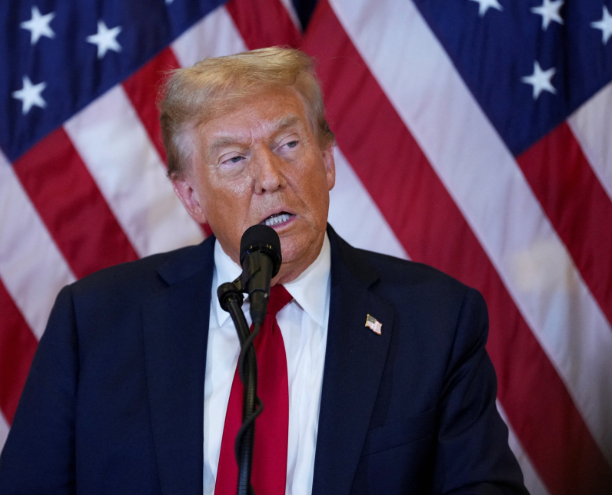
The recent proceedings saw an unusually direct and pointed line of questioning from Justice Sonia Sotomayor, who unequivocally challenged the executive branch’s assertion that tariffs are not a direct tax burden on American citizens. Her blunt declaration, “That’s exactly what they are!” cut to the core of the government’s argument, suggesting a fundamental disagreement over the nature and impact of these import duties. This isn’t merely a semantic dispute; it’s a constitutional showdown with massive ramifications for economic stability, consumer spending, and the legislative branch’s historical role in taxation.
The Foundational Argument: Are Tariffs Taxes?
At the crux of the Supreme Court’s deliberations is the fundamental question of whether tariffs should be legally classified as taxes. The executive branch’s counsel, representing the prior administration’s stance, argued that these levies constitute “foreign-facing regulation of foreign commerce.” This framing attempts to position tariffs as an instrument of international relations and trade negotiation, distinct from domestic taxation. The implication is that such actions fall squarely within the president’s broad foreign policy powers.
However, Justice Sotomayor, drawing on a deep understanding of constitutional law and economic principles, meticulously dismantled this distinction. From an economic perspective, import duties are inherently borne by domestic consumers and businesses. When a tariff is imposed on goods entering the U.S., the cost is typically passed down the supply chain, ultimately inflating prices for American consumers or eroding the profit margins of American businesses that rely on imported components. This direct financial impact, Sotomayor contended, functions precisely as a tax—a compelled financial contribution to the government from the populace.
Article I, Section 8 of the U.S. Constitution explicitly grants Congress the power “To lay and collect Taxes, Duties, Imposts and Excises.” This clause is central to the principle of legislative oversight over the national purse. Historically, the power of taxation has been a defining prerogative of the legislative branch, designed to ensure that the people, through their elected representatives, have a direct say in how they are taxed. To allow the executive branch to unilaterally impose significant economic tariffs without explicit congressional approval, therefore, could be seen as circumventing this foundational constitutional principle, transforming an executive tool into an unchecked fiscal instrument.
The government’s argument that these are purely “foreign-facing” regulations struggles to reconcile with the observable domestic consumer burden. Whether it’s a direct income tax or an indirect tariff, the financial impact ultimately reverberates through the American economy, affecting household budgets and corporate profitability. The Court’s decision on this definitional point will set a critical precedent for how future administrations can wield trade policy instruments, directly impacting future market stability and economic growth.
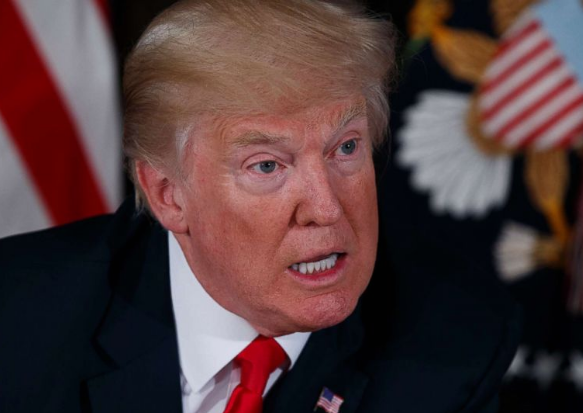
The Major Questions Doctrine and Executive Overreach
Beyond the “tariffs as taxes” debate, the case significantly engages with the Major Questions Doctrine. This administrative law principle dictates that if an executive agency (or, by extension, the President) seeks to decide an issue of vast economic and political significance, it must point to clear congressional authorization for that action. Without such explicit delegation of power from the legislative branch, the action is likely to be deemed an overreach of executive authority.
Justice Sotomayor’s questioning probed the limits of this doctrine, particularly when the executive branch invokes “emergency” powers or leverages existing statutes for purposes arguably far beyond their original intent. Her hypothetical example regarding a previous administration’s attempt to use a climate emergency declaration to justify widespread student loan forgiveness—an area where the Court has already exercised judicial review to block similar executive actions—highlighted the potential for the executive to exploit loopholes if the “foreign-facing” argument were to hold. “Why?” Sotomayor pressed, “It’s foreign-facing. We need all of these things to tax fossil fuel or to do something else. That’s all Biden would have had to do with any of his programs?” This line of inquiry exposed the slippery slope argument: if the executive can rebrand any significant economic intervention as a “foreign-facing regulation,” the separation of powers could be severely eroded, leading to a significant accretion of power in the Oval Office.
Justice Neil Gorsuch, known for his commitment to textualism and originalism, echoed these concerns, warning of a “one-way ratchet toward the gradual but continual accretion of power in the executive branch and away from the people’s elected representatives.” His comments underscore a broader concern shared by justices across the ideological spectrum regarding the constitutional balance. The issue isn’t simply about tariffs; it’s about safeguarding the checks and balances integral to American governance. A ruling that gives undue latitude to the executive branch could embolden future presidents to enact sweeping policies, bypassing traditional legislative processes, with potentially destabilizing effects on regulatory compliance and international trade law.
Historical Context and the Evolution of Trade Policy
Understanding the current Supreme Court challenge requires a brief look at the historical context of presidential tariff authority. While Congress retains the primary power over trade, it has, over time, delegated certain authorities to the executive branch, particularly in response to evolving geopolitical and economic landscapes. Key statutes, such as Section 232 of the Trade Expansion Act of 1962 and the International Emergency Economic Powers Act (IEEPA), grant presidents the ability to impose trade restrictions under specific circumstances, typically related to national security or declared emergencies.
However, the application of these statutes by the previous administration to impose tariffs on a wide range of goods, often citing national security justifications that critics argued were tenuous, pushed the boundaries of these delegated powers. For instance, the imposition of economic tariffs on steel and aluminum imports, which significantly impacted domestic industries and supply chain resilience, raised questions about whether such broad actions could genuinely be considered “national security” measures or if they were primarily protectionist policies aimed at reshaping global trade policy.
Prior administrations have utilized tariffs as strategic tools in specific trade disputes or as part of broader foreign policy objectives. However, the scale and scope of the tariffs under review represented a significant departure, leading to retaliatory tariffs from other nations and contributing to increased inflation impact on American goods. This precedent raised alarms about the potential for presidents to circumvent the legislative process for significant economic policy changes, thereby eroding congressional delegation principles and the intricate balance of power. The Supreme Court’s decision will clarify the precise scope of these federal statutes and establish new benchmarks for constitutional interpretation in the realm of trade.
Economic Realities and Global Trade Implications
The practical economic ramifications of tariffs extend far beyond legal theory. When import duties are imposed, they directly increase the cost of goods for American businesses and consumers. Companies importing raw materials or components face higher input costs, which are either absorbed, impacting corporate profitability, or passed on, raising retail prices. This can lead to decreased consumer spending and contribute to broader economic slowdowns.
The tariffs under review, for instance, were widely cited as a factor in disrupting supply chain resilience, forcing businesses to re-evaluate their sourcing strategies and leading to increased operational costs. This uncertainty in the global manufacturing sector can deter investment climate and stifle innovation. Furthermore, retaliatory tariffs from trading partners can severely harm American exporters, limiting their access to foreign markets and impacting job growth in sectors reliant on international trade.
The debate over protectionist policies versus free trade agreements is perennial, but the legal challenge at the Supreme Court is less about the wisdom of trade strategies and more about who has the constitutional authority to implement them. A robust system of checks and balances ensures that such impactful decisions are made through a deliberative process involving all branches of government, allowing for a more comprehensive assessment of economic consequences and national priorities. The Court’s ruling will inevitably send a strong signal to financial markets about the future predictability of American trade policy, influencing everything from currency values to long-term business strategy.
The Future Landscape: Post-Ruling Scenarios
The Supreme Court’s decision on presidential tariff authority carries immense weight, with several potential outcomes, each with distinct implications for the American political and economic landscape.
Should the Court strike down the executive branch’s broad power to impose tariffs without explicit congressional authorization, it would represent a significant reassertion of legislative oversight and the separation of powers. This outcome would reinforce the principle that the power to tax, in any form that significantly burdens the American populace, rests firmly with Congress. Future administrations would likely need to seek clear legislative mandates for any expansive tariff actions, fostering greater predictability in global trade policy and potentially encouraging a more collaborative approach to trade disputes. This could be seen as a win for constitutionalists and for businesses seeking greater market stability and a clear framework for regulatory compliance.
Conversely, if the Court were to largely uphold the executive’s interpretation of its tariff powers, it could empower future presidents to wield tariffs as a powerful and unilateral tool, potentially in areas extending beyond traditional trade disputes. This would solidify the expansion of executive branch authority, allowing for swift and decisive action in trade matters but potentially at the cost of democratic accountability and constitutional law principles. Such a ruling might lead to increased risk management considerations for multinational corporations and a less predictable investment climate.
Regardless of the specific verdict, the Supreme Court’s engagement with this issue underscores its critical role in defining the contours of executive power in the 21st century. The clarity (or lack thereof) provided by the ruling will shape the legal environment for international trade law and the strategic choices of future administrations regarding economic tariffs. It will directly impact the ongoing debate about the appropriate balance between presidential flexibility in foreign affairs and Congress’s constitutional prerogatives.
Conclusion
The Supreme Court’s examination of presidential tariff authority is far more than a technical legal proceeding; it is a defining moment for the fundamental principles of American governance. Justice Sotomayor’s incisive questioning, backed by Justice Gorsuch’s concern for executive overreach, highlights the profound implications for both the balance of power and the everyday economic realities faced by Americans.
At its core, the case asks: Who ultimately holds the power to impose financial burdens on the American people through trade policy? Is it the President, acting swiftly in the name of foreign policy, or is it Congress, through its deliberative process, representing the direct will of the people? The Court’s imminent decision will not only clarify the constitutional limits of executive authority but will also have a lasting impact on how the United States engages with global trade, affecting economic growth, consumer burden, and the very fabric of its constitutional framework for years to come.