
Navigating the Modern Housing Landscape: An Expert’s Guide to Condos, Apartments, and Townhouses in 2025
As a seasoned professional with over a decade immersed in the dynamic world of residential real estate, I’ve witnessed firsthand the evolving priorities and complexities facing homebuyers and renters alike. The decision of where to live—and what type of property best suits your lifestyle and financial aspirations—is more nuanced than ever. While many perceive condominiums, apartments, and townhouses as interchangeable options, their fundamental differences are profound, impacting everything from ownership rights and financial obligations to daily living and long-term investment potential.
In today’s market, characterized by fluctuating interest rates, shifting urban development, and a renewed focus on convenience and community, understanding these distinctions is paramount. This comprehensive guide, informed by current market trends and a forward-looking perspective into 2025, aims to equip you with the insights needed to make an informed, confident choice. We’ll delve deep into the mechanics, benefits, and considerations of each property type, providing the clarity essential for your next move in the competitive real estate landscape.
Decoding the Condominium: Ownership, Lifestyle, and Investment Nuances
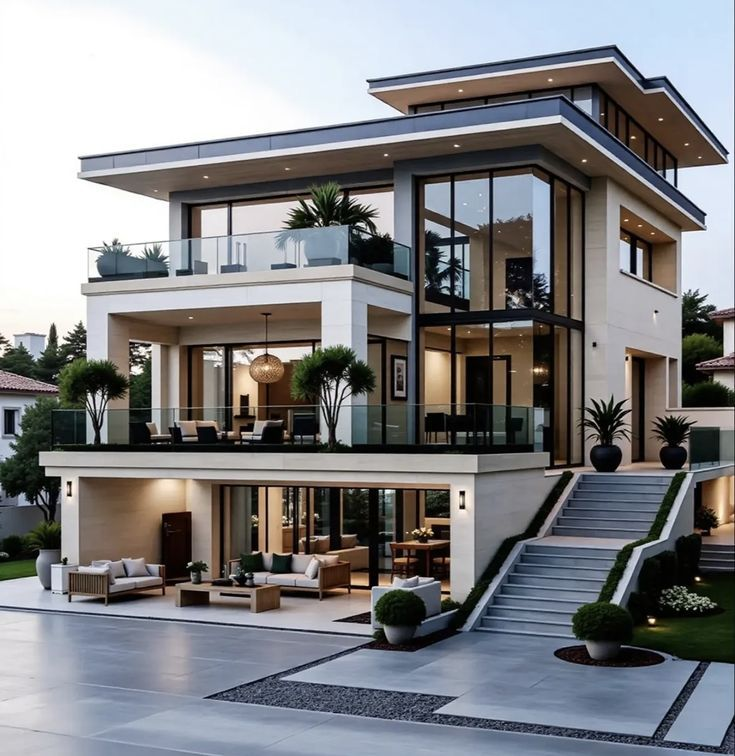
At its core, a condominium (often shortened to “condo”) represents a distinct form of homeownership. When you purchase a condo, you acquire sole ownership of a specific unit within a larger multi-unit building or complex. This individual ownership extends to the interior walls, floor, and ceiling of your unit, while common areas—such as lobbies, hallways, gyms, pools, and often the building’s exterior and land—are jointly owned and managed by all unit owners through a homeowners’ association (HOA). The genesis of the modern condo in the U.S. traces back to the early 1960s, and its appeal has only grown, particularly among first-time homebuyers, empty nesters, and those seeking a low-maintenance lifestyle in desirable locations.
The structure of condo ownership necessitates adherence to a robust set of rules and regulations, commonly detailed in Covenants, Conditions, and Restrictions (CC&Rs). These documents outline everything from architectural guidelines and pet policies to noise restrictions and the permissible ages of residents in specialized communities. As an industry expert, I cannot stress enough the importance of thoroughly reviewing these CC&Rs during your due diligence. Disregard for these regulations can lead to fines or legal disputes, impacting your overall living experience and the long-term value of your real estate investment.
Navigating Condo Fees and Financial Health:
A significant financial component of condominium living is the monthly HOA fee. These fees are your proportional contribution to the operational costs of the entire property, covering essential services like landscaping, common area utilities, security, trash removal, and professional property management services. The average range of $100 to $700 per month can climb significantly higher in complexes offering luxury amenities such as Olympic-sized pools, state-of-the-art fitness centers, concierge services, or private spa facilities, where fees might reach several thousand dollars.
A crucial aspect often overlooked by prospective buyers is the composition of these fees. A substantial portion goes into a “reserve fund,” earmarked for major capital expenditures like roof replacements, elevator modernizations, or structural repairs. Recent events, particularly in regions like Florida and California, have highlighted the vulnerability of underfunded reserve accounts. Rising insurance premiums due to climate-related risks have also put upward pressure on HOA fees, leading to significant increases in some communities. It is absolutely vital to scrutinize the HOA’s financial statements, including reserve studies, to assess its solvency and avoid unpleasant surprises down the line. A financially healthy HOA is a hallmark of a sound real estate investment strategy.
Beyond regular fees, special assessments can arise. These are additional, often one-time, charges levied against owners when the reserve fund is insufficient to cover unforeseen major repairs or capital improvements. While a well-managed HOA strives to anticipate these needs, a special assessment can represent a substantial financial burden. My advice to anyone exploring a condo purchase: thoroughly investigate the HOA’s financial history for previous special assessments and understand the current state of their reserves. This due diligence is a critical component of assessing the true cost of condo ownership.
It’s also important to remember that property taxes are separate from HOA fees. As a homeowner, you are individually responsible for property tax payments on your unit, a factor to include in your overall affordability calculations.
The Apartment: Flexibility and Convenience of Rental Living
In stark contrast to a condominium, an apartment is a rental property. While visually similar to condos—often located within the same type of multi-unit buildings—the fundamental difference lies in ownership. When you reside in an apartment, you are a tenant, not an owner. Your relationship is with a landlord or property management company, who owns the unit and the building. This distinction dictates a vastly different set of financial responsibilities, lifestyle implications, and legal frameworks.
The primary appeal of apartment living, particularly in 2025, centers around flexibility and a significantly reduced maintenance burden. Renters typically sign lease agreements, which offer a defined period of occupancy, ranging from several months to a year or more. This makes apartments an ideal choice for individuals or families who anticipate geographical mobility, those testing a new city, or anyone not yet ready to commit to the long-term financial obligations of homeownership.
Maintenance, Costs, and Limitations:
For apartment dwellers, external and internal maintenance and repairs are almost entirely the landlord’s responsibility. From a leaky faucet to a malfunctioning HVAC system, the burden of upkeep falls on the property owner, not the tenant. This translates to a worry-free living experience where your primary obligation is to pay rent on time and adhere to the terms of your lease. This can be a significant advantage for busy professionals or those who simply prefer not to deal with home repairs.
The upfront costs associated with renting an apartment are typically lower than buying a condo. While you’ll usually need to cover the first month’s rent, a security deposit (often equivalent to one month’s rent), and potentially the last month’s rent, this is generally less than the substantial down payment required for a mortgage on a purchased property. However, it’s essential to perform a robust rent vs. buy analysis, as monthly rental costs in high-demand urban markets can sometimes rival or even exceed potential mortgage payments on a condo, depending on interest rates and property values.
A key limitation of apartment living is the lack of equity building. Every rent payment contributes to your landlord’s wealth, not your own. While you gain flexibility and convenience, you forgo the opportunity to accumulate real estate equity, a cornerstone of wealth building for many Americans. Furthermore, personalizing your living space is often restricted. Major renovations are typically prohibited, and even minor alterations like painting walls may require landlord permission. For those seeking complete autonomy over their living environment, this can be a considerable drawback.
The Townhouse: Blending Single-Family Perks with Community Living
The townhouse occupies a unique position in the residential spectrum, bridging the gap between single-family homes and multi-unit dwellings like condos and apartments. A townhouse is typically a multi-story home that shares one or more walls with neighboring units but boasts its own private entrance and often a small, dedicated outdoor space or yard. Unlike a condo, which entails ownership only of the interior unit, a townhouse usually includes ownership of the land directly beneath the structure. This distinction is crucial for understanding the responsibilities and benefits.
Townhouses are a popular choice for those desiring more space, privacy, and a more traditional “home” feel without the higher price point or extensive maintenance demands often associated with a detached single-family residence. They frequently feature multiple levels, offering distinct living zones, and are commonly found in vibrant urban centers and expanding suburban communities. For families, pet owners, or individuals who appreciate a dedicated outdoor area, a townhouse offers an appealing compromise.
Ownership Responsibilities and Community Structure:
With townhouse ownership comes direct responsibility for the exterior maintenance of your unit, including the roof, exterior walls, and your private yard. This contrasts with a condo where the HOA handles most exterior upkeep. However, many townhouse communities also have an HOA or similar association that manages common areas like shared driveways, community parks, or recreation facilities. These HOAs typically have lower fees than condo associations because individual owners bear more direct maintenance responsibilities for their specific unit. Nonetheless, a thorough review of the HOA documents is still advisable to understand shared expenses and community regulations.
The ability to build equity is a significant advantage of townhouse ownership, similar to a condo or a single-family home. As you pay down your mortgage and property values appreciate, you accumulate ownership stake in your asset. Furthermore, the greater degree of control over your property—including exterior modifications (within HOA guidelines) and landscaping choices for your private yard—appeals to those who value customization and a sense of individual dominion over their living space.
Townhouses often strike an excellent balance between communal living and individual privacy. While sharing walls means some proximity to neighbors, the private entrance and dedicated outdoor space provide a greater sense of autonomy than a typical condo unit. For those seeking the perks of a house—such as more square footage, multiple levels, and outdoor access—but within a potentially more affordable and community-oriented setting, a townhouse presents a compelling option.
Making Your Choice: Condo vs. Apartment vs. Townhouse – An Expert’s Perspective
Deciding between a condo vs. apartment vs. townhouse requires a thorough assessment of your personal priorities, financial capacity, and long-term goals. There’s no single “best” option; rather, it’s about aligning the property type with your unique circumstances in the evolving 2025 market.
When to Choose an Apartment (Rental):
Flexibility is Key: If you’re new to an area, planning a short-term stay, or uncertain about your long-term residency, the limited commitment of a lease is invaluable.
Minimal Maintenance Preference: You prefer to offload all property maintenance and repair responsibilities to a landlord.
Lower Upfront Costs: Ideal if you have limited capital for a down payment or closing costs.
Budgeting Predictability: Your monthly housing cost (rent) is generally fixed, making financial planning straightforward.
Convenience: Many apartment complexes offer onsite amenities and services without the ownership obligations.
When to Choose a Condo (Ownership):
Building Equity: You desire to own real estate, build equity over time, and potentially see your investment appreciate.
Low-Maintenance Ownership: You want the benefits of homeownership without the extensive exterior maintenance typically associated with a detached house.
Access to Amenities: You value shared amenities like pools, gyms, or clubhouses without the personal cost and responsibility of maintaining them.
Community Lifestyle: You appreciate being part of an organized community with shared facilities and a sense of collective responsibility for the property.
Urban/Suburban Access: Condos are often strategically located in dense urban areas or highly sought-after suburban corridors, offering convenient access to work, entertainment, and services. They can be particularly attractive as luxury condos for sale in premium locations.
When to Choose a Townhouse (Ownership):
More Space & Privacy: You need more square footage than a typical condo or apartment, often across multiple levels, and desire more privacy.
Outdoor Space: You want a private yard or outdoor area for gardening, entertaining, or pets, but without the extensive demands of a large single-family lot.
Home-Like Feel: You prefer the aesthetics and functional layout closer to a detached home, including a private entrance and often an attached garage.
Equity Building with Moderate Maintenance: You want to own property and build equity, understanding you’ll have more direct maintenance responsibilities than a condo owner but less than a traditional homeowner.
Value Proposition: Often a more affordable entry point into homeownership than a detached single-family home, particularly in competitive markets, offering solid appreciation potential real estate.
Strategic Steps for Condo & Townhouse Buyers in 2025
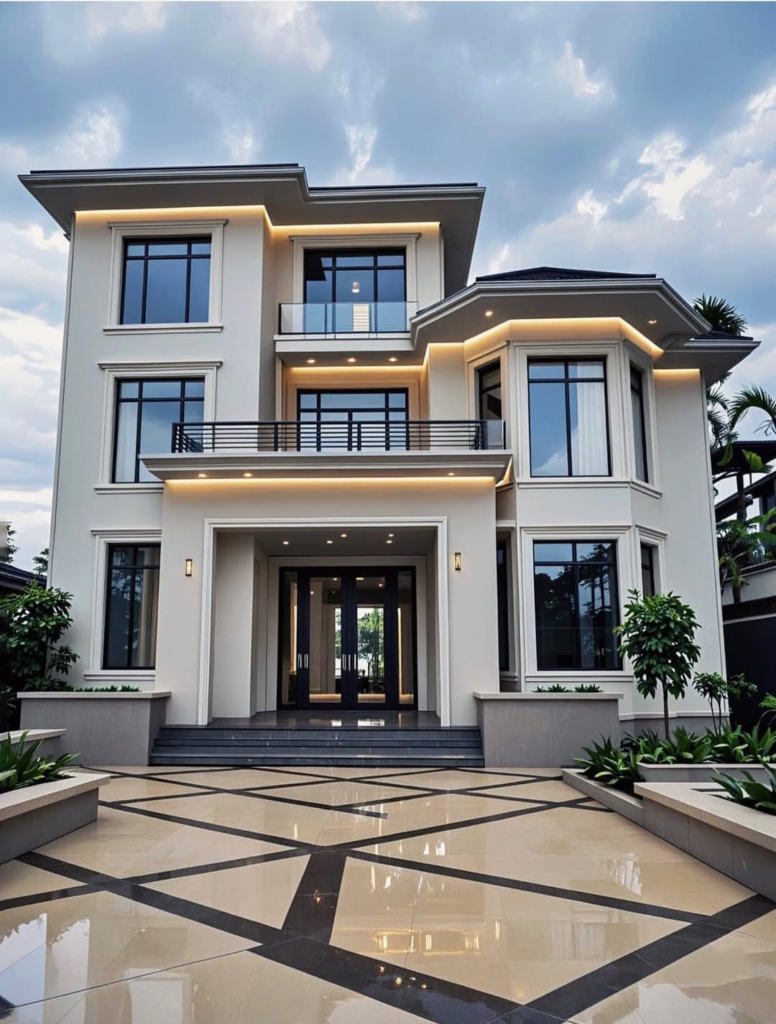
For those leaning towards ownership, whether a condo or a townhouse, the acquisition process has specific considerations that diverge from buying a traditional detached house. As an expert, I emphasize diligence in these areas:
Immerse Yourself in the Environment: Unlike a detached home, you will share walls (and potentially ceilings/floors). Schedule visits during peak activity times—evenings, weekends—to gauge noise levels. Engage with current residents to ask candid questions about community dynamics, external noise (traffic, commercial activity), and neighborly sounds. End units or top-floor units typically offer more tranquility but come at a premium, a cost potentially well spent if noise sensitivity is a concern.
Scrutinize the Association (HOA/COA) and Its Documents: This is arguably the most critical step. You are not just buying a unit; you are buying into a community and its governance.
Review the CC&Rs: Understand the rules regarding pets, parking, rentals, architectural changes, and age restrictions. Are these compatible with your lifestyle? Most states offer a rescission period to review these documents, allowing you to withdraw from the purchase if the rules are prohibitive.
Assess Financial Health: Demand comprehensive financial statements, including budgets, reserve studies, and meeting minutes. Look for adequate reserve funding, a history of special assessments, and any outstanding litigation. A healthy reserve fund is crucial for long-term stability and influences a lender’s willingness to finance. This directly relates to the concept of wealth building through real estate.
Understand Governance: Who is on the board? What are their qualifications? What is the decision-making process? A well-run board contributes significantly to property value and quality of life.
Secure Specialized Financing: Obtaining a mortgage for a condo or townhouse can sometimes be more intricate than for a single-family home. Lenders will not only evaluate your personal financial health but also conduct an extensive review of the entire development and its association. Factors like the percentage of owner-occupied units, the presence of investor-owned units, the concentration of ownership by a single entity, and the financial stability of the HOA (especially its reserve fund) can all influence loan eligibility and terms. Federal Housing Administration (FHA) and Veterans Affairs (VA) loans, for instance, have specific approval requirements for entire condo projects, which can impact your financing options. Working with a lender experienced in investment property financing or multi-unit dwellings is highly recommended.
Looking Ahead: 2025 Market Dynamics and Emerging Trends
As we look towards 2025, several trends are shaping the future of condos, apartments, and townhouses:
Sustainability and Smart Living: Eco-friendly features and integrated smart home technology are becoming standard expectations, influencing property values and appeal, particularly in sustainable living communities.
Work-from-Home Impact: The lasting effects of remote work continue to drive demand for properties with dedicated home office spaces, better internet infrastructure, and access to green spaces, influencing the design of new units.
Community-Centric Design: Developers are increasingly focusing on creating vibrant, walkable communities with shared social spaces, appealing to a desire for connection.
Affordability Challenges: With continued interest rate fluctuations and strong demand, especially in major metropolitan areas, affordability remains a significant challenge. This emphasizes the need for a savvy approach to finding the right real estate portfolio diversification strategy and exploring all available financing avenues.
In conclusion, the journey to finding your ideal home is a deeply personal one, intricately woven with financial aspirations, lifestyle preferences, and a discerning eye for detail. Whether you’re drawn to the vibrant community and minimal exterior maintenance of a condo, the flexible and hassle-free nature of an apartment, or the blend of space and autonomy offered by a townhouse, each property type presents a distinct proposition.
My decade of experience has taught me that true satisfaction in residential real estate comes from making an informed decision, grounded in thorough research and a clear understanding of what you’re truly investing in. Don’t rush the process. Ask the hard questions, scrutinize the details, and align your choice with your long-term vision.
Ready to explore which property type best aligns with your goals in the current market? Connect with a trusted real estate advisor today to navigate your options and embark on your journey to finding the perfect place to call home.