
House vs. Apartment: Making the Right Homeownership Choice in 2025
The American dream of homeownership, while enduring, has evolved significantly as we navigate the mid-2020s. For many aspiring homeowners, the initial fork in the road presents a fundamental question: should I buy a house or an apartment (often referred to as a condo when individually owned)? This isn’t merely a matter of preference; it’s a profound financial and lifestyle decision shaped by market dynamics, personal aspirations, and future goals. With ten years of experience navigating the complexities of the real estate market, I can tell you that the “right” choice is rarely clear-cut and almost always highly personal.

In 2025, the real estate landscape continues to be influenced by shifting interest rates, evolving inventory, and changing demographics. Urban centers are seeing renewed interest, while suburban areas maintain their appeal for families seeking space. Understanding the nuances of single-family homes versus multi-unit dwellings is more critical than ever. Let’s dissect the core advantages and disadvantages of each, helping you chart a confident course toward your next home.
The Enduring Appeal of the Single-Family Home: Space, Freedom, and Equity
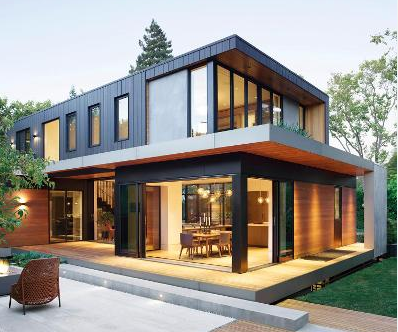
For generations, the detached house with its own yard has been the quintessential symbol of American homeownership. It offers a promise of independence, space, and a tangible asset.
Pros of Owning a House:
Unparalleled Space and Customization: This is often the primary draw. A house typically provides significantly more square footage than an apartment, encompassing multiple bedrooms, bathrooms, living areas, and often a dedicated home office – a feature increasingly vital in our hybrid work era. Beyond the interior, you gain a private yard, offering opportunities for gardening, outdoor entertaining, or simply a safe space for children and pets to play. Crucially, owning a house grants you almost complete autonomy to customize and renovate. Want to add a deck, remodel the kitchen, or finish the basement? Within local zoning laws and permit requirements, the decision is yours, allowing you to tailor your living environment precisely to your taste and needs. This level of personalization is a major component of building a true “dream home.”
Enhanced Privacy and Independence: Say goodbye to shared walls, ceilings, and floors. In a single-family home, your living space is yours alone, offering a level of privacy that multi-unit dwellings simply cannot match. This translates to less noise from neighbors, fewer communal rules to follow, and the freedom to live exactly as you please without constant consideration for those next door. You control your environment, from landscaping choices to party noise levels (within reason, of course). This independence extends to your property decisions; you’re not beholden to a homeowner’s association (HOA) board for major exterior changes or renovations.
Stronger Long-Term Investment Potential and Wealth Building: Historically, single-family homes have demonstrated robust appreciation, often outperforming apartments over the long term, particularly in growing markets. A significant factor here is land value; when you buy a house, you own the land it sits on, a finite and appreciating asset. This tangible asset provides a solid foundation for building equity and long-term wealth. Furthermore, the ability to make substantial improvements and additions to your home can directly increase its market value, offering a greater potential return on investment. As a long-term asset, a house can serve as a cornerstone of your financial portfolio, potentially being passed down through generations or providing significant capital gains upon sale. Real estate investment strategies often favor single-family homes for their consistent appreciation and versatility.
Family-Friendly Environment: For families with children or pets, a house often provides an ideal setting. The extra bedrooms accommodate growing families, and the yard offers a safe, private outdoor space for play and exploration. Houses in suburban areas often come with access to highly-rated public school districts, which can be a primary motivator for many families. The sense of community in a neighborhood of single-family homes can also be a significant advantage, fostering connections and a supportive environment for raising children.
Cons of Owning a House:
Higher Initial Costs and Ongoing Financial Burdens: While an apartment may require a significant down payment, houses generally demand a larger upfront investment. Beyond the purchase price, you’ll face higher closing costs, potentially higher property taxes (which can vary wildly by state and county), and typically more expensive homeowner’s insurance premiums due to the larger structure and land. Furthermore, utility bills for a larger home can be substantially higher, particularly for heating and cooling, which remain critical considerations in 2025 with fluctuating energy costs. Understanding your full monthly housing costs (PITI – Principal, Interest, Taxes, Insurance) is crucial.
Extensive Maintenance Responsibilities and Costs: This is arguably the biggest drawback for many homeowners. When you own a house, you are solely responsible for everything. From routine landscaping and gutter cleaning to major repairs like roof replacement, HVAC system malfunctions, or plumbing issues, the buck stops with you. These tasks require not only significant time and effort but also considerable financial outlays. Unexpected repairs can arise at any moment, necessitating a robust emergency fund. Many homeowners underestimate the ongoing costs associated with maintenance, which can easily add thousands of dollars annually to their budget.
Location and Commute Trade-offs: Single-family homes, especially those with larger yards, are often located further from dense urban centers. This can mean longer commute times to work, less convenient access to public transportation, and a greater reliance on personal vehicles. While some prefer the peace of a suburban or rural setting, others may find the isolation and increased travel time to amenities, cultural events, and restaurants to be a significant inconvenience.
Perceived Security and Isolation: While privacy is a pro, a detached home can sometimes feel more vulnerable to theft or break-ins compared to a multi-unit building with shared security systems and concierges. Additionally, neighbors may be less visible or accessible, which can lead to a sense of isolation for some individuals or families.
The Modern Appeal of Apartment Living: Convenience, Community, and Urban Access
Apartments (or condos, which are individually owned units within a larger building) have surged in popularity, particularly in urban areas and among younger generations, as well as empty nesters seeking a more streamlined lifestyle.
Pros of Owning an Apartment/Condo:
Greater Affordability and Lower Entry Point: Generally, purchasing an apartment or condo requires a lower purchase price compared to a single-family home in the same desirable area. This translates to a smaller down payment and potentially more manageable mortgage rates, making homeownership more accessible, especially for first-time home buyers. Property taxes can also be lower, as they are assessed on the individual unit rather than the entire land parcel.
Unbeatable Convenience and Prime Locations: Apartments are typically situated in or very close to vibrant urban centers, putting residents within walking distance of shops, restaurants, entertainment venues, and public transportation hubs. This lifestyle offers unparalleled convenience, reducing reliance on cars and providing immediate access to a bustling social and cultural scene. For those who value a dynamic, walkable environment, apartment living is highly attractive.
Minimal Maintenance and “Lock-and-Leave” Lifestyle: This is a major selling point. As an apartment owner, you are generally responsible only for the interior of your unit. The exterior of the building, common areas (like lobbies, hallways, gyms, pools), and landscaping are maintained by the building’s management, funded through condo association fees (HOA fees). This dramatically reduces your personal time commitment to chores and eliminates unexpected, costly exterior repairs. For individuals with busy careers, frequent travelers, or those who simply prefer not to deal with home maintenance, the “lock-and-leave” lifestyle of a condo is invaluable.
Access to Amenities and Enhanced Security: Many modern apartment complexes boast an impressive array of amenities that would be prohibitively expensive for a single homeowner. These can include state-of-the-art fitness centers, swimming pools, communal rooftop gardens, business centers, concierge services, and even pet spas. Beyond luxury, apartment buildings often offer superior security features, such as controlled access, doormen, and surveillance systems, providing residents with peace of mind. The proximity of neighbors also adds an extra layer of communal security.
Energy Efficiency and Smaller Environmental Footprint: Due to their smaller footprint and shared walls, apartments are generally more energy-efficient than detached houses. They require less energy for heating and cooling, leading to lower utility bills and a reduced carbon footprint. For environmentally conscious buyers, this aspect can be a significant draw, aligning with sustainable living principles.
Cons of Owning an Apartment/Condo:
Limited Space and Customization Restrictions: The trade-off for urban convenience is often less personal space. Apartments typically have smaller living areas, fewer storage options, and limited or no private outdoor space. This can be a significant constraint for families, individuals with extensive hobbies, or those who simply desire more room to spread out. Furthermore, your ability to customize is often restricted by HOA rules. While you can typically personalize the interior, major structural changes or even exterior modifications (like painting your door or installing certain window treatments) often require board approval, which can limit your creative freedom.
Less Privacy and Autonomy (HOA Rules): Shared walls mean a higher likelihood of noise transfer from neighbors, which can be a source of frustration. Your lifestyle choices may also be governed by the HOA’s rules and regulations, which can cover everything from pet policies and rental restrictions to parking, guest access, and even holiday decorations. While HOAs serve to maintain property values and communal harmony, they can feel restrictive and lead to disputes among residents or with the board. Special assessments for unexpected building repairs or upgrades can also be levied, adding unforeseen costs.
Potentially Slower Appreciation and HOA Fee Impact: While apartments can appreciate, their growth might be slower than that of single-family homes, especially since you don’t own the land. The value of your unit is tied closely to the overall building and the performance of the local housing market. Furthermore, HOA fees, while covering maintenance, can increase over time and impact your overall cost of ownership, potentially eroding your investment returns. These fees are a non-recoverable expense and must be factored into your financial calculations. Resale value can also be affected by a poorly managed HOA or unusually high fees.
Interdependence and Potential for Conflict: Living in close proximity to many others means a higher degree of interdependence. Decisions made by the HOA board impact everyone, and disagreements over rules, finances, or neighbor conduct can arise. While a strong community can be a positive, conflicts within a condo association can be stressful and difficult to resolve, potentially affecting your living experience.
Key Decision Factors for Your 2025 Home Search
As you weigh these pros and cons, consider these critical factors that should guide your decision-making process in the current market:
Budget and Financial Goals: Beyond the initial purchase price, realistically assess your ability to afford ongoing costs. Factor in not just mortgage payments, but also property taxes, insurance, utilities, and either condo association fees or a significant buffer for home maintenance. Are you focused on maximizing home equity and long-term real estate investment potential, or is a lower monthly outlay a higher priority? Consider current mortgage rates 2025 and how they impact your affordability.
Lifestyle and Future Plans: Are you single, a couple, or planning to grow a family? Do you have pets that need space? How important is outdoor living? How much time are you willing to dedicate to home maintenance? Your answers here will heavily lean you toward one option. Think 5-10 years down the line: will this property still suit your needs?
Location, Location, Location: This timeless real estate mantra remains paramount. Do you crave the vibrancy of urban living with walkable amenities, or do you prefer the peace, space, and potential for a stronger school district found in the suburbs or rural areas? Your work commute, social life, and access to services are all heavily influenced by your chosen location.
Maintenance Tolerance: Are you a DIY enthusiast who enjoys fixing things and gardening, or do you prefer a hands-off approach where maintenance is handled for you? Your personality and available free time play a significant role here.
Privacy vs. Community: How much interaction do you desire with your neighbors? Are you comfortable with shared spaces and communal rules, or do you prioritize complete autonomy and solitude?
Navigating the 2025 Real Estate Market
Regardless of whether you choose a house or an apartment, the 2025 real estate market requires informed decision-making. Keep an eye on fluctuating interest rates, regional inventory levels, and local economic indicators. Working with a knowledgeable real estate agent who understands your local market is crucial. They can help you pre-qualify for mortgages, navigate first-time home buyer programs, understand property appreciation trends in specific neighborhoods, and negotiate the best possible terms. If you’re considering a condo, they can also help you scrutinize HOA financial health and bylaws.
Making Your Informed Decision
There is no universal “right” answer when choosing between a house and an apartment. Both offer distinct advantages and disadvantages, and the ideal choice is deeply personal. It hinges on a thoughtful evaluation of your financial capacity, lifestyle preferences, long-term goals, and tolerance for responsibility. By thoroughly weighing these factors and understanding the nuances of the 2025 real estate landscape, you can make a confident and rewarding homeownership decision that aligns perfectly with your vision for the future.