
Renting a House vs. Apartment: Navigating Your Best Housing Decision in 2025
As an industry professional with a decade immersed in the residential real estate sector, I’ve guided countless individuals and families through the crucial decision of where to call home. The question of whether to choose a single-family rental house or an apartment in a multi-unit dwelling is a recurring theme, and for good reason. Both offer distinct advantages and disadvantages, and the “better” choice is deeply personal, contingent on your lifestyle, financial standing, and priorities. With rental market dynamics evolving, understanding these nuances is more critical than ever. Let’s delve into a comprehensive analysis of renting a house versus an apartment, providing the insights you need to make an informed choice in today’s dynamic rental landscape.
The Allure of Apartment Living: Affordability, Convenience, and Community
For many renters, the primary driver toward apartment living is its inherent affordability. Data consistently shows that apartments for rent typically command lower monthly rental rates than single-family homes. In 2024, the average rent for a single-family home across the United States hovered around $2,170, while apartments often came in at approximately $1,810. This significant difference can free up substantial capital for other financial goals, from saving for a down payment on a future home to investing or simply enjoying more discretionary income. The flexibility extends beyond the base rent; apartments are available in a spectrum of sizes, from cozy studios to spacious three-bedroom units. Naturally, a smaller footprint generally translates to a lower rental cost, allowing renters to tailor their living space to their budget and needs without compromising too much on location.
Beyond the financial aspect, the convenience of apartment maintenance services is a major draw. A leaky faucet, a malfunctioning air conditioner, or any other household issue is typically handled by the landlord or property management team. This eliminates the stress, time, and potential expense of DIY repairs, which can be a considerable burden for those less inclined or equipped for home maintenance. In many multi-unit buildings, dedicated maintenance staff may even reside on-site, ensuring prompt attention to urgent matters, often 24/7. This peace of mind, knowing that common issues will be addressed swiftly, is invaluable.
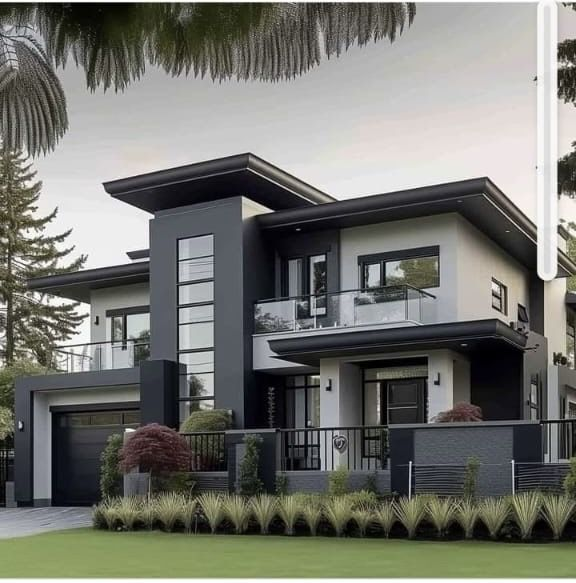
Location is another significant advantage for apartment dwellers. Apartment complexes, particularly in urban and suburban hubs, are strategically situated to offer unparalleled access to amenities and services. Think vibrant dining scenes, diverse retail options, efficient public transportation networks, serene parks, and bustling community centers – all within easy reach. This proximity simplifies daily errands, enhances leisure activities, and often fosters a more connected lifestyle. The inherent density of apartment living also creates natural opportunities for social interaction. Many buildings feature communal spaces like lounges, fitness centers, or even game rooms, designed to encourage resident engagement and build a sense of community. Some even boast unique amenities such as on-site dog parks, fostering connections among pet owners and their furry companions. This social aspect can be particularly appealing for individuals relocating to a new city or those seeking a more interconnected living experience.
Finally, secure apartment rentals often provide an elevated level of security. Features such as controlled access with key fobs or security codes, well-lit common areas, and on-site security personnel are increasingly standard. Many complexes also offer secured mailrooms and gated parking, further enhancing residents’ peace of mind. This layered security approach can be especially attractive to individuals and families prioritizing safety and a sense of protection.
The Trade-offs of Apartment Living: Space, Noise, and Restrictions
Despite these compelling advantages, renting an apartment isn’t without its drawbacks. The most apparent is the inherent limitation in space. Apartments, by their nature, tend to be more compact than single-family homes. This can mean less interior living area and, crucially, significantly reduced private outdoor space. For families with children or pet owners, especially those with larger breeds, a cramped balcony or the necessity of sharing communal outdoor areas might not suffice. Furthermore, limited storage options, such as the absence of basements or attics, can necessitate a more minimalist approach to possessions, requiring residents to declutter and carefully manage their belongings.
The proximity inherent in apartment buildings also leads to a common complaint: noise in apartment rentals. Living in close quarters means you’re likely to hear your neighbors – their television, their conversations, their children playing, or their late-night gatherings. Conversely, you may feel more constrained in your own activities, needing to be mindful of disturbing others and adhering to strict quiet hours. This shared sonic environment can be a source of significant stress and compromise for many.
Pet-friendly apartment policies can also present challenges. Many apartment complexes have stringent rules regarding pet ownership, including limitations on breed, size, and the number of pets allowed. This can be a major hurdle for renters with established pets who may not fit these criteria. Additionally, “pet rent” – an additional monthly fee for each animal – can add a substantial cost to an already tight budget. While finding a suitable apartment for your entire family, including furry members, is possible, it often requires more diligent searching and may involve compromise.
Finally, apartment living often entails a degree of inflexibility. Beyond the typical restrictions on alterations to the unit (like painting or drilling holes for decor), apartment leases and building rules can be quite prescriptive. This can include specific quiet hours, mandatory use of access codes or key fobs, and potentially more rigid lease termination clauses. While these rules contribute to a predictable living environment, they can feel restrictive for those who desire greater autonomy in personalizing their living space or require more flexibility in their lease agreements due to potential life changes.
The Appeal of Renting a House: Space, Freedom, and Privacy
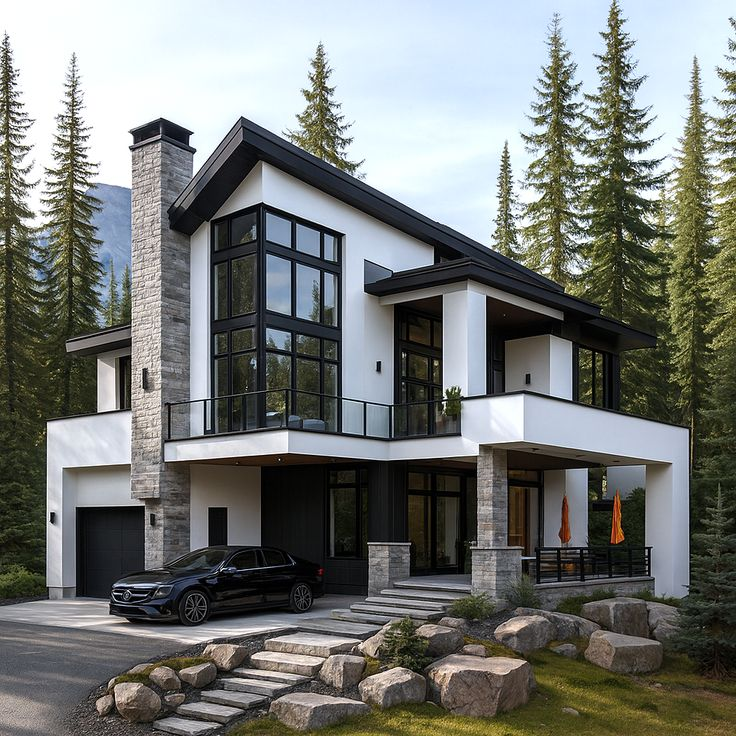
Renting a single-family house offers a distinct set of advantages, often centered around space and autonomy. The most significant draw is the increased square footage. While apartment sizes are generally confined, houses typically provide more expansive living areas, often supplemented by features like basements, attics, and even garages or sheds, offering ample storage and additional functional space. This is a considerable benefit for growing families, individuals with extensive hobbies requiring dedicated space, or simply those who appreciate room to breathe.
Decorating freedom in rental homes is another key differentiator. While landlords will always have certain expectations and restrictions, the nature of a single-family dwelling often allows for more personalization compared to multi-unit apartments, which may have building-wide aesthetic guidelines. Depending on the lease agreement, renters might have more latitude to paint walls, make minor structural changes, or customize their outdoor areas, allowing for a more personalized living experience.
Parking is another practical consideration where houses often shine. While apartment complexes can have limited or competitive parking situations, houses typically include a private driveway, a garage, or at least ample street parking. This eliminates the daily struggle for a parking spot and provides convenient, secure storage for vehicles.
Perhaps one of the most coveted benefits of renting a house is private yard access. Most houses come with their own outdoor space – a front yard, a backyard, or both. This private oasis is ideal for children to play safely, for pet owners to give their animals exercise and fresh air, or for anyone who simply enjoys spending time outdoors. Unlike shared communal green spaces in apartments, a house’s yard is typically exclusively yours, offering a sense of privacy and a dedicated area for recreation and relaxation.
The Considerations for Renting a House: Cost, Uncertainty, and Responsibility
However, the allure of a house comes with its own set of challenges. The most significant is the elevated cost. Rental house prices have seen a steeper increase than apartment rents in recent years, reflecting higher demand and property values. Additionally, security deposits for houses are often considerably higher than for apartments, representing a larger upfront financial commitment. The increased size and amenities of a house naturally contribute to higher rental rates. Furthermore, the limited supply of single-family homes available for rent, coupled with strong demand, can drive up prices. Landlords, facing high homeownership costs, often pass these expenses onto renters through higher monthly payments.
Lease uncertainty can also be a concern when renting a house. Unlike larger apartment complexes managed by professional property management companies, individual homeowners may have different motivations and timelines. There’s a greater possibility that an owner might decide to sell the property, move a family member in, or reclaim the home for personal use, leading to an unexpected termination of your lease. While a solid lease agreement can offer some protection, the inherent nature of dealing with an individual owner introduces a degree of unpredictability not typically found in managed multi-unit buildings.
The potential for increased responsibility for maintenance and upkeep is another factor. While many leases stipulate landlord responsibilities, renting a larger house can mean more space to furnish and maintain. Depending on the lease terms, renters might be responsible for yard work, snow removal, and other exterior maintenance tasks in addition to interior upkeep. This adds another layer of responsibility and potential expense, unless a furnished rental option is secured.
Finally, the rental process for a house might be less formalized. While large apartment complexes often have standardized application processes and lease agreements, dealing with an individual homeowner could mean a more informal approach. This can require renters to be more diligent in ensuring all terms, deposits, and agreements are clearly documented in writing, rather than relying on verbal understandings, to avoid future disputes.
Making Your Informed Rental Decision
Ultimately, the decision between renting a house and an apartment hinges on your individual circumstances and priorities in 2025. There is no universally “better” option. To navigate this choice effectively, consider the following:
Your Budget: Conduct a thorough analysis of your financial capacity. Are you seeking the most budget-friendly option, or can you afford the premium associated with a larger, more private dwelling? Explore affordable apartments in [Your City] or rental houses in [Your Neighborhood] to get a realistic picture of local pricing.
Your Lifestyle: Do you thrive in a community-oriented environment with easy access to amenities, or do you prioritize solitude and personal space? Are you a pet owner who needs significant outdoor space? Do you enjoy or dread home maintenance tasks?
Your Future Plans: How long do you anticipate staying in this rental? If your plans are short-term, the flexibility and potentially lower upfront costs of an apartment might be more appealing. If you envision a longer stay and are looking for a more settled environment, a house might offer greater long-term satisfaction.
By carefully weighing these factors and understanding the distinct pros and cons of each rental type, you can confidently identify the living situation that best aligns with your needs and aspirations. As you embark on your housing search, remember that thorough research and clear communication with potential landlords or property managers are paramount.
Ready to find your perfect rental? Start by defining your top priorities and then explore local listings that match your criteria. Contacting experienced real estate agents specializing in rentals in your desired area can also provide invaluable guidance and access to properties you might not find on your own.