
House or Apartment? Navigating Your 2025 Homeownership Journey
In the dynamic landscape of 2025’s real estate market, deciding whether to purchase a single-family house or an apartment (often called a condo when owned) is one of the most significant financial and lifestyle choices many Americans will make. This isn’t just a transaction; it’s an investment in your future, a reflection of your lifestyle, and a cornerstone of your long-term wealth building strategy. Having guided countless individuals through this pivotal decision over the past decade, I’ve seen firsthand how personal circumstances dictate the ideal path. There’s no universal “better” option; only the one that aligns perfectly with your budget, aspirations, and daily life.
The question of house versus apartment extends beyond mere preference; it delves deep into financial implications, maintenance commitments, community dynamics, and the very fabric of your desired lifestyle. From navigating fluctuating mortgage rates to understanding property taxes and the intricacies of home insurance, each option presents its own unique set of advantages and disadvantages. Let’s break down these factors to help you make an informed decision tailored for today’s market.
The Allure of the American Dream: Owning a Single-Family House
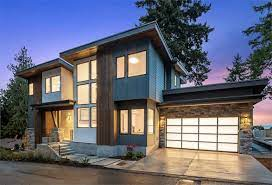
For generations, the detached single-family house with its own yard has epitomized the American Dream. In 2025, this vision continues to hold strong for many, offering unparalleled space, privacy, and control.
The Pros: Why a House Might Be Your Perfect Fit
Unmatched Space and Customization:
More Square Footage: Houses typically offer significantly more living space than apartments, accommodating growing families, home offices, or simply a desire for room to spread out. You’ll likely find multiple bedrooms, bathrooms, and dedicated living areas, providing ample room for every facet of your life.
Private Outdoor Oasis: A yard or garden is a major draw. Whether it’s for entertaining, gardening, pets, or children to play, private outdoor space offers a sanctuary often unattainable in apartment living. This can also enhance curb appeal and potential resale value.
Freedom to Personalize: As the sole owner of the structure and land, you have immense freedom to customize and renovate. Want to add a deck, remodel the kitchen, or paint the exterior a bold color? With a house, these decisions are largely yours, without needing approval from a homeowners’ association (HOA) or building management, though local zoning laws and permits will still apply. This flexibility can be a powerful driver for those who envision a home that truly reflects their unique style.
Storage Solutions: Basements, attics, and garages provide invaluable storage space for vehicles, seasonal items, and hobbies, often a luxury in apartment living.
Privacy and Independence:
No Shared Walls (Mostly): One of the most cherished benefits of a house is the enhanced privacy. You’re less likely to contend with noise from upstairs neighbors or shared hallways. This autonomy extends to your daily routine, allowing for greater freedom in terms of noise levels, pet ownership, and entertaining guests without impacting adjacent units.
Control Over Your Property: You dictate the rules for your property. There are no communal regulations governing pet size, visitor parking, or holiday decorations, beyond municipal ordinances. This level of self-governance provides a sense of true ownership and freedom.
Robust Long-Term Investment and Wealth Building:
Appreciation Potential: Historically, single-family homes, particularly those with significant land value, have shown strong appreciation rates over the long term. While market fluctuations are inevitable, the land component of a house often contributes significantly to its increasing value. This makes a house a cornerstone of many individuals’ real estate investment portfolios.
Building Home Equity: With each mortgage payment, you’re building equity – the portion of your home that you truly own. This equity can be leveraged for future financial needs through home equity loans or lines of credit, or it can be realized upon sale, contributing significantly to your net worth.
Stability and Predictability (Post-Mortgage): Once your mortgage is paid off, your housing costs are drastically reduced, primarily to property taxes, insurance, and maintenance. This offers a level of financial stability and security that rental or even condo living might not, where HOA fees and special assessments can continue indefinitely.
Potential for Rental Income: If future circumstances change, a house offers the flexibility to be rented out, generating rental income and potentially becoming a valuable investment property.
The Cons: Weighing the Challenges of House Ownership
Higher Upfront and Ongoing Costs:
Significant Down Payment and Closing Costs: Houses typically demand a larger down payment and higher closing costs compared to apartments due to their higher purchase price. This can be a substantial hurdle for many first-time homebuyers.
Property Taxes: These are a recurring expense, often substantial, and can fluctuate based on local assessments and millage rates. They are a significant part of your monthly housing payment.
Home Insurance: Insuring a larger, detached property usually costs more than insuring an apartment unit, covering both the structure and your belongings.
Utilities: Heating, cooling, and powering a larger house invariably lead to higher utility bills. Older homes, in particular, may require significant investments in energy efficiency upgrades.
Maintenance Budget: Beyond the mortgage, property taxes, and insurance, allocating a dedicated budget for ongoing maintenance and unexpected repairs is crucial.
Extensive Maintenance and Responsibility Burden:
You’re the Boss (and the Handyman): When something breaks in a house, you’re solely responsible. This means finding and hiring contractors for everything from roof repairs and HVAC issues to plumbing leaks and electrical problems. For those inclined, it can involve significant DIY time and effort.
Yard Work: Maintaining a lawn and garden requires regular time and effort, or the expense of hiring a landscaping service.
Time Commitment: House ownership demands a considerable time commitment for upkeep, cleaning, and managing repairs. This can detract from leisure time or other pursuits.
Location and Potential Isolation:
Suburban/Rural Living: Houses offering ample space are often found in suburban or rural areas, potentially leading to longer commutes to work, amenities, and entertainment. This can increase transportation costs and reduce convenience.
Less Immediate Community: While some neighborhoods foster strong community bonds, houses generally offer less inherent social interaction compared to apartment buildings with shared common areas and organized events.
Environmental Footprint and Energy Efficiency:
Larger Carbon Footprint: Larger homes consume more resources and energy for heating and cooling, potentially resulting in a larger carbon footprint and higher utility bills, especially for older, less insulated properties.
Modern Living: The Appeal of Apartment and Condo Ownership
The rise of urban centers and a desire for convenience has fueled the popularity of apartment and condo living. These properties, particularly in vibrant city cores and desirable suburban enclaves, offer a different yet equally compelling vision of homeownership in 2025.
The Pros: Why an Apartment/Condo Might Be Your Ideal Choice
Affordability and Accessibility:
Lower Entry Price: Generally, apartments and condos have lower purchase prices than single-family homes in comparable desirable locations. This can make homeownership more accessible, especially for first-time homebuyers or those with a smaller down payment.
Reduced Closing Costs: Lower purchase prices often translate to lower closing costs and sometimes lower property taxes (though this varies greatly by locality).
Urban Convenience: Apartments are frequently located in or near urban centers, offering walkability to shops, restaurants, cultural venues, and public transportation. This can significantly reduce commute times and reliance on a personal vehicle.
Convenience and Built-in Amenities:
Managed Maintenance: One of the most attractive aspects of condo ownership is that the HOA (Homeowners Association) is responsible for the exterior of the building, common areas, and sometimes even major structural components. This frees you from the burden of roof repairs, exterior painting, or landscaping, though you contribute to these costs through HOA fees.
Luxury Amenities: Many modern condo complexes offer an impressive array of amenities: fitness centers, swimming pools, clubhouses, concierge services, secure parking, and even pet parks. These luxuries can enhance your lifestyle without the personal cost and responsibility of maintaining them yourself.
Enhanced Security: Many condo buildings feature controlled access, surveillance systems, and sometimes even doormen, offering an added layer of security and peace of mind.
Lower Personal Maintenance and Utility Bills:
Smaller Footprint: A smaller living space means less to clean and maintain on a day-to-day basis.
Energy Efficiency: Newer apartment buildings are often built with modern insulation and energy-efficient systems, leading to lower heating and cooling costs compared to older, larger houses.
Community Services: Your HOA fees often cover services like trash removal, snow removal, and exterior maintenance, simplifying your life.
Community and Socialization:
Built-in Social Network: Living in close proximity to neighbors and sharing common amenities can foster a strong sense of community. Many buildings organize social events, providing opportunities to connect with fellow residents.
Ideal for Specific Lifestyles: For young professionals, empty nesters, or those who travel frequently, the “lock and leave” convenience and minimal maintenance of an apartment can be a perfect fit.
The Cons: Understanding Apartment/Condo Ownership Limitations
Less Space and Flexibility:
Limited Square Footage: Apartments generally offer less overall living space. This can be a challenge for families, those with extensive hobbies, or anyone who values ample room.
Lack of Private Outdoor Space: While some units have balconies, a private yard is rare. This can be a significant drawback for pet owners, gardeners, or those who enjoy outdoor entertaining.
Renovation Restrictions: While you own your unit, major renovations or exterior changes often require HOA approval. You might also be limited in terms of noise during renovations or the types of materials you can use.
Storage Challenges: Limited internal storage can necessitate creative solutions or external storage unit rentals.
HOA Fees and Rules: The Trade-off for Convenience:
Mandatory Monthly Fees: HOA fees are a non-negotiable monthly expense that can be substantial and tend to increase over time. These fees cover building maintenance, amenities, insurance for common areas, and reserves.
HOA Rules and Regulations: Living in a condo means adhering to the rules set by the HOA. These can govern everything from pet size and breed restrictions, noise levels, parking regulations, rental policies, and even the appearance of your balcony. For some, this feels like a loss of autonomy.
Special Assessments: Beyond regular HOA fees, associations can levy “special assessments” for unexpected, large-scale repairs or capital improvements (e.g., a new roof, major plumbing overhaul). These can be thousands or tens of thousands of dollars and are often mandatory.
Less Privacy and Autonomy:
Shared Walls and Noise: Despite modern construction, shared walls, floors, and ceilings mean you’re more susceptible to neighbor noise. This can be a significant source of frustration for those accustomed to the quiet of a detached home.
Communal Living: Shared common areas mean less personal space and interaction with others is more frequent, which can be a double-edged sword depending on your personality.
Investment Growth and Resale Considerations:
Potentially Slower Appreciation: While many condos appreciate well, their growth can sometimes be slower than single-family homes due to the lack of significant land value. Appreciation is also highly dependent on the quality of the HOA management, the building’s condition, and the overall desirability of the complex.
Dependence on HOA Management: The financial health and desirability of your condo are intrinsically linked to the effectiveness of the HOA board and management. Poor management can lead to deferred maintenance, financial instability, and impact resale value.
Leasehold vs. Freehold (Rare for Condos in US but good to note): While most US condos are freehold (you own your unit and a share of common areas), some are leasehold, meaning you own the structure for a set period, not the land. This is important to verify, as leasehold properties typically appreciate less and can have complex renewal processes.
Key Factors to Consider Before You Decide
Making the right decision in 2025 hinges on a comprehensive evaluation of your personal circumstances against the backdrop of current market realities.
Your Budget and Financial Goals:
Affordability: Beyond the purchase price, carefully calculate your total monthly housing costs for both options. This includes your mortgage principal and interest, property taxes, home insurance, utilities, and for condos, the all-important HOA fees and potential special assessments.
Down Payment & Closing Costs: Assess how much you can realistically put down and what closing costs you can cover. A higher down payment can secure a better mortgage rate and reduce your monthly payments.
Emergency Fund: Ensure you have an emergency fund specifically for home repairs (for a house) or unexpected special assessments (for a condo).
Long-Term Investment Strategy: Are you looking for maximum appreciation and equity building, or a stable home with predictable costs and less financial responsibility? Consider how each option fits into your broader financial planning for wealth building.
Mortgage Rates in 2025: Keep a close eye on interest rates, as they significantly impact your monthly payments and overall affordability. Work with a reputable mortgage lender to understand your borrowing capacity.
Your Lifestyle and Needs:
Space Requirements: How much space do you truly need? Are you single, a couple, or do you have a growing family? Do you work from home, require hobby space, or have a lot of belongings?

Privacy vs. Community: How important is solitude and privacy to you? Do you crave a bustling community atmosphere, or do you prefer to keep to yourself?
Maintenance Tolerance: Are you a budding DIY enthusiast, or do you prefer to delegate all maintenance tasks? Your willingness (and ability) to spend time and money on upkeep is a critical differentiator.
Pet Ownership: If you have pets, particularly larger breeds, a house with a yard might be essential. Condos often have strict pet policies, including size, number, and breed restrictions.
Future Plans: Do you envision expanding your family, relocating for work, or traveling extensively in the coming years? These factors should influence your decision.
Location, Location, Location:
Urban vs. Suburban vs. Rural: Your preferred location will heavily influence your options. Houses dominate suburban and rural landscapes, while apartments are concentrated in urban cores. Consider your commute, access to amenities, school districts, and overall neighborhood vibe.
Proximity to Work and Services: How important is walkability or easy access to public transportation? For some, the time saved on commuting is priceless.
Your Long-Term Vision:
Investment Horizon: How long do you plan to live in this property? Short-term ownership might favor an apartment due to lower entry costs, while longer horizons often benefit from the potential appreciation and equity growth of a house.
Resale Value: Research local market trends for both houses and condos. What’s the demand like? How quickly do properties sell? Understanding the resale potential is crucial for any real estate investment.
Making the Right Choice for You in 2025
The decision between a house and an apartment is intensely personal. There’s no one-size-fits-all answer, and what works for your friends or family might not be suitable for you. The key is thorough research, honest self-assessment, and professional guidance.
Consult Experts: Engage with experienced real estate agents who specialize in both types of properties in your desired areas. They can provide invaluable insights into local market conditions, pricing trends, and specific neighborhood characteristics.
Talk to a Mortgage Lender: Get pre-approved for a home loan early in the process. This will clarify your budget and demonstrate to sellers that you are a serious buyer, especially important in competitive housing market environments.
Financial Advisor: Consider consulting a financial advisor to integrate your homeownership decision into your broader wealth-building and retirement planning.
Visit Both Types of Properties: Spend time touring various houses and apartments. Get a feel for the space, the community, and the lifestyle each offers. Imagine yourself living there.
In 2025, whether you seek the expansive freedom of a detached house or the convenient, amenity-rich lifestyle of an apartment, the market offers compelling opportunities. By carefully weighing the pros and cons through the lens of your unique circumstances, you can confidently navigate this significant decision and embark on your rewarding journey to homeownership.