
Villa vs. Apartment in 2025: Your Definitive US Home Buying Guide
Stepping into the US real estate market in 2025 can feel like navigating a complex maze, especially when faced with the fundamental choice: a villa or an apartment? For many prospective homeowners, this isn’t just about property; it’s about defining a lifestyle, securing a financial future, and finding a place that truly resonates with their aspirations. As an expert who’s witnessed the ebb and flow of the market for over a decade, I understand the weight of this decision. The landscape has shifted significantly, with evolving work cultures, technological advancements, and a renewed focus on personal well-being influencing what we seek in a home.
This comprehensive guide will cut through the noise, offering an in-depth, analytical look at villas and apartments in the current American context. We’ll explore beyond the surface-level comparisons, diving into the nuances of ownership, community dynamics, financial implications, and future value, all viewed through the lens of a dynamic 2025 market. By the end, you’ll be equipped with the insights needed to make an informed choice that aligns perfectly with your vision of homeownership.
The Evolving Definitions: What “Villa” and “Apartment” Mean in 2025 America
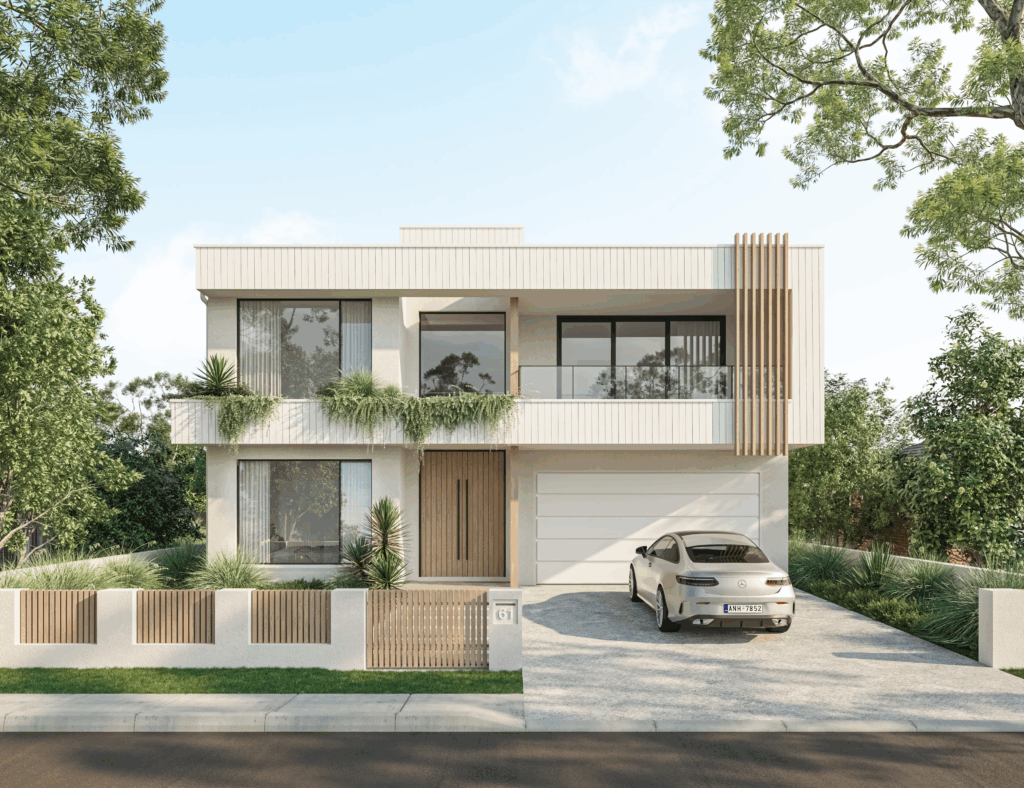
Before we dissect the pros and cons, let’s clarify what we’re talking about. In the US, the term “villa” often conjures images of luxurious, spacious single-family homes, typically found in planned communities, resort-style developments, or upscale suburban and exurban areas. These are distinct from traditional standalone houses primarily due to their association with amenities and a community structure, sometimes with a more Mediterranean or European architectural influence. They usually offer substantial privacy, dedicated yard space, and the full responsibilities of detached homeownership.
“Apartment,” in the context of ownership, almost always refers to a condominium (condo) or, less commonly, a co-operative (co-op). Unlike renting an apartment, buying a condo means you own the interior living space outright, along with an undivided interest in the common areas (like hallways, roofs, and shared amenities). Co-ops involve owning shares in a corporation that owns the building, granting you the right to occupy a unit. For the purpose of this discussion, when we refer to “apartment,” we are largely speaking about owned condominium units, which represent a significant segment of urban and increasingly suburban real estate investment opportunities.
The year 2025 finds both housing types benefiting from significant technological advancements. Smart home technology integration is now a standard expectation, from advanced security systems to energy-efficient climate control, impacting both the desirability and long-term operating costs of a property. Furthermore, the hybrid work model, solidified post-pandemic, has reshaped demand, making features like dedicated home office spaces or easy access to co-working facilities more critical than ever.
Space & Lifestyle: Crafting Your Daily Experience
The most immediate differentiator between a villa and an apartment is often the sheer volume of space and the lifestyle it dictates.
The Villa Lifestyle: Expansive Living and Personal Domain
Opting for a villa typically means embracing a life of greater expanse and privacy. You’re buying not just a home, but a slice of land. This often translates to:
Generous Living Areas: Expect more square footage, more rooms, and greater flexibility in layout. This is ideal for growing families, those needing dedicated spaces for hobbies, or individuals seeking ample room for entertaining. In 2025, with remote and hybrid work common, dedicated home offices or adaptable flex spaces are highly prized.
Private Outdoor Oasis: A yard or garden is a cornerstone of villa living. Whether you dream of cultivating a lush garden, setting up a play area for kids, building an outdoor kitchen, or simply enjoying a quiet morning coffee on your patio, a private outdoor space offers unparalleled freedom. For many, this connection to nature and the ability to customize their outdoor environment is non-negotiable.
Unrivaled Privacy: With no shared walls above, below, or usually beside you, villas offer a sense of detachment. This significantly reduces noise concerns from neighbors and provides a feeling of personal sanctuary.
Customization Potential: Owning a villa means greater autonomy over renovations, expansions, and aesthetic changes. Want to add a swimming pool, convert your garage, or completely redesign your kitchen? Within local zoning and HOA guidelines (if applicable), the freedom to personalize is immense, directly impacting your property value appreciation.
Multi-Generational Living: The larger footprint of many villas makes them excellent candidates for multi-generational households, a growing trend in the US. Separate wings, in-law suites, or even detached accessory dwelling units (ADUs) are often feasible.
However, this expansive freedom comes with a trade-off: increased responsibility. Every square foot of your property, from the roof to the foundation and every blade of grass, is your purview.
The Apartment (Condo) Lifestyle: Modern Convenience and Urban Pulse
Choosing an apartment or condo often signifies a desire for convenience, a lower-maintenance lifestyle, and typically, proximity to urban centers or vibrant communities.
Efficient Living Spaces: Condos are designed for optimized spatial efficiency. While generally smaller than villas, smart layouts and modern design can make them feel surprisingly spacious. This appeals to minimalists, busy professionals, or those who prioritize experiences outside the home over sprawling living areas.
Low Maintenance: This is perhaps the biggest draw. Your Homeowners Association (HOA) takes care of exterior maintenance, landscaping, roof repairs, and often common utility systems. This frees up significant time and effort that villa owners dedicate to upkeep, allowing residents to travel more, pursue hobbies, or simply relax. This factor contributes to the appeal of urban living 2025.
Access to Amenities: One of the most compelling reasons to choose a condo is the access to shared luxury amenities without the private cost. Think state-of-the-art fitness centers, rooftop lounges, co-working spaces, swimming pools, dog parks, and even concierge services. These amenities elevate the daily living experience, offering a resort-like atmosphere.
Community & Social Connection: Condo buildings often foster a strong sense of community. Shared spaces and events provide natural opportunities to meet neighbors, which can be particularly appealing for singles, empty nesters, or those new to a city.
Vertical Living & Views: High-rise condos offer breathtaking cityscapes or natural vistas, a perk rarely available in villas. The sense of living “above it all” can be a unique and appealing aspect of this lifestyle.
The trade-off here is less autonomy. HOA rules govern exterior appearance, major renovations, and sometimes even pet policies or noise restrictions. Shared walls also mean a potential for less privacy compared to a detached home.
Amenities & Community: Shared Luxuries vs. Private Pleasures
The amenity landscape has become a major battleground in the villa vs. apartment debate, particularly as developers vie for discerning buyers in 2025.
Villa Amenities: Personalized Indulgences & Planned Communities
While many traditional villas offer primarily private amenities (your own pool, expansive garden, home gym), modern “villa communities” or luxury single-family home developments often blend the best of both worlds. Here, you might find:
Exclusive Community Features: Gated security, private golf courses, tennis courts, clubhouses, walking trails, and community pools are common. These amenities enhance the lifestyle while still affording the privacy of a detached home.
Tailored Spaces: Homeowners have the freedom to install their own smart home technology integration, build custom entertainment rooms, create elaborate home theaters, or design bespoke landscapes. The amenities are truly an extension of personal taste and budget.
Less Direct Social Interaction: While communities exist, social interaction is often more deliberate, centered around specific activities or neighborly gatherings rather than incidental encounters in shared common areas.
Apartment (Condo) Amenities: Curated Experiences & Social Hubs
Condominiums are designed to maximize shared convenience and lifestyle enrichment, often at a fraction of the cost of maintaining private versions of these amenities.
Upscale Fitness & Wellness: Expect fully equipped gyms, yoga studios, spin rooms, and sometimes even spa services. These facilities often rival or surpass standalone commercial gyms.
Co-working & Business Centers: Reflecting the 2025 remote work landscape, many condos now feature dedicated co-working spaces, private meeting rooms, and high-speed internet infrastructure, providing a professional environment just steps from your door.

Recreational & Social Hubs: Rooftop terraces with grilling stations, community lounges, game rooms, media screening rooms, and even pet spas are increasingly standard. These amenities are designed to be social catalysts, fostering a vibrant community.
Concierge & Services: Many luxury condos offer 24/7 concierge services, package delivery management, dry cleaning pickup, and sometimes even personal trainers or dog walkers on staff or by referral. This level of service caters to a busy, convenience-seeking demographic.
Sustainability Features: In line with sustainable living options trends, many modern condo buildings incorporate green roofs, electric vehicle charging stations, and energy-efficient building systems, appealing to environmentally conscious buyers.
The key financial aspect of these shared amenities is the HOA fees explanation, which we’ll delve into in the budget section. These fees cover the operation, maintenance, and insurance of these common areas, making luxury living accessible without the individual burden of upkeep.
Location, Location, Location: Urban Pulse vs. Suburban Serenity in 2025
Your choice between a villa and an apartment is profoundly influenced by where you want to live and the kind of access you desire. The 2025 real estate market continues to see strong demand in both urban and suburban settings, with unique drivers for each.
Villa Locations: Suburban Expanses and Exclusive Retreats
Villas, especially those that are detached single-family homes, are predominantly found in:
Suburban and Exurban Areas: These locations offer larger lots, quieter neighborhoods, and generally top-rated school districts, making them highly attractive to families. The trade-off is often a longer commute to major employment centers, though the rise of hybrid work has somewhat mitigated this for many. Suburban housing market trends in 2025 show continued strength, particularly in areas with good infrastructure and community amenities.
Planned Communities & Golf Courses: Many villas are part of master-planned communities, often centered around golf courses, lakes, or other recreational facilities. These provide a resort-like atmosphere with shared amenities and often gated security.
Rural-Adjacent Areas: For those seeking true tranquility and expansive land, villas can be found on the fringes of urban centers, offering a retreat from the hustle and bustle.
Investment Potential: Land appreciation is a significant factor in villa value, making them strong long-term real estate investment vehicles, particularly in growing regions.
Apartment (Condo) Locations: The Heart of the Action and Connectivity
Condos are quintessential urban living 2025 options, though their presence is growing in suburban nodes.
Downtown & City Centers: Prime locations offering unparalleled walkability, access to public transportation, cultural institutions, fine dining, nightlife, and major employment hubs. This appeals to young professionals, empty nesters, and anyone prioritizing immediate access to city life.
Transit-Oriented Developments (TODs): A burgeoning trend in 2025, condos are often built around major transit hubs, offering residents easy commutes without needing a car. This aligns with a growing desire for sustainable and efficient living.
Vibrant Neighborhoods: Even outside the direct downtown core, condos are often situated in lively neighborhoods rich with independent shops, cafes, and community parks.
Proximity to Work: For those with traditional office jobs, condos can drastically reduce commute times, improving work-life balance.
Investment Potential: Condo values are strongly tied to urban growth, local job markets, and the desirability of a building’s amenities. They can be excellent rental property investment options, particularly in high-demand urban areas.
The choice of location fundamentally shapes your daily life, from how you get to work to how you spend your weekends. Consider the neighborhood amenities US cities offer and how they align with your preferences.
The Financial Footprint: Beyond the Sticker Price in 2025
The financial considerations extend far beyond the initial purchase price. Understanding the total cost of homeownership for both villas and apartments is crucial for wise budgeting, especially with evolving mortgage rates forecast 2025 and inflation.
Villa Finances: More Upfront, More Ongoing Responsibility
Higher Upfront Cost: Villas generally have a higher purchase price due to the inclusion of land value and a larger structure. This translates to a larger down payment and potentially a larger mortgage.
Full Maintenance Responsibility: This is the most significant ongoing cost. You are solely responsible for the roof, foundation, HVAC systems, plumbing, electrical, exterior painting, landscaping, and all repairs. Budgeting for these significant expenditures, including eventual replacements, is paramount. Many homeowners set aside 1-3% of the home’s value annually for maintenance and repairs.
Property Taxes: These are typically higher for villas due to their higher property valuations. Property tax calculator tools can help estimate these costs based on your desired location.
Utilities: Heating, cooling, and electricity costs are often higher in larger homes. Water, sewer, and trash services are also typically paid directly by the homeowner.
Homeowner’s Insurance: A comprehensive policy is essential to protect against damage, liability, and other perils. The cost varies based on location, home value, and risk factors.
No HOA Fees (Typically): While some villa communities have modest HOA fees for common area maintenance (like street lights or community gates), they are generally much lower than condo HOA fees.
Potential for Appreciation: Historically, detached homes, including villas, have shown strong real estate appreciation trends due to land scarcity and demand, making them a solid long-term investment.
Apartment (Condo) Finances: Shared Costs, Predictable Expenses
Potentially Lower Entry Price: Condos often have a lower purchase price compared to detached villas, making them more accessible for first-time homebuyer tips and those with smaller budgets.
HOA Fees (The Big One): This is the primary ongoing cost after your mortgage. HOA fees cover:
Common Area Maintenance: Cleaning, landscaping, and repair of all shared spaces.
Building Insurance: Master insurance policy for the building’s structure and common areas.
Utilities: Sometimes includes water, sewer, trash, and even heating/cooling.
Amenities: Maintenance and operation of pools, gyms, etc.
Reserve Funds: A crucial component, these funds are set aside for major future repairs and replacements (e.g., roof, elevators, common HVAC).
It’s vital to review the HOA’s financial health, reserve study, and budget before buying. Well-managed HOAs enhance value; poorly managed ones can lead to special assessments or deferred maintenance.
Property Taxes: Often lower due to the shared ownership of land.
Utilities: Can be lower due to smaller space and sometimes included in HOA fees.
HO-6 Insurance: You’ll need an individual policy (HO-6) that covers the interior of your unit and your personal belongings, as the master policy only covers the building structure.
Appreciation: Condo appreciation can be steady, especially in desirable urban markets, but may be more volatile or less rapid than detached single-family homes depending on local market dynamics and HOA management. Real estate market analysis for specific condo buildings is recommended.
When budgeting, consider the full cost of homeownership breakdown for each option, factoring in mortgage payments, taxes, insurance, and the unique ongoing costs of either a villa or an apartment. Understanding these numbers is key to making a financially sound decision in the competitive 2025 market.
Investment & Future Value: Your Long-Term Play
Beyond immediate living, your home is likely one of your most significant investments. Understanding the long-term property value appreciation and real estate market forecast US is vital.
Villas: Long-Term Growth and Control
Land as an Asset: A substantial portion of a villa’s value lies in its land, which tends to appreciate consistently over time. This makes villas a robust long-term investment.
Control Over Value Addition: With fewer restrictions, you have greater freedom to invest in upgrades and renovations that directly enhance your home’s value. From a kitchen remodel to adding an ADU, your investments directly accrue to your asset.
Rental Income Potential: Villas are often highly desirable for renters, particularly families, offering good potential for rental property investment if you choose to move or hold the property.
Resale Market: Demand for single-family homes remains consistently strong, often leading to a relatively liquid market when it’s time to sell.
Apartments (Condos): Market Nuances and Lifestyle-Driven Value
Location-Specific Appreciation: Condo values are highly sensitive to their location, particularly in high-demand urban cores or growth corridors. Proximity to amenities, transit, and employment centers drives value.
HOA Health Impact: The financial health and management quality of the HOA significantly influence a condo’s resale value. A well-run HOA with healthy reserves is a huge asset.
Market Trends: Condo markets can be more susceptible to economic fluctuations, sometimes experiencing faster appreciation in boom times and sharper declines in downturns compared to detached homes.
Rental Income Potential: Condos, especially in urban areas, are excellent rental property investment options, attracting young professionals and students. Many buildings have specific rules regarding rentals, which need to be understood.
Liquidity: In desirable markets, condos can sell quickly, but in saturated markets, they might face more competition.
Both property types offer pathways to wealth accumulation, but their risk profiles and appreciation drivers differ. Your long-term financial goals should heavily influence your choice.
The Intangibles: Weighing Personal Priorities in 2025
Beyond the concrete comparisons, the ultimate decision often hinges on less tangible factors – your personal values, lifestyle preferences, and aspirations.
Freedom vs. Convenience: This is perhaps the core philosophical divide. Do you crave the absolute freedom to do as you please with your property, even if it means more responsibility? Or do you prioritize convenience and a hands-off approach to home maintenance, even with some restrictions?
Privacy vs. Community: How much solitude do you need? A villa offers maximum privacy, while an apartment offers opportunities for spontaneous social interaction and a built-in community.
Noise Tolerance: Are you sensitive to noise? Shared walls in an apartment mean you’ll be more aware of your neighbors, for better or worse.
Pet Ownership: While many apartments are pet-friendly, they often have size or breed restrictions and may charge additional fees. Villas offer more freedom for pets to roam.
Environmental Impact: For those prioritizing sustainable living options, modern condos often boast higher energy efficiency and a smaller carbon footprint due to shared resources and compact design.
Work-Life Balance: In 2025, with increased focus on mental well-being, consider how each home type contributes to your daily stress levels, commute, and leisure time.
Making Your Decision in 2025: A Personalized Approach
There is no universal “better” option between a villa and an apartment. The superior choice is entirely subjective, dependent on your unique circumstances, priorities, and vision for the future.
Ask yourself these critical questions:
What is my ideal lifestyle? Do I envision quiet evenings in a private garden, or bustling city life with amenities at my fingertips?
How much maintenance am I willing to handle? Am I a DIY enthusiast, or do I prefer a “lock-and-leave” lifestyle?
What is my budget, truly? Look beyond the listing price to the full cost of homeownership breakdown, including ongoing expenses like HOA fees, property taxes, insurance, and maintenance reserves.
What kind of community do I desire? Do I seek solitude, or do I thrive on shared experiences and close-knit neighborly interactions?
What are my long-term financial goals? How does this property fit into my real estate investment strategies for appreciation and wealth building?
Where do I want to be located? Is urban accessibility paramount, or do I prefer suburban tranquility?
As an expert who has guided countless homebuyers, my advice in 2025 remains steadfast: research diligently, understand the nuances, and above all, listen to what truly resonates with you. The US real estate market is robust and diverse; your dream home, whether it’s a spacious villa or a chic urban apartment, is waiting for you. Consult with a trusted real estate professional to navigate the specifics of your local market and ensure your choice aligns perfectly with your aspirations for homeownership. Happy home hunting!