



Navigating the New American Dream: House vs. Condo – A Strategic Buyer’s Blueprint for 2025
As a seasoned real estate professional with a decade navigating the dynamic U.S. property market, I’ve witnessed firsthand the evolving aspirations of homebuyers. The quintessential American Dream, once solely synonymous with a sprawling suburban house, now encompasses a wider spectrum of living situations. For many seeking their next homeownership opportunity, the critical question arises: should I buy a house or a condo? This isn’t a simple dichotomy; it’s a nuanced decision shaped by individual priorities, financial realities, and future ambitions.
In 2025, the landscape of real estate investment offers a wealth of choices, each with distinct advantages and potential pitfalls. This comprehensive guide, drawing on years of experience and market insights, will dissect the complexities of buying a house versus a condo, equipping you with the knowledge to make an informed, strategic decision that aligns with your unique lifestyle and budget. We’ll explore the intrinsic value of each property type, from property acquisition cost to long-term real estate appreciation, helping you chart a clear path toward your ideal dwelling.
Decoding Your Needs: The Foundation of a Smart Real Estate Decision

Before diving into the specifics of houses and condos, let’s establish the bedrock of any successful property purchase: a thorough understanding of your personal circumstances. The “right” choice is inherently subjective. To truly identify your ideal real estate solution, consider these pivotal factors:
Space Requirements: How much square footage do you genuinely need? Do you envision sprawling living areas, multiple home offices, or ample storage for hobbies and family needs?
Financial Capacity: What is your comfort level with mortgage payments? Beyond the sticker price, what is your budget for ongoing property taxes, insurance, and potential home maintenance costs? Understanding your affordability range is paramount.
Privacy and Security Imperatives: How much do you value personal solitude? Are you comfortable with shared walls and common spaces, or do you prioritize a buffer from neighbors?
Maintenance Tolerance: Are you a DIY enthusiast ready to tackle landscaping, repairs, and upkeep, or do you prefer a more hands-off approach where shared responsibilities are managed by an association?
Time Horizon: Are you looking for a short-term stepping stone or a long-term sanctuary? Your intended duration of residency significantly influences the financial implications of your choice.
Future Trajectory: What are your life goals? Do you anticipate a growing family, career changes, or a desire for a more urban or rural lifestyle? These future plans are crucial in selecting a property that can adapt.
The Allure of the American House: Freedom, Space, and Investment Potential
For generations, the detached single-family home for sale has symbolized the pinnacle of American homeownership. Its enduring appeal lies in a constellation of benefits that resonate deeply with many buyers.
The Pros of Owning a House: Unlocking Your Domain
Unparalleled Space and Flexibility: This is arguably the most significant draw. Houses typically offer a generous amount of living space, often including multiple bedrooms, dedicated home offices, basements ripe for finishing, and attics for storage. The presence of a yard is another substantial advantage, providing space for gardening, outdoor entertaining, children’s play areas, or even a future pool. This freedom from spatial constraints allows for greater personalization and adaptability to evolving needs. You have the liberty to renovate, expand, and truly make the property your own without the strictures of landlord approval or HOA regulations.
Enhanced Privacy and Independence: A detached house inherently provides a greater degree of privacy. With no shared walls, floors, or ceilings, the likelihood of noise disturbances from neighbors is significantly reduced. You are master of your own domain, free from the communal living dynamics that can sometimes lead to friction. This independence extends to your lifestyle choices; you dictate your own rules for noise levels, pet ownership (within local ordinances), and property usage.
Superior Long-Term Investment Value: Historically, single-family homes have demonstrated stronger real estate appreciation compared to condos, particularly in desirable neighborhoods. This is often attributed to the intrinsic value of the land the house sits on, which tends to appreciate over time. Furthermore, houses offer greater potential for value enhancement through renovations and additions. Owning the freehold means you are not subject to leasehold complexities, such as escalating ground rents or costly lease extensions, providing greater security and predictability for your investment. For those considering the sale of their current property in Houston or a similar metropolitan area, understanding this potential for growth is vital.
The Cons of Owning a House: The Responsibilities of Stewardship
Higher Acquisition and Maintenance Costs: The flip side of owning more space and land is a generally higher initial purchase price. Beyond the mortgage, homeowners are solely responsible for all maintenance, repairs, and utility bills. This can translate into significant and often unpredictable expenses for everything from roofing repairs and HVAC system replacements to landscaping and pest control. The burden of home maintenance can be substantial and requires careful budgeting.
Potential for Isolation and Inconvenience: Depending on the location, houses, particularly those in suburban or rural settings, can sometimes feel more isolated. Access to amenities, public transportation, and vibrant community hubs might require more travel. While this can appeal to some, it can also lead to a reduced sense of spontaneous social interaction compared to the more connected living found in condo communities.
Environmental Impact and Energy Efficiency: Larger homes, with their greater surface area and volume, often require more energy for heating and cooling. This can lead to higher utility bills and a larger carbon footprint. While modern construction is improving efficiency, older homes may present significant challenges and costs in terms of energy upgrades.
The Strategic Appeal of the Condo: Convenience, Community, and Affordability
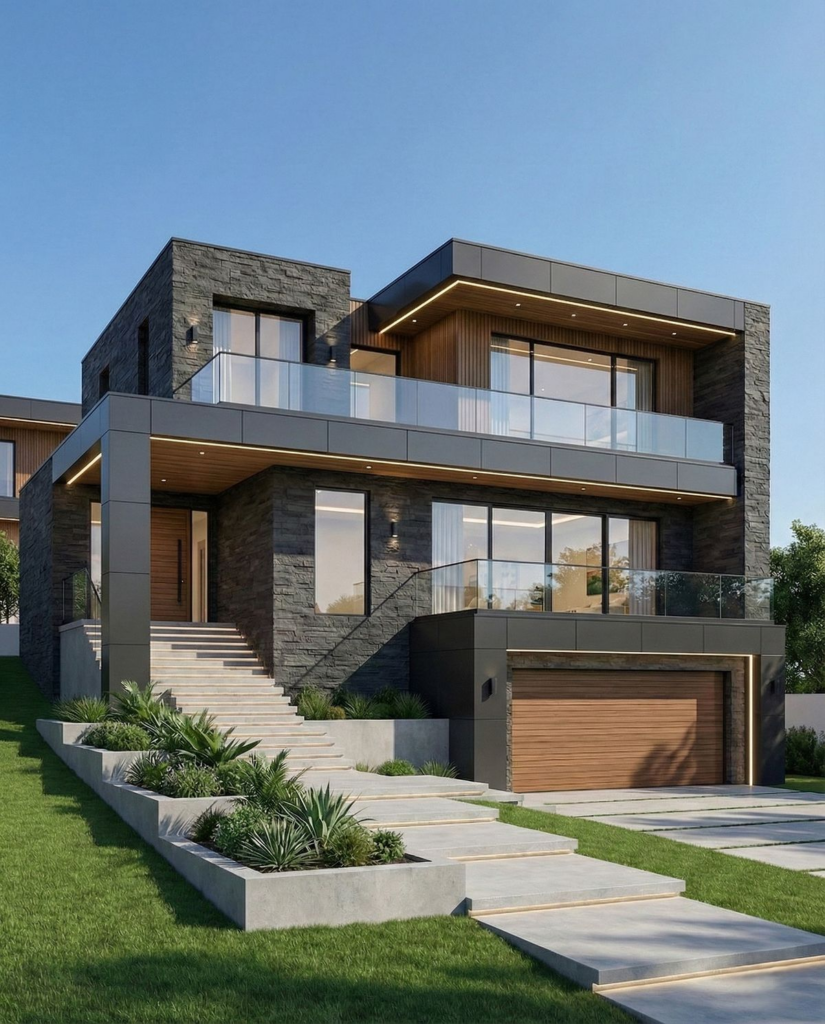
Condominiums, or condos, offer a compelling alternative for those seeking a more streamlined and accessible path to property ownership. They represent a modern approach to urban living, prioritizing convenience and shared amenities.
The Pros of Owning a Condo: Embracing a Simplified Lifestyle
Greater Affordability and Lower Entry Barriers: Generally, condos come with a lower purchase price than comparable houses in the same area. This can make them an attractive entry point into the real estate market, especially for first-time homebuyers or those with a more modest down payment. Lower property taxes and potentially more favorable mortgage rates further enhance affordability.
Convenience and Reduced Maintenance Burden: One of the most significant advantages of condo living is the shared responsibility for exterior maintenance and common areas. The homeowner’s association (HOA) fee covers landscaping, snow removal, building repairs, and often amenities. This frees you from the day-to-day chores of upkeep, allowing for more leisure time. You can focus on enjoying your living space without the constant worry of mowing the lawn or shoveling snow.
Prime Locations and Access to Amenities: Condos are frequently situated in highly desirable urban or close-in suburban locations, offering unparalleled access to shops, restaurants, entertainment, and public transportation. Many condo developments also boast an array of exclusive amenities such as fitness centers, swimming pools, rooftop terraces, and secure parking, enhancing the overall living experience without the individual cost of maintaining these facilities. This is particularly attractive for individuals and couples who value an active, urban lifestyle.
The Cons of Owning a Condo: Navigating Community and Constraints
Less Space and Limited Personalization: The trade-off for convenience and affordability is often a reduction in personal space. Condos typically offer less square footage, fewer bedrooms, and limited storage. Outdoor space is usually restricted to a balcony or patio. Furthermore, significant alterations or renovations to your unit may require HOA approval, limiting your ability to personalize your home to the same extent as a detached house.
Reduced Privacy and Shared Governance: Living in close proximity means sharing walls, floors, and ceilings with neighbors. While modern construction aims to mitigate noise transfer, it’s rarely eliminated entirely. You will also be subject to the rules and regulations established by the HOA. These can range from pet policies and noise restrictions to aesthetic guidelines, which may not always align with your personal preferences. Understanding the HOA’s governance and financial health is crucial before purchasing.
Potential for Less Robust Long-Term Investment Growth: While condos can appreciate in value, their real estate appreciation potential is often less than that of houses. This is partly due to the absence of significant land value and the potential for oversupply in some markets. Additionally, leasehold issues, such as short lease lengths, escalating ground rents, and service charge increases, can impact a condo’s long-term investment appeal and marketability. Navigating these complexities requires careful due diligence.
Making the Strategic Choice: Tailoring Your Decision to 2025 Realities
As we look ahead to 2025, the decision between a house and a condo is not static. It’s a dynamic process of aligning your current needs with your future aspirations within the context of the evolving U.S. housing market.
For the Young Professional or Couple: A condo in a vibrant city center, like apartments for sale in Austin, TX, might offer the perfect blend of accessibility, modern amenities, and a low-maintenance lifestyle, allowing you to focus on career growth and social engagement.
For the Growing Family: A suburban house with a yard, perhaps in a family-friendly neighborhood near good schools in areas like homes for sale in Raleigh, NC, provides the space and freedom necessary for children to thrive and for a family to create lasting memories.
For the Downsizer or Empty Nester: A well-appointed condo with convenient access to services and a lock-and-leave lifestyle, perhaps in a walkable community near condos for sale in Phoenix, AZ, can offer security, reduced responsibility, and continued access to urban conveniences.
For the Investor: The choice depends heavily on your investment strategy. Houses in appreciating markets might offer higher long-term returns, while condos in high-demand rental areas can provide steady cash flow and potentially quicker turnover. Understanding rental property investment strategies is key here.
Partnering with Local Experts for Your Real Estate Journey
The decision of whether to buy a house or a condo is profoundly personal, and there’s no universally “correct” answer. It’s about finding the property type that best supports your current lifestyle, financial goals, and future vision.
If you’re navigating the intricate decisions of buying property in the U.S., seeking expert guidance is invaluable. Whether you’re drawn to the sprawling potential of a single-family home or the convenient accessibility of a condo, experienced local real estate agents can provide critical insights into specific neighborhoods, market trends, and the intricacies of property financing. They can help you understand the nuances of HOA fees, property taxes, and the long-term viability of different real estate investments.
Embarking on your home buying journey is a significant undertaking. By thoroughly evaluating your priorities and partnering with professionals who understand the local market, you can confidently move forward, secure in the knowledge that you are making the best choice for your future. Let’s begin the conversation about your ideal living situation and explore the possibilities that await you in today’s dynamic real estate landscape.