
House vs. Apartment: Navigating Your Biggest Homeownership Decision
As a real estate professional with a decade of experience guiding clients through pivotal property decisions, I can confidently say that one of the most significant choices a prospective homeowner faces is whether to invest in a house or an apartment. This isn’t a one-size-fits-all question. The ideal scenario is deeply personal, influenced by your financial landscape, your daily rhythm, your long-term aspirations, and even your tolerance for DIY. In today’s dynamic real estate market, understanding the nuances of each dwelling type is paramount to making a choice that aligns with your life, not just your immediate desires. This article aims to dissect the complexities, offering an expert perspective on the house vs. apartment dilemma, updated for the realities of 2025.
The core of this decision hinges on a delicate balance of needs and priorities. Factors like your required square footage, your absolute maximum budget for a luxury apartment or a starter home, the non-negotiable value you place on privacy and security, your willingness to engage in property upkeep, your projected length of ownership, and your overarching life goals all weave together to form your unique ideal. Let’s delve into the distinct advantages and disadvantages of each to illuminate the path forward.
The Allure of the House: Space, Autonomy, and Long-Term Equity

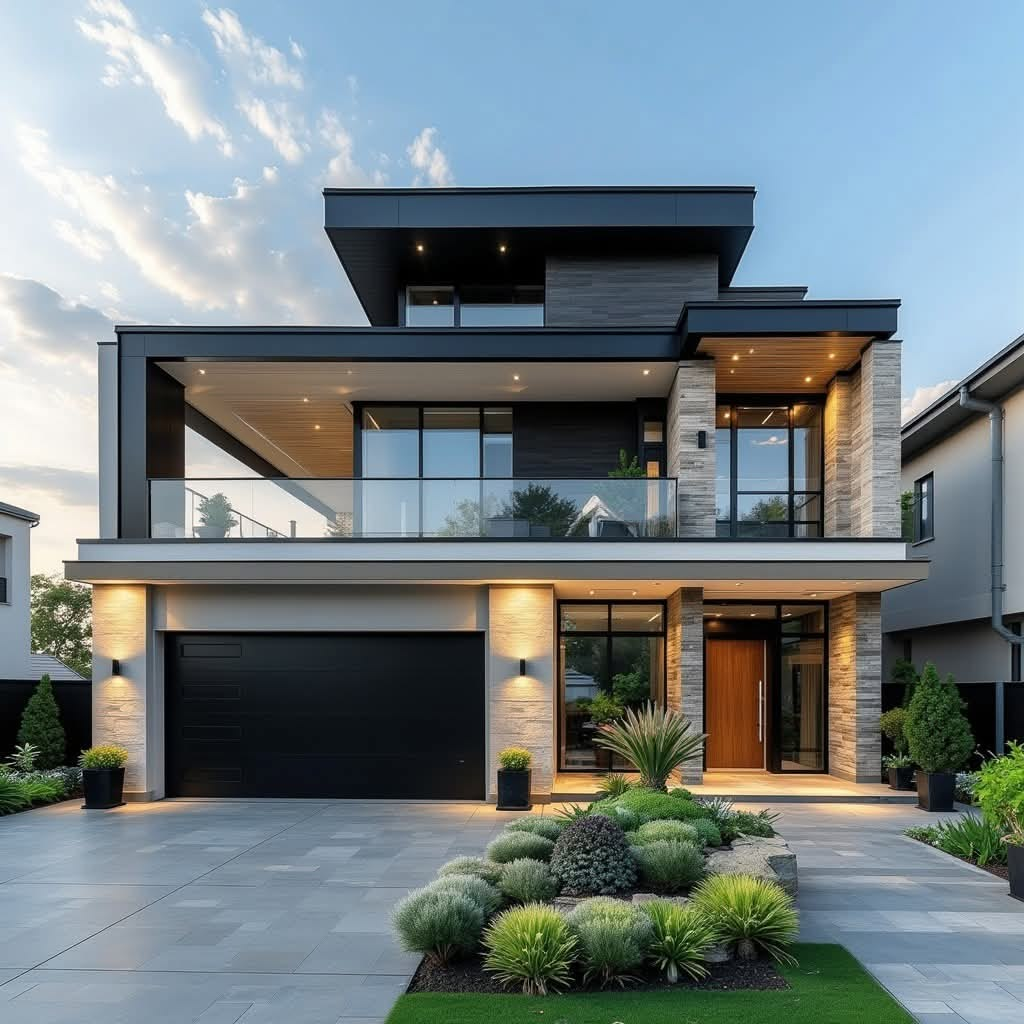
Purchasing a house often signifies a step up in terms of both physical space and lifestyle freedom. Imagine the possibilities: multiple bedrooms for a growing family or dedicated home offices, expansive living areas for entertaining, a private garden for weekend barbecues or cultivating your green thumb, a garage for vehicles or a workshop, and attic space for ample storage. These are features that typically elude apartment living. Furthermore, a house offers unparalleled flexibility for personalization. You possess the autonomy to renovate, redecorate, and reimagine your living space to perfectly reflect your evolving tastes and practical needs, unburdened by the often stringent regulations of a landlord or the complex covenants of leasehold agreements.
Beyond the physical, the psychological benefits of house ownership are profound. The increased privacy and independence are significant draws. With fewer shared walls, floors, and ceilings, the potential for noise disturbances from neighbors is dramatically reduced, fostering a more tranquil living environment. This independence extends to your property management. You are the ultimate decision-maker, not subject to the dictates of a homeowners’ association or the whims of a building management company regarding communal areas or shared amenities.
From an investment standpoint, buying a house has historically demonstrated a more robust trajectory for appreciation compared to apartments. This is largely attributable to the intrinsic value of the land on which the house sits, coupled with the potential for capital improvements that can significantly enhance resale value. Owning a house outright, particularly a freehold property, offers a sense of stability and security that is often absent in leasehold arrangements. The complexities of lease extensions, escalating ground rents, and the ongoing negotiations with freeholders are concerns that simply don’t apply when you own the land beneath your feet. If you’re contemplating the potential worth of your current residence, a swift online valuation can provide an initial estimate, but for a truly insightful appraisal, engaging with a seasoned real estate agent for an expert valuation is an invaluable step. Understanding your property’s market value is a critical component of any future real estate endeavors, whether you’re selling to upgrade or simply assessing your financial standing.
The Counterpoint: Considerations for House Ownership
While the advantages of owning a house are compelling, it’s crucial to acknowledge the inherent challenges. Foremost among these is the significant investment of time and financial resources required for maintenance and upkeep. As the sole proprietor, you are directly responsible for all repairs, from routine preventative measures to unexpected emergencies. Leaky roofs, malfunctioning HVAC systems, pest infestations, foundation issues – these are all potential realities that can quickly strain your budget and your patience. Unlike apartment living where communal fees often cover exterior maintenance, with a house, these responsibilities fall entirely on your shoulders.
Another practical consideration is the potential for isolation and inconvenience. Depending on the location, houses, particularly those in suburban or rural settings, may require longer commutes to access essential amenities, public transportation hubs, and social or cultural centers. While this might appeal to those seeking a quieter lifestyle, it can also diminish spontaneous social interactions. Apartment dwellers often benefit from a built-in community, fostered by shared common areas and the proximity of neighbors, which can cultivate a stronger sense of belonging.
Environmentally, houses can present a larger footprint. Their larger surface areas and volumes generally translate to higher energy consumption for heating and cooling, potentially leading to increased utility bills and a greater impact on your carbon footprint. While modern construction is improving energy efficiency, older homes may require substantial upgrades to meet contemporary standards for insulation and sustainability.
The Advantages of Apartment Living: Convenience, Affordability, and Modernity
For many, the appeal of buying an apartment lies in its inherent affordability and reduced maintenance burden. Generally, apartments command lower purchase prices than comparable houses, often translating to lower stamp duty, property taxes, and mortgage interest over the life of the loan. The financial commitment to ongoing upkeep is also typically more manageable. While you’ll contribute to a service charge or HOA fee, this typically covers the exterior maintenance, landscaping, and common area upkeep, freeing you from the direct responsibility for these tasks. This makes apartment ownership an attractive option for those seeking a more predictable budget or prioritizing capital preservation over extensive property management.
The convenience factor is another significant draw. Apartments are frequently situated in prime urban or suburban locations, placing residents within easy walking distance of a vibrant array of shops, restaurants, entertainment venues, and efficient public transport networks. This accessibility can dramatically simplify daily life, reducing reliance on personal vehicles and maximizing time for leisure or work. Many modern apartment complexes also offer a suite of desirable amenities, such as on-site fitness centers, swimming pools, communal gardens, secure parking, and advanced security systems, enhancing the resident experience and providing a resort-like atmosphere.
Furthermore, apartments often represent a more contemporary and energy-efficient living solution. Newer constructions are typically built to higher insulation standards, minimizing heat loss and reducing energy consumption, which directly translates to lower utility bills. Their smaller footprints also inherently require fewer resources for heating and cooling, aligning with growing environmental consciousness and the desire for sustainable living.
The Trade-offs of Apartment Dwellings
However, the streamlined lifestyle of apartment living comes with its own set of compromises. Space and freedom are often the primary concessions. You might find yourself with fewer rooms, limited storage solutions, less or no private outdoor space, and potentially less natural light compared to a detached house. The ability to undertake significant renovations or personalize your living environment without explicit permission from a landlord or building management can also be restricted, requiring careful adherence to established guidelines and regulations.
Privacy and autonomy can also be more challenging to maintain. Living in close proximity to neighbors means sharing walls, floors, and ceilings, which can inevitably lead to noise disturbances or interpersonal conflicts. Adherence to communal rules and regulations, while intended to ensure harmonious living, can also feel restrictive, potentially limiting certain lifestyle choices or activities.
From an investment perspective, apartments may not always offer the same long-term capital appreciation as houses. Their value is less tied to land appreciation and more to the condition and management of the building itself. Leasehold agreements can also introduce complexities that might impact future resale value or require ongoing financial commitments. Issues such as lease extensions, escalating ground rents, substantial service charge increases, or disputes with the freeholder can add layers of financial and administrative burden to apartment ownership, making due diligence on these aspects absolutely critical before purchasing.
Making the Informed Decision: Your Path Forward
Ultimately, the choice between a house and an apartment is deeply personal and depends on a thorough self-assessment of your priorities and circumstances. There is no universally “correct” answer. The most effective approach is to meticulously weigh the advantages and disadvantages of each option against your individual needs and aspirations. Consider these key areas:
Your Financial Framework: What is your realistic budget? Are you looking for a first-time buyer mortgage for a modest apartment or have you secured financing for a family home? Factor in not just the purchase price but also ongoing costs like property taxes, insurance, utilities, and maintenance fees. Exploring mortgage rates and understanding closing costs is essential.
Your Lifestyle and Daily Rhythm: Do you crave a bustling urban environment with amenities at your doorstep, or do you prefer a more secluded, spacious setting? How much time are you willing to dedicate to property maintenance? Do you entertain frequently?
Your Location Preferences: Are you drawn to the convenience of city living, the tranquility of the suburbs, or the open spaces of the countryside? Consider your commute to work and access to essential services. For those specifically looking in areas like apartments for sale in Chicago or houses for sale in Austin, understanding local market dynamics is crucial.
Your Future Trajectory: How long do you envision yourself living in this property? Are you planning to start a family, pursue further education, or make significant career changes? Your long-term goals should heavily influence your property choice.
Navigating this decision can be complex, but you don’t have to do it alone. Our team of seasoned real estate professionals possesses extensive local market knowledge and a decade of experience helping individuals like you find their perfect fit. Whether your heart is set on a spacious family house or a modern city apartment, we are equipped to provide expert guidance, market insights, and tailored advice. We understand the intricacies of the real estate market trends and are committed to ensuring you make a sound investment that aligns with your vision for the future.
Don’t let uncertainty hold you back from finding your dream home. Contact us today to schedule a personalized consultation. Let’s discuss your unique needs, explore the current properties for sale, and embark on the journey to securing your next pivotal real estate move. Your ideal home awaits.