
The Definitive Guide to Square Footage: Unpacking Living Area, Total Footprint, and Common Interest in the 2025 Market
Navigating the American real estate landscape, especially in 2025, demands a granular understanding of how property size is measured and communicated. Beyond just a number on a listing, square footage definitions directly impact valuation, property taxes, HOA dues, and ultimately, your financial commitment. As a seasoned real estate professional with a decade in the trenches, I’ve witnessed firsthand how misconceptions about these figures can lead to costly mistakes or missed opportunities. This comprehensive guide aims to demystify the nuances of “Gross Living Area,” “Total Enclosed Footprint,” and “Common Interest Allocation,” arming you with the critical knowledge needed to make informed decisions in today’s dynamic market.

The Foundation: Gross Living Area (GLA) – Your Usable Kingdom
When we talk about a home’s “true” living space, we’re primarily referring to Gross Living Area (GLA), also commonly known as Finished Square Footage. This is arguably the most crucial measurement for any homeowner or potential buyer, representing the actual, habitable space within your dwelling.
What GLA Encompasses:
GLA is defined as the total area of finished, above-grade residential space calculated from the exterior of the walls. It includes all areas that are:
Finished: Meaning they have walls, floors, and ceilings consistent with the quality of the rest of the house.
Heated: Usually with a permanent heating system.
Directly Accessible: Via interior hallways, stairs, or doorways from other finished areas.
Above Grade: This is a key distinction. Basements, even if fully finished, are generally not included in GLA by appraisers following industry standards like ANSI Z765-2021, though they are reported separately. Similarly, attached garages, screened porches, or unheated sunrooms are typically excluded.
Think of GLA as the space where you place your furniture, host gatherings, cook meals, and truly live. It’s the square footage that directly influences your daily comfort and utility. In 2025, with homes increasingly serving as multi-functional hubs for work, fitness, and leisure, the efficiency and perceived spaciousness of GLA are paramount. Smart home technology integration, dedicated workspaces, and flexible floor plans are all evaluated within this core measurement.
Why GLA is Paramount in 2025:
Appraisal Standard: Most residential appraisals use GLA as the primary metric for comparing properties and determining market value. This standardized approach ensures consistency and accuracy in valuation, protecting both buyers and lenders.
Lifestyle Match: It’s the most accurate representation of the space available for your personal belongings and daily activities. A higher GLA generally correlates with a higher perceived value and greater functionality, especially in a market where space is at a premium.
Property Tax Implications: While local tax assessors might use slightly different methodologies, GLA often forms a significant component of how your property is assessed for taxation.
Cost-Per-Square-Foot: When comparing properties, using GLA provides the most direct and honest cost-per-square-foot figure, allowing for true apples-to-apples comparisons.
Expanding the Boundaries: The Total Enclosed Footprint
Beyond the finished, above-grade living areas, there’s a broader measurement that encompasses all structures under the roof, often referred to as the Total Enclosed Footprint or Under-Roof Area. This metric provides a more comprehensive view of the entire structure.
What it Encompasses:
This measurement typically includes everything under the main roofline, encompassing:
Gross Living Area (GLA): As defined above.
Attached Garages: Whether single, double, or larger, even if unfinished or unheated.
Finished Basements: Although excluded from GLA, a finished basement adds significant functional value and is part of the total enclosed footprint.
Unfinished Basements/Attics: Structural space, even if not immediately usable.
Covered Patios/Porches: Enclosed and roofed but not necessarily heated or finished to interior standards.
Interior Wall Thickness: The space occupied by the internal framing and drywall, which is excluded from GLA’s “usable” definition but is very much part of the physical structure.
Relevance in the Modern Market:
While GLA drives valuation, the Total Enclosed Footprint is critical for understanding construction costs, overall structural scale, and potential for future expansion. For instance, an unfinished basement contributes zero to GLA but represents valuable space for future finishing, impacting long-term ROI. In 2025, this measure is increasingly important for homeowners considering energy efficiency upgrades across the entire structure, or those looking to expand their functional living space without new construction permits. Architects and builders rely heavily on this figure for initial design and material costing. Some local zoning ordinances might also refer to this broader footprint for lot coverage calculations.
The Collaborative Space: Common Interest and Allocated Share (Condos, HOAs, PUDs)
The concept of a “Super Built-Up Area” from other markets finds its closest American analogue in the Common Interest Allocation seen in condominiums, co-operatives, and planned unit developments (PUDs) with Homeowners Associations (HOAs). This is where property ownership extends beyond your unit’s walls to include a fractional share of shared amenities and infrastructure.
What Common Interest Allocation Implies:
In these types of properties, your ownership typically includes:
Your Individual Unit’s GLA/Total Enclosed Footprint: This is your private domain.
A Proportionate Share of Common Elements: This is the critical “common interest” component. These shared elements can be extensive and vary significantly by development:
Structural Components: Exterior walls, roof, foundation, utility risers.
Lobbies, Hallways, Stairwells: Access areas within the building.
Elevators: Essential for multi-story living.
Amenity Spaces: Gyms, swimming pools, clubhouses, game rooms.
Outdoor Areas: Gardens, courtyards, playgrounds, private streets.
Parking Facilities: Garages, surface lots.
Utility Infrastructure: Shared plumbing, electrical, HVAC systems outside your unit.
Your “allocated share” of these common elements is typically defined in the condo declaration or HOA bylaws, often based on your unit’s square footage relative to the total square footage of all units, or sometimes an equal percentage.
Impact on Your Investment in 2025:
HOA Dues: Your proportionate share directly dictates your monthly HOA dues, which cover the maintenance, insurance, and management of these common elements. High-end amenities often come with higher dues.
Voting Rights: Your share might influence your voting power in HOA decisions, from budget approvals to rule changes.
Special Assessments: In cases of major repairs or upgrades not covered by reserve funds (e.g., a new roof, major pool renovation), you’ll be responsible for your proportionate share of any special assessment.
Overall Property Value: The quality and availability of common amenities significantly contribute to the overall desirability and resale value of your unit, making them key features for marketing in competitive markets.
Sustainability Initiatives: In 2025, many HOAs are investing in sustainable upgrades (e.g., solar panels on common roofs, EV charging stations in parking areas). Understanding your share means understanding your contribution and benefit from these initiatives.
Navigating Measurement Discrepancies: The Standardization Challenge
Unlike some markets with a single, overarching regulatory body for square footage (like RERA), the U.S. relies on a patchwork of standards, leading to potential discrepancies.
Appraisers: Adhere to strict guidelines, primarily ANSI Z765-2021, for calculating GLA. This ensures consistency for lending purposes.
Builders/Developers: May use slightly different methods, sometimes including all space under the roof or even future expandable areas, to market their properties. Their measurements often represent the “Total Enclosed Footprint.”
County Assessors: Have their own methods for property tax assessment, which might include or exclude certain areas based on local statutes.
Real Estate Agents: Often rely on public records (assessor data) or builder information, which may not always align with appraisal standards.
The 2025 Imperative: Why Scrutinizing Square Footage Matters More Than Ever
The current market environment, characterized by fluctuating interest rates, evolving consumer preferences, and technological advancements, amplifies the importance of these distinctions:
Precision in Valuation: With increased reliance on data analytics and AI in real estate, precise square footage directly feeds into sophisticated valuation models, influencing everything from list prices to loan amounts.
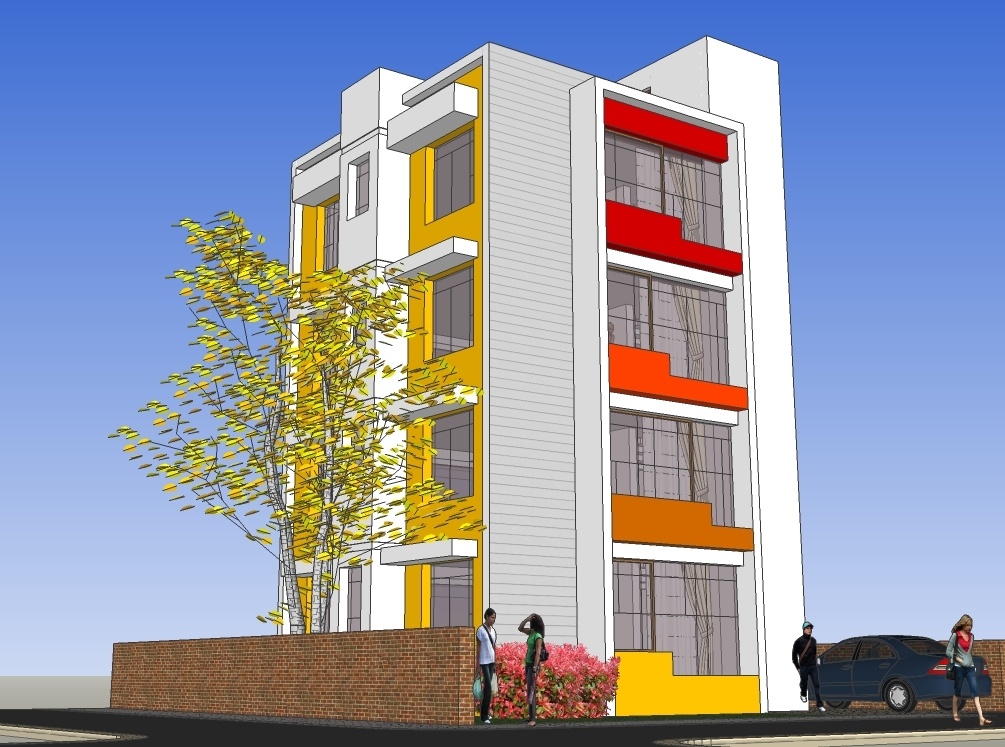
Hybrid Work Models: Homes are now expected to be more adaptable. Understanding GLA helps buyers assess if a property can comfortably accommodate dedicated home offices, gyms, or multi-generational living arrangements.
Sustainability & Efficiency: The “Total Enclosed Footprint” becomes critical when evaluating a property’s energy efficiency. A larger footprint often means greater heating/cooling costs, making sustainable features (like superior insulation, high-efficiency HVAC across all enclosed spaces) a significant value driver.
HOA Transparency: In a market sensitive to recurring costs, absolute clarity on common area allocations and associated HOA fees is crucial. Unforeseen special assessments can derail financial plans.
Technological Advancement: Tools like LiDAR scanning and drone mapping offer increasingly accurate measurements, but interpreting these raw data points still requires expert knowledge to align with established definitions like GLA.
Practical Strategies for Savvy Buyers & Sellers in 2025:
Always Ask for Clarification: When reviewing listings, explicitly inquire about the basis of the reported square footage (e.g., “Is this Gross Living Area, or does it include the garage and basement?”).
Consult Blueprints and Surveys: If available, these documents provide the most granular detail on measurements.
Prioritize Professional Appraisals: For buyers, a professional appraisal will give you the most accurate GLA based on industry standards, which is what your lender will rely on.
Understand HOA Documents Inside Out: If buying into a common interest community, thoroughly review the Declaration of Covenants, Conditions, and Restrictions (CC&Rs) and the bylaws. These define your allocated share and all responsibilities.
Walk the Property with a Critical Eye: Use the square footage as a guide, but ultimately, how the space feels and functions for your specific needs is paramount. Don’t be swayed by inflated numbers.
Verify with Public Records: Cross-reference listing data with county assessor records, understanding that discrepancies can exist.
Factor in Future Potential: While not part of GLA, an unfinished basement or attic offers significant potential for added value and usable space down the line.
The journey through buying or selling real estate in 2025 is complex, but armed with a clear understanding of these fundamental measurements, you gain a powerful advantage. It’s not just about the number; it’s about understanding what that number truly represents for your lifestyle, your finances, and your long-term investment.
Are you ready to optimize your real estate strategy with precision and confidence? Let’s connect to navigate the intricacies of property valuation and ensure your next move is truly informed and financially sound.