
Navigating the $2 Billion Real Estate Investment Landscape: Apartment vs. Land – A Decade of Experience Weighs In
For many, the prospect of investing $2 billion Vietnamese Dong (VND) in real estate sparks a crucial question: should one opt for an apartment or a parcel of land? After a decade immersed in the intricacies of the Vietnamese property market, from the bustling streets of Hanoi to the burgeoning outskirts of Ho Chi Minh City, I’ve witnessed firsthand the ebb and flow of these distinct investment vehicles. This sum, while significant for many individuals, presents a nuanced entry point into real estate investment, demanding careful consideration of goals, risk tolerance, and market dynamics.
The core of this decision hinges on a fundamental understanding of what $2 billion VND can realistically secure in each asset class, coupled with a projection of their respective returns and inherent risks. It’s not merely about acquisition; it’s about strategic positioning for capital appreciation and liquidity.
Unpacking the Apartment Investment Proposition with $2 Billion VND
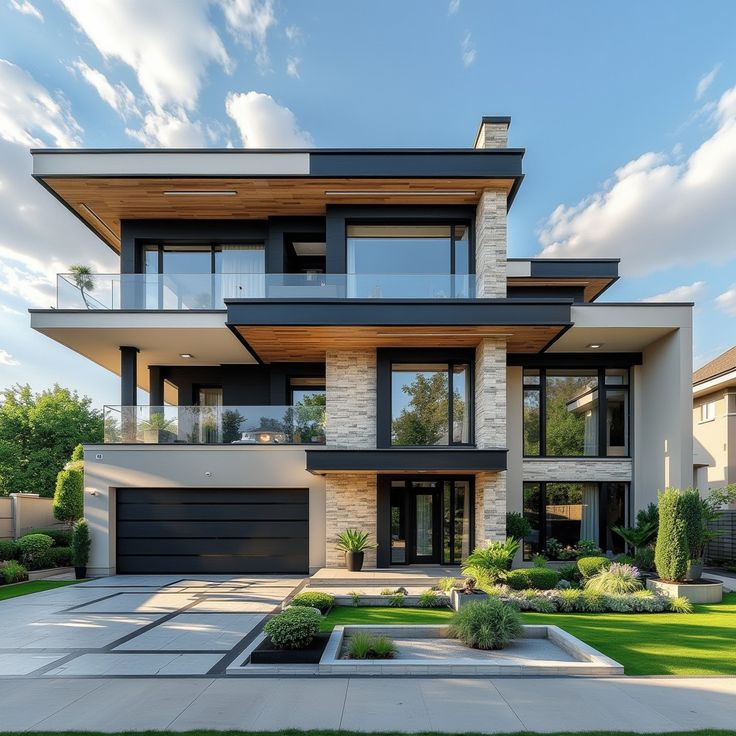
With a budget of $2 billion VND, acquiring a new, modern apartment with two bedrooms and two bathrooms in prime urban locations is an ambitious, often unattainable, goal. Contemporary developments in sought-after areas typically command higher price points, making such a purchase largely infeasible. Instead, this budget generally steers investors toward the affordable housing segment or, more commonly, older, established apartment buildings.
When considering these existing apartment units, the focus shifts to discerning value and potential. A two-bedroom, two-bathroom unit in an established complex might be within reach. However, the key to unlocking potential profitability lies in meticulous due diligence. The emphasis must be on securing properties with clear legal titles, often referred to as a “pink book” (sổ hồng) in Vietnam, which signifies full ownership rights. This is non-negotiable for mitigating future legal entrenchment and ensuring smooth resale.
The average annual price appreciation for older apartments, based on market trends observed over the past few years, typically hovers between 5% to 8%. This figure, while seemingly modest, represents a steady, albeit slow, growth trajectory. However, the current market sentiment reveals a degree of stagnation in apartment liquidity. This means that selling an apartment, especially an older one, can require patience. Investors must critically assess the location’s desirability, evaluating factors such as accessibility to transportation networks, the availability of essential amenities (schools, hospitals, shopping centers), and, crucially, the overall legal framework of the building and its units. A well-located, legally sound apartment is significantly easier to offload without accepting a price reduction driven by forced sales.
For those exploring affordable apartment investment opportunities in Vietnam, or looking for low-risk real estate investments, older apartments with proper documentation can present a viable, albeit less dynamic, option compared to land. The inherent advantage lies in their potential for immediate rental income if the goal is cash flow generation, and a more predictable, if slower, capital appreciation.
The Allure and Ambitions of Land Investment with $2 Billion VND
Venturing into the land market with $2 billion VND opens up a broader spectrum of possibilities, particularly when considering locations beyond the immediate city centers. This budget can typically secure residential plots in the outlying districts of major metropolitan hubs like Hanoi and Ho Chi Minh City, as well as in neighboring provinces that are experiencing development spillover.
For residential land, an investor might expect to acquire plots ranging from 50 to 60 square meters. These are often suitable for constructing smaller homes or for individuals seeking to build their dream dwelling in a more affordable area.
However, the landscape dramatically shifts when agricultural land comes into play. With $2 billion VND, investors can access significantly larger tracts, potentially ranging from several hundred to thousands of square meters. These are commonly found in provinces further from the immediate urban sprawl, such as Hoa Binh, Bac Giang, or Thai Nguyen. The appeal here lies in the potential for significant price surges driven by future urban expansion, infrastructure development, or rezoning initiatives. Investing in land for sale in Vietnam’s provinces or seeking agricultural land investment opportunities can offer higher potential returns, but this comes with a proportionally higher risk profile.
The average profit potential for the land segment often paints a more compelling picture, with annual fluctuations frequently cited between 15% and 20%. This elevated return, however, is not typically realized quickly. Investors must often adopt a long-term perspective, with sales cycles that can extend to 2-3 years, or even longer, to achieve optimal profit. This holding period is contingent on several factors: the development of robust infrastructure connections to the plot, the completion of all legal documentation, and the overall market demand.
It is a fundamental tenet of investment that profit is directly proportional to risk. The higher the anticipated returns from land, the greater the potential for unforeseen challenges and financial exposure.
Navigating the Risks: A Deep Dive into Land Investment Pitfalls
Investing in land, especially in emerging or speculative markets, is fraught with potential hazards that demand a discerning eye and a robust due diligence process.
One significant risk associated with agricultural land is the uncertainty of rezoning. While the dream is for it to eventually become valuable residential or commercial land, there’s no guarantee this will materialize. The investment could remain locked in its agricultural classification, limiting its resale value and investment potential.
The realm of project land development, often spearheaded by small to medium-sized enterprises (SMEs), presents a particularly intricate web of risks. These developers may lack the established track record and diversified portfolio of larger, reputable companies. Their strategy often involves focusing intensely on a single province, generating a “wave” of sales through aggressive marketing and perceived scarcity, before moving on to a new region. This business model can sometimes undermine the level of trust and commitment investors expect.
Furthermore, the information surrounding the land market is frequently subject to manipulation. Brokers, eager to close deals, may inflate prospects by highlighting speculative infrastructure projects, the involvement of major investors, or anticipated planning changes. This can create a sense of urgency and a “fear of missing out” (FOMO) among potential buyers, pushing them to make decisions without adequate scrutiny. The pressure exerted by brokers can lead investors to bypass crucial legal and price verifications.
Legality concerning land subdivision poses another formidable challenge. In many provinces, investors encounter issues with unapproved 1/500 scale plans or are presented with contracts that are deliberately vague, using phrases like “agree to buy a portion of the project’s land plot.” This can ensnare buyers into purchasing shares of a larger parcel, leaving them without the promised individual land use right certificates, and thus unable to develop or sell their portion independently.
The pricing of land often reflects future aspirations rather than current market realities. Investors may find themselves paying a premium for anticipated developments or future infrastructure that has yet to materialize. Upon taking possession of the land, buyers can face prolonged delays in resolving legal issues and witnessing the promised infrastructure come to fruition.
To mitigate these risks, the golden rule for land investment is unwavering: always purchase land with a verified land use right certificate. The certificate must clearly state the correct land classification that aligns with your intended purchase – be it residential, agricultural, or otherwise. Thoroughly scrutinize land use planning maps and conduct comparative market analysis of neighboring areas to avoid overpaying due to misleading developer tactics.
Unveiling Apartment Investment Risks: Beyond the Surface

While often perceived as more secure, apartment investments are not entirely devoid of potential complications, even with a “pink book.”
A notable challenge in the current market is the scarcity of projects that have already secured their individual certificates. This means many buyers, even in completed buildings, face considerable waiting periods before obtaining their official documentation. This delay can impede their ability to sell, as they are reliant on finding a buyer who is not only financially capable but also has a compatible real need for the property and is willing to navigate the extended legal process.
Beyond legalities, apartments are subject to physical depreciation. Buildings age, and their components require maintenance. Investors must scrutinize the quality of the building management team, ensuring they are competent and proactive in maintaining the property. Safety and security are paramount; a well-managed building contributes significantly to its long-term value and desirability.
Furthermore, apartment values tend to appreciate more slowly compared to land. The inherent limitations of a 50-year land leasehold, while currently substantial, can be a long-term concern for some investors when considering the property’s ultimate residual value.
Investing in apartments under construction, or “future housing,” introduces another layer of risk. The success of such investments hinges heavily on the developer’s financial stability and their capacity to complete the project as promised. The legal compliance of these projects is critical. Many fail to secure the necessary 1/500 scale planning permits or meet other regulatory requirements before being legally cleared for sale.
Additional factors to consider when looking at under-construction apartments include:
Quality Discrepancies: Does the actual construction match the model unit and marketing materials?
Building Deterioration: Even new buildings can exhibit quality issues that manifest over time.
Market Saturation: Is the project excessively stocked with similar units? An abundance of identical offerings within the same development can depress resale values and hinder liquidity.
Design and Layout Issues: Incorrect floor plans, mismatched unit sizes, or unfavorable floor orientations can impact Feng Shui and, consequently, resale appeal and pricing.
Expert Guidance: Prioritizing Capital Preservation and Strategic Alignment
As an industry professional with a decade of experience, my advice to individuals considering real estate investment with $2 billion VND is unequivocal: prioritize capital preservation above all else, followed by a clear understanding of your profit objectives.
The crucial first step is to honestly assess your personal circumstances. Do you intend to acquire a property for immediate settlement, or is this purely a strategic investment aimed at wealth accumulation?
If settling down is your primary goal, a completed apartment with a clear title (a “pink book”) is often the most prudent choice. You can reside in it for a few years, enjoying the benefits of homeownership, and then evaluate its market performance for a potential profitable sale. This approach offers stability and a tangible living space.
However, if your driving force is to maximize cash flow and you possess a higher tolerance for risk, coupled with the willingness to continue renting, then investing in land warrants serious consideration. The potential for higher returns over a 3-5 year horizon often outweighs that of apartments, provided the risks are meticulously managed.
Ultimately, the decision between apartments and land with a $2 billion VND budget boils down to your individual risk tolerance and your desired profit margin. Define your acceptable level of risk – how much potential loss can you comfortably absorb? Based on this, ascertain your expected profit trajectory. Only then can you make an informed choice that aligns with your financial aspirations and personal preferences, whether it be an apartment, residential land, or even agricultural land with long-term potential.
Take the Next Step: Secure Your Real Estate Future
Understanding these distinctions is vital for making an informed investment. Don’t let the complexities of the market deter you. If you’re ready to explore specific real estate investment opportunities in Vietnam, or need personalized guidance on whether an apartment or land investment is right for you, it’s time to connect with seasoned professionals. Reach out to a trusted real estate advisor today to discuss your goals and navigate the path to a prosperous real estate future.