
Deciphering the Blueprint: Your Expert Guide to Understanding Property Area Measurements in US Real Estate
As a real estate professional with over a decade in the trenches, I’ve witnessed firsthand the confusion that often clouds what should be a straightforward aspect of property ownership: how we measure space. Whether you’re a first-time homebuyer, a seasoned investor, or a developer planning your next project, truly understanding property area measurements isn’t just about square footage – it’s about clarity, value, and avoiding costly misunderstandings. In the dynamic US real estate market, these nuanced distinctions profoundly impact everything from purchase price and property taxes to insurance costs and future resale potential.
Gone are the days when a simple “square footage” figure sufficed. Today, with increasingly complex structures, diverse property types, and a greater demand for transparency, we need to dive deeper. This comprehensive guide will equip you with an expert-level grasp of the critical area measurements in US real estate, empowering you to make informed decisions that align with your financial goals and lifestyle.
The Foundation: Key Area Definitions in US Real Estate
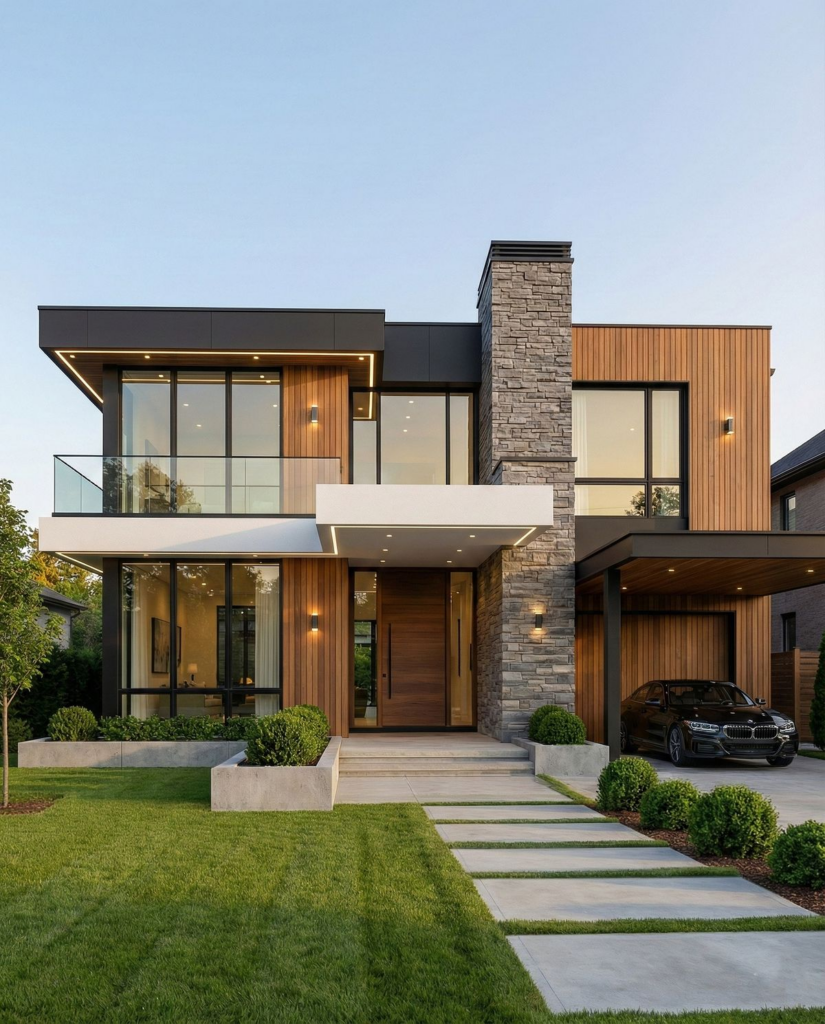
Let’s cut through the jargon and establish a clear understanding of the core measurements that define property size in the United States. While terms might vary slightly by region or specific context (like appraisal versus MLS listings), the underlying concepts remain consistent.
Finished Living Area (FLA): Your True Usable Space
If there’s one measurement that truly dictates your daily experience in a home, it’s the Finished Living Area (FLA). In essence, FLA represents the heated, habitable living space within a property that is suitable for year-round use and meets standard building codes for residential occupancy. Think of it as the interior space where you can place furniture, entertain guests, and conduct daily life – your actual living footprint.
What FLA typically includes:
Bedrooms, bathrooms, kitchens, living rooms, dining rooms.
Finished basements, attics, and bonus rooms (if they are heated, have a permanent floor, ceiling, walls, and are directly accessible from the main living area).
Any area within the exterior walls that is heated, cooled, and built to the same quality standards as the rest of the main living space.
What FLA typically excludes:
Garages (attached or detached).
Unfinished basements or attics.
Open porches, patios, decks, or balconies (even if covered).
Storage rooms or utility rooms that are not considered part of the primary living space.
Any area with a ceiling height below a certain threshold (often 7 feet, varying by local code or appraisal standards).
Expert Insight: From a practical standpoint, the FLA is what you’re primarily paying for when you buy a home. It’s the most significant factor in your perceived value and comfort. Always ask for this specific number when evaluating residential property dimensions. When comparing homes, ensure you’re comparing apples to apples in terms of finished living space.
Gross Living Area (GLA): The Appraiser’s Benchmark
Often confused with Finished Living Area, Gross Living Area (GLA) is a crucial term, especially in the context of appraisals and property valuation. While similar to FLA, GLA specifically refers to the total finished, heated, and above-grade residential space as measured from the exterior of the walls. It’s the standard used by appraisers, particularly those following Uniform Standards of Professional Appraisal Practice (USPAP) and the American National Standards Institute (ANSI) Z765-2021 guidelines for measuring single-family homes.
Key characteristics of GLA:
Measured from the exterior: Unlike FLA, which focuses on interior usable space, GLA calculates from the outside surface of the exterior walls. This means it implicitly includes the thickness of internal walls and a portion of exterior walls.
Above-grade only: Crucially, GLA typically excludes any finished space below grade (like a finished basement), even if it’s high quality and heated. This is a significant distinction from FLA, which can include finished basements if they meet other criteria.
Includes all finished, heated space above ground: Encompasses all levels of the home that meet these criteria.
Why GLA matters: For mortgage lenders and insurers, GLA is the gold standard. It provides a consistent, standardized approach to understanding property area measurements that allows for accurate comparisons between comparable properties during a home appraisal. If you’re seeking a mortgage pre-approval or exploring home equity loan options, the GLA reported by the appraiser will heavily influence their assessment.
Total Under-Roof Area / Total Enclosed Area: The Whole Package
Stepping back for an even broader perspective, the Total Under-Roof Area (sometimes called Total Enclosed Area or Total Area) represents the entire footprint of a structure under its main roofline. This measurement is the most expansive and includes not just finished living spaces but also garages, unfinished basements, utility rooms, and sometimes even covered patios or porches, provided they are structurally integral to the main building.
What Total Under-Roof Area typically includes:
All GLA.
Finished and unfinished basements (below-grade areas).
Attached garages.
Enclosed sunrooms or three-season rooms (even if not fully heated to the main living standard).
Any other structurally enclosed space within the building’s outer perimeter.
Expert Insight: While not typically used for direct value comparisons of living space, the Total Under-Roof Area is crucial for understanding the overall scale of a property. Developers use it for building permits, architects for construction blueprints, and buyers might consider it when assessing the potential for future expansion or storage. It’s a key metric for understanding the entire physical presence of the residential property dimensions.
Common Area Allocation (for Condos/HOAs): The Shared Responsibility
In multi-family dwellings, particularly condominiums, townhouses, and properties within Homeowners Associations (HOAs), Common Area Allocation comes into play. This concept is the US equivalent to what some other markets might refer to with “super built-up area,” where your individual unit’s property size calculation might include a proportionate share of the building’s shared amenities.
What Common Areas include:
Lobbies, hallways, stairwells, elevators.
Fitness centers, swimming pools, clubhouses.
Parking garages, landscaped gardens, common terraces.
Building mechanical rooms, utility closets, maintenance offices.
How it works: When you purchase a condo, your ownership extends to your individual unit, but you also own an undivided fractional interest in the common elements of the building or development. This percentage of ownership often dictates your HOA fees, voting rights, and sometimes, how the total understanding property area measurements for the entire development is divided among units. Developers might advertise a unit’s size including a pro-rata share of these common elements, leading to a larger “advertised square footage” than the actual Finished Living Area of the unit itself.
Expert Insight: This is a critical area for buyer due diligence. Always clarify whether the advertised square footage for a condo unit includes a share of common areas or if it’s purely the interior living space. This distinction is vital for accurate property valuation and comparing units within the same building or competing developments. It can significantly impact your perceived value per square foot, especially in luxury real estate.
Navigating Standardized Area Measurements: The US Approach to Transparency
While the US doesn’t have a single, federal “RERA-like” authority specifically dictating property measurement standards, the spirit of transparency and consistency that such regulations aim for is addressed through a combination of industry standards, appraisal guidelines, and robust disclosure requirements. This fragmented but effective system ensures a degree of reliability in understanding property area measurements.
The Role of ANSI Z765-2021: Setting the Standard
For single-family homes, the American National Standards Institute (ANSI) Z765-2021 standard for “Measuring Square Footage of Residential Buildings” is widely recognized and adopted by appraisers. This guideline provides a consistent methodology for calculating Gross Living Area (GLA), specifying:
Exterior Measurements: How to measure from the outside of the foundation or exterior walls.
Minimum Ceiling Heights: Typically requiring at least 7 feet, with specific rules for sloped ceilings.
Direct Access: Requiring finished areas to be directly accessible from other finished areas.
Above-Grade Only: Emphasizing that only above-grade space counts towards GLA.
Why it matters: Adherence to ANSI standards provides a crucial layer of trust. When an appraiser uses ANSI, buyers and lenders can be confident that the reported GLA is derived using a consistent, recognized methodology, aiding in accurate property valuation services and fair understanding property area measurements.
MLS and State Real Estate Commissions: Local Rules and Disclosures
Beyond national appraisal standards, local Multiple Listing Services (MLS) boards often have their own rules regarding how square footage is reported by real estate agents. These rules aim to standardize listings within a regional market, helping real estate agents and buyers compare properties fairly.
Furthermore, state real estate commissions and real estate law firm guidelines mandate comprehensive disclosure requirements. Sellers are typically required to disclose any known material defects and, importantly, the source of any reported square footage. This might include:
Appraisal reports: The most reliable source.
Builder’s plans: For new construction.

Public records: Often from previous appraisals or tax assessments, which may not always be perfectly current or accurate.
Professional measurements: Taken by a licensed surveyor or measuring service.
Expert Insight: Never solely rely on a single number from a marketing brochure or a past listing. Always ask for the source of the square footage data. If the seller or agent cannot provide it, or if it seems inconsistent with your visual assessment, consider commissioning a professional measurement. This proactive approach is a cornerstone of smart home buying guide principles and protects your real estate investment.
The Real-World Impact: Why These Distinctions Matter
Truly understanding property area measurements goes far beyond academic interest. These definitions have tangible impacts on your finances, legal standing, and overall satisfaction with a real estate transaction.
Property Valuation and Pricing
The most immediate impact of area measurements is on a property’s market value and price. Developers often quote prices based on total enclosed area or, in condos, a figure that includes common areas. Buyers, however, primarily experience and pay for Finished Living Area. A significant discrepancy can lead to:
Misleading price per square foot: If you compare a home’s price based on its total under-roof area (including a garage) to another’s based purely on GLA, your cost-per-square-foot calculation will be inaccurate.
Appraisal gaps: An appraiser’s GLA, derived from strict guidelines, might come in lower than an agent’s marketing square footage, leading to appraisal gaps that can jeopardize mortgage approval. This is why a consistent understanding property area measurements is paramount for lenders.
Property Taxes and Insurance Premiums
Local property tax assessment offices often base their valuations on specific area measurements, which can vary. Some may use GLA, others might factor in total under-roof area, and some might even have different rates for finished versus unfinished basement space. Similarly, homeowner’s insurance premiums can be influenced by the total square footage to rebuild the structure. Inaccurate measurements can lead to:
Overpaying taxes: If your property is assessed based on an inflated square footage figure.
Inadequate insurance coverage: If your policy is based on an underestimated total area, leaving you underinsured in case of disaster.
Development, Permitting, and Building Codes
For developers and those planning significant renovations, understanding property area measurements is critical for navigating local city zoning laws, building codes, and obtaining permits. Zoning regulations often dictate allowable floor area ratios (FAR), which limit the total square footage of a building relative to its lot size. Precise measurements are essential for compliance and avoiding costly project delays or penalties.
Real Estate Investment Strategies
Savvy real estate investors meticulously analyze area measurements. For residential property appraisal and investment, maximizing Finished Living Area is often key to rental income and resale value. In contrast, for certain commercial property investment strategies, total enclosed area or specific common area allocations might be more relevant. Distinguishing between these allows investors to accurately project returns and compare opportunities.
Practical Tips for Empowered Decision-Making (Updated to 2025 Trends)
As we move into 2025, technology and an increased demand for data veracity are shaping how we approach understanding property area measurements. Here are my expert recommendations:
Always Ask for the Source: Don’t just accept a square footage number. Inquire where it came from. Is it from an appraiser, the builder’s original plans, public tax records, or a professional measurement service? Prioritize appraisal reports and certified measurements for accuracy.
Understand the Definition Being Used: Clarify which measurement is being presented: Finished Living Area, Gross Living Area, Total Under-Roof Area, or a figure inclusive of common areas. This is especially crucial for condos, where advertised square footage can be significantly different from actual usable space.
Conduct Your Own Visual Inspection & Measure What Matters: While not as precise as professional tools, walk through the property and mentally (or even roughly with a laser measure) assess the usable space. Does the advertised number feel right? Pay attention to ceiling heights, which often disqualify certain areas from being counted as finished living space.
Embrace Technology: Modern real estate leverages laser measuring devices, 3D scanning, and virtual tours. Utilize these tools. A detailed 3D scan can provide highly accurate floor plans and area calculations, offering unparalleled transparency.
Factor in “Unmeasured” Value: Recognize that not all value is captured by square footage. A smaller, well-designed home with premium finishes, smart home technology, and an exceptional layout might offer a superior living experience to a larger, less efficient one. The “quality per square foot” is as important as the quantity.
Budget for a Professional Measurement if Unsure: If you have significant concerns about the reported square footage, or if it’s a high-value real estate investment, consider hiring a licensed appraiser or a professional measuring service. The cost is minimal compared to the potential financial implications of an inaccurate figure.
Consult Local Experts: Real estate law firms, experienced real estate agents, and mortgage professionals specializing in your local market can provide invaluable insights into regional variations in measurement practices and disclosure laws.
Conclusion: Your Foundation for Real Estate Success
Navigating the intricacies of understanding property area measurements is a foundational skill for anyone engaging with the US real estate market. It’s not merely a technicality; it’s a critical component of property valuation, financial planning, and ensuring you get true value for your money. By distinguishing between Finished Living Area, Gross Living Area, Total Under-Roof Area, and the nuances of Common Area Allocation, you empower yourself with the knowledge to scrutinize listings, understand appraisals, and negotiate with confidence.
As an expert who has guided countless individuals through these waters, I emphasize that clarity around these terms is your best defense against misunderstanding and your best asset for making sound decisions. Don’t let confusing numbers lead to buyer’s remorse or missed opportunities. Take the time to understand these definitions, ask the right questions, and leverage available resources.
Ready to explore your next property venture with absolute clarity? Contact a trusted local real estate professional or appraisal expert today to ensure every square foot counts towards your success.