
Decoding the Dimensions: A Real Estate Expert’s Guide to Property Area Measurements
Navigating the American real estate landscape, whether you’re a seasoned investor or a first-time homebuyer, requires a keen understanding of foundational metrics. Among the most critical yet frequently misunderstood are the various ways property dimensions are measured and communicated. From the seemingly simple square footage to more nuanced interpretations of shared spaces, grasping these property area measurements is not just an academic exercise; it’s fundamental to evaluating value, negotiating effectively, and making sound financial decisions.
In my decade of experience as a real estate professional, I’ve witnessed firsthand how a lack of clarity around these terms can lead to significant discrepancies, buyer’s remorse, and even legal disputes. While terms like “Carpet Area,” “Built-Up Area,” and “Super Built-Up Area” might sound specific to international markets, the underlying concepts of usable space, total enclosed area, and shared amenities are universally vital in real estate valuation. This comprehensive guide will dissect these core concepts, contextualize them for the U.S. market, and equip you with the insights of an industry veteran to confidently assess any property.
The Foundation of Space: Usable Living Area (The “Carpet Area” Concept)
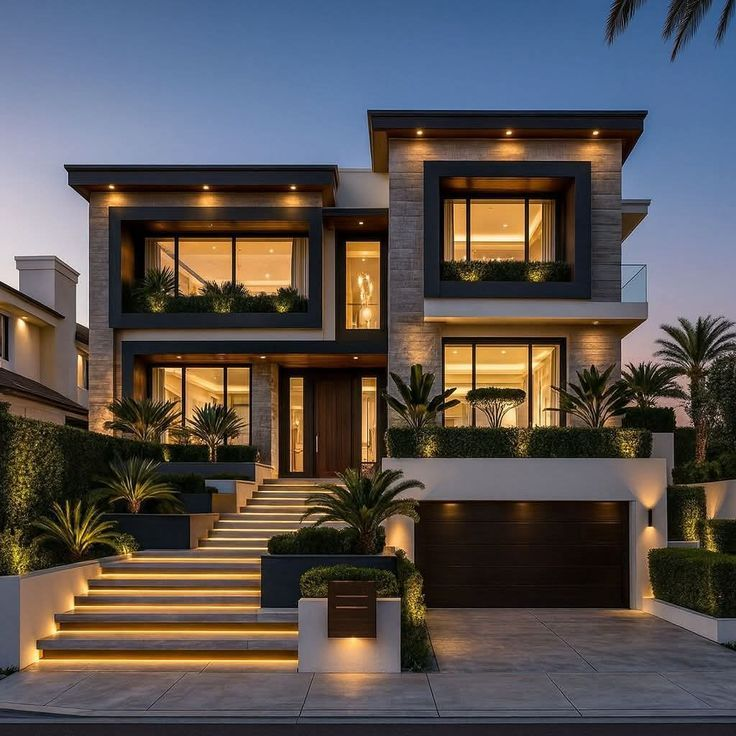
Let’s begin with what’s often the most intuitive measurement: the actual space you live in. While the term “Carpet Area” isn’t standard in U.S. real estate, the concept it represents—the net usable floor area within a dwelling—is paramount. Think of it as the interior space where you can lay carpet, place furniture, and physically exist, excluding the thickness of walls, external structures, and utility shafts.
In the United States, this concept most closely aligns with what appraisers and real estate professionals refer to as “Finished Square Footage” or “Gross Living Area (GLA)” – specifically, the portion that is truly habitable. This typically includes areas that are heated, cooled, and finished to the same quality as the main living spaces. It excludes garages, unfinished basements, open porches, or external storage.
Why is this crucial for U.S. buyers?
When you compare properties, especially in competitive markets, the usable living space directly dictates your comfort, functionality, and daily experience. A home advertised as 2,000 square feet might have a significant portion of that taken up by thick internal walls, an oversized utility closet, or a non-habitable enclosed patio. Focusing on the practical, “walkable” area gives you a realistic expectation of the property’s utility. For a luxury real estate investment, understanding this distinction is even more critical; buyers paying a premium expect every square foot to contribute meaningfully to their lifestyle.
Expert Insight: I always advise clients to mentally (or even physically, with a tape measure) envision how their furniture will fit. Don’t just trust the number on paper; understand what that number means in terms of actual living capacity. It’s the most transparent measure of what you’re truly getting for your money in terms of daily function.
Beyond the Walls: Total Enclosed Area (The “Built-Up Area” Concept)
Moving beyond just the usable space, the “Built-Up Area” concept encompasses the entire area enclosed within the outer walls of a unit. This is a broader measurement, including not only the usable space but also internal wall thicknesses, exclusive balconies, terraces, and sometimes even exclusive corridors if they are an integral part of the unit’s footprint and maintenance.
In the U.S. context, this can be likened to the “Gross Living Area” as defined by appraisal standards like those from Fannie Mae or Freddie Mac, but with an important nuance. While GLA typically refers to the finished, habitable space above grade, the “Built-Up Area” concept expands to include all areas under the roof line and within the perimeter, whether finished or not, or even partially open but exclusive. For instance, a covered porch or a enclosed, but unheated, sunroom might factor into this broader “total enclosed area” concept in some international definitions, whereas in the US, these would be explicitly itemized and might not contribute to the “finished square footage.”
Impact on U.S. Real Estate:
This measurement often reveals the efficiency of a floor plan. A property with a large “Built-Up Area” but a proportionally smaller “usable living area” suggests a design with thicker walls, inefficient layouts, or significant non-habitable internal structures. Understanding this allows for a more discerning comparison between properties. Developers often build to these larger footprints to accommodate structural necessities, but savvy buyers should always cross-reference with the true usable space. This is particularly relevant when performing due diligence real estate for larger acquisitions.
Expert Insight: When evaluating new construction, pay close attention to floor plans. Developers use sophisticated software to optimize layouts, but sometimes structural requirements or architectural aesthetics consume more square footage than anticipated. Always ask for detailed plans that differentiate between interior wall thickness, structural elements, and pure living space. This is where comprehensive real estate consulting services can provide invaluable analytical depth.
The Regulatory Lens: Standardizing Measurements (The “RERA Built-Up Area” Analogy)
The original article mentions “RERA Built-Up Area,” a term derived from India’s Real Estate (Regulation and Development) Act. RERA was introduced to bring transparency and standardization to property measurements, specifically excluding common areas and exclusive balconies/terraces from a primary “built-up” calculation. While there isn’t a direct “RERA Built-Up Area” equivalent in the United States with a single, overarching federal definition, the spirit of RERA—to standardize measurements and enhance transparency—is deeply embedded in various U.S. real estate practices and regulations.
In the U.S., standardization efforts come from multiple fronts:
Appraisal Standards: Organizations like the Appraisal Institute, along with government-sponsored enterprises (GSEs) like Fannie Mae and Freddie Mac, issue strict guidelines for how square footage should be calculated for appraisal purposes. These guidelines dictate what counts as “finished living area” (e.g., minimum ceiling heights, direct access to living areas, heating/cooling systems). This ensures that an appraiser’s reported square footage is consistent across properties, forming a reliable basis for lending.
Local Building Codes & Zoning: Municipal and county regulations often define what constitutes “livable space” for permitting, property tax assessments, and zoning compliance. These local search intent keywords are crucial as definitions can vary, impacting calculations. For instance, an enclosed patio in one county might be included in the total square footage, while in another, it may not be unless it meets specific insulation or finishing criteria.
MLS Listings: Multiple Listing Services (MLS) often have standardized fields for reporting square footage, though data entry can still vary based on the source (county records, builder plans, appraisal).
Why This Matters for U.S. Buyers:
The lack of a single “RERA-like” federal standard means buyers and their agents must be diligent. Always ask for the source of the square footage figure. Is it from county tax records? An old appraisal? Builder plans? A recent measurement? Discrepancies can occur, and understanding the methodology behind the number is key to an accurate property assessment. This due diligence helps prevent costly surprises down the line and is paramount for securing fair residential property appraisal outcomes.
Expert Insight: Never assume the square footage listed on an MLS or in an advertisement is gospel. Always cross-reference with public records (county assessor’s office) and, if possible, obtain a copy of the most recent appraisal or architect’s plans. For significant transactions or commercial property valuation, consider ordering a professional measurement survey. It’s a small investment that can prevent huge headaches.
The Full Picture: Shared Spaces and the “Super Built-Up Area” Concept
The “Super Built-Up Area” is the most expansive measurement, incorporating the total enclosed area of a unit plus a proportionate share of the building’s common areas. This includes shared amenities and facilities like lobbies, staircases, elevators, gyms, swimming pools, clubhouses, parking areas, gardens, and even utility rooms. Essentially, it represents the entire footprint of the property—both individual and shared components—allocated to a particular unit owner.
While the term “Super Built-Up Area” isn’t used in the United States, the concept of owning a share of common elements is central to condominium and cooperative ownership. In a U.S. condo or co-op, you own your individual unit (typically defined by its interior “airspace” boundaries, often analogous to the “usable living area” concept) and an undivided proportional interest in the building’s common elements. This proportional interest is crucial.
How This Translates to U.S. Real Estate:
Condominiums & Co-ops: When you buy a condo, your purchase price covers your unit’s square footage plus your share of the common elements. This share also determines your monthly Homeowners Association (HOA) fees, your voting rights in the association, and your share of property taxes on the common elements (though usually collected via HOA fees). The total dwelling area for your living space is separate from your “share” of the common areas, but both contribute to the overall value proposition.
HOA Fees: These fees cover the maintenance, insurance, and improvement of the common areas. A larger “share” (often based on your unit’s size relative to others) typically means higher fees.
Amenities: The quality and quantity of common amenities directly impact the desirability and value of the property, especially in premium real estate opportunities. While you don’t typically pay per “super built-up square foot” in the U.S., you certainly pay for the access and upkeep of these shared luxuries.
Expert Insight: For condos or co-ops, go beyond the unit’s square footage and thoroughly investigate the common areas. What amenities are included? What condition are they in? What are the HOA fees, and what do they cover? Review the HOA’s financial statements and governing documents (CC&Rs, bylaws) to understand potential special assessments or future costs. A fantastic unit within a poorly managed building with crumbling common areas is rarely a sound investment property analysis. The value of your individual unit is inextricably linked to the health and desirability of the shared spaces.
The Critical Comparison: A Side-by-Side View
Let’s summarize how these conceptual measurements stack up and their implications:
| Measurement Concept | U.S. Equivalent/Focus | Inclusions | Exclusions | Primary Use in U.S. |
| :—————— | :——————– | :——— | :——— | :——————- |
| Carpet Area | Usable Living Space / Finished Square Footage (Net) | Interior floor area (within walls) | Wall thickness, external walls, balconies, utility shafts | Buyer understanding of actual living space, basis for per-square-foot valuation. |
| Built-Up Area | Gross Living Area (GLA) / Total Enclosed Area (Finished & Unfinished but integrated) | Usable living space + internal wall thickness + exclusive balconies/patios | Common areas, external structural elements beyond unit perimeter | Broader property assessment, structural footprint. |
| Super Built-Up Area | Unit’s Square Footage + Proportional Share of Common Elements (as part of ownership in condos/co-ops) | Built-Up Area + share of building amenities (lobbies, gym, etc.) | None (it’s the total allocated footprint) | Determining HOA fees, voting rights, overall property value in multi-unit buildings. |
Impact on U.S. Real Estate Transactions and Valuation
The way property area measurements are calculated and presented profoundly affects value, negotiations, and investment returns. In the U.S., property prices are almost universally quoted based on “Finished Square Footage” (the closest equivalent to our “usable living space” concept). However, understanding the broader concepts helps you:
Determine True Value: A property listed at $300/sq ft might seem like a bargain, but if that square footage includes significant non-usable space (thick walls, odd angles, or a disproportionate amount of space dedicated to circulation rather than rooms), your effective price per usable square foot could be much higher. Maximizing property value requires this level of analytical rigor.
Negotiate Effectively: Armed with an understanding of these distinctions, you can challenge assumptions. If a developer or seller is subtly inflating the perceived size by emphasizing a “gross” area without clarifying the usable space, you have the data to negotiate a more equitable price.
Assess Future Potential: The efficiency of a layout (ratio of usable to total enclosed area) impacts renovation costs and the potential for optimizing space utilization. Understanding the common area breakdown helps evaluate long-term costs and benefits in shared ownership structures.

Mitigate Risk: Discrepancies in reported square footage are a common source of buyer dissatisfaction. Proactive verification of measurements is a key component of robust due diligence real estate and can prevent future legal issues or appraisal shortfalls.
Practical Tips for Discerning U.S. Buyers and Investors (2025 Outlook)
Always Clarify the Source and Definition: When reviewing an MLS listing or a builder’s brochure, ask: “What measurement is this square footage based on? Is it a county record, an appraisal, or builder plans? Is it finished living area above grade, or does it include other spaces?”
Request Floor Plans: Detailed floor plans are invaluable. They visually represent the usable square footage, internal walls, and the overall flow, allowing you to mentally place furniture and understand the layout’s efficiency. Digital walkthroughs and VR tours are excellent, but always ask for a 2D floor plan for true spatial awareness.
Understand Appraisal Standards: Familiarize yourself with how appraisers calculate Gross Living Area (GLA). Generally, this means enclosed, finished, heated space with direct access from other finished areas, and a minimum ceiling height (typically 7 feet). Areas below grade (basements) are usually itemized separately, even if finished.
Visit with a Critical Eye: Walk through the property. Does the advertised square footage feel right? Pay attention to hallways, oversized closets, or oddly shaped rooms that might consume square footage without adding significant utility.
Factor in Common Areas for Multi-Unit Dwellings: For condos and co-ops, remember you’re buying into a lifestyle that includes shared amenities. While your unit’s square footage defines your private domain, the quality and extent of the common areas contribute significantly to your property’s value, appeal, and long-term expenses. Evaluate the HOA’s financial health and maintenance history.
Leverage Technology: Modern tools, from laser measuring devices to online property mapping services, can help verify dimensions. While not a substitute for professional appraisal, they offer a useful sanity check.
Seek Expert Advice: This is where real estate consulting services truly shine. An experienced agent or consultant can interpret floor plans, cross-reference public records, anticipate appraisal challenges, and negotiate based on an accurate property assessment. For luxury real estate investments, this specialized insight is non-negotiable.
The Future of Property Area Measurements (2025 & Beyond)
As we move toward 2025, the demand for transparent and standardized property area measurements will only intensify. Digital twins of properties, advanced laser scanning, and AI-driven floor plan analysis are becoming more accessible. Buyers will increasingly expect highly accurate, verifiable data. The emphasis will shift from simply a number to a comprehensive digital model that breaks down every square foot into its specific use and classification. Sustainability and smart home integrations will also influence how “usable space” is perceived, with adaptable layouts and multi-functional rooms becoming more valued. This shift will empower both buyers and sellers, leading to more informed and efficient real estate transactions.
Taking the Next Step
Understanding the nuances of property area measurements is more than just a real estate checkbox; it’s a critical component of smart decision-making. Whether you’re assessing a new build, a resale, or an investment property, the clarity gained from dissecting these dimensions protects your financial interests and ensures your expectations align with reality. Don’t leave such a vital aspect of your investment to chance.
Are you ready to dive deeper into a specific property or need expert guidance on its true valuation? Contact our team today for personalized real estate consulting services and ensure your next property move is built on a foundation of clarity and confidence. Let us help you unlock the full potential of your real estate investment with an accurate property assessment tailored to your unique goals.