
Two Billion VND in Real Estate: Apartment or House for Your Next Investment?
For many individuals, two billion Vietnamese Dong (VND) represents a significant financial milestone. When contemplating real estate investment with this sum, a crucial question arises: should one gravitate towards an apartment or a house? This decision is far from monolithic, involving a nuanced interplay of market dynamics, risk tolerance, and personal objectives. As an industry expert with a decade of experience navigating the complexities of the Vietnamese property landscape, I’ve witnessed firsthand the evolving strategies and pitfalls associated with such investment thresholds.

Let’s unpack the current climate for real estate investment in Vietnam, specifically for those with around 2 billion VND to deploy. This capital, while substantial for many, places certain constraints and opportunities within the market. It’s not enough to command prime, newly constructed luxury apartments in the heart of major cities like Hanoi or Ho Chi Minh City, nor does it typically secure sprawling villas in sought-after urban enclaves. Instead, this budget typically steers investors towards more accessible market segments, each with its own distinct risk-reward profile.
The Apartment Investment Landscape: Navigating Affordability and Liquidity
When considering apartments with a budget of approximately 2 billion VND, the reality of the market in 2025 dictates a focus on certain categories. You’re likely looking at either affordable housing options, or older, established apartment units. Buying a new, modern two-bedroom apartment in a desirable urban area often proves challenging with this budget, as prices for such units tend to be higher, and the available square footage might be more constrained.
However, investing in established or “older” apartment buildings can present a compelling case. These properties, often built several years or even decades ago, can offer a more accessible entry point. The key advantage here lies in the potential for stable, albeit moderate, appreciation. Historically, the average price increase for well-located older apartments has hovered around 5-8% annually. This steady growth, while not explosive, provides a degree of predictability.
Crucially, for apartment investments, particularly those in the resale market, legal documentation is paramount. Ensure any property you consider has a “pink book” – the official Certificate of Land Use Rights and Ownership of Residential House and Other Assets Attached to Land. This document is your guarantee of clear title and legal ownership, mitigating significant risks. Without it, you are essentially buying into uncertainty, which can severely impact your ability to resell or leverage the property.
Liquidity can be a concern in the apartment market. While not entirely stagnant, the ability to offload an apartment quickly and at a favorable price depends heavily on several factors. Location remains king. Proximity to major transportation hubs, essential amenities like schools, hospitals, and shopping centers, and the overall development of the surrounding infrastructure are critical determinants of future demand. Furthermore, understanding the legal standing of the building, including any outstanding construction permits or unresolved disputes, is essential. Thorough due diligence on these aspects will ensure you can exit the investment without being forced into a distressed sale.
The House and Land Investment Equation: Higher Returns, Higher Risks
Venturing into the house and land segment with a 2 billion VND budget opens up different geographical possibilities. This sum can typically afford you land in the outer districts of major metropolitan areas like Hanoi and Ho Chi Minh City, or in provinces that serve as their immediate economic hinterlands. For residential land, you might be looking at plots in the range of 50-60 square meters. If your strategy leans towards agricultural land, the same budget can unlock significantly larger parcels, ranging from several hundred to thousands of square meters, in more distant provinces such as Hoa Binh, Bac Giang, or Thai Nguyen.
The allure of land investment often lies in its potentially higher profit margins. The land segment, on average, has demonstrated profit fluctuations between 15-20% per year. However, this higher potential return comes with a caveat: illiquidity. Unlike apartments, land transactions are rarely quick. Investors often need to hold land for at least two to three years to realize optimal profits, especially if they are waiting for infrastructure development or zoning changes to materialize. The adage that profit is proportional to risk holds particularly true here; higher potential gains are invariably linked to greater exposure to market volatilities and unforeseen challenges.
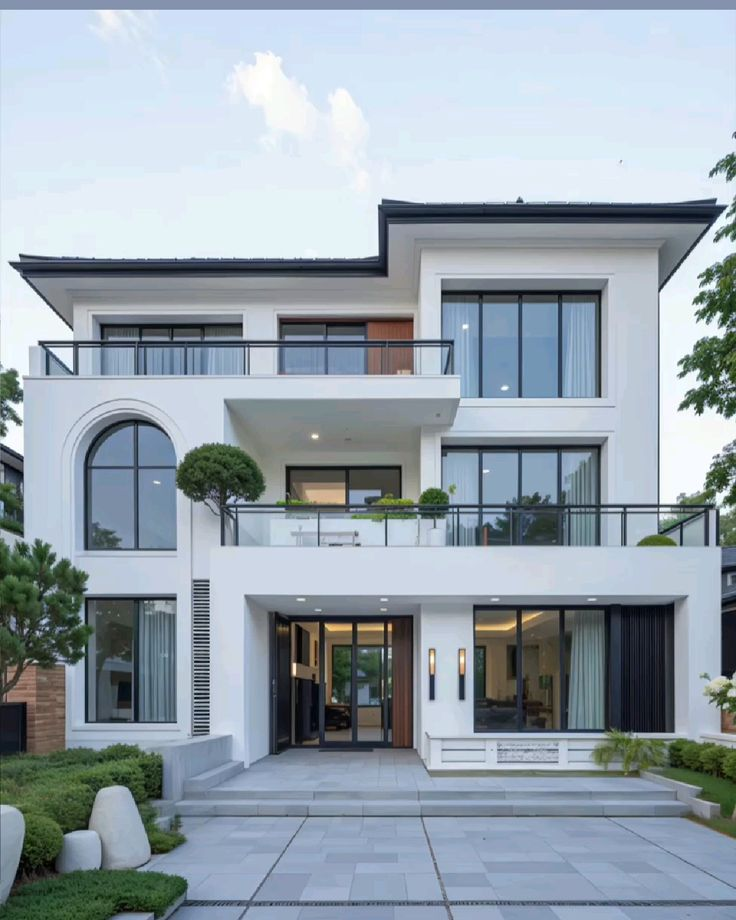
The risks associated with land investment are multifaceted and warrant careful consideration. Agricultural land, for instance, carries the inherent risk of not being rezoned for residential or commercial use, potentially trapping your capital in an unproductive asset. Furthermore, the land market is often susceptible to speculative bubbles and “inflated” prices. Brokers, developers, and even social media trends can create a sense of urgency, or “FOMO” (Fear Of Missing Out), leading to rushed decisions and purchases at prices detached from intrinsic value. Small to medium-sized developers, who often focus on single-province projects and rapid sales cycles, may not possess the same established reputation or long-term commitment as larger, diversified real estate corporations. This can translate to higher risks regarding project completion and legal compliance.
A significant concern within the land market is the prevalence of legally ambiguous subdivisions. Investors may encounter projects that are sold based on unapproved 1/500 scale planning documents, or contractual clauses that speak of “agreeing to buy a portion of a project’s land plot.” This can lead to buyers ending up with shared ownership certificates, making it impossible to legally divide and register their individual plots as promised. It’s crucial to remember that land prices are often projected based on future potential – the envisioned infrastructure, planned amenities, or anticipated zoning changes. This means you are rarely buying at the current market price, but rather a price reflecting a speculative future. Delays in legal processes or infrastructure development can leave investors waiting for extended periods.
To mitigate these risks, a cardinal rule for land investors is to always purchase land with a clear, individual land use rights certificate (pink book). This certificate must accurately reflect the type of land you intend to purchase. Moreover, conducting thorough due diligence on land use planning, cross-referencing prices with neighboring areas, and understanding the local market dynamics are essential to avoid overpaying due to developer machinations.
Evaluating Risks and Rewards: A Personalized Approach
Both apartments and houses, even when acquired with a Certificate of Land Use Rights, are not immune to unexpected challenges. As mentioned, very few apartment projects have individual certificates readily available at the time of sale, leading to prolonged waiting periods for legal ownership. When it’s time to sell, finding a buyer with compatible interests, genuine need, and sufficient financial capacity can also be a lengthy process. Prospective buyers should also scrutinize the building’s management team, the building’s overall condition, and safety protocols.
The inherent nature of apartments means they are subject to depreciation and obsolescence over time. Apartment price appreciation tends to be slower than that of land, and the 50-year ownership period, while currently long-term, represents a potential future concern for some investors.
Investing in under-construction apartment projects, often referred to as “future housing,” carries an even greater degree of risk. The successful completion of such projects is directly tied to the developer’s financial capacity and operational competence. The legal framework surrounding these projects is critical; many lack the mandatory 1/500 planning approval or fail to meet other regulatory requirements for sales. Beyond the legalities, consider the quality of construction compared to model units, the potential for rapid deterioration, and the concentration of similar units within the same project, which can hinder resale liquidity. Even design flaws, incorrect unit sizes, or unfavorable floor placements can impact future saleability and Feng Shui considerations, which are important for many Vietnamese buyers.
Strategic Investment Decisions for 2 Billion VND
As an industry expert, my advice to individuals considering a 2 billion VND real estate investment hinges on two primary pillars: capital preservation and profit maximization, in that order. The current economic climate, with its inherent volatilities, necessitates a conservative initial approach.
Your decision should first align with your immediate needs. Are you looking to settle down, or is this purely a speculative investment aimed at increasing your cash flow?
If settling down is a priority, a completed apartment with a pink book offers a stable solution. You can reside in it for a few years, and then, if market conditions are favorable, consider selling for a potential profit.
However, if your primary objective is capital growth and you possess a higher risk tolerance, coupled with the willingness to continue renting or maintain alternative living arrangements, then investing in land might be a more suitable path. Historically, over a three-year horizon, land investments have shown a greater potential for capital appreciation compared to apartments.
Ultimately, the choice between an apartment, residential land, or agricultural land depends on your personal risk tolerance. Define your acceptable level of risk, determine your expected profit margin, and then make a decision that aligns with your financial goals and personal preferences. Understanding real estate investment strategies in Vietnam, the nuances of property investment in Hanoi, Ho Chi Minh City real estate opportunities, and the importance of legal due diligence for property buyers will empower you to make informed choices. Considering high CPC real estate keywords such as “best property investment Vietnam,” “return on investment real estate Vietnam,” or “affordable housing investment opportunities” can guide your market research, but always ground your decisions in fundamental analysis and expert advice.
This is your opportunity to leverage your capital wisely. Don’t let indecision paralyze your progress. Take the first step in your investment journey today by conducting further research tailored to your specific circumstances and consulting with trusted real estate professionals.