
Houses vs. Apartments: Navigating the Multifamily Investment Landscape in 2025
The American real estate arena is currently experiencing a significant upswing, with construction cranes a common sight and development teams working at a fervent pace. As of early 2024, an impressive 934 multifamily properties and a staggering 1.485 million new residential units were underway nationwide. This robust development activity ushers in a fertile period for investors eyeing opportunities within the rental property sector. For many, the fundamental question arises: should one focus on acquiring standalone houses or dive into the world of apartment complexes? Understanding the nuances between these two distinct asset classes is paramount to crafting an investment strategy that aligns with your financial aspirations and maximizes your returns in the dynamic US multifamily investment market.
With a decade of experience navigating the complexities of real estate acquisition and management, I’ve witnessed firsthand the evolving strategies and shifting market dynamics. This deep dive aims to equip you with the insights needed to make an informed decision, whether you’re a seasoned investor or just beginning your journey into residential property investment. We will dissect the core differences, explore the unique advantages and disadvantages of each, and illuminate how these distinctions impact profitability, management, and long-term growth.

Defining the Landscape: Houses and Apartments in the U.S. Real Estate Ecosystem
Before we delve into comparative analysis, let’s establish a clear understanding of what constitutes each property type within the American context.
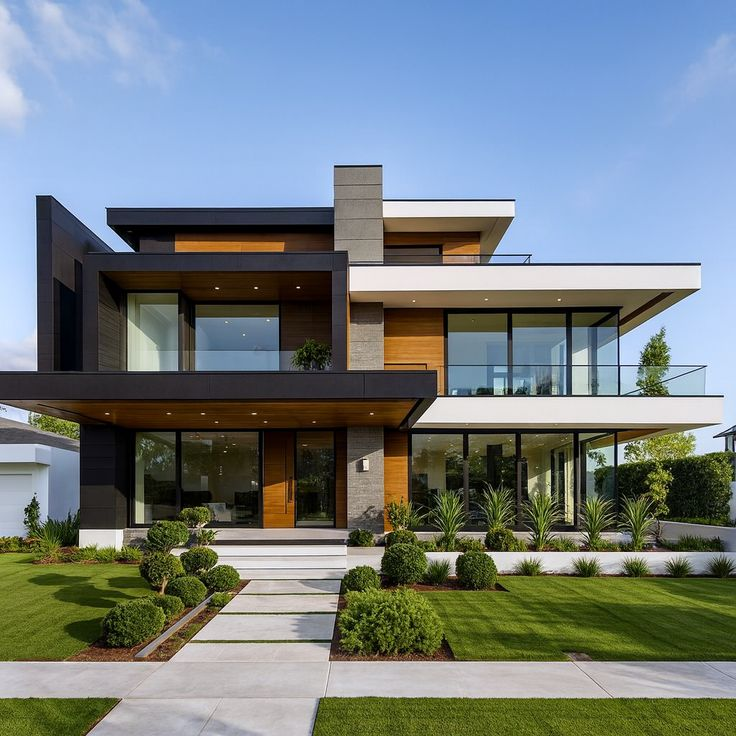
Single-Family Homes (Houses): A single-family home, in its most common definition, is a detached residential structure designed and built for occupancy by one family. These dwellings typically comprise multiple interior spaces, including a kitchen, bathrooms, living areas, and several bedrooms, often complemented by private outdoor spaces like yards and driveways. The U.S. is home to approximately 82 million single-family homes, according to Statista. Investment in these properties often involves outright purchase or acquisition through a traditional mortgage with an initial down payment. Investing in single-family rental homes is a cornerstone of many real estate portfolios.
Apartments: An apartment, conversely, refers to a self-contained residential unit situated within a larger building or complex that houses multiple dwelling units. These units, designed for convenient urban or suburban living, typically include a kitchen, bathroom, living area, and one or more bedrooms. The United States currently boasts an estimated 23 million apartment units. Investment in apartment properties, especially larger complexes, often necessitates the use of commercial real estate financing. The apartment market trends are continuously shaped by demographic shifts and economic factors.
Houses vs. Apartments: A Comprehensive Comparison for Real Estate Investors
The decision between investing in a house or an apartment is far from simplistic. Each offers a distinct path with its own set of financial considerations, operational demands, and growth potentials. Let’s explore ten critical factors that should guide your real estate investment strategy.
Investment Objectives: Aligning Property Type with Your Financial Goals
Your primary investment objectives will heavily influence whether houses or apartments are a better fit for your portfolio. Both can generate consistent rental income, but their potential for cash flow, appreciation, and risk diversification differs significantly.
Cash Flow Dynamics: Apartments often present a more robust cash flow potential. The presence of multiple rental units within a single property means that even if one unit experiences a vacancy, the overall income stream remains largely intact. This diversifies the impact of a single tenant loss, leading to more predictable and stable monthly income. In contrast, a single-family home relies on a solitary rental income. A vacancy in a house translates to a complete cessation of cash flow for that specific asset, potentially creating financial strain. This makes cash flow investing in multifamily properties particularly attractive for some.
Appreciation Trajectories: Historically, single-family homes have demonstrated a tendency to appreciate at a more rapid pace. This is often attributed to the inherent scarcity of land in desirable locations and the enduring demand for private, detached living spaces. While apartments can also appreciate in value, particularly through strategic renovations and improvements (value-add strategies), their appreciation is more closely tied to the overall performance of the complex and market conditions for larger rental assets. Understanding real estate appreciation rates for both property types is crucial.
Risk Mitigation and Diversification: The multifamily structure of apartment buildings inherently lends itself to better risk diversification. The impact of a single vacancy is diluted across numerous units, providing a significant buffer against financial downturns. Investing in multifamily real estate inherently spreads risk. Houses, representing a singular investment point, carry a higher risk exposure per unit; a vacancy directly halts all income from that asset. This difference is a key consideration for investors focused on minimizing volatility in their investment property portfolio.
Ownership Structures: Navigating Control and Management
The way properties are owned and managed also presents distinct characteristics.
Single-Family Home Ownership: The owner of a single-family rental typically holds complete control over the property. This includes responsibility for all maintenance, property taxes, insurance, and adherence to local zoning and building codes. Tenants renting houses generally interact directly with the individual landlord, fostering a more personal landlord-tenant relationship. This direct engagement is a key aspect of landlord responsibilities for single-family units.
Apartment Ownership: Apartment ownership can be more complex. A single entity might own and manage an entire building or complex, handling all leasing and maintenance. Alternatively, properties can be structured as condominiums or cooperatives, where individual units are owned by separate parties, while common areas are managed collectively. In larger apartment complexes, tenants typically engage with professional property management companies responsible for the day-to-day operations of the investment. Navigating property management services for apartments is a distinct skill.
Physical Structure and Design: Understanding the Built Environment
The physical characteristics of houses and apartments cater to different preferences and operational needs.
Houses: Single-family homes are distinguished by their independent structures, offering ample interior living space and often private outdoor amenities such as backyards, patios, and personal driveways. This autonomy is a significant draw for many renters.
Apartments: Apartment buildings are characterized by shared walls, floors, and ceilings among units. Residents often share common facilities, which can include communal laundry rooms, fitness centers, swimming pools, and lounge areas. This shared living arrangement fosters a different kind of community and necessitates different maintenance protocols.
Space and Layout: The Tenant’s Perspective
The amount of space and the internal configuration are significant factors for potential tenants.
Houses: Generally, single-family homes offer a larger overall square footage. In the U.S., the average size of a house hovers around 2,299 square feet, appealing to individuals and families who prioritize expansive living areas and greater personal space.
Apartments: Apartments are typically more compact, with smaller living areas and often limited private outdoor access. The average apartment size can vary considerably by region, ranging from approximately 691 square feet in cities like Seattle to around 991 square feet in areas like Scottsdale, Arizona. Understanding rental property features that attract tenants is key to successful leasing.
Maintenance Demands: A Tale of Two Property Types
The scope and nature of maintenance required for houses and apartments differ substantially.
House Maintenance: Maintaining a single-family rental typically involves a more concentrated set of tasks focused on the individual property. This includes:
Landscaping: Regular lawn care, gardening, and upkeep of outdoor spaces to maintain curb appeal.
Exterior Maintenance: Painting, roof repairs, gutter cleaning, and structural integrity checks.
Interior Maintenance: Addressing plumbing issues, appliance repairs, fixture updates, and general wear and tear within the living space.
Critical System Servicing: Ensuring HVAC systems, water heaters, and other essential home systems are functioning optimally and regularly maintained.
Apartment Building Maintenance: Apartment complexes present a more extensive and complex maintenance landscape due to shared systems and common areas. This encompasses:
Common Area Upkeep: Maintaining hallways, lobbies, stairwells, recreational facilities, and parking areas.
Building System Management: Periodic inspections and repairs of large-scale systems such as central heating and cooling, elevators, building-wide plumbing, and electrical grids.
Facade and Structural Maintenance: Addressing exterior painting, window cleaning, roof inspections, and general building envelope integrity.
Landscaping and Groundskeeping: Maintaining any shared outdoor spaces, courtyards, or rooftop gardens.
Safety and Compliance: Conducting regular inspections to ensure adherence to building codes, fire safety regulations, and other legal requirements. This is a critical aspect of property compliance.
Amenities: Enhancing Tenant Appeal and Value
Amenities play a crucial role in attracting and retaining tenants.
House Amenities: Amenities in single-family homes are typically private and exclusive to the resident. These can include private backyards, attached garages, custom-designed kitchens, updated bathrooms with premium fixtures, and energy-efficient upgrades.
Apartment Amenities: Apartment complexes often feature a range of shared amenities designed to enhance the living experience and attract a broad tenant base. These can include state-of-the-art fitness centers, swimming pools, community rooms, business centers, dog parks, and on-site laundry facilities. While these add significant value, they also contribute to the overall maintenance and operational costs of the property. The amenities in rental properties are a major differentiator.
Privacy Considerations: Creating Personal Space
The level of privacy afforded to residents is a key differentiator.
Houses: Single-family homes inherently offer a higher degree of privacy due to the physical separation between properties and the presence of private outdoor spaces, such as gardens and backyards, exclusively for tenant use. This separation minimizes noise disturbances and creates a more secluded living environment.
Apartments: Apartment living involves a more communal environment. Residents share common areas like hallways, elevators, and sometimes outdoor spaces, leading to closer proximity with neighbors. While many complexes offer soundproofing, the shared nature of the building can still present privacy considerations for some individuals.
Cost Structure and Economies of Scale
Understanding the cost implications of each property type is vital for financial planning.
House Cost Structure: In single-family rentals, the landlord directly bears all property-related expenses. This includes property taxes, insurance premiums, maintenance and repair costs, and individual utility bills (unless otherwise stipulated). Because these costs are tied to a single asset, the per-unit expense can sometimes be higher due to the absence of cost-sharing opportunities. This highlights the importance of rental property budgeting for individual homes.
Apartment Cost Structure: Apartment buildings, with their multitude of units, have a more intricate cost structure. However, the sheer scale of these properties often leads to significant economies of scale. For instance, bulk purchasing of maintenance supplies, shared utility infrastructure, and centralized management can reduce per-unit costs for services like landscaping, common area cleaning, and major system repairs compared to managing these individually across numerous houses. This is a key aspect of real estate financial analysis for larger assets.
Scalability and Portfolio Growth Strategies
For investors focused on expanding their real estate holdings, the scalability of houses versus apartments presents different pathways.
Scaling Apartment Investments:
Capital Intensive: Acquiring multiple apartment units or entire complexes typically requires a substantial initial capital investment. However, the rewards can be significant.
Centralized Operations: Investing in apartment buildings within a concentrated geographic area simplifies portfolio management. Operations, marketing, and maintenance can be streamlined across numerous units in a single location, enhancing efficiency.
Resource Leverage: Once a multifamily portfolio is established, existing management teams, maintenance staff, and operational resources can be leveraged across a larger number of units, leading to greater efficiencies and potentially higher profit margins. This is a core component of real estate portfolio diversification.
Scaling House Investments:
Capital Efficiency: Building a portfolio of single-family rentals often requires less initial capital per property, making it more accessible for investors with moderate capital.
Strategic Growth Methods: Investors can employ growth strategies like the BRRRR method (Buy, Rehab, Rent, Refinance, Repeat) to systematically expand their single-family rental holdings. This method allows for reinvesting equity to acquire more properties.
People-Intensive Management: Managing a diverse portfolio of single-family homes spread across different neighborhoods can be more labor-intensive. Each property may require individual attention, making it more challenging to achieve the same level of operational economies of scale as with apartment complexes. Therefore, effective rental property management is critical for this strategy.
Tenant Demographics and Market Demand
Understanding the typical renter for each property type is crucial for targeted marketing and investment.
House Renters: Tenants seeking single-family homes often prioritize space, privacy, and a sense of permanence. This demographic typically includes families with children, couples, or individuals who desire a yard for pets or recreation, and those looking for a quieter, more suburban lifestyle. Demand for family rental homes remains consistently strong in many markets.
Apartment Renters: The apartment market caters to a broader demographic. Young professionals, students, couples without children, and individuals seeking convenient access to urban amenities or employment centers are common apartment dwellers. The appeal of apartments often lies in their affordability, proximity to work and social hubs, and the availability of shared amenities. Understanding rental market demand for specific demographics is essential for any investor. For those specifically targeting urban centers, apartment investing in major cities presents unique opportunities and challenges.
Conclusion: Charting Your Course in the Multifamily Investment Arena
The choice between investing in houses or apartments is a strategic decision with far-reaching implications for your real estate venture. Both avenues offer the potential for significant returns, but they cater to different investment styles, risk tolerances, and long-term goals.
If your objective is to build a portfolio with potentially higher and more stable cash flow, benefit from diversified risk, and manage operations more centrally, then the multifamily apartment sector might be your ideal path. The current surge in multifamily property development suggests ample opportunities to enter this market.
Conversely, if you prefer direct control over individual assets, seek potentially faster appreciation, and are comfortable with a more hands-on, property-by-property approach, then acquiring single-family homes could be a more suitable strategy. The enduring demand for rental homes ensures their continued relevance.
The key to success lies in thorough due diligence, a clear understanding of your financial objectives, and a realistic assessment of your management capabilities. Consider consulting with experienced real estate professionals and financial advisors who specialize in your target market. Don’t overlook the importance of understanding local market conditions and tenant demand in your chosen geographic area, whether you’re looking at investment properties in Texas or exploring opportunities in the burgeoning Florida real estate investment scene.
Ready to transform your investment vision into reality? The first step towards a thriving real estate portfolio begins with a personalized consultation. Let’s explore which path – the strategic advantage of multifamily apartments or the enduring appeal of single-family homes – best aligns with your financial future and embark on this rewarding journey together.