
Navigating the Real Estate Investment Landscape: Houses vs. Apartments in 2025
The American real estate market is experiencing a dynamic surge, a palpable energy driven by an unprecedented construction boom. As of the latest indicators in early 2025, the nation is witnessing an astonishing volume of development, with hundreds of thousands of new housing units – both single-family homes and apartment complexes – entering the pipeline. This robust activity isn’t just reshaping skylines; it’s creating a fertile ground for astute investors seeking to enter or expand their presence in the thriving rental property sector. For many, the pivotal question boils down to a fundamental choice: should their investment capital be directed towards individual houses or apartment units?
As a seasoned real estate professional with a decade of navigating these waters, I’ve observed firsthand the strategic nuances that differentiate these two primary avenues for residential property investment. Understanding these distinctions is not merely about choosing a building type; it’s about aligning your investment strategy with your financial objectives, risk tolerance, and long-term vision. This comprehensive overview delves into the core differences between investing in houses versus apartments, offering insights designed to empower you to make a decision that maximizes your return on investment and propels your real estate portfolio forward.
Defining the Terrain: Houses and Apartments in the American Context
Both houses and apartments serve as conduits for generating consistent rental income. However, their fundamental structures, ownership models, and operational demands diverge significantly, impacting their suitability for different investment profiles.
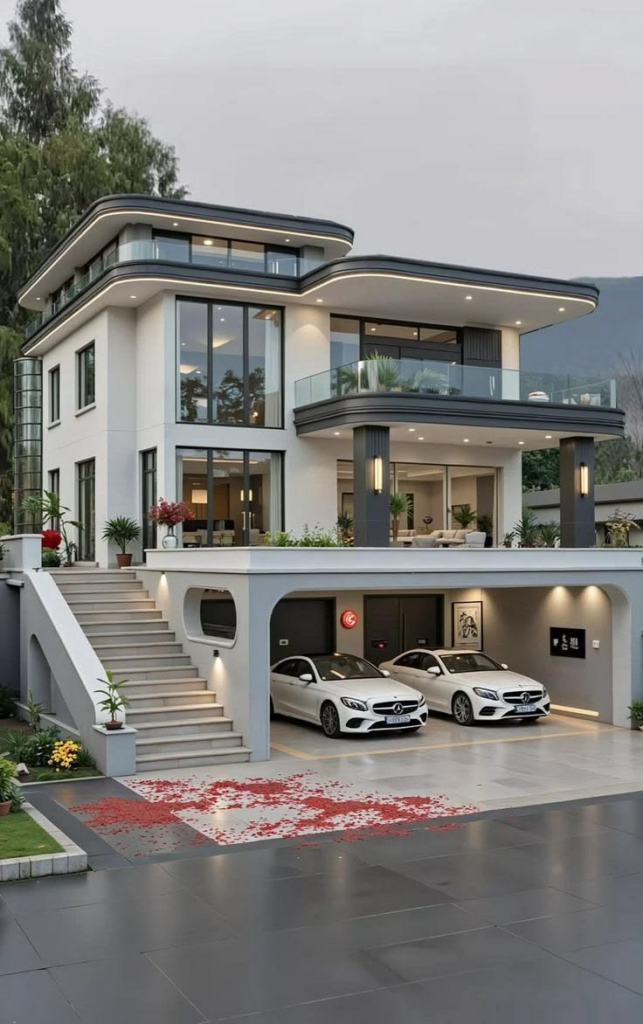
Single-Family Homes: At its essence, a single-family house is a detached residential dwelling designed for one household. These properties typically encompass multiple distinct living spaces, including bedrooms, bathrooms, kitchens, and living areas, often complemented by private outdoor spaces like yards and driveways. The U.S. boasts a substantial inventory of these standalone residences – over 82 million, according to recent data. Investors typically acquire houses either outright through cash transactions or by leveraging traditional mortgages, requiring an upfront down payment. The allure of owning a single-family rental property often stems from its perceived simplicity and direct control.
Apartment Units: An apartment, conversely, is a self-contained residential unit situated within a larger building or complex designed to house multiple occupants. These units typically feature essential living spaces such as a kitchen, bathroom, living area, and bedrooms. Currently, the United States is home to approximately 23 million apartment units, reflecting a significant portion of the nation’s housing stock. The acquisition of apartment units by investors often involves commercial real estate financing, a distinct pathway from single-family home mortgages. Investing in apartment buildings for sale or individual units presents a different set of financial and operational considerations.
The Crucial Crossroads: Comparing Houses and Apartments for Your Investment Business
The decision between houses and apartments is multifaceted, demanding a thorough examination of various strategic and operational factors. Let’s explore ten key considerations that will illuminate the path forward for your real estate investment endeavors.
Investment Objectives and Financial Outcomes
Each property type offers a unique financial profile, influencing the potential success of your chosen real estate investment strategy. Understanding these differences is paramount.
Cash Flow Dynamics: Apartments, with their inherent ability to generate multiple revenue streams from a single property, often present a more robust and consistent cash flow. A vacancy in one unit within a larger complex has a less pronounced impact on overall income compared to a vacant single-family home, which represents a complete cessation of rental revenue. This multi-unit advantage can buffer against financial volatility, providing a more predictable income stream. Conversely, relying on a single tenant for income in a house inherently carries a higher risk of complete income loss during a vacancy.
Appreciation Potential: Historically, single-family homes have often demonstrated higher rates of appreciation. This is frequently attributed to the scarcity of desirable land and the enduring demand for private, independent living spaces. However, apartment complexes are not immune to appreciation; value can be significantly enhanced through strategic renovations, management improvements, and favorable market conditions. For those focusing on long-term real estate investment, both avenues offer growth potential, but the nature and drivers of appreciation can differ.
Risk Diversification: The structure of apartment ownership naturally lends itself to risk diversification across multiple units. A vacancy or a tenant issue in one unit has a diluted effect on the investor’s overall financial performance. This creates a vital buffer against market fluctuations and unexpected events. Single-family homes, on the other hand, represent a singular investment point. A vacancy or a costly repair can represent a significant hit to income and require substantial capital outlay, thus increasing the investor’s exposure to risk. When considering real estate investment opportunities, this inherent diversification in apartments is a compelling advantage for many.
Ownership Structures and Control
The way a property is owned profoundly impacts an investor’s responsibilities and the tenant experience.
Single-Family Home Ownership: In the realm of houses, ownership is typically straightforward, vested in a single individual or entity. This owner holds complete dominion over the property, assuming full responsibility for all associated expenses, including maintenance, property taxes, insurance, and adherence to local zoning and rental regulations. Tenants in single-family homes generally engage directly with their private landlord, fostering a more personal landlord-tenant relationship. This direct line of communication can streamline decision-making for repairs and maintenance.
Apartment Ownership Models: Apartment ownership can present more complex arrangements. A single entity might manage an entire apartment building, overseeing all rental units. Alternatively, apartment buildings can be structured as condominiums or cooperatives, where individual units are owned by separate parties, but common areas are managed collectively. In these scenarios, tenants typically interact with professional property management companies tasked with overseeing the operations, leasing, and maintenance of the larger complex. This professionalization can be a significant draw for investors seeking a more hands-off approach, especially when considering multifamily property investment.
Physical Characteristics and Tenant Experience
The tangible aspects of a property directly influence its appeal to potential tenants and the operational demands on the owner.
Houses: Single-family homes are characterized by their distinct structures, often offering expansive living quarters and private outdoor amenities such as gardens, patios, and personal driveways. This emphasis on privacy and individual space is a significant draw for many renters, particularly families or those seeking a more conventional living environment. The prospect of owning a private rental property often centers on these spatial advantages.
Apartments: Apartment buildings are defined by their shared architectural design. Units are typically attached, with shared walls, floors, and ceilings. This communal living often includes shared facilities and amenities, such as communal laundry rooms, fitness centers, swimming pools, and recreational lounges. While these shared spaces can enhance the living experience and attract a broader tenant base, they also necessitate a different approach to maintenance and management, often referred to as common area maintenance (CAM).
Spatial Dimensions and Layout
The size and configuration of living spaces are critical determinants of tenant appeal and, consequently, rental rates.
House Dimensions: Single-family homes generally offer a more generous allocation of square footage, appealing to tenants who prioritize ample living space. The average size of a new house in the U.S. hovers around 2,299 square feet, providing a substantial canvas for residents. This larger footprint often translates to higher rental potential for investors focused on premium rental properties.
Apartment Dimensions: Apartments, by their nature, tend to be more compact. Their living areas are generally smaller, and access to private outdoor space is often limited or non-existent. Apartment sizes can fluctuate significantly by geographic location and market demand, ranging from approximately 691 square feet in bustling urban centers like Seattle to around 991 square feet in more suburban locales like Scottsdale, Arizona. Investors in urban rental markets often find success with apartments due to their efficient use of space and ability to cater to different demographic segments.
Maintenance and Operational Burdens
The scope and nature of property maintenance differ substantially between houses and apartment complexes, impacting both costs and time commitment for the investor.
House Maintenance: Maintaining a single-family rental property is typically less complex than managing an entire apartment building, though it still demands diligent attention. Key areas include:
Landscaping: Consistent lawn care, gardening, and general upkeep of the exterior present a welcoming façade.
Exterior Repairs: This encompasses tasks like painting, roof maintenance, and gutter cleaning, ensuring structural integrity and aesthetic appeal.
Interior Repairs: Addressing issues within the home, such as plumbing malfunctions, appliance servicing, and updating fixtures, is an ongoing responsibility.
System Servicing: Crucial systems like HVAC (Heating, Ventilation, and Air Conditioning) require regular professional checks and maintenance to ensure optimal functionality and tenant comfort.
Apartment Building Maintenance: The maintenance of apartment complexes is a more extensive undertaking, encompassing both individual units and shared common areas:
Common Area Upkeep: Hallways, lobbies, elevators, stairwells, and recreational facilities require consistent cleaning, repair, and general maintenance.
Building Systems: Large-scale infrastructure such as central heating and cooling systems, elevators, and building-wide plumbing and electrical networks necessitate periodic inspections and professional servicing.
Exterior Building Maintenance: This includes facade repairs, window cleaning, and maintaining the security systems of the entire structure.
Landscaping and Groundskeeping: Upkeep of any communal outdoor spaces, such as courtyards, parking lots, or rooftop gardens.
Safety and Compliance Inspections: Owners are obligated to conduct regular safety inspections to ensure compliance with stringent building codes and local ordinances, a critical aspect of responsible property ownership.
Amenities and Tenant Attraction
The amenities offered can significantly influence a property’s desirability and its ability to command premium rents.
House Amenities: Standalone homes often boast private amenities that are highly sought after by tenants. These can include private backyards, attached garages, and custom interior finishes such as renovated kitchens and modern bathrooms. These features can differentiate a property in a competitive market.
Apartment Amenities: Apartment complexes frequently offer a suite of shared amenities designed to appeal to a broad demographic. These commonly include fitness centers, swimming pools, business centers, and communal lounges. While these amenities can be powerful tenant magnets, their provision also adds to the operational complexity and cost of investment properties.
Privacy Considerations

The level of privacy afforded to tenants is a critical factor in their living experience and satisfaction.
Houses and Privacy: Single-family homes generally provide a higher degree of privacy. The physical separation between properties, along with private outdoor spaces, ensures that tenants have exclusive use of their immediate surroundings. This autonomy is a major selling point for many renters seeking a tranquil retreat.
Apartments and Privacy: Apartments involve a shared living environment. Tenants often share common hallways, elevators, and outdoor spaces, leading to closer proximity with neighbors. While modern apartment design strives to mitigate noise and maximize privacy, it is inherently less private than living in a detached dwelling. This is an important consideration for investors targeting specific tenant demographics.
Cost Structure and Economies of Scale
The financial architecture of owning houses versus apartments presents distinct challenges and opportunities.
House Cost Structure: When investing in single-family homes, landlords bear the full burden of all property-specific expenses. This includes property taxes, insurance premiums, and all repair and maintenance costs. Because these costs are tied to an individual property, they can sometimes result in a higher per-unit cost when compared to the aggregated expenses of an apartment complex. The absence of cost-sharing opportunities among multiple units is a key factor here.
Apartment Cost Structure: Apartment buildings, due to their scale and the aggregation of multiple units, exhibit a more complex cost structure. However, this complexity is often offset by significant economies of scale. Certain operational costs, such as marketing, property management, and bulk purchasing of maintenance supplies, can be spread across a larger number of units, potentially lowering the per-unit cost and improving overall profitability for multifamily real estate investments.
Scalability and Portfolio Growth Strategies
For investors focused on expanding their real estate footprint, the scalability of houses versus apartments presents a critical strategic divergence.
Apartment Portfolio Growth: Expanding an apartment investment portfolio often necessitates substantial capital outlay for each acquisition, as entire buildings or significant blocks of units are purchased. However, once established, apartment investments offer the advantage of centralized operations. Expanding within the same geographic vicinity simplifies management, marketing, and maintenance efforts. Furthermore, established teams and resources can often be leveraged across a larger portfolio of units, streamlining operations and enhancing efficiency. This makes acquiring apartment buildings a powerful, albeit capital-intensive, growth strategy.
Single-Family Home Portfolio Growth: Scaling a portfolio of single-family rentals can be more capital-efficient on a per-property basis. Investors can utilize strategies like the BRRRR method (Buy, Rehab, Rent, Refinance, Repeat) to acquire and renovate individual homes, gradually building their portfolio. However, managing a large number of single-family homes spread across different neighborhoods can be significantly more people-intensive. Achieving economies of scale in this model is more challenging, as each property requires individual attention and management, often necessitating a distributed team of contractors and property managers. For those interested in house flipping for profit or building a scattered-site rental portfolio, this requires a robust operational framework.
Making the Informed Decision for Your Real Estate Future
The choice between investing in houses or apartments is not a matter of one being inherently superior to the other. Instead, it hinges on a thorough self-assessment of your investment goals, risk appetite, available capital, and desired level of involvement in property management.
If your priority is consistent, diversified cash flow with a degree of passive management, and you possess significant capital, investing in apartments or multifamily properties might be your optimal path. The potential for economies of scale and the inherent risk mitigation through multiple units are compelling advantages.
Conversely, if you are drawn to the tangible control, potential for higher individual property appreciation, and a more direct landlord-tenant relationship, and you are comfortable with managing individual assets, then single-family home investments could be a more fitting choice. Strategies like the BRRRR method or focusing on starter homes for rent can offer attractive returns.
Regardless of your chosen path, thorough due diligence, market analysis, and a clear understanding of local regulations are non-negotiable. The current robust construction market presents abundant opportunities, but navigating it successfully requires knowledge, strategy, and foresight.
Ready to take the next step in shaping your real estate investment future? Whether you’re contemplating your first multifamily acquisition or looking to expand your single-family rental portfolio, understanding these core differences is the foundational step. Connect with a trusted real estate advisor or explore our resources today to discover the properties that align perfectly with your investment vision and capitalize on the dynamic opportunities available in today’s market.