



The 2025 Blueprint for Urban Sanctuaries: Mastering Biophilic Design in Apartment Construction
Having navigated the dynamic currents of the real estate and construction industry for over a decade, I’ve witnessed firsthand the cyclical nature of trends and the enduring power of innovation. But what we’re experiencing now isn’t merely a trend; it’s a fundamental paradigm shift. As we forge ahead into 2025, the conversation around urban living is no longer confined to square footage or amenity lists. It’s about designing environments that actively cultivate human well-being, ecological responsibility, and a profound connection to the natural world. This is the promise of biophilic design, and nowhere is its impact more transformative than in the rapidly evolving landscape of apartment construction.
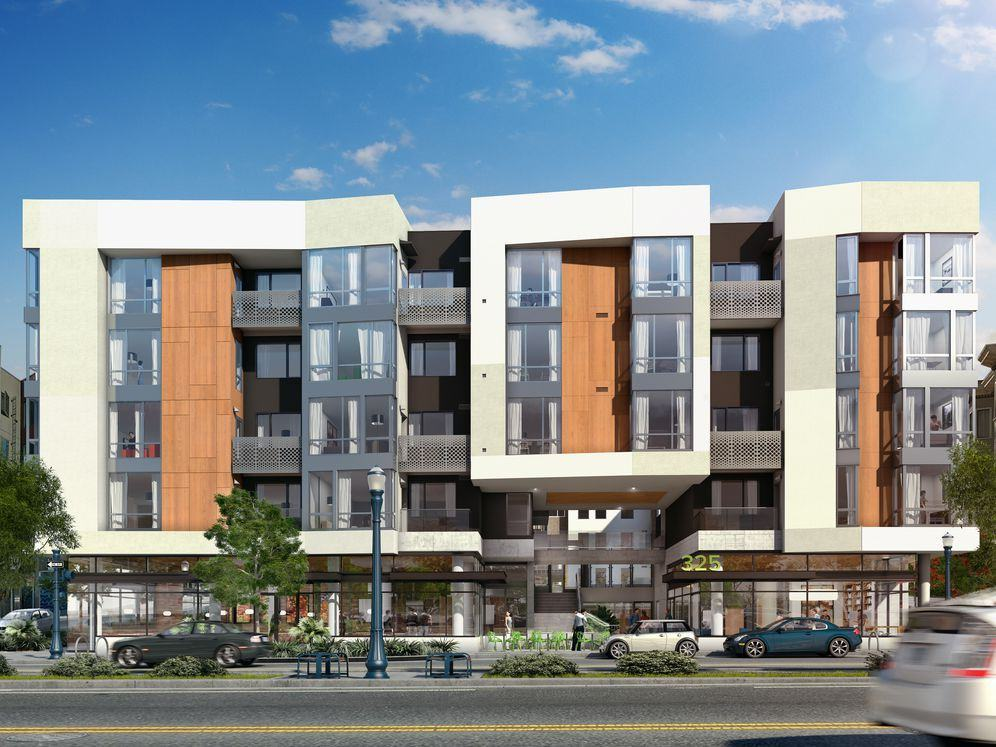
The traditional concrete jungle, once the symbol of progress, is giving way to vibrant, breathable ecosystems designed from the ground up. This article delves deep into the essence of biophilic apartments, exploring not just their defining characteristics but also the compelling economic, health, and environmental imperatives driving their ascendancy. For developers, investors, and prospective residents alike, understanding this movement is paramount to thriving in the urban future. We’ll uncover how these innovative dwellings are reshaping our industry, elevating property values, and ultimately, redefining what it means to truly come home.
Decoding Biophilia: More Than Just a Green Facade
At its heart, biophilia, a term popularized by Harvard biologist E.O. Wilson, speaks to our innate human tendency to connect with nature and other living systems. It’s a biological imperative, not just an aesthetic preference. In the context of apartment design, biophilia transcends the simple addition of a potted plant or a patch of grass. It’s a sophisticated design philosophy that systematically integrates natural elements, processes, and patterns into the built environment to foster physical and mental health.
By 2025, this understanding has matured significantly. We’ve moved beyond surface-level interventions to a holistic approach that considers every facet of the resident’s sensory experience. It’s about optimizing natural light exposure, harnessing the calming acoustics of flowing water, providing diverse tactile experiences with natural materials, and even replicating fractal patterns found in nature to reduce stress and enhance cognitive function. The goal is to create a multi-sensory environment that actively promotes healing, reduces stress, and boosts creativity, making these spaces true urban wellness sanctuaries. This shift is not just about making buildings look “green”; it’s about making them feel alive and fostering a reciprocal relationship between inhabitants and their environment.
The Pillars of a 2025 Biophilic Apartment: Next-Gen Integration
The defining characteristics of biophilic apartments have evolved significantly, leveraging cutting-edge technology and a deeper understanding of human-nature interaction. As an expert in sustainable urban planning, I see these elements as critical differentiators in today’s competitive real estate market:
Dynamic Natural Light & Circadian Illumination: Forget small, single-pane windows. 2025 biophilic apartments prioritize expansive, floor-to-ceiling windows, strategically placed skylights, and even light shelves that bounce daylight deep into interior spaces. Beyond mere luminosity, the focus is on dynamic light – systems that mimic natural light cycles to support healthy circadian rhythms. Smart glass technology allows for automated tinting to reduce glare and heat gain, while integrated lighting systems adjust color temperature throughout the day, improving sleep quality and daytime alertness. This isn’t just about energy efficiency; it’s about optimizing human biological processes.
Integrated Green Ecosystems & Living Infrastructure: The greenery extends far beyond individual houseplants. We’re talking about sophisticated living walls, often integrated with smart hydroponic systems that grow fresh produce for residents. Rooftop gardens serve as communal green spaces, promoting biodiversity and reducing the urban heat island effect. Internal courtyards and atrium designs bring mature trees and lush planting into the very core of the building. These green infrastructures aren’t just aesthetic; they are active bio-filters, improving indoor air quality, managing stormwater, and creating vital habitats for urban wildlife. Think “vertical garden systems architecture” as a core design principle.
Authentic Materiality & Sustainable Sourcing: The choice of materials in a biophilic apartment speaks volumes. Developers are moving away from synthetic, off-gassing materials towards natural, sustainable, and locally sourced options like reclaimed wood, natural stone, bamboo, cork, and even biocomposites. The emphasis is on materials with low volatile organic compound (VOC) emissions, contributing to a healthier indoor environment. Beyond their visual appeal, these materials offer diverse tactile experiences and often tell a story, fostering a deeper connection to place and provenance. The demand for these low-impact materials is driving innovation in the “sustainable material sourcing” industry.
Sensory Water Features: The calming presence and sound of water are deeply rooted in our biophilic connection. Modern biophilic designs integrate subtle water features such as quiet, recirculating fountains, reflecting pools, or even integrated rainwater harvesting systems that become visible design elements. These features provide soothing white noise, contribute to natural humidification, and offer visual tranquility, creating a peaceful acoustic and visual landscape within the home.
Seamless Indoor-Outdoor Flow & Operable Facades: The distinction between indoors and outdoors blurs in a truly biophilic apartment. This is achieved through expansive operable facades, large sliding glass doors leading to generous balconies, terraces, and private courtyards. Designs increasingly incorporate pocket parks, direct access to communal gardens, or rooftop decks that function as extensions of the living space. The goal is to create a “continuum of living space,” allowing residents easy, uninhibited access to fresh air and natural elements, fostering a deeper engagement with the surrounding environment.
Biomimicry & Organic Forms: Beyond natural materials, biophilic design increasingly incorporates biomimicry – drawing inspiration from natural forms, patterns, and processes. This can manifest in organic architectural shapes that minimize energy consumption, structural elements that mimic tree branches, or floor plans that echo natural pathways. The use of fractal patterns, common in nature and proven to reduce stress, is also subtly woven into design elements, providing a subconscious sense of calm and order.
Strategic Color & Texture Palettes: The interior design embraces earthy tones – muted greens, blues, browns, and grays – that mirror the natural world. Complementing these colors are diverse textures: the rough grain of wood, the smooth coolness of stone, the softness of natural fibers. This tactile diversity engages our senses, providing a richer, more grounded living experience that deviates from monotonous, sterile interiors.
Nurturing Local Flora & Fauna: A holistic biophilic approach extends beyond the building itself to its immediate surroundings. This includes thoughtful landscaping with native, drought-resistant plants that attract local pollinators and birds. Integrated bird feeders, nesting boxes, and even small insect hotels become part of the design, connecting residents to the rhythm of local ecosystems and promoting urban biodiversity.
The Irresistible Momentum: Why Biophilic Apartments are Dominating the 2025 Market
The rapid ascent of biophilic apartments isn’t accidental; it’s a direct response to evolving consumer demands, critical environmental imperatives, and astute market dynamics. From my vantage point, these are the core drivers by 2025:
Unparalleled Health & Wellness ROI: The pandemic irrevocably altered our perception of home, emphasizing its role as a sanctuary for well-being. Biophilic design directly addresses this by creating spaces scientifically proven to reduce stress, improve mood, enhance cognitive function, and even accelerate healing. Residents report reduced anxiety, improved sleep quality, and greater focus. For developers, this translates into reduced tenant turnover and a higher perceived value, directly impacting “wellness real estate investment” returns. The focus on “healthy indoor environments” is no longer a luxury but a fundamental expectation.
Future-Proofing Sustainable Investment: In 2025, environmental, social, and governance (ESG) criteria are central to investment decisions. Biophilic apartments inherently align with ESG goals, boasting lower energy and water consumption through efficient design, sustainable material sourcing, and integrated green infrastructure. These buildings often achieve prestigious certifications like LEED Platinum or WELL Building Standard, providing verifiable proof of their environmental stewardship. This makes them highly attractive to impact investors and offers a robust, “sustainable asset valuation” in a world increasingly conscious of climate risk. They are a prime example of “net-zero biophilic construction” taking center stage.
Elevated Resident Experience & Market Premium: In a crowded urban market, biophilic design offers a powerful differentiator. It’s not just about offering amenities; it’s about providing a unique lifestyle. Residents are willing to pay a premium for spaces that actively contribute to their health and happiness, offering an escape from the sensory overload of city life. This translates to higher rents, faster lease-ups, and increased property values for developers. These are “luxury biophilic apartments” that command top-tier pricing because they offer an unmatched quality of life.
Addressing the Urban Desperation for Nature: As global urbanization continues, access to nature becomes increasingly scarce. Biophilic apartments serve as essential conduits to the natural world, providing residents with daily doses of green space, fresh air, and natural light within the confines of dense urban environments. They offer the “best of both worlds”: the convenience of city living combined with the restorative power of nature.
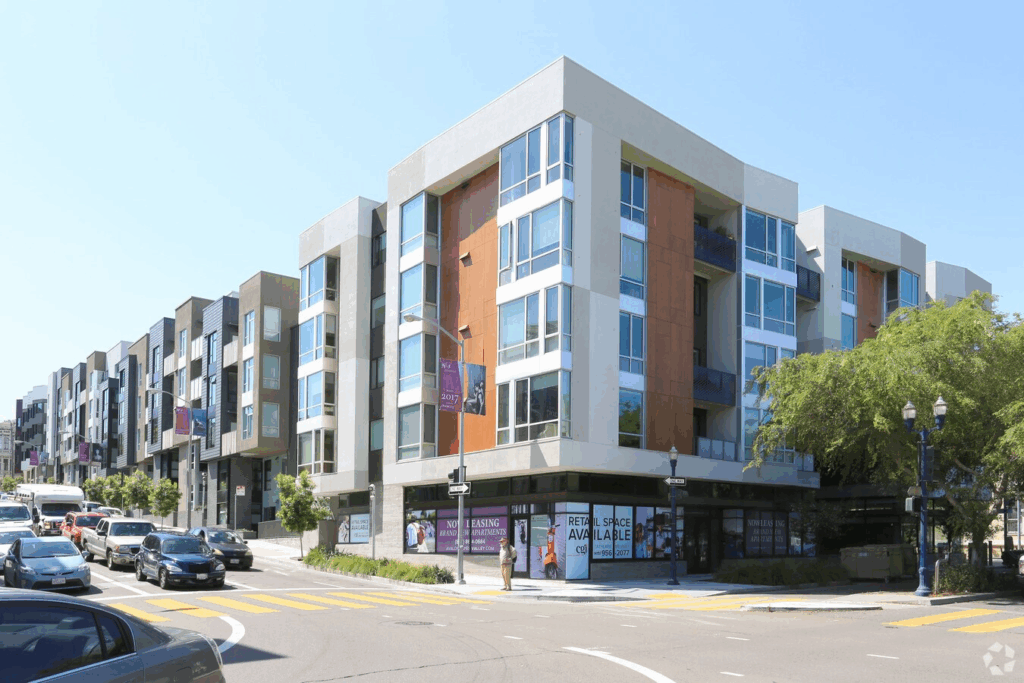
Superior Indoor Environmental Quality (IEQ): Beyond aesthetics, biophilic design inherently prioritizes IEQ. The emphasis on natural ventilation, high-efficiency filtration systems, and plant-based air purification significantly reduces indoor pollutants, allergens, and airborne toxins. This directly contributes to fewer respiratory issues, enhanced cognitive performance, and a general sense of vitality among residents.
Fostering Community & Social Connection: Communal green spaces, rooftop gardens, and shared outdoor areas designed with biophilic principles naturally encourage social interaction and community building. These spaces become hubs for relaxation, recreation, and connection, fostering a stronger sense of belonging among residents – a crucial component of urban well-being.
Navigating the Construction Landscape: Challenges & Innovations
From a construction and development perspective, while the benefits are clear, implementing truly biophilic design requires a nuanced approach and a willingness to embrace innovation:
Design Complexity & Multidisciplinary Integration: Biophilic design isn’t a checklist; it’s an intricate dance between architecture, landscape architecture, environmental psychology, engineering, and even biology. It demands multidisciplinary teams collaborating from conception, often involving “biophilic architecture firms” specializing in integrated design. This upfront complexity, however, leads to more resilient and high-performing assets.
Cost Considerations & Value Engineering: While the long-term ROI is compelling, the initial investment for specialized materials, advanced green infrastructure, and complex design can be higher than traditional builds. However, advancements in “modular green construction solutions” and prefabrication are helping to mitigate these costs, making biophilic projects more financially viable. Smart material selection and value engineering early in the process are crucial.
Maintenance & Operations: Integrated living walls, water features, and extensive landscaping require sophisticated maintenance protocols. This is where smart building technology plays a crucial role – automated irrigation systems, real-time environmental monitoring, and predictive maintenance for HVAC systems ensure optimal performance and longevity. Investing in operational efficiency from the outset is key.
Policy & Permitting Evolution: As the demand for sustainable housing grows, city planning departments and building codes are slowly catching up. Developers need to stay abreast of evolving green building incentives, zoning relaxations for green spaces, and expedited permitting processes for certified sustainable projects. Advocacy for “sustainable urban planning” is essential.
Innovative Materials & Technologies: The industry is seeing a boom in innovative materials perfect for biophilic applications: self-healing concrete, bio-integrated facades that generate energy, advanced glazing technologies, and smart sensors that dynamically adjust environmental parameters. Embracing these technologies is vital for pushing the boundaries of what’s possible in “building performance optimization.”
The Inevitable Green Horizon
As we move deeper into 2025, the trajectory of apartment construction is undeniably clear: it’s green, it’s intelligent, and it’s deeply rooted in our inherent connection to nature. Biophilic design is no longer a speculative trend or a luxury add-on; it is fast becoming a fundamental expectation for quality urban living. These buildings are not just structures; they are living, breathing ecosystems that prioritize human health, environmental resilience, and economic sustainability. They represent a monumental shift away from merely housing people, towards cultivating holistic well-being within dynamic urban environments.
The future of apartment construction isn’t just about building more; it’s about building better – creating spaces that nourish the soul, regenerate the planet, and offer a powerful return on investment for those visionary enough to embrace this green horizon.
Whether you’re a discerning homeowner seeking your next sanctuary, a developer charting the course for future communities, or an investor looking for truly resilient assets, the time to embrace biophilic principles is now. Join us in cultivating the cities of tomorrow – spaces where life thrives, naturally.
