


Unmasking the True Square Footage: A 2025 Homebuyer’s Essential Guide to Property Measurement

The year 2025 is shaping up to be another dynamic period in the American real estate market. With fluctuating interest rates, evolving buyer demands, and a continued emphasis on smart investment, making an informed property decision has never been more critical. Amidst the excitement of house hunting, touring open houses, and envisioning your future, a seemingly straightforward number often emerges as a significant source of confusion: the property’s square footage.
It’s a tale as old as real estate itself: the advertised square footage doesn’t always align with a buyer’s perception of actual usable space. This discrepancy isn’t usually a malicious deception but rather a byproduct of various measurement methodologies used by different stakeholders—developers, appraisers, tax assessors, and even listing agents. As an expert with over a decade in real estate analytics, I’ve seen countless buyers baffled by these numbers, often leading to misaligned expectations, appraisal gaps, and even buyer’s remorse.

This comprehensive guide is engineered to cut through that confusion. We’ll delve deep into the nuances of property measurement in the U.S. context, equipping you with the knowledge to understand what various square footage figures truly represent. By the time you’re done, you’ll be able to confidently decipher listings, ask the right questions, and ensure you’re getting precisely what you pay for, whether you’re navigating the bustling urban condo market or searching for that perfect suburban family home. Understanding these distinctions is not just academic; it’s fundamental to smart home buying in 2025 and beyond.
The Foundation: Usable Living Space (What You Actually Live In)
Let’s start with the most intuitive measurement, often referred to as Usable Living Space or, more formally in appraisal circles, Gross Living Area (GLA). This is arguably the most important figure for a homebuyer, as it represents the space where you’ll actually live, cook, relax, and entertain. Think of it as the area where you can comfortably place your furniture and move around freely.
In the U.S., GLA generally refers to the total area of finished, heated, and above-grade residential space. The key descriptors here are “finished,” “heated,” and “above-grade.”
Finished: This means the space is completed to the same quality standards as the main living areas of the house. It has walls, ceilings, and flooring, similar to your living room or bedrooms. An unfinished basement, even if it has walls, would typically not count towards GLA.
Heated: The space must be heated by the home’s primary heating system. This generally excludes unheated sunrooms, screened porches, or garages, even if they are enclosed.
Above-Grade: This means the space is predominantly above ground level. Basements, even if finished and heated, are usually reported separately from GLA. While a finished basement adds value, it’s typically not factored into the “per square foot” calculation of the main living area by appraisers.
What’s Included in Usable Living Space (GLA):
Bedrooms, bathrooms, kitchens, living rooms, dining rooms, family rooms.
Finished attics that meet ceiling height requirements and are accessible by a permanent staircase.
Finished bonus rooms over garages (if heated and connected to the main house).
Interior hallways and stairwells within the finished, heated, above-grade areas.
What’s Typically Excluded from Usable Living Space (GLA):
Garages (attached or detached).
Unfinished basements or finished basements (though they add value, they’re typically listed separately).
Patios, decks, open balconies, and screened porches.
Unfinished attics.
The thickness of exterior walls.
Areas with ceiling heights below 7 feet (though some exceptions for sloped ceilings exist, especially under ANSI standards).
For most homeowners, the Usable Living Space or GLA is the most practical measure for comparing homes and understanding their daily functionality. When you’re using a home square footage calculator or discussing what counts as living space with your real estate agent, this is often the metric you’re trying to pin down. It directly impacts your lifestyle and the comfort of your family. Savvy home buying tips will always emphasize verifying this number.
Beyond the Walls: Total Enclosed Square Footage
While Usable Living Space focuses on livable areas, the term Total Enclosed Square Footage broadens the scope to include everything within the exterior perimeter of the property’s main structure, often irrespective of whether it’s fully finished or heated to living space standards. This definition can be a bit more ambiguous and is often less standardized than GLA.
What’s Typically Included:
All Usable Living Space (GLA).
The area occupied by interior and exterior walls.
Often, finished basements (even if reported separately from GLA).
Sometimes, attached garages (though this is where significant variation occurs).
Enclosed sunrooms or patios, even if not fully heated, provided they are under the main roofline and enclosed.
The Total Enclosed Square Footage gives a broader sense of the property’s physical footprint but can be misleading if not clearly defined. A developer might advertise a “total square footage” that includes an attached garage, leading a buyer to believe the “livable area” is larger than it truly is. This is less about the gross living area definition and more about the entire physical structure. When you’re trying to measure home square footage, this can be a difficult number to pin down precisely without professional help. Understanding this distinction is crucial for accurate property valuation methods.
The Condo/Co-op Complexity: Common Area Allocation & Total Property Footprint
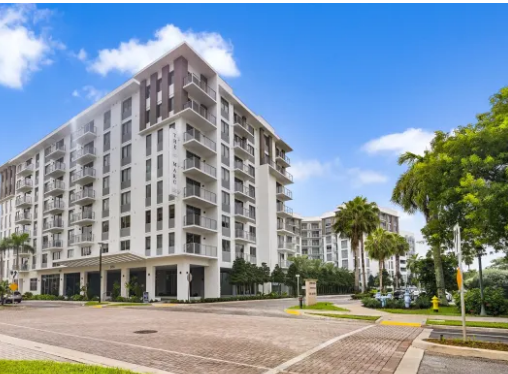
For those navigating the multi-family dwelling market – condos, co-ops, and some townhomes – the concept of square footage takes on another layer of complexity. Here, you often encounter figures that extend beyond the four walls of your individual unit, encompassing a share of the building’s shared amenities. While the term “Super Built-Up Area” is specific to the Indian real estate market, its underlying concept – including a proportionate share of common areas – is very much present in the U.S. in the form of what we can call Total Property Footprint or Advertised Square Footage (Developer’s).
When you purchase a condo or co-op, you own your individual unit (often defined by the space “from the paint on the walls inward”) and also have an undivided interest in the building’s common elements. These common elements are crucial to the building’s functionality and amenities.
What’s Included in a Condo/Co-op’s Total Property Footprint (Advertised Square Footage):
Your individual unit’s Usable Living Space (GLA).
A proportionate share of the building’s interior common areas:
Lobbies and hallways
Stairwells and elevator shafts
Shared laundry rooms
Fitness centers, gyms
Party rooms, meeting rooms
Building offices
A proportionate share of the building’s exterior common areas:
Rooftops
Shared gardens, green spaces
Swimming pools
Parking structures or lots (though parking spaces are often sold or allocated separately).
This condo square footage figure can be significantly higher than your unit’s actual Usable Living Space. For instance, a unit advertised at 1,200 sq ft might only have 900 sq ft of private, livable space, with the remaining 300 sq ft representing your share of the building’s common areas. You are effectively paying for and maintaining a portion of these shared spaces. This directly impacts your common area maintenance fees or HOA dues, which cover the upkeep of these shared elements.
Why is this figure used? From a developer’s perspective, it reflects the total “value” they are selling, encompassing not just the individual unit but also the lifestyle and amenities the building offers. From a buyer’s perspective, it’s critical to understand that a significant portion of this advertised number isn’t private living space. This distinction is paramount for real estate investment strategies when calculating potential rental yields or simply assessing personal value.
The Professional Perspective: Appraisers, Assessors, and the MLS
The different ways property square footage is measured are further complicated by the various professionals and systems involved in real estate transactions in the U.S. Each has a specific purpose and methodology.
Appraisal Square Footage (ANSI Standards):
Purpose: Appraisers determine a home’s value for lenders, typically to ensure the property collateralizes the mortgage loan.
Methodology: Most appraisers adhere to industry standards, often those set by the American National Standards Institute (ANSI) Z765-2021 for measuring residential buildings. ANSI standards specifically focus on Gross Living Area (GLA), as defined earlier (finished, heated, above-grade).
Key ANSI Rules:
Measurements are taken from the exterior perimeter of the house.
Only heated space is counted towards GLA.
Attached garages are excluded from GLA.
Finished basements and other below-grade areas are measured and reported separately.
For rooms with sloped ceilings, at least half of the finished floor area must have a ceiling height of 7 feet or more.
Implications: A property’s appraisal square footage rules are crucial for your mortgage. If the advertised square footage differs significantly from the appraised GLA, it can lead to an “appraisal gap,” where the lender may only finance based on the lower appraised value, requiring the buyer to cover the difference in cash. This is a critical point in the home buying process.
Tax Assessor Square Footage:
Purpose: Local government tax assessors determine property values to calculate property taxes explained.
Methodology: This varies widely by county and municipality. Some assessors might include finished basements, garages, or even exterior sheds in their “total square footage” calculations, while others might focus only on above-grade heated space. Their primary goal is to assess a fair market value for taxation, not necessarily to reflect an exact “livable area” for comparison purposes.
Implications: Always verify the assessor’s data against other sources. A higher assessor’s square footage doesn’t necessarily mean more usable space, but it can lead to higher property tax bills.
MLS (Multiple Listing Service) Square Footage:
Purpose: The MLS is the primary database for listing properties for sale, used by real estate agents.
Methodology: Listing agents typically get square footage numbers from various sources: previous appraisals, public records (tax assessor data), builder plans, or sometimes even seller-provided estimates.
Disclaimers: MLS listings almost always include a disclaimer advising buyers to verify all measurements, as the listing agent typically isn’t liable for inaccuracies in square footage.
Potential for Discrepancies: This is often where the initial confusion begins for buyers. A listing might state 2,000 sq ft, derived from an old tax record that includes a finished basement, while a new appraisal might report 1,500 sq ft of GLA.
Decoding the Discrepancies: Why Sizes Vary and What It Means
The variability in square footage definitions is not just an academic exercise; it has tangible impacts on your real estate transaction and long-term investment.
Impact on Price: Property prices are often quoted on a “per square foot” basis. If you compare a home listed at $200/sq ft based on 2,000 sq ft (including a garage and common areas) with another at $250/sq ft based on 1,500 sq ft of pure GLA, you might be comparing apples to oranges. The seemingly cheaper property could actually be more expensive per square foot of actual living space. Accurate property valuation hinges on consistent metrics.
Impact on Mortgage and Financing: Lenders almost exclusively rely on appraised GLA for loan underwriting. If the purchase price is based on a larger, less defined “total square footage” and the appraisal comes in lower based on GLA, it can create a financing shortfall. Understanding mortgage requirements means knowing what square footage the lender will prioritize.
Impact on Real Estate Investment: For investors, calculating potential rental income per square foot or return on investment (ROI) requires precise figures. Overestimating the usable space can lead to inflated projections and disappointing returns.
Negotiation Power: An informed buyer who understands these nuances has a significant advantage. If you can demonstrate discrepancies or a lower actual usable living area compared to the advertised figure, it provides leverage for negotiation.
Case Studies: Real-World Scenarios in 2025
Let’s illustrate these concepts with modern scenarios you might encounter in the 2025 real estate market.
Scenario 1: The “Spacious” Downtown Condo
A sleek, modern condo in a bustling city is advertised for $750,000 with a “total square footage” of 1,500 sq ft. Excited by the per-square-foot price of $500, you visit. The unit itself feels smaller than expected.
Discovery: You request the floor plan and the condo association documents. The actual Usable Living Space (GLA) of your unit is 1,100 sq ft. The remaining 400 sq ft represents your proportionate share of the building’s lavish lobby, rooftop deck, state-of-the-art gym, and expansive hallways—all attractive amenities, but not space you live in.
Impact: Your effective price per square foot of private living space jumps to $681.82. This significantly changes your perception of value and highlights the true cost of those shared amenities, which also factor into your substantial understanding HOA fees.
Scenario 2: The Suburban Starter Home with “Potential”
A charming 1950s suburban home is listed at 1,800 sq ft for $400,000. It boasts a partially finished basement.
Discovery: An appraisal is ordered for your mortgage pre-approval. The appraiser measures the above-grade Usable Living Space (GLA) at 1,200 sq ft. The remaining 600 sq ft is the finished basement, which, while valuable and functional, is reported separately and doesn’t count towards the GLA for appraisal purposes.
Impact: While the total enclosed space is 1,800 sq ft, your lender will primarily value the 1,200 sq ft of GLA when considering your loan-to-value ratio. If the market comparables for 1,200 sq ft homes in the area are lower, you might face an appraisal gap. This situation is common, especially with older homes, and illustrates why distinguishing between “above-grade” and “below-grade” finished space is vital.
Scenario 3: The Luxury Loft with Unique Architecture
You fall in love with a high-end, multi-level loft advertised at 2,200 sq ft in an up-and-coming neighborhood. It features dramatic cathedral ceilings and an open mezzanine.
Discovery: The listing agent received the square footage from the original builder’s plans. However, due to the sloped ceilings and open-concept design, an appraiser using ANSI standards might find that certain areas of the mezzanine don’t meet the 7-foot minimum ceiling height requirement for GLA, especially near the edges.
Impact: The appraised GLA might come in slightly lower than the advertised figure, perhaps 2,000 sq ft. While the aesthetic appeal of the high ceilings and open space is undeniable, it’s essential to understand how these architectural features are calculated for official measurement purposes. This emphasizes the importance of understanding the residential property measurement guidelines.
Practical Strategies for the Savvy Homebuyer/Seller in 2025
Armed with this knowledge, here are concrete steps to take, whether you’re buying or selling a property in the dynamic 2025 market.
For Buyers:
Always Ask for the Source: When you see a square footage number, immediately ask the real estate agent advice where it came from. Is it from an old appraisal, tax records, or builder plans? This helps you understand its reliability and methodology.
Request Floor Plans: Visualizing the layout with actual dimensions is invaluable. This allows you to differentiate between usable living space and other areas like garages or common elements.
Focus on GLA for Comparisons: When comparing properties, try to use the Gross Living Area (GLA) as your primary metric. This provides a more accurate “apples-to-apples” comparison of true living space. Don’t be swayed by inflated “total footprint” numbers in multi-family dwellings.
Consider Professional Measurement: If square footage is a critical factor for your decision or financing, especially for unique properties or if discrepancies are apparent, consider hiring an independent appraiser or surveyor to measure the property. This small investment can save you significant headaches later.
Understand Common Area Charges: For condos and co-ops, thoroughly investigate what your HOA or maintenance fees cover. These common area maintenance fees are directly tied to the shared amenities and spaces you’re paying for.
Don’t Just Look at the Number: Layout, flow, natural light, and ceiling height significantly impact how spacious a home feels, regardless of the exact square footage. Walk through the property, visualize your belongings, and assess its practical liveability.
Factor in Closing Costs Explained: Remember that square footage is one piece of a larger financial puzzle, including your mortgage pre-approval, interest rates, and all the various closing costs explained.
For Sellers:
Accurate Representation is Key: As a seller, transparent and accurate square footage information builds trust. Misleading buyers can lead to renegotiations, failed appraisals, and even legal challenges.
Have Documentation Ready: If you have recent appraisal reports or original builder plans, make them available to your agent and potential buyers. This provides credible evidence for your listed square footage.
Know Your Usable vs. Total Square Footage: Clearly articulate what your listed square footage represents. If your tax records show a larger number due to a finished basement, explain that distinction upfront.
Highlight Unique Features: Instead of solely relying on raw numbers, emphasize how the space functions, any recent upgrades, or unique architectural elements that enhance the living experience.
The Future of Measurement: Technology and Transparency
Looking ahead to the remainder of 2025 and beyond, technology will likely play an even larger role in standardizing and clarifying property measurements. LiDAR scanning, Matterport 3D tours, and AI-driven measurement tools are becoming more commonplace, offering incredibly precise and immersive views of properties. These innovations promise to bring greater transparency, potentially reducing discrepancies and empowering buyers with more granular data about the space they’re considering. Buyers in 2025 will increasingly expect these detailed virtual property insights. The ongoing evolution of real estate market analysis 2025 will undoubtedly incorporate these technological advancements.
Conclusion: Your Empowered Journey to Homeownership
Navigating the complexities of property square footage doesn’t have to be overwhelming. By understanding the core definitions—Usable Living Space (GLA), Total Enclosed Square Footage, and the nuances of Common Area Allocation in multi-family properties—you transform from a bewildered prospect into an empowered, informed homebuyer or seller.
In a competitive market, where every square foot can influence price, mortgage eligibility, and your daily comfort, knowledge is your most valuable asset. Take the time to understand these numbers, ask insightful questions, and leverage professional advice. Your future home awaits, and by mastering the language of square footage, you’re better prepared to unlock its true value and embark on a confident journey to homeownership.