


The Great British Home Hunt: House vs. Flat in 2025
Welcome to the thrilling, often daunting, world of property hunting in the UK. As we navigate 2025, prospective homeowners face a multitude of choices, but none as fundamental as the age-old debate: should I buy a house or a flat? This isn’t merely a preference; it’s a profound decision that will shape your lifestyle, finances, and future for years to come. With over a decade of experience guiding buyers through the intricacies of the British property market, I’m here to offer an in-depth, informative look at what truly separates these two cornerstone property types, helping you make the most informed decision for your unique circumstances.
Understanding the Landscape: Houses and Flats in the UK
In the UK, the terms ‘house’ and ‘flat’ carry distinct implications, far beyond just the number of floors. A house typically refers to a standalone dwelling, or one of a small number of attached properties (like a terraced or semi-detached house), almost always coming with its own private land, often referred to as freehold. A flat, on the other hand, is an individual unit within a larger building, sharing common areas and usually sold on a leasehold basis. This fundamental difference in ownership structure, coupled with varying physical attributes and lifestyle offerings, forms the core of our comparison.
The market in 2025 is dynamic, influenced by evolving work patterns, sustainability concerns, and shifts in mortgage rates. With the cost of living still a prominent consideration, every aspect of homeownership, from initial purchase to ongoing maintenance, requires meticulous scrutiny.
The Space Debate: Room to Breathe vs. Compact Living
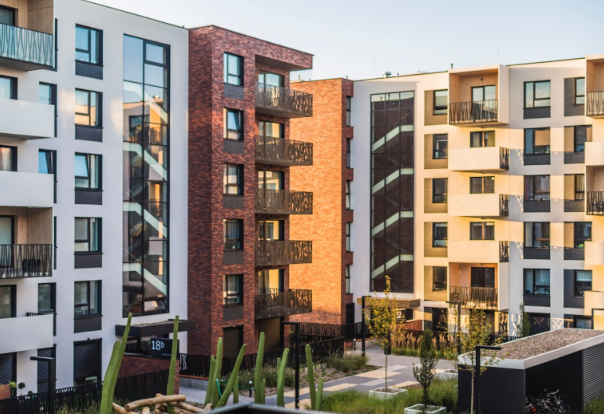
One of the most immediate and tangible differences between a house and a flat is the sheer volume of space.
Houses inherently offer more living area, both indoors and out. A typical family house might feature multiple bedrooms, reception rooms, a dedicated kitchen-diner, and often a utility room or downstairs toilet. Beyond the internal square footage, the defining characteristic is the private outdoor space – a garden. For families with children or pets, a garden is often non-negotiable, providing a secure play area, space for entertaining, or a tranquil spot for gardening. Post-pandemic, the demand for home office space has also escalated, and a house often provides more flexibility to dedicate a spare room or convert an outbuilding for this purpose. The potential for extensions (subject to planning permission) further adds to a house’s adaptability as your life stages evolve.
However, this generous space comes with responsibilities. Larger interiors mean more to clean, furnish, and maintain. A garden, while a blessing, requires constant upkeep – mowing, weeding, pruning – a time commitment many busy professionals or first-time buyers might underestimate.
Flats, by contrast, typically offer more compact living spaces. While modern developments can boast surprisingly spacious apartments, they rarely rival the footprint of a detached or even semi-detached house. Flats often prioritise open-plan living, combining kitchen, dining, and lounge areas. This design maximises the feeling of space but can sometimes lack the distinct zones a house provides. Outdoor space in a flat is usually limited to a balcony or a shared communal garden, if available. For those who enjoy an outdoor connection without the arduous maintenance, a balcony can be a perfect compromise, offering a spot for morning coffee or small container gardening.
The appeal of a flat’s smaller footprint lies in its manageability. Less to clean, less to furnish, and no private garden to tend to. This low-maintenance lifestyle is a significant draw for young professionals, single occupants, or those who travel frequently. The efficient use of space also means heating and cooling costs can be lower, a crucial factor given rising energy prices. However, the lack of private green space can be a drawback for those with children or pets, and the ability to expand is virtually non-existent without purchasing adjacent units, which is rarely feasible.
Amenities and Lifestyle: Exclusive Luxuries vs. Community Conveniences
The amenity offerings of houses and flats paint a very different picture of daily life.
Houses offer a highly private existence. Your amenities are entirely your own: your garden, your garage or driveway, and any internal features you choose to install, such as a home gym or a hot tub. This exclusivity provides unparalleled freedom and privacy. You decide when to use your garden, what modifications to make (within planning regulations), and how to utilise your space. There are no shared walls (in detached properties), no communal hallways, and no neighbours directly above or below you, translating into a greater sense of autonomy and often, peace and quiet. This independent lifestyle appeals to those who value their privacy and prefer to manage their own environment without external input.
However, this independence also means you’re solely responsible for everything. If the roof leaks, the boiler breaks down, or the fence needs mending, the buck stops with you. There are no communal funds or management companies to share the burden of repairs or improvements. This can lead to unexpected, significant expenses that need to be budgeted for.
Flats, particularly those in modern developments, often come with an impressive array of shared amenities. These can include a concierge service (offering security and convenience for package deliveries), a residents’ gym, swimming pool, communal lounges, meeting rooms, and sometimes even a cinema room. These facilities offer a luxurious lifestyle that would be prohibitively expensive to replicate in a private house. They foster a sense of community, allowing residents to interact and share resources. For individuals seeking convenience, security, and a vibrant social scene, these shared amenities are a major selling point.
Of course, these conveniences come at a price – the service charge. This annual or bi-annual fee covers the maintenance and upkeep of all communal areas and shared amenities, as well as building insurance and often a sinking fund for future major repairs. While it offloads maintenance burdens, it’s a significant ongoing cost that must be factored into your budget. There’s also the element of shared living: you might encounter neighbours in communal areas, noise from adjacent flats can sometimes be an issue, and you’re bound by the building’s management rules and regulations regarding everything from pet ownership to external modifications.
Location, Location, Location: Urban Vibrancy vs. Suburban Serenity
The type of property often dictates its typical location, heavily influencing daily commute, access to services, and overall lifestyle.
Houses are more commonly found in suburban or rural settings. These areas typically offer larger plots of land, lower population density, and a quieter environment. Suburban locations are often characterised by good local schools, green spaces, and a strong community feel, making them ideal for families. While they might require a commute into city centres for work, improved public transport links and the rise of hybrid working in 2025 mean that living further out is increasingly viable and desirable for many. Rural houses offer unparalleled peace, stunning natural surroundings, and often a stronger connection to local produce and community spirit, albeit with fewer immediate amenities and a greater reliance on personal transport.
The trade-off for this space and tranquillity can be proximity to major transport hubs or city centre amenities. Commutes can be longer, and accessing cultural events, diverse restaurants, or major retail centres might require a dedicated trip.
Flats, conversely, dominate city centres and urban areas. Their stacked design allows for high-density living, placing residents right at the heart of the action. This proximity means unparalleled access to public transport (underground, buses, trains), making commutes a breeze. City living offers a vibrant cultural scene, an abundance of restaurants, bars, shops, and entertainment options right on your doorstep. For young professionals, students, or those who crave the buzz of urban life, a city centre flat is often the preferred choice. Furthermore, flats in prime locations often benefit from strong rental demand, making them attractive for property investment.
However, city living comes with its own set of compromises. Space is at a premium, parking is often scarce and expensive, and the constant hum of urban life might not appeal to everyone. While convenient, the pace can be relentless, and access to large green spaces is often limited to public parks.
The Financial Landscape: Budgeting for Your Dream Home in 2025
Understanding the financial implications is paramount, especially with varying mortgage rates in 2025 and the intricacies of UK property taxation.
Houses generally command a higher purchase price than flats, primarily due to the larger space, private land, and freehold status. This translates to a larger deposit requirement and a larger mortgage. In 2025, securing favourable mortgage rates requires a strong credit profile and a substantial deposit, especially for larger sums. Beyond the purchase price, houses incur Stamp Duty Land Tax (SDLT), conveyancing solicitor fees, and survey costs. Ongoing costs include Council Tax (typically higher for larger properties), utilities, and the full burden of all property maintenance, from leaky taps to roof repairs. While a house may have greater potential for capital appreciation, particularly if located in an area with good infrastructure growth or within a desirable school catchment, it also ties up more capital initially.
Flats often present a more budget-friendly entry point into the property market, particularly appealing to first-time buyers who might be eligible for various government schemes. The purchase price is generally lower, requiring a smaller deposit and thus a smaller mortgage. However, flats come with additional unique costs. The most significant is the service charge, an ongoing fee covering communal maintenance, insurance, and amenities. There’s also ground rent, a payment to the freeholder (though this is becoming less common for new leasehold properties). For leasehold flats, extending the lease can be a substantial, often costly, process if not handled proactively.
While the initial outlay for a flat might be lower, the cumulative effect of service charges and ground rent can significantly impact your monthly outgoings. However, the advantage is that these costs cover a broad range of maintenance, often removing the burden of unexpected, large repair bills that house owners face. When considering property investment, flats in city centres often offer attractive rental yields, making them popular for buy-to-let investors.
Legal and Ownership Structures: Freehold vs. Leasehold
This is a critical distinction in the UK and often a source of confusion for buyers.
Houses are almost exclusively sold as freehold. This means you own the property and the land it stands on outright, for an unlimited period. You have full control over the property (within planning regulations) and don’t pay ground rent or service charges to a landlord. This ownership structure offers the greatest autonomy and simplifies future transactions like extensions or renovations.
Flats are predominantly sold as leasehold. This means you own the property for a fixed period (the term of the lease), but not the land it sits on. The land and the building’s common parts are owned by a freeholder (landlord), to whom you pay ground rent and service charges. As the lease term diminishes, the property can become harder to mortgage and sell, making lease extension a vital consideration. While there are rights to extend a lease, it can be a complex and expensive process. Some flats, particularly in Scotland, are sold as ‘share of freehold’, where leaseholders collectively own the freehold, offering more control but also shared responsibility. Understanding the intricacies of leasehold agreements and engaging a skilled conveyancing solicitor are non-negotiable when buying a flat.
The Human Element: Lifestyle, Privacy, and Community
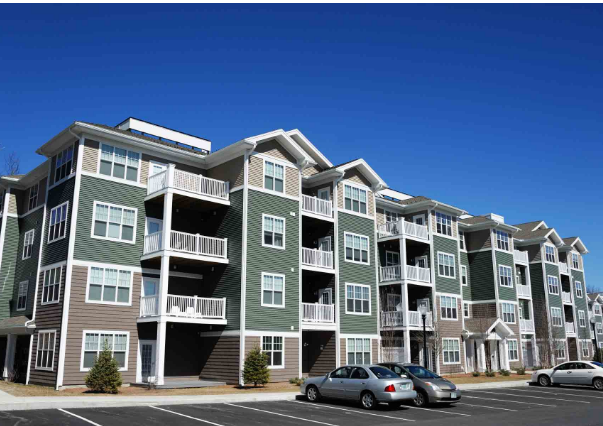
Beyond the tangible, your personality and lifestyle preferences play a huge role.
Privacy and Control: A house offers maximum privacy. You have your own entrance, no shared hallways, and often a private garden. You have greater freedom to decorate, renovate, and make noise without immediately impacting neighbours. This level of autonomy is highly valued by many.
Community and Connection: While a house can foster local community through street events or neighbourhood watch schemes, flats, especially in managed developments, often create a built-in community. Shared amenities, resident events, and simply encountering neighbours in common areas can lead to friendships and a stronger sense of belonging. This can be particularly appealing to those new to an area or single individuals.
Maintenance Burden: For busy professionals or those with physical limitations, the low maintenance of a flat is a huge plus. No garden upkeep, no worrying about roof repairs – these responsibilities are handled by the management company. A house, however, demands constant attention and expenditure for maintenance, which can be a significant time and financial drain.
Security: Modern flat developments often come with integrated security features like CCTV, secure entry systems, and a concierge, offering a heightened sense of security. Houses generally rely on individual security measures, though neighbourhood watch schemes can contribute to collective safety.
Future Trends: Sustainability and Smart Living in 2025
The 2025 property market is increasingly focused on sustainability and smart home technology.
Houses offer greater potential for substantial eco-upgrades, such as solar panels, ground source heat pumps, and extensive insulation, leading to lower energy bills and a smaller carbon footprint. The space allows for more complex systems and storage.
Flats, particularly new builds, often incorporate sustainable design features from the outset, such as communal heating systems, excellent insulation, and energy-efficient appliances. Smart home technology is easily integrated into both, but the scale of a house can allow for more comprehensive systems. Buyers are increasingly looking for properties with higher Energy Performance Certificate (EPC) ratings, impacting both resale value and eligibility for certain green mortgages.
Making Your Informed Decision
Ultimately, the choice between a house and a flat in 2025 is deeply personal and depends on a careful alignment of your lifestyle, financial capacity, and future aspirations.
Ask yourself:
Space: How much living space do you genuinely need? Is a private garden essential, or would a balcony suffice?
Budget: What is your maximum affordable purchase price, considering mortgage payments, Stamp Duty, and ongoing costs (Council Tax, service charges, maintenance)?
Lifestyle: Do you crave urban excitement or suburban tranquillity? Do you value privacy above all else, or does a sense of community appeal to you? How much time and effort are you willing to dedicate to property maintenance?
Future: Are you planning to start a family, or are you an empty-nester downsizing? Do you foresee needing space for a home office indefinitely?
Legal: Are you comfortable with the intricacies of leasehold ownership, or do you prefer the simplicity of freehold?
Engage with local estate agents to understand specific market conditions in areas you’re considering. Seek independent financial advice to clarify mortgage options and affordability. Most importantly, visit properties of both types with an open mind, visualising your life within those walls.
Conclusion
The “House vs. Flat” debate in the UK property market of 2025 is not about a definitive “better” option, but about finding the “right” fit for you. Both offer distinct advantages and drawbacks. A house promises space, privacy, and full autonomy over your property and land, albeit with greater maintenance responsibility and a typically higher price tag. A flat offers urban convenience, shared luxury amenities, lower maintenance, and a potentially more accessible entry point to the market, but with ongoing service charges and the complexities of leasehold ownership.
As an experienced guide in this field, my advice remains constant: thorough research, realistic budgeting, and an honest assessment of your lifestyle priorities are your best tools. Whichever path you choose, stepping onto the UK property ladder is a significant milestone. Happy home hunting!