
Renting a House vs. Apartment in 2025: An Expert’s Comprehensive Guide to Your Ideal Home
As an expert who has navigated the dynamic U.S. rental market for over a decade, I understand the pivotal decision renters face: whether to opt for the community-centric living of an apartment or the expansive solitude of a single-family house. In 2025, this choice is more nuanced than ever, shaped by evolving economic landscapes, technological advancements, and shifts in lifestyle priorities. Gone are the days of a simple either/or; today, your ideal home is a carefully considered blend of personal needs and market realities.
This guide, updated for the 2025 market, will cut through the noise, offering an insider’s perspective on the distinct advantages and trade-offs of each option. We’ll delve into the financial implications, lifestyle considerations, and future trends that should inform your decision, ensuring you make a strategic move in a competitive rental climate.
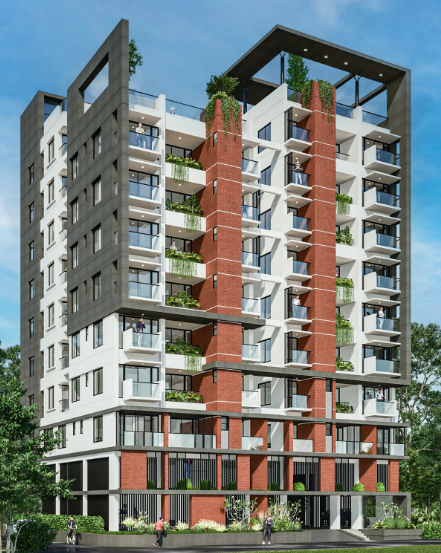
The Allure of Apartment Living in 2025
Apartments, particularly within multi-family developments, continue to offer a compelling package, especially for those prioritizing convenience, cost-efficiency, and a vibrant social fabric. The 2025 landscape sees these benefits amplified by smart technology and enhanced community offerings.
Cost-Effectiveness & Value Proposition
In 2025, affordability remains a primary draw for apartment living. While housing costs have generally seen an upward trend, multi-family units still typically present a lower entry point. Current market projections indicate that the average apartment rent in major U.S. metropolitan areas hovers around $2,200-$2,500, a significant delta compared to single-family homes. This often includes some utilities like water or trash, further reducing your monthly outflow.
The sheer variety of apartment configurations, from minimalist studios perfect for solo dwellers to spacious three-bedroom units designed for small families, allows for greater budgetary flexibility. A smaller footprint naturally translates to lower rent, offering a practical solution in markets where every dollar counts. For those seeking cost-efficient urban living without compromising on quality, apartments often provide an attractive “bang for your buck,” especially within affordable luxury apartments that integrate premium finishes and amenities.
Unparalleled Convenience & Maintenance
One of the most significant advantages of apartment life in 2025 is the unparalleled convenience regarding maintenance. Forget the stress of a leaky faucet or a malfunctioning HVAC system. Modern apartment complexes, often managed by professional property management services, boast responsive, on-site teams or dedicated contractors ready to tackle issues swiftly. This translates to peace of mind and more free time for you.
The advent of smart home technology has further streamlined this. Predictive maintenance systems, often integrated into smart thermostats and leak detectors, can alert management to potential problems before they escalate, ensuring a truly hassle-free rental living experience. Beyond repairs, many premium apartment communities offer a suite of services, from secure package lockers with digital access to dry cleaning pickup, creating a seamless, amenity-rich lifestyle.
Dynamic Location & Community Engagement
Apartment buildings are predominantly situated in urban centers or highly desirable suburban hubs, placing residents squarely amidst the action. This prime positioning provides immediate access to public transit, a diverse culinary scene, vibrant retail, cultural attractions, and essential services. The concept of walkable neighborhoods is intrinsically linked to apartment living, allowing for a reduced reliance on personal vehicles.
The 2025 apartment complex is more than just a place to live; it’s a curated community. Many developments actively foster social connections through shared spaces like state-of-the-art fitness centers, rooftop lounges, co-working spaces, and dog parks (some even with dedicated pet spas!). These premium amenities apartments offer opportunities for spontaneous interactions and organized events, making it easier to meet new people and build a strong local network within a vibrant urban community.
Enhanced Security & Peace of Mind
Security remains a top concern for renters, and apartment complexes in 2025 have elevated their game significantly. Multi-layered security protocols are standard, including controlled access via key fobs, biometric scanners, and smart locks. Many buildings feature 24/7 surveillance, professional concierges or front desk staff, and dedicated security patrols.
Beyond building access, secure mailrooms with smart package delivery systems mitigate theft risks, and fenced-in or underground parking facilities offer added protection for vehicles. This comprehensive approach to safety provides residents with an undeniable sense of peace of mind, making secure rental properties a hallmark of modern apartment living. For those new to a city or valuing personal safety, the robust infrastructure of advanced apartment security systems is a compelling factor.
Navigating the Trade-offs of Apartment Living
Despite their numerous advantages, apartments come with their own set of compromises. Understanding these trade-offs is crucial for a realistic assessment of whether apartment life aligns with your long-term needs.
Space Limitations & Storage Solutions
By their very nature, apartments typically offer less square footage compared to a house. While the average apartment size in 2025 might range from 800 to 1,200 square feet, this can feel restrictive for larger families, individuals with extensive hobbies, or those who frequently entertain. The proliferation of remote and hybrid work models has also highlighted the need for dedicated home office space, which can be challenging in a compact layout.
Private outdoor space is often limited to a small balcony, if available at all, curtailing opportunities for gardening or pet exercise. This necessitates creative compact living solutions and a commitment to decluttering. Renters often find themselves investing in vertical storage, multi-functional furniture, or even external storage units to accommodate their belongings, adding an unforeseen cost. Careful consideration of efficient apartment layouts becomes paramount to maximize every inch.
Noise, Privacy, and Neighborly Dynamics
Living in close proximity to others inevitably brings the challenge of noise and privacy. With neighbors above, below, and adjacent, ambient sounds—from footsteps and conversations to television noise and children playing—can be a constant presence. While newer constructions often incorporate improved soundproofing technology, it’s rarely entirely soundproof, and varied lifestyles among residents can lead to friction.
This close-quarters living demands a certain level of compromise and adherence to community rules, such as quiet hours. While you strive to be a good neighbor, you must also accept that your neighbors’ activities might occasionally impact your peace. For those who cherish absolute quiet or have lifestyles that generate more noise, the dynamic of community living etiquette and the limitations of even advanced apartment soundproofing options can be a significant drawback.
Pet Policies & Restrictions
While many apartment complexes are becoming more pet-friendly in response to growing demand, strict pet policies remain a common hurdle. These often include limitations on breed, size, and the number of pets allowed. Prohibited breeds (e.g., certain “aggressive” dog breeds) are still common, and larger dogs may be excluded due to space or liability concerns.
Beyond restrictions, many landlords charge additional pet rent (often $30-$75 per month per pet) and non-refundable pet deposits, adding to the overall cost of renting. While an increasing number of pet-friendly apartment communities are emerging, especially those with dedicated dog parks, navigating these rules requires careful planning. Understanding and complying with policies regarding emotional support animals (ESAs) also requires specific documentation, highlighting the complexities of navigating pet restrictions in apartment settings.
Decorating Flexibility & Lease Constraints
One of the trade-offs for the convenience of apartment living is often a diminished sense of control over your immediate environment. Most apartment leases impose strict rules against significant alterations such as painting walls, installing permanent fixtures, or making holes for heavy decor. While temporary wallpaper and command strips offer some rental interior design tips for personalization, major renovations are typically out of bounds.
Furthermore, apartment leases, especially from large corporate landlords, can be less flexible. Early termination penalties are often substantial, making it difficult to adapt quickly to unforeseen life changes. Building-wide rules, from guest policies to common area usage, can also feel restrictive. This lack of autonomy is a key consideration for renters who value complete freedom in their living space and underscores the importance of understanding apartment leases thoroughly before signing.
The Enduring Appeal of House Rentals in 2025
For those yearning for more space, greater autonomy, and a private retreat, renting a single-family home holds a distinct appeal. The 2025 market highlights these benefits, especially for families and individuals seeking a more traditional residential experience.
Expansive Space & Functional Versatility
The most immediate and apparent advantage of renting a house is the sheer increase in space. While apartment averages hover around 800-1,200 square feet, single-family rental homes in 2025 often span 1,500 to 2,500+ square feet. This generous footprint allows for dedicated rooms, which have become increasingly valuable in the hybrid work era. Imagine a separate home office, a personal gym, or a dedicated playroom for children – features that are luxury in apartments but standard in many houses.
Beyond living areas, houses typically come equipped with basements, attics, and garages, providing ample storage solutions that eliminate the need for costly external units. This makes them ideal for families, individuals with extensive hobbies, or anyone who simply appreciates having room to spread out. The allure of spacious rental homes and the inherent single-family rental benefits of multi-functional spaces cannot be overstated in today’s lifestyle.
Unrestricted Personalization & Autonomy
Renting a house often affords a greater degree of home personalization ideas for renters and a stronger sense of autonomy. While landlord approval is almost always required for major changes, many private landlords are more flexible than corporate management companies regarding cosmetic alterations like painting walls or updating fixtures. This means you can truly make the space feel like your own, reflecting your personal style and preferences.
The ability to personalize your environment without stringent building codes or communal oversight fosters a profound sense of ownership and belonging. For creative individuals or those with a clear vision for their living space, this freedom is invaluable. The emotional return on investment from being able to shape your direct environment contributes significantly to the overall satisfaction of creative rental decor.
Private Parking & Uninterrupted Access
One of the enduring frustrations of apartment living in many urban areas is the constant battle for parking—often involving competitive street parking, expensive monthly fees, or long treks from a distant garage spot. Renting a house largely eliminates this stress. Most single-family homes come with a dedicated driveway, an attached garage, or at the very least, ample street parking immediately adjacent to the property.
This convenience is particularly significant in 2025, with the rising adoption of electric vehicles. Many rental homes with garage spaces offer the potential for installing an EV charger (with landlord permission), a feature rarely found in apartments outside of premium, dedicated EV charging stations. This ensures uninterrupted, private access to your vehicles and a seamless daily routine.
Outdoor Living & Private Oasis
A defining feature of house rentals is the inclusion of private outdoor space. Whether it’s a sprawling backyard perfect for children and pets to play freely, a cozy patio for al fresco dining, or a front porch ideal for enjoying a morning coffee, this personal oasis is a significant draw. Unlike shared apartment common areas, a house’s yard is typically a fenced-off, exclusive space for you and your household.
This private outdoor area is a tremendous benefit for pet owners, providing a secure and convenient place for exercise and fresh air. It also offers opportunities for gardening, hosting barbecues, or simply relaxing in nature without communal interference. The demand for rental homes with private yard access has surged, reflecting a growing appreciation for personal green spaces and the benefits of outdoor living spaces for rent.
The Realities of Renting a House
While the appeal of a house is strong, it’s essential to understand the accompanying responsibilities and potential downsides, particularly within the 2025 market context.
Premium Cost & Financial Commitments
The most significant hurdle for many considering a house rental in 2025 is the higher financial commitment. Market data consistently shows that single-family home rents are substantially higher than apartments. Projections for 2025 suggest average house rents could range from $3,000 to $4,000+ per month, depending on location and size. This premium is driven by several factors: larger square footage, scarcity of supply compared to multi-family units, and the impact of higher interest rates on landlords’ mortgage costs, which are often passed on to tenants.
Beyond rent, security deposits for houses are typically higher, often equating to two or three months’ rent. Furthermore, utility costs for heating and cooling a larger space are almost invariably higher, and renters are usually responsible for all utilities, unlike some apartment scenarios. Understanding the true cost, including potential for luxury home rentals cost and the underlying investment property rental returns landlords seek, is crucial for budgeting.
Lease Volatility & Landlord Relationship
Renting a house, especially from an individual owner rather than a large property management company, can introduce a degree of lease volatility. Private landlords might decide to sell their property, move back into it themselves, or have a family member occupy it, leading to a non-renewal of your lease. While this is less common with institutionally owned single-family rentals, it’s a distinct risk with private landlords.
The relationship with a private landlord can also be less formalized. While some offer exceptional, personalized service, others might be less experienced in property management, potentially leading to slower responses for repairs or less standardized lease terms. It is absolutely critical to ensure all agreements, from rent specifics to maintenance responsibilities, are thoroughly documented in a written lease to avoid disputes. Familiarity with understanding landlord-tenant laws is paramount for securing secure rental agreements.
Maintenance Responsibilities & Time Commitment
Unlike apartment living where maintenance is typically handled, house renters often assume more responsibility for upkeep. Lease agreements frequently stipulate that tenants are responsible for yard work (mowing, landscaping, leaf removal), routine pest control, and minor interior repairs like changing light bulbs or air filters. While this allows for greater control over your immediate surroundings, it demands a significant time commitment or an additional financial outlay for professional services.
Unexpected maintenance issues, such as a clogged gutter or a faulty sprinkler system, can also fall on the tenant, depending on the lease terms. While major structural repairs are typically the landlord’s responsibility, the day-to-day home maintenance tips for renters and the ongoing rental property upkeep require conscious effort and budgeting.
Potential for Isolation & Accessibility Challenges
Many single-family homes are located in suburban or exurban areas, which offer quiet streets and larger lots but often come with trade-offs in terms of accessibility and community interaction. These locations typically necessitate a greater reliance on personal vehicles, as public transit options may be limited or non-existent. Proximity to amenities like restaurants, shops, and entertainment venues might also require a significant drive.
Compared to the built-in social environment of an apartment complex, house rentals can feel more isolated. Spontaneous interactions with neighbors are less common, and organized community events might be fewer and farther between. For individuals who thrive on constant activity and easy access to diverse amenities, the quietude of suburban rental living might present a challenge, demanding careful consideration of commuter-friendly rentals if proximity to work or city life is essential.
Making Your Choice in 2025: A Strategic Approach
Ultimately, the decision between renting a house and an apartment in 2025 is profoundly personal, a reflection of your financial reality, lifestyle aspirations, and long-term goals. There is no universally “better” option; there’s only the right fit for you.
Start by taking an honest look at your budget. Go beyond the rent; factor in estimated utility costs, potential pet fees, parking expenses, and the cost of furnishing a larger space if you choose a house. Could you comfortably afford the higher price tag and additional responsibilities of a house, or would the more predictable costs of an apartment offer greater financial freedom? Exploring various real estate market projections can provide valuable context for your budget.
Next, consider your lifestyle. Are you a social butterfly who thrives on urban vibrancy and community events, or do you crave a private sanctuary? Do you have pets or children who would benefit from a dedicated yard? Are you handy and enjoy yard work, or would you prefer to delegate all maintenance to a management team? Your daily routines, hobbies, and social preferences should heavily influence your decision. Think about how smart home technology for renters might enhance either experience.
Finally, think about your short-to-medium-term plans. If flexibility is paramount, an apartment might offer more options in terms of lease duration and ease of relocation. If you anticipate needing more space for a growing family or a home-based business, a house could be a strategic investment in your comfort. Consider the long-term benefits of sustainable living solutions in either scenario.
Charting Your Course to Your 2025 Rental
The rental market in 2025 is diverse and dynamic, offering an array of choices to suit nearly every preference and budget. Whether you envision yourself amidst the vibrant hum of apartment life or nestled in the tranquil expanse of a rented house, an informed decision is your most powerful tool.
Don’t rush the process. Conduct thorough research, visit multiple properties, and ask probing questions about lease terms, maintenance responsibilities, and community rules. If possible, speak to current residents to get an unfiltered perspective. Consult with a knowledgeable local real estate professional to understand the nuances of your desired neighborhoods and to access comprehensive tenant benefits package options.
Your ideal home is out there. With careful consideration and a clear understanding of what each option entails, you can confidently embark on your 2025 rental journey and find a space that truly resonates with your life.
Ready to explore your options and secure your perfect home for 2025? Dive into the listings, connect with local rental experts, and take the first step toward a living situation that truly elevates your everyday. What are your biggest priorities for your next rental? Share your thoughts and questions below!