
Apartment vs. House: A 2025 Investor’s Definitive Guide to Rental Property Success
The American real estate market, as we navigate the complexities of 2025, remains a dynamic arena ripe with opportunity for savvy investors. With continued housing demand, evolving interest rate expectations, and a persistent need for rental housing, understanding where to strategically place your capital is more critical than ever. As someone who has spent the last decade in the trenches of residential real estate investment, I’ve witnessed firsthand the cyclical shifts, the emergence of new strategies, and the enduring debate: should an investor target single-family homes (SFRs) or dive into the multifamily apartment sector?
Both asset classes offer compelling pathways to wealth accumulation through rental income and capital appreciation, yet they cater to different investor profiles, risk appetites, and operational capabilities. This isn’t merely a discussion of brick and mortar; it’s an exploration of financial objectives, management philosophies, and long-term portfolio growth. Let’s peel back the layers and examine the nuanced distinctions that will empower you to make an informed decision aligned with your 2025 investment goals.
Understanding the Core Assets: SFRs vs. Multifamily Apartments
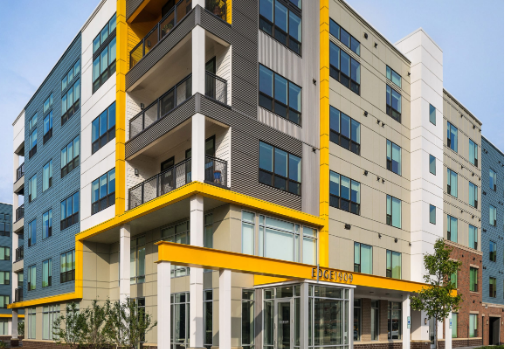
Before we delve into the intricate comparisons, a clear understanding of each property type’s fundamental characteristics is essential in today’s market.
Single-Family Homes (SFRs)
A single-family home, in the context of investment, is a standalone residential dwelling designed for occupancy by one household. These properties typically feature private yards, direct street access, and individual utility connections. The allure of SFRs in 2025 continues to stem from the strong cultural preference for private living, often appealing to families, pet owners, and those seeking more space. As an investor, you acquire the entire parcel of land and the structure upon it, granting you complete control over the property.
Multifamily Apartment Units
Multifamily properties, ranging from duplexes and quadplexes to large apartment complexes housing hundreds of units, consist of multiple residential units within a single structure or a complex of structures. Each unit functions as an independent dwelling, sharing common infrastructure like walls, roofs, and often amenities. For 2025, multifamily investments remain highly attractive due to their potential for stable cash flow and operational efficiencies, particularly in areas experiencing strong population growth and employment opportunities. Investors typically own the entire building or complex, or a fractional interest within a larger syndication.
The 2025 Investment Compass: Key Considerations for Your Portfolio
Deciding between SFRs and multifamily properties isn’t a one-size-fits-all equation. It’s about aligning the asset class with your specific financial objectives, risk tolerance, and operational capacity. Here are the ten critical distinctions, viewed through the lens of a seasoned investor navigating the current and projected 2025 market:
Investment Goals: Cash Flow, Appreciation, and Risk Diversification
The bedrock of any successful real estate strategy lies in clearly defined investment goals. In 2025, with fluctuating interest rates and varied market sentiment, this clarity is paramount.
Cash Flow Dynamics: Multifamily properties generally offer superior and more stable cash flow. With multiple units, the vacancy of one unit has a mitigated impact on your overall income stream. This “spread of risk” across several tenants means a more consistent return on investment, which is particularly valuable in a market where maintaining liquidity is wise. Conversely, a vacant single-family home means 100% loss of rental income for that period, posing a greater immediate financial strain.
Appreciation Potential: Historically, single-family homes have often demonstrated stronger appreciation due to the scarcity of land and the inherent desirability of private homeownership. The land component of an SFR can be a significant driver of long-term value. However, multifamily properties can also achieve substantial appreciation, especially through value-add strategies – renovating units, upgrading common areas, or improving management to command higher rents. In 2025, the demand for well-maintained, amenitized multifamily properties in growing urban and suburban cores continues to fuel robust appreciation in certain submarkets.
Risk Diversification: Multifamily truly shines in risk diversification. A single-family rental is a single point of failure; if that tenant leaves or defaults, your income stops. With a multifamily property, particularly larger complexes, you’re spreading your risk across dozens or even hundreds of tenants. This diversification provides a buffer against individual tenant issues and market fluctuations, contributing to a more resilient income stream even if specific units experience turnover. This is a powerful hedge in potentially uncertain economic times.
Ownership Structure and Management Control
The nature of ownership dictates your level of control, operational involvement, and interaction with tenants.
Single-Family Home Ownership: As an SFR investor, you typically hold full ownership of the property. This grants you complete autonomy over decisions regarding renovations, tenant screening, rent pricing, and maintenance. You’re often the direct point of contact for tenants, fostering a more personalized landlord-tenant relationship. While this direct control can be empowering, it also centralizes all management responsibilities squarely on your shoulders.
Multifamily Ownership: Multifamily ownership can be more complex. For smaller properties (duplexes-quadplexes), you might manage directly. For larger apartment complexes, ownership often involves commercial real estate loans, and management is typically delegated to professional property management companies. For sophisticated investors, opportunities often arise through syndications or real estate investment trusts (REITs), where you might be a limited partner, owning a share without direct operational control. This hands-off approach allows investors to scale their portfolios without being bogged down by day-to-day operations, leveraging expert management for optimal performance.
Physical Structure and Building Dynamics
The inherent differences in physical structure translate directly into varying operational demands and tenant appeals.
Single-Family Homes: These are standalone structures, providing tenants with a sense of autonomy and privacy. They typically include private yards, garages, and no shared walls. This independence often appeals to families and those seeking a quieter, more residential lifestyle away from communal living. From an investor perspective, this means fewer shared systems, but also individual responsibility for every component of the structure.
Multifamily Apartments: Apartment units are by definition part of a larger building or complex, sharing common walls, floors, roofs, and infrastructure. This communal design often includes shared amenities like lobbies, hallways, and elevators. While units are private, the overall environment is one of shared living, which necessitates robust building management for safety, cleanliness, and maintenance of common areas.
Space, Layout, and Tenant Demographics
The average size and layout of units significantly influence the type of tenants you attract and the market segments you serve.
Single-Family Homes: SFRs generally offer more expansive living spaces, often featuring multiple bedrooms, larger common areas, and outdoor yards. The average new single-family home in the U.S. hovers around 2,300-2,400 square feet. This generous space appeals to families, those working from home needing dedicated offices, or individuals simply desiring more room to spread out. In 2025, with remote work continuing its influence, the demand for space and dedicated home offices remains robust.
Multifamily Apartments: Apartment units are typically more compact, with average sizes varying widely by market, often ranging from 700 to 1,200 square feet. While some luxury apartments offer larger footprints, the core market caters to singles, young couples, empty nesters, and individuals prioritizing convenience and access to urban amenities over expansive private space. The smaller footprint also often correlates with lower utility costs, a draw for many tenants.
Maintenance and Operational Demands
Maintenance is a significant operational expense and time commitment for any rental property. The scale and nature of maintenance differ profoundly between the two asset classes.
Single-Family Home Maintenance: While often perceived as “less maintenance” per property than a large apartment complex, SFRs require a broad range of individual responsibilities. This includes regular landscaping, exterior upkeep (roof, siding, gutters), interior repairs (plumbing, electrical, HVAC, appliance), and general wear and tear. You’re responsible for everything for that single property. The challenge often lies in managing multiple vendors across potentially geographically dispersed properties, making economies of scale difficult to achieve.
Multifamily Apartment Maintenance: This is a much larger-scale operation, encompassing common areas (lobbies, hallways, fitness centers, pools), complex building systems (elevators, central HVAC, fire suppression, large-scale plumbing), security systems, and exterior upkeep of the entire complex. While this sounds daunting, professional property management teams are equipped to handle this. They often have in-house maintenance staff or preferred vendor relationships, achieving significant economies of scale. Proactive maintenance schedules are crucial to prevent larger, more costly issues. Safety inspections and adherence to rigorous building codes are ongoing requirements.
Amenities and Competitive Edge
Amenities play a crucial role in tenant attraction and retention, directly impacting your ability to command premium rents.
Single-Family Home Amenities: The primary “amenities” of an SFR are typically private ones: a yard, a garage, perhaps a basement, and interior features like upgraded kitchens or bathrooms installed by the owner. Tenants choose SFRs for the privacy and space, often bringing their own recreational solutions.
Multifamily Apartment Amenities: Apartment complexes often boast a wide array of shared amenities designed to create a community lifestyle. These can include fitness centers, swimming pools, clubhouses, co-working spaces, pet parks, package lockers, and even concierge services. In 2025, “experiential living” is a buzzword, and amenity-rich properties hold a significant competitive edge, allowing landlords to justify higher rents and achieve lower vacancy rates. However, these amenities come with substantial initial investment and ongoing maintenance costs.
Privacy and Community Dynamics
The living environment profoundly impacts tenant satisfaction and your management approach.
Single-Family Home Privacy: SFRs offer the highest degree of privacy. Tenants enjoy their own yard, no shared walls, and direct entry. This individualistic environment reduces neighborly disputes and offers tenants greater freedom regarding noise levels and personal space, making it ideal for those who value solitude.
Multifamily Apartment Environment: Living in an apartment inherently means sharing walls, hallways, and common spaces with neighbors. While individual units offer privacy, the overall environment is communal. Property management plays a crucial role in fostering a positive community, managing noise complaints, and ensuring shared spaces are well-maintained and secure. Some tenants actively seek this community feel, appreciating the social aspects and shared amenities.
Cost Structure and Economies of Scale
Analyzing the cost structure is vital for understanding profitability and managing expenses effectively.
Single-Family Home Cost Structure: For SFRs, you bear all property-related costs directly: property taxes, insurance, individual utility hookups (though typically paid by tenants), and all maintenance expenses. There are no shared costs. This means that while each individual cost might be less than a large-scale apartment expense, the lack of cost-sharing can result in higher per-unit costs for things like repairs or property management fees if you’re managing a dispersed portfolio.
Multifamily Apartment Cost Structure: Multifamily properties have a more complex operational expense (OpEx) structure, including master insurance policies, property management fees (often a percentage of gross rents), common area utilities, security, and amenity maintenance. However, the sheer number of units allows for significant economies of scale. For instance, one roof repair for a complex covers many units, distributing the cost. Bulk purchasing for supplies, centralized maintenance teams, and streamlined administrative processes all contribute to lower per-unit operating expenses compared to a portfolio of scattered SFRs.
Scalability and Portfolio Growth
Your long-term growth aspirations will heavily influence which asset class is more suitable.
Scaling Single-Family Rentals: Growing an SFR portfolio often involves acquiring properties one by one, which can be capital-efficient on a per-property basis. Strategies like the BRRRR method (Buy, Rehab, Rent, Refinance, Repeat) are popular for leveraging equity to acquire more homes. However, scalability becomes “people-intensive.” Managing multiple scattered properties requires significant time, a robust network of local contractors, and effective tenant management, which can limit rapid expansion without building a substantial operational team. Geographical diversification can also complicate management.
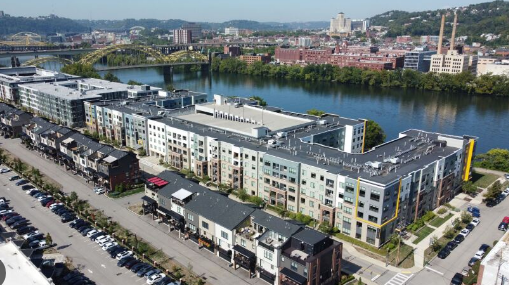
Scaling Multifamily Investments: Scaling multifamily typically requires significant capital investment upfront. However, once established, operations are centralized. You can leverage existing property management teams and resources to absorb additional units within the same complex or acquire adjacent properties, simplifying management and maintenance tasks. For larger growth, syndication models allow investors to pool capital, enabling the acquisition of multi-million dollar assets that would be unattainable individually. This allows for much faster and more substantial portfolio growth for those with the capital and risk appetite.
Financing and Capital Deployment in 2025
The availability and terms of financing significantly differ and are particularly relevant in the 2025 interest rate environment.
Single-Family Home Financing: SFRs are typically financed with conventional residential mortgages (e.g., Fannie Mae, Freddie Mac loans) if under 4 units. These loans often come with favorable interest rates and longer amortization periods. As an investor, you might be limited in the number of conventional mortgages you can hold (typically 10). In 2025, while rates have stabilized from their peaks, they remain higher than historical lows, making debt service a larger component of your cost analysis.
Multifamily Apartment Financing: Multifamily properties (5+ units) are financed with commercial real estate loans, which have different underwriting criteria, loan-to-value ratios, and often shorter repayment terms (e.g., 5, 7, or 10-year balloons). Lenders assess the property’s income-generating potential more heavily. For larger deals, sophisticated financing structures like agency loans (Fannie Mae, Freddie Mac multifamily), CMBS, or private equity debt are common. The current 2025 environment sees commercial lending tightening somewhat compared to previous years, requiring stronger financials and more robust business plans, but capital is still available for well-underwritten deals.
Making Your Informed Decision for 2025
The choice between investing in apartments and single-family homes ultimately hinges on your personal investment philosophy, financial capacity, risk tolerance, and the amount of active management you desire.
Choose Single-Family Homes if: You prefer direct control, value potential for higher appreciation (especially in land-constrained markets), appreciate simpler financing structures (for smaller portfolios), and are comfortable with the hands-on management of individual properties and higher vacancy risk per asset. This is often an excellent entry point for new investors or those building a smaller, focused portfolio.
Choose Multifamily Apartments if: You prioritize stable cash flow, desire economies of scale in operations, are comfortable delegating management to professionals, seek diversification across multiple units, and have the capital or the ability to pool capital for larger acquisitions. This strategy is often favored by more experienced investors looking to scale rapidly and build substantial passive income streams.
In the dynamic real estate landscape of 2025, both asset classes present viable avenues for wealth creation. The key is thorough due diligence, a clear understanding of your personal objectives, and a realistic assessment of the operational demands of each. The market rewards preparedness and a well-defined strategy.
Ready to strategically position your capital in the 2025 real estate market? Understanding these nuances is just the first step. For a personalized consultation on how single-family rentals or multifamily apartments can fit into your unique investment portfolio, reach out today. Let’s build your real estate legacy together.