
Mastering the Rental Market: A 2025 Expert’s Guide to Multifamily vs. Single-Family Investment
The current real estate landscape, characterized by dynamic shifts and unprecedented growth, offers a fertile ground for savvy investors. With construction cranes still reaching for the sky and a persistent housing shortage in many areas, the demand for rental properties remains robust. As of early 2025, the U.S. continues to see a substantial pipeline of new residential units, underscoring both opportunity and competition. For those looking to carve out a profitable niche in the rental property sector, a foundational decision looms large: whether to commit capital to a single-family home or a multifamily property.
Having navigated the intricacies of residential real estate for over a decade, I’ve witnessed firsthand the evolving appeal and distinct challenges of both investment avenues. This isn’t merely a choice between property types; it’s a strategic alignment with your financial objectives, risk tolerance, and operational capacity. A successful real estate investment strategy hinges on understanding the nuances that differentiate single-family from multifamily assets. This comprehensive guide, informed by current market trends and a deep understanding of investment dynamics, will equip you with the insights needed to make an informed decision and optimize your multifamily vs single-family investment journey.
Deconstructing the Investment Landscape: Single-Family vs. Multifamily Defined
Before delving into the strategic considerations, it’s crucial to establish a clear understanding of what each property type entails in the context of real estate investment. Both can generate consistent rental income, but their operational and financial characteristics diverge significantly.
Single-Family Homes:
A single-family home represents a standalone residential structure designed for one household. These properties typically feature private yards, dedicated parking, and a greater degree of structural independence. In the U.S., these account for the vast majority of housing stock, making them a common entry point for individual rental property investors. Ownership usually involves a traditional mortgage and equity injection, granting the investor full control over the property’s management, maintenance, and tenant relations. The appeal often lies in attracting long-term tenants seeking privacy and space, typical of suburban property investment.
Multifamily Properties:
Conversely, a multifamily property houses multiple residential units within a single building or complex. This category spans everything from duplexes and quadplexes to large apartment complexes. Investors typically acquire these assets using commercial real estate loans, a distinct financing vehicle from residential mortgages. The ownership structure can vary, from an individual or entity owning the entire complex to units being sold individually as condominiums. The key characteristic is the aggregation of multiple income streams under one roof, catering to a diverse tenant base often drawn to the convenience of apartment living and shared amenities, particularly in urban real estate opportunities.
A Deeper Dive: 10 Critical Considerations for Your Real Estate Portfolio
Choosing between a single-family and multifamily vs single-family investment is a strategic decision that impacts every facet of your investment journey. Let’s meticulously examine the key factors shaping this choice, updated to reflect the realities and projections of 2025.
Investment Goals & Financial Architecture
Your primary financial objectives should dictate your property choice. The inherent financial characteristics of single-family versus multifamily assets present distinct pathways to wealth accumulation.
Cash Flow Dynamics: Multifamily properties typically offer superior and more consistent cash flow due to multiple rent checks. The impact of a single vacancy is significantly cushioned when you have ten other units generating income. This inherent diversification against vacancy risk provides a more predictable income stream. For single-family homes, a vacancy means 100% loss of rental income for that period, making cash flow less stable and more vulnerable to market fluctuations. Successful investment property analysis for multifamily emphasizes net operating income (NOI) stability.
Appreciation Potential & Value-Add Strategies: Historically, single-family homes have often seen higher rates of appreciation, driven by land scarcity and strong demand for private living spaces, particularly in desirable suburban and coastal market trends. However, multifamily assets offer robust opportunities for “forced appreciation” through value-add strategies. Implementing renovations, improving property management solutions, or optimizing operational efficiencies can directly increase net operating income, thereby boosting the property’s valuation irrespective of broader market movements. Understanding these mechanisms is key for maximizing capital gains tax strategies.
Risk Diversification & Mitigation: This is perhaps the most significant differentiator. A multifamily investment inherently diversifies risk across multiple tenants and units. A sudden repair in one unit or a tenant default has a proportionally smaller impact on your overall real estate portfolio. Single-family homes, conversely, represent a single point of failure; a problematic tenant or a major system failure can wipe out your entire rental income for months, exposing you to higher individual asset risk. Real estate portfolio diversification is paramount for long-term stability.
Ownership Structures & Management Imperatives
The nature of ownership directly influences your responsibilities and the complexity of daily operations.
Single-Family Autonomy: Owning a single-family home means you are typically the sole proprietor, enjoying full autonomy over decisions from tenant screening to property upgrades. This direct control can be appealing for hands-on investors. However, it also means assuming full responsibility for all maintenance, taxes, and compliance. Direct interaction with tenants is common, requiring strong landlord responsibilities and communication skills.
Multifamily Complexity: Multifamily ownership can be more intricate. While an individual investor might own a small duplex, larger apartment complexes often involve limited partnerships, syndications, or corporate structures. Management is frequently outsourced to professional property management companies that handle everything from leasing and maintenance to financial reporting. This allows investors to scale their portfolios more effectively and focus on asset management strategies rather than day-to-day operational minutiae. The investor’s role shifts from an operator to a strategic asset manager.
Physical Attributes & Architectural Distinctions
The physical characteristics of each property type cater to different tenant desires and present varying maintenance challenges.
Single-Family Appeal: These properties typically offer more expansive living spaces, private outdoor areas (yards, patios), and often dedicated garages or driveways. The structural independence means fewer shared walls and a sense of detachment from neighbors, appealing to families and those prioritizing privacy and space.
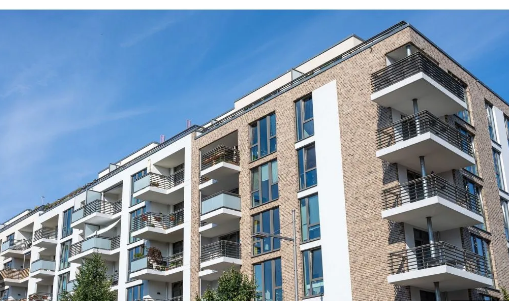
Multifamily Design: Multifamily buildings, by definition, involve shared walls, floors, and often common areas. The design prioritizes density and efficiency, providing housing solutions in areas where land is scarce or expensive. While individual units might be smaller, tenants often gain access to shared amenities, which can be a significant draw, especially in bustling urban centers.
Space, Layout & Tenant Demographics
Understanding who your target tenant is will significantly influence your choice.
Single-Family Generosity: With average sizes around 2,300 square feet, single-family homes typically provide ample living space, attracting families, couples with pets, or long-term renters seeking stability and room to grow. This often translates to lower tenant turnover but higher vacancy impact. Local market dynamics will heavily influence demand for these properties.
Multifamily Efficiency: Apartment units are generally more compact, ranging from under 700 square feet in dense urban cores like Seattle to nearly 1,000 square feet in growing cities like Scottsdale. They appeal to a diverse demographic: young professionals, students, empty-nesters, and individuals seeking flexibility and proximity to work or entertainment. This segment often accepts smaller living areas in exchange for convenience and shared amenities, driving consistent rental demand in urban centers.
Maintenance Regimen & Operational Demands
Maintenance is a significant ongoing expense and operational commitment for any rental property owner.
Single-Family Directness: Maintenance for a single-family home is typically direct and focused on one structure. This includes routine landscaping, exterior upkeep (roof, siding, gutters), interior repairs (plumbing, electrical, appliance care), and crucial system checks (HVAC). While less complex than a large complex, it requires consistent attention and prompt response from the landlord or a dedicated service provider.
Multifamily Systematics: Multifamily investment introduces maintenance at scale. Beyond individual unit repairs, common areas (lobbies, hallways, fitness centers), large-scale systems (central heating/cooling, elevators, fire suppression), and exterior building infrastructure (facades, roofs, parking lots) all require ongoing professional attention. This necessitates sophisticated vendor management, preventative maintenance schedules, and robust property management solutions to ensure operational efficiency and tenant satisfaction. Safety inspections are also paramount for compliance.
Amenities & Competitive Edge
Amenities play a crucial role in attracting and retaining tenants, but their impact and cost structure differ.
Single-Family Customization: Amenities in a single-family rental are typically private and unique to the property: a fenced yard, a two-car garage, or high-end interior finishes. While these can significantly enhance tenant appeal, they are specific to that single unit and usually don’t involve shared costs or management.
Multifamily Value Proposition: Apartment complexes often boast a suite of shared amenities: swimming pools, fitness centers, co-working spaces, dog parks, and communal lounges. These amenities are powerful selling points that can justify higher rental income and foster a sense of community. However, they come with substantial operational costs for maintenance, insurance, and management, which are typically factored into the overall rent or HOA fees. The strategic offering of amenities is critical for competitiveness in today’s rental market trends.
Privacy & Community Dynamics
The living environment profoundly impacts tenant satisfaction and the overall investment experience.
Single-Family Seclusion: Single-family homes offer superior privacy, with greater separation between properties and exclusive use of outdoor spaces. This autonomy is a major draw for tenants seeking a quiet, personal sanctuary, free from direct neighborly interactions within common areas.
Multifamily Interconnectivity: Apartment living inherently involves closer proximity to neighbors and shared common spaces like hallways, elevators, and recreational areas. While this fosters a sense of community for some, it can also lead to increased noise, shared facility usage challenges, and less personal space. Investors must manage tenant expectations regarding privacy and communal living effectively.
Cost Structure & Economies of Scale
Analyzing the financial outlay beyond the purchase price is critical for understanding true profitability.
Single-Family Itemized Costs: For a single-family home, the landlord directly bears all individual property-related costs: property taxes, insurance premiums, utilities (if included), and all repairs. These expenses are specific to that one unit, resulting in higher per-unit costs compared to a larger portfolio.
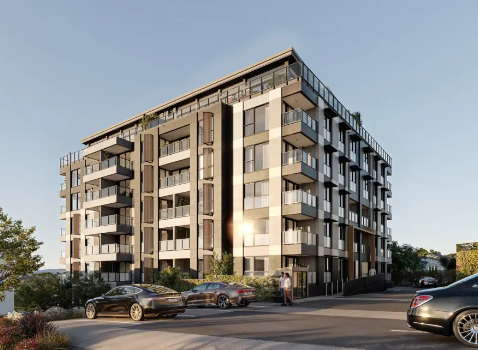
Multifamily Scalability in Costs: A multifamily investment benefits significantly from economies of scale. Insurance can be purchased in bulk, maintenance supplies ordered in larger quantities, and utility management centralized. While the overall expenditure for a large complex is higher, the cost per unit for many services is often lower. Furthermore, commercial real estate financing often allows for more favorable terms on larger properties, spreading debt service across multiple income streams.
Scalability & Portfolio Expansion
Your long-term vision for portfolio growth should heavily influence your initial choice.
Multifamily: Capital-Intensive Growth: Scaling a multifamily investment portfolio typically requires substantial capital outlays for each acquisition. However, each acquisition adds multiple units simultaneously, accelerating portfolio growth and unit count. The centralized nature of these operations also streamlines management as you expand within a region. This approach offers a quicker path to achieving significant passive income real estate and leveraging professional teams across multiple assets. Strategic property acquisition in multifamily can rapidly build substantial equity.
Single-Family: Incremental Growth (e.g., BRRRR): Expanding a single-family portfolio usually involves acquiring one property at a time, often with less initial capital per unit. Strategies like BRRRR (Buy, Rehab, Rent, Refinance, Repeat) are popular, allowing investors to cycle capital. However, managing a scattered portfolio of single-family homes across different neighborhoods can be people-intensive, making it challenging to achieve the same economies of scale in management and maintenance as with a concentrated multifamily asset. While offering a lower entry barrier, it’s a slower path to large-scale wealth building strategies.
Market Trends & Future Outlook (2025 and Beyond)
The broader economic and demographic landscape significantly impacts the viability of both property types.
Interest Rate Environment: While interest rates have stabilized, the cost of borrowing remains a critical factor for both residential mortgages and commercial real estate financing. Investors must analyze how current rates impact their debt service coverage ratios and overall profitability for both property types.
Housing Supply/Demand Imbalance: Persistent housing shortages, particularly for affordable and workforce housing, continue to fuel strong rental demand. Multifamily developments are crucial in addressing this, particularly in dense urban and high-growth suburban areas.
Demographic Shifts: Millennials and Gen Z are increasingly delaying homeownership, favoring the flexibility and lower upfront costs of renting. This demographic trend strongly supports multifamily investment, especially properties offering modern amenities and convenient locations. Remote work trends continue to influence regional rental demand, creating new opportunities in previously overlooked markets.
Regulatory Environment: Local zoning laws, permitting processes, and potential rent control measures can significantly impact the feasibility and profitability of both types of real estate investment. Thorough market cycle analysis must include an assessment of the regulatory landscape for your target area.
Navigating the Investment Landscape: Strategic Insights
The decision between a multifamily vs single-family investment is rarely black and white. It’s a nuanced choice that necessitates a comprehensive understanding of your personal financial position, risk appetite, and long-term vision. While single-family homes often serve as an accessible entry point for new investors, offering direct control and simpler management, they also concentrate risk. Multifamily properties, though more capital-intensive and complex to manage, provide superior risk diversification, greater scalability, and often more stable cash flow through economies of scale.
Many experienced investors ultimately build diversified real estate portfolio that include both single-family and multifamily assets, strategically leveraging the unique advantages of each. The key is thorough due diligence, robust investment property analysis, and a clear articulation of your investment goals before committing capital.
Ultimately, whether you choose the individual charm of a single-family home or the bustling efficiency of a multifamily complex, the fundamental principles of sound real estate investment remain constant: location, value, and meticulous management.
Ready to embark on your next real estate investment venture? Don’t leave your success to chance. Take the next step by performing a detailed market analysis for your target area and consulting with experienced real estate professionals. Their insights into local market dynamics can be invaluable.