
Navigating the $200,000 Real Estate Investment Landscape: Apartment vs. Land – A Decade of Insight
For many aspiring investors, the question of how to best deploy a capital sum of approximately $200,000 in the real estate market is a significant one. This amount, while substantial for individuals, often falls into a nuanced segment of the property investment spectrum, demanding careful consideration of specific asset classes. Having spent the last decade immersed in the intricacies of the real estate sector, I’ve witnessed firsthand how market dynamics, economic shifts, and individual investment goals dramatically influence the optimal choice between acquiring an apartment or a parcel of land. This isn’t a simple “either/or” scenario; it’s a strategic decision heavily influenced by your risk appetite, liquidity needs, and long-term vision for wealth accumulation.
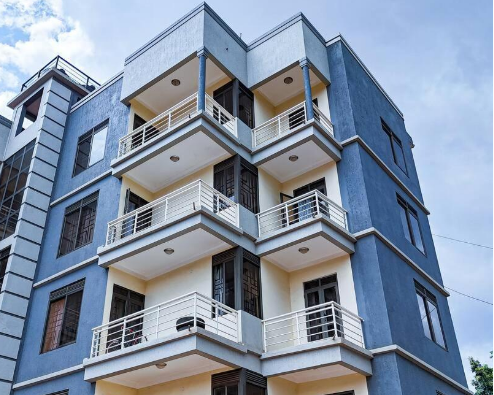
The $200,000 Apartment Investment: Navigating the Affordability Tier
With a budget of around $200,000, entering the apartment investment market in most major metropolitan areas today means focusing on the more accessible end of the spectrum. This typically translates to either affordable housing units or existing resale apartments. Acquiring a brand-new, two-bedroom apartment in a prime urban location at this price point is often challenging, if not impossible, due to escalating construction costs and premium pricing for newer developments. The square footage might also be considerably smaller, impacting long-term rental appeal and resale value.
Therefore, the most viable apartment investment strategy at this level often involves seeking out well-maintained, pre-owned apartments. These units, while potentially older, offer a critical advantage: they often come with a “pink book” or certificate of ownership, signifying clear legal title and a more straightforward transaction process. This is a non-negotiable element for any prudent real estate investor. While the aesthetic appeal might not be as cutting-edge as a new build, a strategically located older apartment can still yield respectable returns.
Historically, the average price appreciation for resale apartments has hovered in the 5-8% annual range. This steady, albeit moderate, growth is a key characteristic of this asset class. However, the apartment market liquidity can be a concern. Unlike land, which often appeals to a broader range of buyers looking for development potential or personal use, the apartment resale market can experience periods of stagnation. This necessitates a rigorous evaluation of the apartment’s location. Proximity to public transportation hubs, essential amenities like shopping centers and healthcare facilities, and the overall quality of the surrounding infrastructure are paramount. A strong location not only enhances rental demand but also ensures that when you decide to sell, you are not forced into a distressed sale at a significantly reduced price. For investors in areas like Northern Virginia or Southern California, considering apartments for sale Alexandria VA or condos for sale Orange County CA within this budget would involve looking at established neighborhoods with robust infrastructure.
Furthermore, understanding the condominium investment pros and cons is crucial. The primary advantage is often the ability to generate passive income through rentals, especially in areas with high rental demand from young professionals or students. The management and maintenance of common areas are typically handled by a homeowners’ association (HOA), which can reduce the landlord’s day-to-day responsibilities. However, HOA fees can eat into profit margins, and residents are subject to the association’s rules and regulations. For those considering investment properties in Denver CO, researching the HOA structures and fees associated with apartments is a vital step.
The $200,000 Land Investment: Unlocking Potential in Emerging Zones
Venturing into the land investment arena with a $200,000 budget opens up a different set of opportunities, particularly in the outskirts of major metropolitan centers or in burgeoning provincial areas. In regions surrounding hubs like New York City, Los Angeles, or even more decentralized areas like the Florida Panhandle, this capital can secure a residential plot of approximately 50-60 square meters. This is often the entry point for individuals looking to eventually build their dream home or for speculative investment.
The real estate investment strategy here shifts significantly. The allure of land for sale by owner or through developers in these emerging zones lies in its potential for higher capital appreciation. The average profit margin in the land segment can fluctuate dramatically, often ranging from 15-20% annually, but this is typically a longer-term play. Unlike apartments, where rental income can provide an immediate return, land investments often require patience. Investors usually need to hold onto the property for at least 2-3 years, allowing for infrastructure development, changes in zoning regulations, or the completion of neighboring projects to unlock its full market value.
The adage “profit is proportional to risk” holds particularly true for land investment. The potential for higher returns is intrinsically linked to increased exposure to various risks. One significant concern, especially with agricultural land investment, is the uncertainty of rezoning. A parcel currently designated for farming may face challenges in being converted to residential or commercial use, leaving the investment stalled. Investors must thoroughly investigate the land use planning and potential for future development. For those eyeing opportunities in states like Texas or Georgia, researching land for sale near Austin TX or undeveloped land for sale Atlanta GA would require a deep dive into local zoning laws and future development plans.
Beyond agricultural land, the real estate development land market is rife with potential pitfalls. Smaller, less established developers, often focused on a single province or region, might create artificial demand or “waves” to quickly sell out a project before moving to another area. This can compromise the level of trust and commitment compared to larger, more reputable development firms with a track record across multiple regions. Investors must perform thorough due diligence on the developer’s history, financial stability, and commitment to project completion.
The information flow in the land market can also be manipulated. Brokers and agents may “inflate” prices by exaggerating the impact of proposed infrastructure projects, the involvement of major developers, or anticipated zoning changes. This creates an environment where potential buyers can fall prey to the “fear of missing out” (FOMO), leading to rushed decisions without adequate legal or price verification. The competitive nature of these markets, fueled by speculative interest, can pressure investors into overlooking crucial due diligence steps.
Legality is another critical area. In many jurisdictions, land subdivision laws are complex and can be exploited. Investors might encounter situations where land is sold based on unapproved 1/500 scale drawings, or contracts might use ambiguous language like “agree to buy a portion of the project’s land parcel.” This can lead to buyers acquiring a share of a larger plot, rather than a clearly defined, individually titled parcel, making future separation and development impossible as promised. This is why securing land with a certificate of title is paramount. The certificate should accurately reflect the negotiated land type and boundaries. Always cross-reference your purchase with official land use plans and compare prices with neighboring, legally recognized parcels to avoid overpaying due to manipulative tactics.
The pricing of land often incorporates a “future picture” – a projection of its value once infrastructure is in place and development occurs. This means investors rarely buy at the current market price. The reality is that after acquisition, significant delays can arise due to legal hurdles and infrastructure development, extending the waiting period considerably. To mitigate these risks, always ensure the land has a valid title deed, the land type aligns with your intended use, and you’ve independently verified current market values in the vicinity. For instance, exploring rural land for sale in Colorado would necessitate understanding agricultural zoning and potential for future development.
Weighing the Risks and Rewards: A Strategic Approach
Both apartment and land investments come with their unique sets of risks and rewards, even when dealing with a $200,000 real estate investment.
When considering an apartment, even one with a certificate of ownership, unforeseen challenges can emerge. The scarcity of issued certificates for many new projects means potential buyers might face lengthy waits for their legal documentation, which can hinder future saleability. The process of selling an apartment also requires finding a buyer with aligned interests, genuine needs, and sufficient financial capacity, which can sometimes be a protracted affair. Moreover, the quality of building management, security, and safety protocols are vital considerations that can impact tenant satisfaction and property value.
Apartments, by their nature, are subject to wear and tear and can become outdated. The pace of price appreciation is generally slower compared to land. Furthermore, the leasehold property ownership, which often has a 50-year term, while long-term, can present a potential concern for investors focused on indefinite asset appreciation.
Investing in apartments under construction, often referred to as “future housing,” carries even greater risks. The investor’s return hinges on the developer’s financial capacity to complete the project. Project legality is paramount; many developments proceed without the required 1/500 planning, lacking the legal prerequisites to be offered for sale. Investors must also scrutinize whether the completed apartment matches the quality of the model home, assess the potential for building deterioration, and consider the project’s overall inventory. An oversupply of units within the same development can significantly impact liquidity and make resale challenging. Design flaws, incorrect unit dimensions, or even unfavorable floor placements can affect Feng Shui considerations and, consequently, resale value and appeal.
Expert Guidance: Capital Preservation and Profit Potential
From my vantage point after a decade in the industry, a capital sum of $200,000 demands a strategic approach prioritizing capital preservation before chasing aggressive profit margins. The first question an investor must ask is whether their immediate need is for personal accommodation or purely for investment growth.
If settling down is a priority, acquiring a completed apartment with a clear title (red book) can be a sound decision. This provides immediate utility and the potential for modest capital gains over a few years, after which you can reassess your investment strategy.
However, if the primary objective is to increase cash flow and you possess a higher tolerance for risk, alongside the willingness to continue renting, then investing in land becomes a more compelling option. The potential for higher returns over a 3-year horizon often surpasses that of apartments, albeit with a different risk profile.
Ultimately, the decision hinges on your personal risk tolerance threshold. Define how much risk you are comfortable with, what level of profit you expect, and then choose the asset class that aligns with your financial goals and personal comfort level: be it an apartment, residential land, or even agricultural land with a long-term development vision. For those seeking to explore real estate investment opportunities in the Southeast, understanding the nuances of buying land in North Carolina versus condos for sale in Charleston SC is crucial for making an informed choice.
Your Next Step in Real Estate Investment
Understanding the intricacies of the real estate market is an ongoing journey. Whether you are drawn to the steady appreciation of apartments or the potential for significant growth in land investments, thorough research and expert guidance are your most valuable assets. Don’t let the complexity of the market deter you; instead, use it as a catalyst to make informed decisions that align with your financial aspirations.
If you’re ready to explore your options further and discuss how to strategically deploy your capital for maximum impact, consider reaching out to a trusted real estate advisor today. They can provide personalized insights, navigate local market conditions, and help you identify the opportunities that best suit your investment objectives. Take the next step towards building your real estate portfolio with confidence.