Investing 2 Billion VND: Navigating the Apartment vs. Land Dilemma for Real Estate Investors
As a seasoned real estate professional with a decade of experience navigating market intricacies, I’ve consistently observed a pivotal question emerge for individuals looking to deploy approximately 2 billion VND into property: should the investment be directed towards an apartment or a parcel of land? This is not merely a hypothetical query; it’s a fundamental strategic decision that hinges on a multitude of factors, including risk tolerance, liquidity needs, and long-term capital appreciation goals. For many, 2 billion VND represents a significant sum, a considerable entry point into the real estate investment landscape, demanding careful consideration and informed choices.

The current market, even as we stand in early 2025, presents a complex tapestry of opportunities and challenges. While the allure of tangible assets like property remains strong, the nuances of each investment vehicle – be it a dwelling unit within a multi-unit building or a plot of land – necessitate a deep dive into their respective advantages and drawbacks. Understanding these distinctions is paramount to maximizing returns and mitigating potential pitfalls, especially for those new to property investment or those seeking to refine their existing strategies.
Decoding the Apartment Investment with a 2 Billion VND Budget
When considering the apartment segment with a capital outlay of around 2 billion VND, the landscape, particularly in major urban centers, often points towards the affordable or resale market. Securing a brand-new, two-bedroom apartment in a prime location with this budget can be an uphill battle. The price points for newly constructed units, driven by escalating construction costs and developer margins, coupled with often smaller square footage, can easily push these options beyond reach.
Therefore, the most viable path often lies in acquiring an existing apartment, perhaps one that has been on the market for some time, or an older unit that requires some cosmetic updates. These “resale” or “pre-owned” apartments can offer a more palatable entry price, allowing for the acquisition of a unit with a more comfortable living space, potentially including two bedrooms and two bathrooms. The key here, as an experienced investor would stress, is to prioritize properties with clear and indisputable legal documentation, ideally a “pink book” (or its equivalent title deed), which signifies ownership and removes significant legal ambiguities.
The average annual appreciation for well-situated, older apartments typically hovers between 5% and 8%. While this might seem modest compared to other investment vehicles, it represents a stable, if not spectacular, growth trajectory. However, the liquidity of the apartment market, especially for resale units, can be a critical consideration. The ability to divest your asset quickly and at a favorable price is not guaranteed. Investors must meticulously evaluate the chosen apartment’s location, proximity to essential amenities, transportation networks, and the overall vibrancy of the surrounding neighborhood. Furthermore, a thorough due diligence on the project’s legal standing and the reputation of the management company is indispensable. A stagnant market can force sellers into compromising on price, which directly impacts profitability. Understanding these real estate investment strategies and the apartment market trends is crucial.
Examining Land as a Real Estate Investment with 2 Billion VND
Venturing into the land market with a 2 billion VND budget unlocks a different set of possibilities, often extending beyond the immediate urban core. This capital can typically secure plots of land in the peripheral districts of major metropolitan areas like Hanoi and Ho Chi Minh City, or in adjacent provinces.
For those interested in residential land, the budget can often accommodate plots ranging from 50 to 60 square meters. These are generally smaller, more manageable parcels suitable for future development or as a strategic holding.
However, the real estate investment potential for this budget significantly broadens when considering agricultural land. This avenue can open doors to considerably larger tracts, ranging from several hundred to thousands of square meters. These parcels are often found in provinces further afield from the primary urban centers, such as Hoa Binh, Bac Giang, or Thai Nguyen. While these locations might offer lower initial acquisition costs and greater land area, it’s vital to understand the rural property investment nuances and the inherent limitations of agricultural zoning, which I’ll elaborate on later.
The average profit margins for land investments are generally more robust, often fluctuating between 15% and 20% annually. However, this higher return profile comes with a trade-off: significantly reduced liquidity. Unlike apartments, which can, in theory, be sold more readily, land transactions, especially those in developing areas, often require a longer holding period. Investors should anticipate a minimum holding period of 2 to 3 years to realize favorable returns. This is contingent on factors like the development of infrastructure, the completion of legal processes, and favorable market conditions.
A fundamental principle in real estate investing, which I have seen repeatedly proven true, is that profit is directly proportional to risk. The higher the potential profit, the greater the inherent risks involved. This axiom is particularly relevant when discussing land investments.
Navigating the Risks and Nuances of Land Investment
The allure of higher returns in land investment is often shadowed by a spectrum of risks that demand careful navigation. One primary concern with agricultural land is the inherent uncertainty surrounding its potential rezoning for residential or commercial use. Without a clear pathway to land-use conversion, an investment could remain perpetually tied to its agricultural designation, limiting its market appeal and appreciation potential. This is a critical aspect of land development potential that investors must scrutinize.
The land market, particularly in developing regions, is also susceptible to what I call “information asymmetry” and “speculative inflation.” Brokers, eager to facilitate transactions, may embellish information about upcoming infrastructure projects, major investor interest, or impending zoning changes. This can create artificial price surges and foster a sense of urgency – a “fear of missing out” (FOMO) – among potential buyers. This aggressive marketing can pressure investors into making decisions without conducting thorough due diligence on the legal standing and true market value of the land.
Furthermore, the legality of land subdivision, especially in provinces and cities with less stringent regulatory oversight, can be a minefield. Investors may encounter situations where land is sold based on unapproved 1:500 scale drawings, or where contracts contain ambiguous clauses like “agree to buy a portion of the project’s land plot.” This can trap unsuspecting buyers into purchasing fractional ownership of land without the ability to secure individual title deeds, a far cry from the promised separate land use rights. This is where real estate due diligence becomes paramount, specifically concerning land title verification.
The pricing of land is frequently defined by a future vision, rather than its current market reality. Investors often pay a premium for the anticipated development and infrastructure that will be built, rather than for the land’s present state. This “future price” expectation can lead to significant overpayment, especially if the promised developments are delayed or never materialize. The subsequent legal processes and infrastructure build-out can extend for years, leaving investors in a protracted state of anticipation.
To mitigate these risks when investing in land, I always advise adhering to a few cardinal rules: always ensure the land possesses a valid title deed. Critically, verify that the land-use designation on the title matches the type of land you intended to purchase (e.g., residential, agricultural). Conduct thorough research into the local land-use planning regulations and compare the asking price with comparable land sales in the surrounding area to avoid falling victim to inflated prices. Understanding legal property acquisition is non-negotiable.
The Apartment Investment: Perils and Promises
While land investment carries its own set of challenges, the apartment sector is not without its potential pitfalls. Even when investing in apartments that have already been granted title deeds, unexpected hurdles can arise. A significant issue in many markets is the scarcity of completed projects with issued certificates. This can lead to protracted waiting periods for buyers to even secure the legal right to their unit, delaying their ability to sell.
The resale of an apartment, even one with a clear title, can be a lengthy process. You are reliant on finding a buyer with similar financial capacity, genuine need, and an aligned interest in that specific unit. Beyond legalities, it’s crucial to assess the quality of the building’s management. Are they responsive? Is security adequate? Are common areas well-maintained? These factors significantly influence the desirability and thus the resale value of an apartment.
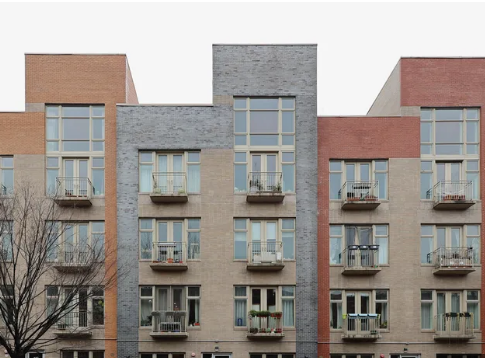
Furthermore, apartments are subject to natural depreciation and obsolescence. Buildings age, and their design and amenities can quickly become outdated. The ownership period for apartments is often limited to 50 years, a factor that, while long-term, can be a point of consideration for future value. Understanding property depreciation is key.
Investing in apartments still under construction, often termed “off-plan” or “future housing,” amplifies the risks. The investment’s success is intrinsically linked to the developer’s financial stability and their ability to complete the project. Legal compliance is paramount here; many projects lack the necessary 1:500 planning approval or the legal prerequisites to commence sales. This can lead to significant delays or even project abandonment. Off-plan property investment risks must be thoroughly understood.
Beyond the overarching legal and financial concerns, the specifics of the apartment unit itself matter. Was the quality of construction consistent with the show unit? Is the building already showing signs of wear? Is there an oversupply of similar units within the same project? A high inventory can depress prices and make selling difficult. Even design flaws, incorrect square footage, or unfavorable floor numbers can impact resale value and appeal, not to mention potential Feng Shui considerations that might deter certain buyers.
Strategic Investment Decisions for 2 Billion VND
As an expert with extensive experience in real estate advisory, my primary recommendation for individuals considering a 2 billion VND property investment is to prioritize capital preservation above all else. Profitability, while the ultimate goal, should not come at the expense of safeguarding your principal investment.
The decision between an apartment and land should also be weighed against your personal circumstances. Do you require a place to live in the short to medium term, or is this purely a capital growth endeavor?
If settling down is a priority, acquiring a completed apartment with a clear title deed offers a tangible asset for personal use. After a period of residence, perhaps a few years, you can then re-evaluate its investment potential for resale. This approach blends immediate utility with a potential for capital appreciation.
However, if your objective is solely to maximize cash flow and you possess a higher risk tolerance and the willingness to continue renting, then land investment might present a more attractive proposition for longer-term wealth generation. The potential for higher returns over a 3-5 year horizon, while acknowledging the illiquidity, can outweigh the more modest, albeit steadier, gains from apartments. This requires a mindset geared towards long-term real estate investment.
Ultimately, the most crucial step is to define your personal risk tolerance. How much uncertainty can you comfortably absorb? What level of profit are you aiming for? Your answers to these questions will guide you towards the investment path that aligns best with your financial goals and personal comfort level – whether that’s the stability of a residential apartment, the potential of residential land, or the broader scope of agricultural land. Understanding investment property selection criteria is paramount.
In today’s dynamic real estate market, informed decisions are the bedrock of successful investing. Whether you are exploring options in the bustling property market of New York City, the growing suburban areas around Chicago, or emerging investment hubs in Florida, the principles remain the same. Research, due diligence, and a clear understanding of your investment objectives are your most valuable tools.
For those ready to explore these options further, the next step is to engage with trusted real estate professionals. A qualified agent or financial advisor can provide tailored insights based on your specific financial situation and local market conditions, helping you to navigate the complexities and make a confident investment choice.