
House or Apartment: Navigating the American Dream in 2025
As the American real estate landscape continues to evolve, the age-old question for aspiring homeowners remains: should you invest in a detached house or a modern apartment? For many, this decision marks a significant milestone, representing not just a financial commitment but a choice that will shape their daily lives. In 2025, with shifting economic currents and evolving lifestyle preferences, understanding the nuances of each property type is more crucial than ever. This guide dives deep into the advantages and challenges of both houses and apartments, equipping you with the insights needed to make an informed and strategic purchase.
The Allure of Apartment Living: Convenience and Community
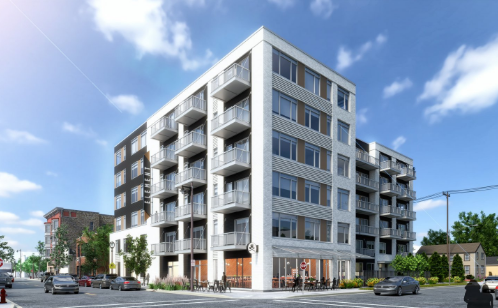
Apartments, often found nestled within vibrant urban centers, present a compelling case for a multitude of buyers. For those just starting their homeownership journey or perhaps navigating a more constrained financial landscape, apartments frequently offer a more accessible entry point into the property market. The initial purchase price, and consequently the required down payment and mortgage, can be significantly lower than that of a single-family home. This affordability factor is a major draw, opening doors to homeownership that might otherwise remain closed.
Beyond the financial benefits, apartments excel in their inherent convenience. Imagine shedding the burden of leaky roofs, overgrown lawns, and unexpected structural repairs. In apartment living, these responsibilities typically fall under the purview of building management or a homeowner’s association (HOA). This delegation of maintenance means less personal time and fewer out-of-pocket expenses for routine upkeep. Instead of spending your weekends wrestling with a lawnmower or scheduling a plumber, you can dedicate that time to pursuits you truly enjoy.
Many apartment complexes also boast an array of amenities designed to enhance the resident experience. Think on-site fitness centers, sparkling swimming pools, dedicated co-working spaces, and robust security systems. These communal features can significantly elevate your quality of life, offering recreational opportunities and peace of mind without requiring you to leave your building. Furthermore, the central locations often associated with apartments translate to unparalleled convenience. Proximity to major employment hubs, bustling entertainment districts, diverse dining options, and efficient public transportation networks can dramatically simplify your daily commute and social life.
However, apartment living is not without its drawbacks. Space is often at a premium. The square footage available in an apartment can feel restrictive, especially for growing families, individuals who work from home, or those with extensive hobbies requiring dedicated space. The trade-off for lower purchase prices and maintenance burdens is a reduction in personal living area.
While direct maintenance costs are minimized, apartment dwellers typically incur strata fees, often referred to as HOA fees or body corporate fees. These recurring payments cover the shared expenses of building upkeep, common area maintenance, and amenities. While seemingly manageable, these fees can accumulate over time and are subject to increases, impacting your ongoing housing budget.
Another consideration is the inherent limitations on personalization. As part of a larger, shared building, you’ll likely encounter restrictions regarding renovations. Changes to your living space, even something as seemingly minor as painting your front door a different color, may require approval from the building management or HOA. This can curb your ability to truly make a space your own.
Finally, while apartments do appreciate in value, their growth trajectory might not always match that of single-family homes, particularly in markets where land is a primary driver of value. While desirable locations can certainly see strong appreciation for apartments, it’s a factor to weigh when considering long-term investment potential.
The Freedom of House Ownership: Space, Control, and Long-Term Value
Opting for a house grants a distinct sense of freedom and ownership that resonates deeply with many Americans. The most immediate advantage is often the abundance of space, both indoors and outdoors. For pet owners seeking a yard for their furry companions, individuals needing a dedicated home office, or families anticipating future growth, a house offers the necessary elbow room. The inclusion of private outdoor space, whether a sprawling backyard or a cozy patio, provides a sanctuary for relaxation, recreation, and gardening.
Crucially, when you buy a house, you own the land it sits on. This ownership of the underlying real estate is a significant factor in long-term property value appreciation. As urban areas expand and develop, the value of land tends to increase, potentially providing a substantial return on investment over time.
The autonomy associated with house ownership is unparalleled. You have complete control over renovations, landscaping, and the overall aesthetic of your property. Want to add an extension, install a new kitchen, or design a dream garden? The decision is yours, though it’s always prudent to be aware of local zoning laws, heritage guidelines, or homeowner covenants that might impose certain restrictions. This level of control allows you to tailor your living space precisely to your needs and preferences, fostering a deep sense of personal connection to your home.
While maintenance is entirely your responsibility, it also means you are not beholden to external management for repairs or upkeep. You can choose your own contractors, schedule work at your convenience, and directly manage the costs. This independence from HOA fees, while requiring a greater commitment to personal upkeep, offers a different kind of financial control.
Historically, houses have demonstrated a strong propensity for value appreciation, especially in areas where land is a scarce commodity. This appreciation can be a powerful tool for wealth building, allowing you to accrue equity that can be leveraged for future investments, such as upgrading to a larger home or diversifying your portfolio.
However, the dream of house ownership comes with a more substantial financial commitment. Upfront costs are typically higher, requiring a larger down payment and often a more significant mortgage. Consequently, monthly mortgage payments for a house tend to be higher than for an apartment.
The responsibility for all repairs, renovations, and ongoing maintenance can also prove costly and time-consuming. Unexpected issues like a major plumbing failure, a new roof installation, or a significant landscaping project can represent substantial financial outlays. Factor in regular expenses like property taxes and utilities, and the ongoing cost of homeownership can be considerable.
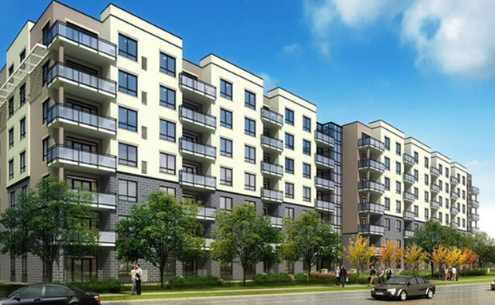
Houses are also often located in suburban or more outlying areas, which may necessitate longer commutes to work, entertainment, and essential services. While offering a quieter lifestyle, this can come at the expense of convenience and accessibility compared to urban apartment living.
The higher expense of purchasing a house can also present a barrier for certain demographics, such as individuals on a single income, those with dependents, or individuals with lower borrowing power. This can make it more challenging to secure the financing needed to enter the housing market.
Finally, houses are generally more exposed to the risks of unforeseen events such as natural disasters. This increased risk often translates to higher ongoing homeowner’s insurance premiums, adding another layer to the cost of owning a house.
Factors Shaping Your Decision in 2025: A Holistic Approach
Choosing between a house and an apartment in 2025 is a decision that transcends mere cost. It’s a deeply personal reflection of your current financial standing, your lifestyle aspirations, and your long-term goals. As you navigate this critical choice, consider these key factors:
Your Budget: The Foundation of Your Choice
Deposit and Borrowing Power: Accurately assess your available deposit savings and understand your borrowing capacity. Lenders will scrutinize your income, credit history, and existing debts.
Ongoing Income Potential: Project your future income to ensure you can comfortably manage monthly mortgage repayments and other living expenses.
Monthly Mortgage Payments: Obtain pre-approval for a mortgage to get a clear picture of your potential monthly housing costs for both houses and apartments.
Additional Costs: Don’t overlook the less obvious expenses. For apartments, factor in strata/HOA fees. For houses, budget for property taxes, insurance premiums, utilities, and an ongoing maintenance fund.
Your Lifestyle: Aligning Your Home with Your Life
Urban Buzz vs. Suburban Serenity: Do you thrive on the vibrant energy of city living, with restaurants, cultural attractions, and public transit at your doorstep? Or do you crave the tranquility and space of suburban life?
Space Requirements: Consider your current and future needs. Do you require extra room for children, pets, a home office, or extensive hobbies?
Commute and Accessibility: Evaluate your daily commute to work and the accessibility of essential services, schools, and recreational facilities.
Investment Potential: A Home as an Asset
Long-Term Vision: Is this property intended as your forever home, or is it a strategic stepping stone towards future real estate endeavors?
Appreciation Outlook: Research the historical appreciation trends in your target areas. While houses generally offer strong appreciation, well-located apartments in high-demand urban centers can also be excellent investments. Consider factors like job growth, infrastructure development, and market demand.
Maintenance and Commitment: The Reality of Homeownership
Your Tolerance for Upkeep: If you’re leaning towards a house, are you prepared for the time, effort, and financial commitment required for ongoing maintenance and potential repairs?
Preference for Convenience: Conversely, does the idea of having most maintenance handled by a management company appeal to you, making an apartment a more convenient choice?
Government Incentives for First-Time Homebuyers:
In 2025, various government programs and incentives may still be available to assist first-time homebuyers. These can include grants, tax credits, and stamp duty concessions, which can significantly reduce the financial burden of purchasing a property. It is highly advisable to research federal, state, and local programs to understand what benefits you might be eligible for, regardless of whether you choose a house or an apartment. This can make a substantial difference in the overall affordability and accessibility of homeownership.
Ultimately, the decision between a house and an apartment is a deeply personal one. By carefully weighing your financial capacity, lifestyle preferences, and long-term goals, you can make a choice that not only provides shelter but also serves as a foundation for your future happiness and financial well-being in the dynamic American housing market.