
The Great Property Debate: House vs. Apartment in the 2025 Real Estate Landscape
Deciding whether to put down roots in a house or an apartment is one of the biggest financial and lifestyle decisions you’ll make. As the U.S. real estate market continues to evolve in 2025, understanding the nuances of each property type is more crucial than ever for making a savvy investment. This isn’t just about squaring away your finances; it’s about aligning your home with your daily life and future aspirations. Let’s break down the pros and cons, and the critical factors to weigh when you’re ready to make your move.
The Allure of Apartment Living: Convenience and Community
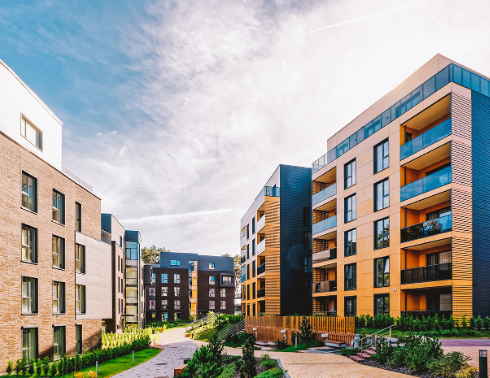
Apartments have long been a popular choice, especially for those prioritizing urban accessibility and a more hands-off approach to property ownership. In 2025, with a growing emphasis on walkable cities and a desire for simplified living, apartments continue to hold significant appeal.
The Upside of Apartment Ownership:
One of the most compelling advantages of buying an apartment, particularly in today’s market, is affordability. Generally, apartments come with a lower entry price point compared to single-family homes. This makes them an attractive option for first-time homebuyers, young professionals, or anyone seeking to enter the property market without taking on an overwhelming mortgage. The financial barrier to entry is often significantly lower, allowing more people to achieve homeownership sooner. Think about the potential savings on your initial down payment and your monthly mortgage obligations – these can free up capital for other investments or savings goals.
Then there’s the undeniable convenience factor. When you own an apartment, you’re typically part of a homeowners association (HOA) or a condo association, which handles the bulk of exterior maintenance and common area upkeep. This means no more weekend warrior sessions mowing the lawn, no more emergency calls for leaky roofs, and no more dealing with the stress of major structural repairs to the building itself. The association’s budget, funded by your monthly dues, covers these essential services, offering peace of mind and freeing up your valuable time.
Many apartment complexes also boast a suite of amenities that can significantly enhance your lifestyle. Imagine having access to a fitness center, a swimming pool, communal green spaces, or even concierge and security services, all without having to leave your building. These perks can save you money on separate gym memberships and offer a sense of convenience and security that’s hard to match.
Furthermore, apartments are frequently located in the heart of urban centers. This prime positioning provides unparalleled access to employment opportunities, vibrant entertainment districts, diverse dining scenes, and extensive public transportation networks. For those who thrive on city living and value being connected to the pulse of the action, an apartment’s location can be a major lifestyle draw, often reducing commute times and increasing spontaneous social opportunities.
The Downsides of Apartment Living:
Despite the advantages, apartment living isn’t without its drawbacks. Space is often a primary concern. Apartments, by their nature, tend to offer less square footage than houses. This can feel constricting, especially for individuals or couples who work from home, have children, or simply enjoy having ample room for hobbies and entertaining. The outdoor space is often limited to a balcony or a shared courtyard, which may not be sufficient for those who dream of a private garden or a safe play area for pets.
While you avoid direct maintenance costs for the building, you will be responsible for paying regular HOA or condo fees. These fees, often referred to as strata fees or body corporate fees, cover the shared expenses of the building and its amenities. Over time, these fees can add up significantly and are subject to increases, impacting your overall cost of homeownership. It’s crucial to factor these ongoing costs into your budget when considering an apartment.
Living in a shared building also means adhering to a set of rules and regulations set by the HOA or condo board. These restrictions can impact your freedom to personalize your living space. You might face limitations on renovations, exterior modifications, or even choices as simple as the color you paint your front door. For those who highly value autonomy and the ability to customize their home to their exact specifications, these restrictions can be a major point of contention.
Regarding investment potential, apartments can appreciate in value, but their growth may not always keep pace with that of single-family homes, especially in markets where land value is a significant driver of appreciation. While apartments in highly desirable urban locations can see substantial gains, the long-term appreciation potential of a house, which includes the value of the land it sits on, is often perceived as greater.
The Freedom of House Ownership: Space and Autonomy
Owning a house offers a different set of benefits, centered around space, independence, and the potential for significant long-term wealth building. In the current real estate climate, the appeal of a private sanctuary with more control remains strong.
The Advantages of House Ownership:
The most apparent advantage of owning a house is the abundance of space. You’ll typically have more square footage indoors, and crucially, you’ll often gain private outdoor space like a yard. This is invaluable for families with children and pets, for those who enjoy gardening, or for anyone who simply desires more room to spread out, create a home office, or pursue outdoor hobbies. The flexibility offered by a house in terms of both interior and exterior space is a significant draw.
When you buy a house, you’re not just buying the structure; you’re buying the land it sits on. This ownership of land is a key factor in long-term property value appreciation. As land becomes more scarce, particularly in desirable areas, its value tends to increase, contributing significantly to your home’s overall worth over time.
With a house, you have complete control over your property. This means you can renovate to your heart’s content, landscape your yard as you see fit, and make any aesthetic or functional changes you desire. While it’s important to be aware of any local zoning laws, historic district regulations, or homeowner covenants that might apply, the level of autonomy you have over your property is unparalleled. This freedom allows you to truly make a house your own and adapt it to your evolving needs.
While the responsibility for all maintenance and repairs falls squarely on your shoulders, you bypass the ongoing fees associated with apartment living. This means no monthly HOA dues. However, this freedom comes with the understanding that you’ll be the one budgeting for and managing all upkeep, from minor repairs to major renovations.
Historically, houses have tended to appreciate in value more rapidly than apartments, especially in areas where land is limited. This appreciation can be a powerful tool for building equity, which can then be leveraged for future property purchases or other financial goals. Owning a house can be a cornerstone of a long-term wealth-building strategy.
The Disadvantages of House Ownership:
The flip side of house ownership is the higher cost, both upfront and ongoing. Houses typically require a larger down payment, often necessitate a larger mortgage, and consequently, come with higher monthly mortgage payments compared to apartments. This can make them less accessible for buyers with limited capital or those on tighter budgets.
The responsibility for all maintenance, repairs, and upkeep can be both time-consuming and costly. From routine lawn care and seasonal maintenance to unexpected plumbing issues or roof repairs, these expenses can quickly add up. You’ll need to be prepared to budget for both planned and unforeseen costs associated with owning a house. Additionally, you’ll be responsible for property taxes and homeowner’s insurance, which are typically higher for houses than for apartments.
Houses are often located in suburban or more outlying areas, which can translate to longer commutes to work, entertainment, and essential services. This may mean less convenient access to public transportation and fewer amenities within walking distance, impacting your daily routine and lifestyle choices.
The higher expense associated with purchasing a house can make it a more challenging proposition for individuals or families with a single income, dependents, or limited borrowing power. Navigating the mortgage application process and securing financing for a house often requires a stronger financial profile.
Finally, houses can be more vulnerable to damage from unforeseen events such as natural disasters like floods, fires, or storms. This increased risk often translates to higher homeowner’s insurance premiums, adding another ongoing expense to your budget.
Key Factors for Your Decision in 2025
When you’re ready to take the plunge into homeownership, the choice between a house and an apartment transcends mere cost. It’s about aligning your purchase with your lifestyle, financial capacity, and long-term objectives. Here’s a breakdown of the crucial considerations to help you navigate this significant decision:
Your Budget: Beyond the Sticker Price
Before you even start browsing listings, get a clear understanding of your financial standing. This involves assessing your available funds for a down payment, your borrowing capacity from lenders, and your projected monthly income. Crucially, delve into what your potential mortgage repayments would look like for both types of properties. Don’t stop there; factor in all additional costs. For apartments, this means understanding HOA fees, potential special assessments, and the cost of renters insurance for your personal belongings. For houses, this includes property taxes, homeowner’s insurance premiums, and an estimated annual budget for maintenance and repairs. Understanding the full financial picture – both the initial outlay and the ongoing expenses – is paramount to making a sustainable choice.
Your Lifestyle: Where and How You Want to Live
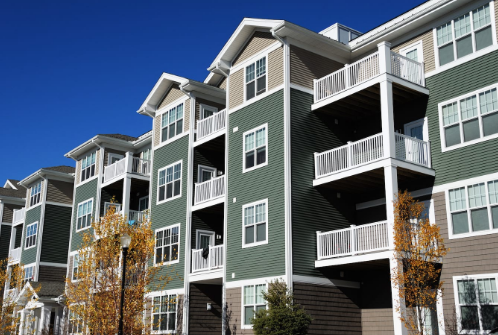
Your daily life and personal preferences should heavily influence your decision. Do you envision yourself thriving in the vibrant energy of a city, with restaurants, shops, and public transit just a short walk away? Or do you yearn for the peace and quiet of suburban living, with more personal space and a strong sense of community? Consider your current needs and your projected future. If you plan to start a family, acquire pets, or develop new hobbies that require dedicated space, a house might be a more practical long-term solution. Conversely, if you value convenience, minimal upkeep, and easy access to urban amenities, an apartment could be the perfect fit. Think about your commute, your social life, and how your living situation will support your overall well-being.
Investment Potential: Building Future Wealth
The decision to buy a property is often a significant investment. Consider your long-term goals. Is this intended to be your forever home, or is it a stepping stone to a larger, more valuable property down the line? Research the appreciation trends in your target neighborhoods for both houses and apartments. While houses with land often have strong appreciation potential, strategically located apartments in high-demand urban areas can also yield excellent returns. Understand the factors that drive property values in your local market – be it proximity to job centers, desirable school districts, or evolving infrastructure. Your choice of property can have a substantial impact on your ability to build equity and achieve your financial aspirations.
Maintenance and Commitment: Are You Ready for the Responsibility?
This is a critical point of differentiation. If you’re leaning towards a house, are you mentally and financially prepared for the ongoing commitment of its upkeep? This means budgeting for repairs, staying on top of landscaping, and potentially investing in renovations. If the idea of being solely responsible for all property maintenance feels overwhelming, an apartment’s managed upkeep model might be a more appealing option. The convenience of having most maintenance tasks handled by an HOA can be a significant lifestyle advantage for many. Weigh your tolerance for hands-on work and your capacity for unexpected repair costs against the appeal of a more hands-off ownership experience.
Ultimately, the “right” choice between a house and an apartment in 2025 is deeply personal. By carefully evaluating your financial situation, lifestyle preferences, and long-term goals, you can make an informed decision that sets you up for success and satisfaction in your new home.