


Strategic Insights into US Real Estate: Decoding Square Footage and Property Value in 2025
Navigating the dynamic landscape of the United States real estate market in 2025 demands more than just a passing understanding of property listings. With fluctuating interest rates, evolving buyer preferences, and a persistent focus on sustainable living, the seemingly simple concept of “square footage” has become a critical, multi-faceted determinant of true property value and future equity. As a real estate expert with over a decade in the field, I’ve witnessed firsthand how misconceptions about property measurements can lead to significant financial missteps, missed opportunities, and profound dissatisfaction. This comprehensive guide aims to demystify the various ways space is measured, empower you with the knowledge to make informed decisions, and help you maximize property value in today’s competitive market.

The Evolving Landscape of Homeownership in 2025
The year 2025 brings with it a fascinating blend of challenges and innovations in US housing. Remote work continues to reshape demand for dedicated office spaces and larger living areas. Energy efficiency and smart home technologies are no longer luxuries but expected standards, influencing property valuation significantly. Furthermore, inventory shortages in many desirable regions push buyers to scrutinize every detail, making an accurate assessment of usable space more crucial than ever. For both first-time homebuyers and seasoned real estate investors, comprehending how square footage translates into actual living experience and financial commitment is paramount.
Deconstructing “Square Footage”: More Than Just a Number
In the US, unlike some other countries with standardized “built-up” or “carpet” area definitions, property measurements can vary significantly depending on who is doing the measuring and for what purpose. This ambiguity underscores why expert guidance is invaluable.
Gross Living Area (GLA): Your Usable Sanctuary
Often considered the most critical measurement for residential properties, Gross Living Area (GLA) represents the total finished, habitable, above-grade square footage of a home. This is the space that is heated and cooled and primarily used for living purposes.
What it typically includes: Bedrooms, bathrooms, kitchens, living rooms, dining rooms, family rooms, hallways, and finished basements if they are above grade. The key here is “above grade” (meaning not below ground level) and “finished” (meaning completed with walls, flooring, and ceilings consistent with the rest of the home).
What it typically excludes: Garages, unfinished basements, attics, storage rooms, enclosed porches/patios that are not heated/cooled, and open decks or patios. Even if an attached garage is finished and heated, it’s generally not counted in GLA for appraisal purposes.
Why it matters: GLA is the primary metric appraisers use for residential property valuation. It directly impacts the mortgage rates 2025 calculation and the loan amount a lender will approve. For buyers, this is the most accurate representation of your actual usable space—where you’ll eat, sleep, and entertain. When comparing properties, always strive to compare based on GLA. This ensures you’re evaluating true living functionality.
Total Under Roof: Beyond the Living Room
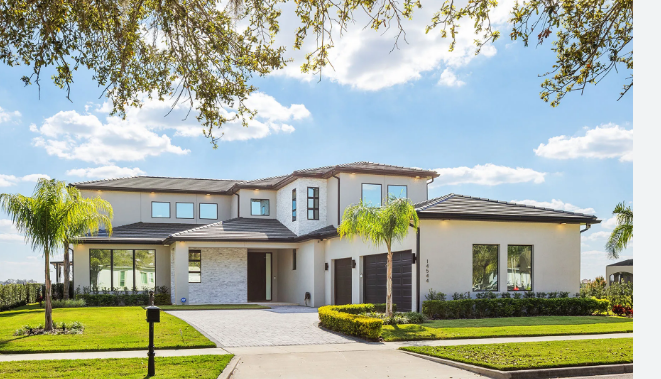
This broader term refers to all enclosed square footage under the home’s roof, encompassing both the GLA and other enclosed, often attached, spaces.
What it includes: GLA, plus attached garages, finished basements (even if below grade), enclosed porches/patios (regardless of heating/cooling), and often storage areas that are part of the main structure.
Why it matters: While not the primary driver of property valuation for lending, “Total Under Roof” can significantly influence perceived value and utility. A large garage, for instance, adds substantial value for storage, workshops, or vehicle protection, even if it doesn’t count towards GLA. A well-finished, below-grade basement provides valuable flexible space, albeit typically valued at a lower per-square-foot rate than above-grade living areas. Understanding this distinction helps buyers appreciate the overall footprint and functionality of a home beyond just the primary living zones.
The Common Equation: Understanding Shared Spaces in Condos & HOAs
For multi-family dwellings like condominiums, townhomes, and sometimes even single-family homes within a master-planned community, the concept of shared or common areas becomes critical. This is where a direct US equivalent to the “Super Built-Up Area” (from other international markets) emerges, albeit without a single, unified measurement term.
What it includes: Lobbies, hallways, stairwells, elevators, fitness centers, swimming pools, clubhouses, common gardens, shared parking structures, and even the structural elements of the building and land not exclusively owned by a single unit.
Why it matters: In a condo or co-op, you own your unit (the GLA and sometimes a portion of the “total under roof” within your walls) and an undivided proportional interest in the common elements. This proportional interest determines your share of maintenance costs, known as HOA fees or assessments. These fees can be substantial and directly impact your monthly housing budget and, by extension, your real estate investment returns. Understanding what common areas you’re paying for – and more importantly, what amenities you gain access to – is crucial. A luxury building might command higher HOA fees, but offer unparalleled amenities like concierge services, a rooftop lounge, or a state-of-the-art gym, which contribute significantly to the lifestyle and overall luxury real estate investment appeal. For condo investment strategies, evaluating the value proposition of these common amenities against the fees is essential.
Transparency & Standardization: Navigating Disclosures in the US Market
Unlike regions with specific regulatory bodies like RERA mandating a single “built-up area,” the US relies on a combination of professional standards, local practices, and contractual disclosures for transparency in property measurements.
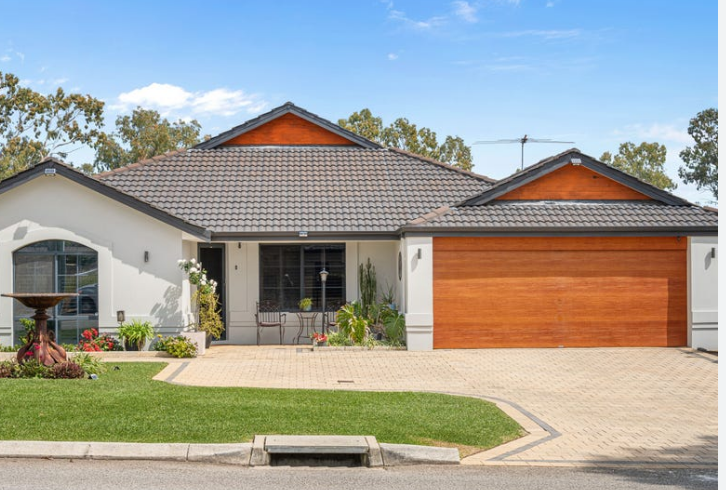
MLS Listings: Real estate agents typically list square footage based on county tax records, builder specifications, or prior appraisals. While useful, these can sometimes be approximations or based on different measurement methods.
Appraisal Standards: Appraisers adhere to strict guidelines, often utilizing ANSI Z765 standards for measuring single-family homes, or specific condominium guidelines for units. Their measurements are typically the most reliable for lending purposes and are used to determine if a property justifies its asking price, directly affecting property appraisal services.
Builder Specifications: For new construction, builders provide square footage numbers that might include everything “under roof” or even exterior dimensions, which can inflate the perceived size compared to the actual GLA. Always ask for floor plans and clarifications.
Property Tax Records: County assessors determine square footage for tax purposes, which may or may not align with an appraiser’s GLA, potentially influencing your annual property taxes.
The takeaway here is that no single, federally mandated US standard dictates how all property measurements are presented or what they must include. This necessitates diligent verification by buyers and accurate representation by sellers.
Why These Distinctions Drive Value in a 2025 Market
Understanding these different measurements isn’t an academic exercise; it’s a direct pathway to intelligent home buying and real estate investment.
Appraisal & Lending: Your lender will primarily rely on the GLA determined by the appraiser. If the advertised square footage doesn’t align with the appraised GLA, it can lead to a gap between the agreed-upon price and the loan amount, requiring a larger down payment or renegotiation. This is especially pertinent as housing trends 2025 suggest continued demand, meaning accurately valued properties move faster.
Property Taxes: As mentioned, tax assessments are often based on a property’s recorded square footage. Discrepancies can mean you’re paying more or less than your fair share, impacting your long-term real estate equity.
Resale Value: When you sell, future buyers and their lenders will also scrutinize the GLA. A property with a high “total under roof” but a modest GLA might fetch a lower per-square-foot price than one optimized for living space. This is critical for maximizing home equity.
Investment Property Analysis: For investors, accurate GLA is paramount for calculating potential rental income. Rent is typically based on livable square footage, not garages or common areas. Precise measurement is essential for determining investment property returns and identifying lucrative opportunities in real estate market forecast models.
The Remote Work Premium: In 2025, dedicated home office space adds tangible value. Buyers are willing to pay a premium for efficient, usable square footage that supports a work-from-home lifestyle. This means a smaller total square feet that is highly optimized for living and working could be more valuable than a larger but poorly laid out space.
Expert Strategies for Buyers & Sellers in a Competitive 2025 Market
For Buyers: Verify, Verify, Verify.
Don’t Rely Solely on Listings: Marketing materials often present the most favorable numbers. Always cross-reference with county tax records, previous appraisals, and, most importantly, professional appraisals during the transaction.
Understand Floor Plans: Request detailed floor plans and visualize how the space functions. Are there “dead” spaces? How much usable space is truly available for furniture and daily activities?
Ask Specific Questions: When touring, inquire about heated/cooled square footage versus unheated enclosed spaces. Clarify what’s included in any “bonus room” measurement.
Review HOA Documents Thoroughly: For condos and townhomes, dive deep into the HOA’s financial health, common area maintenance schedule, and any upcoming special assessments. High HOA fees can significantly impact affordability.
Get an Independent Home Inspection: A professional inspector can often identify discrepancies in finished space or permit issues that might affect how an area is officially recognized.
Consult a Real Estate Agent and Appraiser: Leverage your agent’s local market expertise and the appraiser’s objective assessment to ensure you’re paying a fair price for the actual space. This is your best defense against overpaying in the current real estate market 2025.
For Sellers: Accurate Representation & Strategic Highlighting.
Know Your Numbers: Have an accurate understanding of your home’s GLA, “total under roof,” and any relevant common area contributions. Disclose these clearly.
Highlight Usable Space: While you want to showcase all your property offers, focus marketing efforts on the GLA. Emphasize renovated areas, efficient layouts, and smart home valuation features that enhance livability.
Professionally Stage: Staging can dramatically impact how buyers perceive space. It helps them visualize furniture placement and understand the flow, making even smaller spaces feel more expansive.
Understand Your HOA: If applicable, be prepared to discuss HOA fees, what they cover, and the value of your community’s amenities. Highlight any recent upgrades to common areas.
Be Prepared for Appraisal: Ensure your home is in top shape for the appraisal. Any unpermitted additions or questionable finishes could negatively impact the appraiser’s GLA calculation.
Future-Proofing Your Home Investment: Space, Technology, and Sustainability
In 2025 and beyond, the value of your property will increasingly be tied not just to its size, but to how efficiently that space is utilized, how technologically integrated it is, and its environmental footprint. A smaller, well-designed home with sustainable real estate features and smart home technology might command a higher per-square-foot price than a larger, outdated one. Understanding property measurements is the foundational step to assessing these factors and ensuring your real estate investment remains robust.
Conclusion
The US real estate market of 2025 is a complex ecosystem where understanding the nuances of square footage is no longer optional but essential. From Gross Living Area to the contributions of common spaces in an HOA, each measurement tells a part of your property’s story and impacts its financial trajectory. Armed with this expert knowledge, you can approach your next real estate transaction with confidence, clarity, and strategic insight. Don’t let confusing terminology diminish your investment potential or cloud your judgment.
Ready to make your move with absolute confidence? Partner with an experienced real estate professional who can provide tailored advice and navigate the intricacies of property valuation for your specific needs. Contact us today for a personalized consultation and unlock the true value of your real estate aspirations.