


The Ultimate Guide to Understanding Property Square Footage in the US Real Estate Market (2025 Edition)
Navigating the American real estate landscape in 2025 requires more than just a keen eye for aesthetics or a solid pre-approval letter. As an expert with over a decade immersed in property transactions, appraisals, and development, I’ve seen firsthand how crucial it is for buyers and sellers alike to grasp the nuances of property measurement. Terms like “square footage” might seem straightforward, but in reality, they encompass a complex array of definitions that significantly impact value, taxes, and your ultimate satisfaction.

The market in 2025 is dynamic, characterized by continued demand, evolving remote work trends influencing space needs, and an increasing reliance on granular data for valuation. Misunderstanding how property space is measured can lead to financial pitfalls, appraisal issues, and even legal disputes. This guide will demystify the core concepts of property measurement in the US, arming you with the expert insights needed to make informed decisions in today’s sophisticated market.
Demystifying the Numbers: Key Property Measurement Concepts
Unlike some global markets with rigid, single-definition terms, the United States employs several distinct measurement standards, each serving a different purpose. Let’s break them down.
Gross Living Area (GLA): The Cornerstone of Value
When appraisers, lenders, and real estate professionals talk about “square footage” for single-family homes, they are most often referring to the Gross Living Area (GLA). This is arguably the most critical measurement for valuation and sales comparison.
What GLA Represents:
GLA is typically defined as the total finished, heated square footage of a residence, measured from the exterior of the walls, that is above grade. This means:
Finished Space: Areas that are livable, with finished walls, ceilings, and flooring.
Heated Space: Areas with a permanent heat source.
Above Grade: Living space that is entirely above ground level. This is a crucial distinction. Basements, even if finished and heated, are generally not included in GLA by appraisal standards (though they contribute to total square footage and value).
Measured from Exterior: Unlike some “carpet area” definitions that measure interior walls, GLA is typically measured from the outside perimeter of the home.
Why GLA Matters:
Appraisal and Lending: Lenders rely heavily on GLA for property valuations. A lower or incorrectly stated GLA can significantly impact a home’s appraised value, potentially jeopardizing mortgage approval.
Market Comparison (Comps): Real estate agents use GLA as a primary metric to compare properties (comparables or “comps”). Ensuring you’re comparing homes with consistent GLA measurements is essential for accurate pricing and offers.
Property Taxes: Local tax assessors often use GLA as a factor in determining your annual property tax burden.
Home Insurance: Insurance premiums can also be influenced by the declared GLA.
2025 Perspective: With advanced data analytics and AI-driven appraisal tools becoming more prevalent, precise GLA reporting is paramount. Buyers are savvier, often cross-referencing public records and agent listings. Any discrepancy can raise red flags and delay transactions. As an experienced professional, I advise sellers to have professional measurements taken, especially if their home has unique architectural features or additions.
Total Square Footage: The Full Picture (and Potential for Ambiguity)
Beyond GLA, you’ll frequently encounter “Total Square Footage.” This term is broader and encompasses more of the property’s enclosed space, but its definition can vary significantly.
What Total Square Footage Might Include:
GLA: Always includes the gross living area.
Finished Basements: Often included here, even if excluded from GLA. A beautifully finished basement with bedrooms, bathrooms, and recreation areas adds substantial value, even if it doesn’t count towards the “above-grade” GLA.
Attached Garages: While not typically “living area,” the square footage of an attached garage might be listed as part of the total.
Enclosed Porches/Sunrooms: If properly finished, heated (or cooled), and integrated into the living space, these might be included in GLA, but if they lack permanent heating or are considered seasonal, they’ll fall into total square footage.
Detached Structures: Guest houses, detached workshops, or studios on the property might contribute to the total footprint of improvements but are distinct from the main home’s square footage.
Why Total Square Footage Matters:
Marketing Appeal: Sellers often advertise “total square footage” as a way to highlight all the usable space, including valuable finished basements or garages.
Perception of Value: A larger “total” number can make a property seem more attractive, even if the primary living area (GLA) isn’t exceptionally large.
Utility Costs and Maintenance: More square footage, regardless of its classification, generally means higher utility bills, more cleaning, and greater maintenance requirements.
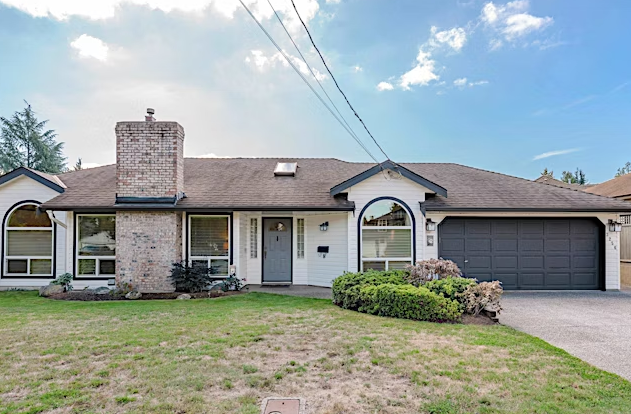
2025 Perspective: Buyers in 2025 are looking for versatile spaces. A finished basement can serve as a home office, gym, or entertainment zone – all highly sought after. However, it’s crucial for buyers to distinguish between true “living area” (GLA) and other finished spaces to understand how lenders and appraisers will value the core residence. Transparency in marketing is key; reputable agents will clearly delineate what’s included in each measurement.
The Condo Conundrum: Unit Square Footage, Common Elements, and Limited Common Elements
For multi-family dwellings like condominiums and co-ops, the measurement landscape shifts dramatically. Here, concepts similar to “Built-Up Area” and “Super Built-Up Area” from other markets find their parallels in Unit Square Footage, Limited Common Elements, and Common Elements.
a. Deeded Unit Square Footage (Your Exclusive Domain):
This is the direct equivalent of the space within the four walls of your specific unit. It’s the area you exclusively own and control.
What it Represents:
The actual living space inside your condo walls, typically measured from the centerline of shared walls to the exterior of private walls.
Includes all interior rooms, kitchens, bathrooms, and closets within your unit.
Why it Matters:
What you truly own: This is the space for which you receive a deed or stock certificate (in a co-op).
Valuation: This is the primary square footage figure used for comparing individual condo units.
HOA Dues: While common elements dictate a portion of HOA fees, the size of your unit often influences your exact assessment.
b. Limited Common Elements (Your Private “Extras”):
These are areas that are technically part of the overall common elements of the building but are designated for the exclusive use of a single unit.
What it Represents:
Private Balconies or Terraces: Your outdoor space, exclusively accessible from your unit.
Storage Units: Assigned storage lockers.
Assigned Parking Spaces: Your specific parking spot.
Patios: Ground-floor private patio spaces.
Why it Matters:
Enhanced Lifestyle: These elements significantly enhance your living experience and contribute to the unit’s desirability and market value.
Maintenance Responsibility: While for your exclusive use, maintenance of limited common elements often falls under the HOA, with costs potentially covered by your dues or special assessments.
Marketing Advantage: Units with desirable limited common elements (e.g., large private terraces in urban centers) command higher prices.
c. Common Elements (The Shared Experience):
These are the areas owned in common by all unit owners, crucial for the functioning and amenity package of the entire building. This is where the “Super Built-Up Area” concept’s spirit truly resides, even if not expressed as an added square footage to your unit.
What it Represents:
Lobbies and Hallways: Entryways, corridors, and communal circulation spaces.
Elevators and Stairwells: Essential for vertical movement.
Amenity Spaces: Gyms, swimming pools, clubhouses, rooftop decks, business centers, pet spas.
Utility Areas: Mechanical rooms, trash chutes, common laundry rooms.
Landscaping and Exterior: The building’s facade, grounds, shared gardens.

Why it Matters:
HOA Dues: Your share of common elements directly impacts your monthly Homeowners Association (HOA) fees. These fees cover maintenance, repairs, insurance, and management of these shared spaces.
Overall Property Value: The quality and quantity of common elements significantly influence the entire building’s attractiveness and each unit’s value. A condo in a building with a state-of-the-art gym and concierge service will likely fetch a higher price than an identical unit in a building with fewer amenities.
Community Living: These elements define the lifestyle of a condo or co-op, fostering community or providing essential services.
2025 Perspective: Amenity-rich buildings are highly sought after, especially as remote work blurs the lines between home and office. Common elements like co-working spaces, high-speed internet infrastructure, and wellness facilities are huge draws. Buyers need to thoroughly review HOA documents to understand what’s covered, planned capital expenditures, and the financial health of the association. My advice is to consider the common elements as a significant part of your “living experience” even if not part of your deeded square footage. They are a critical factor in your total cost of ownership and lifestyle.
The Quest for Standardization: Why Measurement Consistency Matters
While the US lacks a single federal “RERA”-like standard for all property measurements, the spirit of standardization and transparency is upheld through various means:
ANSI Standards for Appraisals: The American National Standards Institute (ANSI) provides guidelines for measuring single-family homes, especially for Gross Living Area. Appraisers often adhere to these standards, which typically involve measuring from the exterior foundation to foundation for above-grade finished spaces. This provides a level of consistency for lenders and the secondary mortgage market.
Builder Specifications: New construction often provides detailed floor plans and square footage figures. However, builders may use “total area” calculations that include garages or unfinished spaces. Savvy buyers compare these figures with potential GLA measurements.
Public Records: County assessor’s offices maintain records of square footage, often used for property tax assessment. These can differ from appraisal or builder figures, leading to confusion.
MLS (Multiple Listing Service) Disclosures: Real estate agents are ethically bound to disclose the source of square footage information (e.g., appraiser, builder, public records, seller). This helps buyers understand the basis of the advertised area.
Why Standardization Matters:
Fair Comparison: Without consistent measurement, comparing two properties becomes an “apples to oranges” exercise, making it difficult for buyers to assess value accurately.
Appraisal Gaps: Discrepancies between advertised square footage and an appraiser’s measurement can lead to lower valuations, requiring renegotiation or even jeopardizing a sale.
Legal Protection: Clear, consistent measurements help protect both buyers and sellers from misrepresentation and potential legal disputes.
2025 Perspective: With digital twins and highly accurate 3D scanning becoming more accessible for property listings, the expectation for precise, verifiable square footage is rising. Buyers will have more tools to independently verify measurements. Agents who embrace these technologies and provide transparent, standards-based measurements will gain a competitive edge.
The Impact on Your Real Estate Journey in 2025
Understanding these distinctions isn’t merely academic; it has tangible effects on every aspect of buying, selling, and owning property.
Valuation & Appraisal: This is paramount for securing financing. If an appraiser determines a lower GLA than advertised, your loan amount could be reduced, requiring you to bring more cash to the closing table.
Property Taxes: Your annual tax bill is directly tied to the assessed value, which heavily relies on square footage. Knowing how your local assessor measures can prevent surprises.
HOA Fees: In condo or HOA communities, your pro-rata share of common area expenses is a significant ongoing cost. Understand what you’re paying for and what amenities are included.
Buyer Expectations: When you envision your “dream home,” you’re thinking about usable living space. A high “total square footage” might include a garage you don’t care about, while a modest GLA might feel cramped. Prioritize the metrics that align with your lifestyle.
Renovation Potential: Knowing the difference between finished and unfinished space helps you calculate future renovation costs accurately and understand what adds “living area” value.
Practical Insights from a 10-Year Veteran
Always Ask for the Source: When you see a square footage figure, ask your agent where it came from. Is it from an appraisal, builder plans, or county records? Each source has its methodology and potential for variance.
Understand the “Why”: Don’t just accept a number. For a detached home, ask specifically about GLA (above grade, finished, heated). For a condo, distinguish between your unit’s deeded area and the shared common elements.
Walk the Space, Digitally and Physically: While numbers are important, how a space feels and functions is paramount. Leverage 3D virtual tours and then physically walk through properties that interest you. Look at ceiling heights, room layouts, and natural light – these elements impact the perception of space more than a raw number.
Work with Accredited Professionals: A skilled real estate agent will guide you through these complexities. An experienced appraiser provides an unbiased, standardized measurement that lenders trust.
New Construction vs. Resale: In new construction, builders typically provide detailed floor plans, but sometimes their “total square footage” includes areas like unfinished basements or even the footprint of the exterior walls. Always clarify. For resale homes, the historical data might be less precise, making an independent measurement or appraisal review even more critical.
Due Diligence is Your Best Friend: Don’t hesitate to request floor plans, public records, or even get your own independent measurement if you have significant concerns. The cost is minimal compared to the potential consequences of a misunderstanding.
Conclusion
The American real estate market in 2025 is a landscape of opportunity, but it demands an informed approach. Understanding the distinctions between Gross Living Area, Total Square Footage, and the intricate measurements within condominiums isn’t just about technicalities; it’s about protecting your investment, securing appropriate financing, and ultimately finding a property that truly meets your needs and expectations. As an expert, I’ve seen countless transactions hinge on these seemingly minor details.
Don’t let ambiguous numbers or unclear definitions lead you astray. Empower yourself with knowledge, ask the right questions, and work with professionals who prioritize transparency.
Ready to navigate the complexities of property measurement and find your perfect space in the vibrant 2025 US real estate market? Connect with a trusted local expert today to ensure your next property decision is built on solid, accurate foundations.