
The Evolution of the Modern Workspace: Why Co-Working is Redefining Commercial Real Estate
For a decade now, I’ve navigated the intricate landscape of commercial real estate, observing firsthand how businesses approach their spatial needs. In recent years, a paradigm shift has been undeniable, moving beyond the traditional brick-and-mortar leases that once defined corporate presence. We’re witnessing the ascendance of a dynamic and evolving concept: co-working spaces. Often referred to by various monikers such as flexible workspaces, on-demand offices, or shared office solutions, this innovative model has rapidly gained traction, fundamentally reshaping how companies of all sizes perceive and utilize their physical footprint.
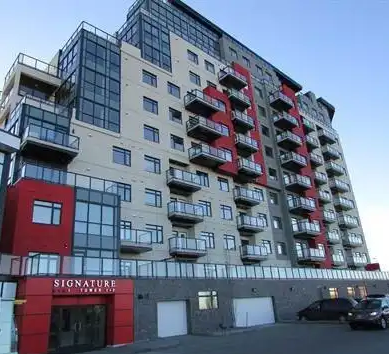
The impetus behind this dramatic shift is multifaceted, but undeniably driven by the relentless escalation of commercial real estate costs in prime urban centers. Beyond sheer expense, a growing number of forward-thinking organizations are seeking to shed the shackles of long-term lease obligations. They crave agility, a flexible cost structure that adapts to their fluctuating needs, and an operational framework that prioritizes efficiency and strategic growth. This article delves deep into the compelling reasons behind the burgeoning trend of co-working spaces and explores the nuances that make them such a transformative force in today’s real estate market.
The Compelling Case for Embracing Co-Working Solutions
The allure of co-working is not a fleeting fad; it’s a strategic imperative for businesses looking to thrive in a competitive and ever-changing economic climate. Let’s dissect the core benefits that draw companies to these shared environments:
Unlocking Cost Efficiencies: A Boon for Startups and Established Enterprises Alike
For nascent startups, the financial burden of establishing a fully equipped office can be crippling. Imagine a tech startup requiring robust infrastructure – high-speed dedicated internet, sophisticated VoIP phone systems, advanced video conferencing suites, and secure network capabilities. The upfront investment in hardware, installation, and ongoing maintenance for such a setup is often prohibitive for companies operating with lean capital. This is precisely where the “plug-and-play” model of co-working spaces becomes an invaluable lifeline. Companies can access a ready-made, high-spec office environment from day one, paying only for the space and services they consume. While the per-desk cost might appear higher on a monthly basis compared to a traditional lease, the total cost of ownership, including setup, utilities, and administrative overhead, is significantly lower for these fledgling businesses.
Even for larger, more established corporations, the economic advantages are substantial. By leveraging shared resources and amenities, larger enterprises can achieve cost savings of approximately 25% or more compared to traditional, dedicated office leases. This financial prudence allows for greater allocation of capital towards core business functions, research and development, and strategic expansion initiatives. The economic logic behind choosing co-working spaces is increasingly difficult to ignore.
Streamlined Infrastructure and Enhanced Operational Agility
The beauty of co-working spaces lies in their ability to provide immediate access to premium infrastructure without the capital expenditure or logistical headaches associated with building it from scratch. Conference rooms equipped with the latest AV technology, dedicated meeting spaces, and high-speed internet are standard offerings. This eliminates the time-consuming and costly process of procuring, installing, and maintaining office equipment and IT services. Companies can thus pivot their focus from administrative minutiae to their core competencies – the activities that directly generate value for their customers and drive competitive advantage. This operational agility is paramount in today’s fast-paced business world, where the ability to adapt and innovate quickly is a critical differentiator.
Strategic Location and Enhanced Employee Convenience: Addressing the “Last Mile” Challenge
The deployment of co-working spaces has proven particularly effective in Tier-2 and Tier-3 cities, offering multinational corporations a strategic foothold without the commitment of a full-scale office. These spaces allow companies to house smaller teams – perhaps 10 to 15 personnel focused on sales, client relations, or regional support – without compromising on the quality of the workspace or the employee experience.
Crucially, these shared environments are often strategically located in accessible, centrally located areas. This is a game-changer for employees, particularly those in sales roles who require extensive travel and need to connect with clients efficiently. By situating teams in well-connected co-working spaces in these secondary markets, companies reduce travel time for their personnel and enhance their ability to serve regional clients effectively. The shared infrastructure concept extends beyond just desks and Wi-Fi; it encompasses a more efficient model for distributed teams.
Furthermore, the impact of co-working spaces on employee well-being and productivity in major metropolitan areas cannot be overstated. The grueling daily commute, often consuming 3-4 hours for employees in sprawling cities, is a significant drain on time and energy. This lost productivity is a hidden cost for businesses and a source of burnout for employees. By enabling workers to access co-working spaces closer to their homes, companies can drastically reduce commute times. The hours saved can be redirected towards more productive work, skill development, or simply achieving a healthier work-life balance. This translates into a more engaged, energized, and ultimately, more effective workforce.
Unparalleled Flexibility: Adapting to the Shifting Sands of Growth
The traditional office model presents a significant logistical hurdle when it comes to scaling operations. Imagine a company experiencing rapid growth and needing to accommodate ten new hires. Under a conventional lease, this might necessitate renting an entirely new office unit, a costly and time-consuming undertaking, or cramming existing space, leading to overcrowding and decreased productivity. Co-working spaces, however, offer a liberating degree of flexibility. Companies can rent precisely the number of desks they require for the exact duration they need them. This “right-sizing” capability allows businesses to scale their workspace up or down with unprecedented ease, aligning their physical footprint perfectly with their evolving operational needs. This agility is a significant competitive advantage, enabling businesses to react swiftly to market opportunities and unforeseen challenges.
Navigating the Nuances: Potential Challenges in Shared Office Environments
While the benefits of co-working spaces are compelling, it’s essential to acknowledge and address the potential challenges inherent in these shared environments. A discerning business leader will approach these with a strategic mindset:
The Complexities of Cost Allocation and Resource Management

In a traditional, fully leased office, cost allocation is straightforward: the tenant bears all direct expenses like electricity, water, and property taxes. However, in a co-working space, these costs are typically bundled into the membership fees or need to be carefully apportioned among users. This can become a point of contention. Disagreements may arise regarding the fairest metric for cost distribution – should it be based on headcount, space utilization, or a combination of factors?
Moreover, when utility costs are shared, there can be a diminished incentive for individual companies to conserve resources like electricity and water. This potential for wastage needs to be proactively managed. Many co-working space operators are now mitigating this by embedding these costs into the overall lease pricing. While this simplifies billing, it can sometimes lead to a perception of inflated prices and, in some cases, still doesn’t fully address the incentive for individual conservation. Transparent billing and clear usage policies are crucial for fostering a sense of fairness and encouraging responsible resource management within these shared environments.
Ensuring Data Security and Intellectual Property Protection
Perhaps the most significant concern for companies considering co-working spaces revolves around data security and the protection of sensitive intellectual property. The very nature of a shared environment, with multiple organizations operating in close proximity, raises legitimate questions about the risk of data breaches or the inadvertent leakage of proprietary information. For businesses handling mission-critical data, confidential strategies, or groundbreaking research, locating these operations within a shared facility can feel like a significant gamble. The potential for a competitor to gain access to vital business intelligence could irrevocably damage a company’s competitive edge.
While reputable co-working space providers invest heavily in robust physical and digital security measures, the inherent risks associated with a multi-tenant environment cannot be entirely eliminated. This is a crucial consideration that demands thorough due diligence and a careful assessment of the sensitivity of the operations being housed.
The Future of Work: A Hybrid Ecosystem
Looking ahead, the trajectory of the modern workspace points towards a sophisticated hybrid model. The insights gleaned from the rise of co-working spaces suggest a future where different types of work will be optimized for distinct environments.
Routine, non-mission-critical tasks, those that benefit from cost efficiencies and operational agility, will likely find their permanent home in well-managed co-working spaces. The accessibility and flexibility offered by these venues are simply too advantageous to overlook for such functions.
Conversely, high-end operations, particularly those involving sensitive data, strategic planning, and confidential research and development, will continue to gravitate towards dedicated, leased office spaces. The stringent security protocols and complete control over the physical environment offered by traditional leases remain paramount for these critical business functions.
This fusion of models represents not a replacement of one by the other, but rather an evolution. Businesses will strategically deploy their workforce across a spectrum of workspaces, choosing the environment that best aligns with the nature of the work being performed, the required level of security, and the desired operational flexibility. The concept of a singular, monolithic office is rapidly becoming a relic of the past.
The landscape of commercial real estate is undergoing a profound transformation. The agility, cost-effectiveness, and employee-centric benefits offered by co-working spaces have cemented their place as a vital component of the modern business strategy. As we continue to innovate and adapt, understanding these evolving workspace dynamics is no longer just an advantage – it’s a necessity for sustained success.
If you’re a business leader seeking to optimize your spatial strategy and unlock new levels of efficiency and flexibility, now is the time to explore how the dynamic world of co-working spaces can empower your organization’s future. Reach out today to discuss your specific needs and discover the ideal workspace solution tailored for your business.