
Condo vs. Apartment: Navigating Your Residential Crossroads in 2025
For many Americans navigating the complex landscape of residential real estate, the choice between a condominium (condo) and an apartment can feel like a significant fork in the road. At first glance, these living arrangements within multi-unit structures appear remarkably similar, offering compact living spaces and shared building amenities. However, beneath this surface-level resemblance lie fundamental distinctions that profoundly impact ownership, financial commitment, day-to-day responsibilities, and long-term lifestyle. As a seasoned industry professional with a decade of experience observing market trends and guiding clients through these crucial decisions, I’ve witnessed firsthand how understanding these nuances can pave the way for the right residential choice. This in-depth exploration will demystify the condo versus apartment debate, equipping you with the knowledge to make an informed decision that aligns with your financial goals, lifestyle preferences, and future aspirations in today’s dynamic housing market.
Unpacking the Core Difference: Ownership as the Great Divider
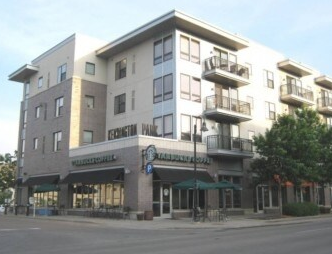
The most significant differentiator between a condo and an apartment lies in the fundamental concept of ownership. This is the bedrock upon which all other differences are built.
Condominium Ownership: Building Your Stake in the American Dream
When you purchase a condominium, you’re not just acquiring a living space; you’re investing in a tangible asset. As a condo owner, you hold direct title to your individual unit – the interior space you inhabit. This includes walls, floors, ceilings, and everything within them. Crucially, you also become a fractional owner of the building’s common elements. These encompass shared amenities like lobbies, hallways, elevators, recreational facilities (pools, gyms), and even the building’s exterior structure, roof, and landscaping. This collective ownership is managed by a Homeowners Association (HOA), a governing body composed of unit owners. The HOA collects monthly or quarterly HOA fees to cover the collective maintenance, insurance, and management of these shared spaces and amenities. As a condo owner, you build home equity with each mortgage payment, a critical component of wealth accumulation in the United States. This equity grows as you pay down your mortgage and, ideally, as the property’s market value appreciates over time.
Apartment Living: The Flexibility of Renting
In stark contrast, apartment living is defined by renting. When you lease an apartment, you enter into a contractual agreement with a landlord or a property management company for the right to occupy a specific unit for a defined period, typically 12 months. You do not own any part of the property; you are a tenant. Your monthly payment is essentially rent for the use of the space and its associated amenities. The landlord retains ownership of the entire building, including your unit and all common areas. This typically means the landlord is solely responsible for all maintenance, repairs, and upkeep, both within your unit and throughout the property. While renting offers significant flexibility and can be a more accessible entry point into housing, it does not contribute to building personal wealth through equity.
Decoding the Financial Equation: Costs Beyond the Monthly Payment
The financial considerations surrounding condo versus apartment living are multifaceted and extend far beyond the immediate monthly outlay. Understanding these cost structures is paramount for long-term financial health.
The Financial Landscape of Buying a Condo
Purchasing a condo involves a more substantial upfront financial commitment and a more complex web of ongoing expenses:
Down Payment: This is the initial lump sum paid at closing, typically a percentage of the condo’s purchase price. It can range from a few percent to 20% or more.
Closing Costs: These are a significant, one-time expense incurred during the finalization of the sale. They can include lender fees, appraisal fees, title insurance, attorney fees, recording fees, and transfer taxes, often amounting to 2-5% of the loan amount.
Private Mortgage Insurance (PMI): If your down payment is less than 20% of the purchase price, lenders usually require PMI to protect them against potential default. This adds a monthly premium to your mortgage payment.
Monthly Mortgage Payment: This consists of principal and interest payments on your home loan, forming the core of your homeownership expense.
Homeowners Insurance: This protects your individual unit against perils like fire, theft, or severe weather damage. It’s separate from the master insurance policy that covers the building’s structure, which is typically covered by the HOA.
Property Taxes: These are levied annually by local government entities based on the assessed value of your condo. These payments are often escrowed as part of your monthly mortgage.
Utilities: As an owner, you’ll be responsible for paying for your unit’s electricity, gas, water, and sewer services. Some of these might be individually metered, while others could be part of common utility charges managed by the HOA.
Interior Maintenance and Repairs: While the HOA handles exterior upkeep, you are responsible for the maintenance and repair of everything within your unit – from leaky faucets to appliance replacements.
HOA Fees: These recurring monthly or quarterly dues are a significant factor. They cover the operational costs of the HOA, including common area maintenance, landscaping, amenity upkeep, building insurance, and often a reserve fund for major capital expenditures like roof replacement or elevator servicing. These fees can fluctuate based on the association’s budget and needs.
The Financial Equation of Renting an Apartment
Renting an apartment generally presents a more straightforward and often more affordable financial picture, particularly in the short to medium term:
Application Fee: A nominal fee charged by landlords to cover the costs of background and credit checks during the screening process.
Security Deposit: A refundable deposit, typically equivalent to one to two months’ rent, held by the landlord as a safeguard against damages beyond normal wear and tear.
Monthly Rent: The primary recurring cost, which includes the use of the unit and often access to building amenities.
Utilities: Depending on the lease agreement, utilities (electricity, gas, water, sewer, trash) may be included in the rent or paid separately by the tenant. It’s crucial to clarify this in the lease.
Renter’s Insurance: While not always mandatory, it’s highly recommended. This affordable policy protects your personal belongings against theft, damage, or loss.
Pet Rent and Fees: If you have pets, many landlords charge an additional monthly fee, and sometimes a non-refundable pet deposit, to accommodate them.
Maintenance and Amenities: Defining Your Daily Responsibilities and Luxuries
The division of labor for maintenance and the availability of amenities are crucial considerations that directly impact your daily living experience and peace of mind.
Condo Maintenance: Shared Responsibilities, Individual Ownership
As a condo owner, your maintenance responsibilities are bifurcated. You are the primary caretaker of your individual unit’s interior. This means promptly addressing any issues that arise within your living space, whether it’s a plumbing problem, a malfunctioning appliance, or the need for a fresh coat of paint. However, the exterior of the building, common hallways, elevators, parking areas, and any shared recreational facilities are the purview of the HOA. The HOA’s budget, funded by your HOA fees, dictates the quality and timeliness of this exterior maintenance. This can range from routine landscaping and cleaning to significant structural repairs and upgrades.
Apartment Maintenance: The Landlord’s Domain
The beauty of apartment living for many lies in its minimal maintenance burden. As a renter, you are typically absolved of most maintenance duties. The landlord or property management company is responsible for all repairs within your unit, from fixing a clogged drain to replacing a broken window. They also manage the upkeep of the building’s exterior, common areas, and amenities. This hands-off approach to maintenance can be a significant draw for individuals seeking a more carefree lifestyle, freeing up their time and energy for other pursuits.
Amenities: Elevating Your Lifestyle
Both condo complexes and apartment buildings can offer a wide array of amenities that enhance the living experience. These shared facilities can significantly influence your decision:
Condo Amenities: Condominiums often boast premium amenities designed to appeal to homeowners seeking convenience and a resort-like feel. Common features include state-of-the-art fitness centers, swimming pools and hot tubs, business centers for remote work, community lounges or clubhouses for social gatherings, concierge services, and robust on-site security systems. The quality and availability of these amenities are directly tied to the HOA’s budget and management.
Apartment Amenities: Apartment complexes, particularly newer developments, also offer a compelling suite of amenities. These can include well-equipped gyms, swimming pools, BBQ areas, rooftop decks, communal workspaces, pet-friendly facilities like dog parks, and ample on-site parking. Laundry facilities, while sometimes found in condos, are a staple in most apartment buildings. The variety and upkeep of amenities in apartments are determined by the property management company’s investment and operational strategy.
The Condo vs. Apartment Verdict: Weighing the Pros and Cons
To crystallize the decision-making process, let’s consolidate the advantages and disadvantages of each living arrangement.
The Case for Buying a Condo
Pros:
Building Equity and Wealth: Your mortgage payments are an investment in your own asset, leading to homeownership and long-term wealth accumulation.
Potential for Appreciation: Real estate values, historically, tend to increase over time, offering a return on your investment.
Personalization and Customization: Within your unit, you have significantly more freedom to renovate, decorate, and personalize your living space to reflect your style and needs.
Sense of Community and Stability: Owning a condo often fosters a stronger sense of community among residents who share ownership and investment in the building.
Tax Benefits: Homeowners can often benefit from tax deductions on mortgage interest and property taxes.
Cons:
Higher Upfront Costs: Down payments, closing costs, and potential PMI represent a substantial initial financial hurdle.
Ongoing Financial Obligations: Mortgage payments, property taxes, insurance, and HOA fees create a higher recurring monthly expense compared to rent.
HOA Fees and Restrictions: You are obligated to pay HOA fees, and the HOA has rules and regulations that can restrict modifications, pet ownership, or rental policies.
Responsibility for Interior Maintenance: You are solely responsible for all interior repairs and upkeep, which can be costly and time-consuming.
Less Flexibility: Selling a condo is a more complex and time-consuming process than breaking a lease, making it less ideal for those with uncertain future plans.
The Case for Renting an Apartment
Pros:
Lower Upfront Costs: Typically only requires a security deposit and first month’s rent, making it more accessible.
Predictable Monthly Expenses: Rent is usually a fixed amount, making budgeting easier. Utilities might also be included, further simplifying costs.
Minimal Maintenance Responsibilities: Landlords handle all repairs and upkeep, freeing you from the burdens of home maintenance.
Flexibility and Mobility: Leases offer more flexibility. If you need to relocate for a job or personal reasons, breaking a lease is generally easier and less costly than selling a property.
Access to Amenities: Many apartment complexes offer attractive amenities that might be unaffordable to individual condo owners.
Cons:
No Equity Building: Your monthly payments do not contribute to your personal wealth; they benefit the landlord.
Limited Personalization: Restrictions on painting, renovations, or significant alterations mean less ability to truly make the space your own.
Rent Increases: Landlords can raise rent at the end of each lease term, potentially leading to unpredictable increases in housing costs.
Lack of Ownership Pride: Without ownership, some individuals may feel less invested in the property or the community.
Potential for Landlord Disputes: While rare, disagreements with landlords over repairs or lease terms can arise.
Who Should Consider Which Path? Tailoring the Choice to Your Life Stage and Goals
Ultimately, the “better” option is highly subjective and depends entirely on your individual circumstances, financial situation, and lifestyle priorities.
Who Should Consider Buying a Condo?
Aspiring Homeowners: Individuals or couples ready to take the plunge into homeownership and begin building equity.
Long-Term Residents: Those who plan to stay in a particular area for several years and want to invest in their community.
Wealth Builders: People focused on accumulating assets and leveraging real estate as a wealth-building tool.
Downsizers: Empty nesters or retirees looking to simplify their lives with a smaller, more manageable living space that still offers a sense of ownership.
Those Seeking Control: Individuals who value the ability to customize their living space and have a say in their immediate environment.
Who Should Consider Renting an Apartment?
First-Time Renters or Those New to an Area: Individuals exploring different neighborhoods or cities and uncertain about their long-term location.
Budget-Conscious Individuals: Those who prioritize lower upfront costs and more predictable monthly expenses, especially if they haven’t saved a substantial down payment.
Career-Focused Professionals: Individuals whose careers may require frequent relocation or those who prefer to allocate their financial resources towards career development or travel.
Maintenance-Averse Individuals: People who want to avoid the responsibilities and potential costs associated with home repairs and upkeep.
Those Prioritizing Flexibility: Individuals who value the freedom to move easily without the complexities of selling a property.
Navigating the Market: Expert Insights for 2025 and Beyond
As we look ahead to 2025, the real estate market continues to evolve. Interest rates, while potentially fluctuating, remain a key factor for buyers. The demand for flexible living arrangements is also on the rise, influencing both rental and ownership markets. For those considering condo purchase in Dallas or exploring apartments for rent in Brooklyn, understanding local market dynamics is crucial. High-CPC keywords like “condo financing options” and “rental market analysis” underscore the financial expertise required in these decisions. Furthermore, considering factors like “HOA fee transparency” and “renter’s rights in California” are vital for informed decision-making across different regions.
Your Next Step: Charting Your Course to the Right Residence
The journey to finding your ideal living space is a personal one, marked by careful consideration of your financial capacity, lifestyle preferences, and future aspirations. Whether you’re drawn to the long-term investment potential of a condominium or the immediate flexibility and ease of an apartment, understanding the fundamental differences is your most powerful tool.
Ready to explore your options in more detail? Don’t leave your housing future to chance. Take the proactive step today by connecting with a trusted real estate advisor or a mortgage professional. They can provide personalized guidance, help you assess your financial readiness, and illuminate the path toward securing the residence that best fits your unique needs and dreams. Start your personalized consultation today and gain clarity on your path forward.