
Condo vs. Apartment: Navigating Your Path to Homeownership or Rental Bliss
For a decade, I’ve been immersed in the dynamic world of real estate, guiding individuals through some of their most significant life decisions. One recurring crossroads my clients face is the fundamental choice between a condominium (condo) and an apartment. While often used interchangeably in casual conversation, these two residential options represent distinct pathways with unique implications for your finances, lifestyle, and long-term goals. Understanding these differences isn’t just about semantics; it’s about making an informed decision that aligns with your aspirations and current circumstances.
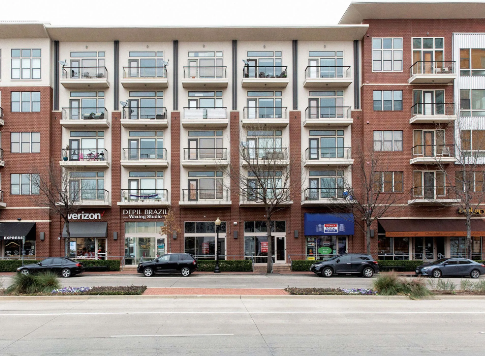
The sheer volume of information and varying advice can be overwhelming, especially when you’re looking for condo vs apartment insights. Let’s cut through the noise and provide a clear, expert-driven perspective on what truly separates these living arrangements and how to determine which is the superior choice for you. This isn’t just about identifying features; it’s about understanding the underlying ownership structures, financial commitments, and day-to-day realities that define each.
The Ownership Divide: The Bedrock of Condo vs. Apartment Distinction
At its core, the most profound difference between a condo and an apartment lies in the concept of ownership. This single factor dictates virtually every subsequent consideration, from your financial obligations to your freedom to customize.
Condominium Ownership: Building Your Stake
When you purchase a condominium, you are acquiring ownership of a specific, individual unit within a larger building or complex. This means you possess the interior space of your dwelling outright. More importantly, you are building equity with every mortgage payment. As property values in your area appreciate, your investment grows. This direct ownership grants you a significant degree of autonomy over your living space – within the bounds of what the Homeowners Association (HOA) permits, of course. However, the exterior of the building, the roof, the common areas (hallways, lobbies, elevators, gyms, pools), and the grounds are collectively owned and managed by the HOA. This shared responsibility is a cornerstone of condo living.
Apartment Living: The Realm of Renters
In stark contrast, an apartment is a rental unit. You lease the space from a landlord or a property management company for a predetermined period. You do not own the property, and therefore, you do not build equity. Your monthly payments contribute to the landlord’s investment, not your own. While this offers flexibility, it comes with limitations on customization and a lack of long-term financial accumulation through property appreciation. The landlord, as the owner, typically bears the responsibility for all maintenance, both interior and exterior, and the upkeep of all common facilities.
The Financial Landscape: Unpacking the Costs of Condo vs. Apartment
The financial implications of choosing between a condo and an apartment are substantial and require careful analysis. While renting an apartment often appears more accessible upfront, the long-term cost-benefit analysis can be surprisingly nuanced.
The Financial Architecture of Buying a Condo
Purchasing a condo involves a series of financial commitments that extend beyond the initial sale price:
Down Payment: This is the initial lump sum you pay towards the purchase price of the condo, typically a percentage ranging from 5% to 20% or more. A larger down payment can reduce your mortgage principal and potentially eliminate the need for Private Mortgage Insurance (PMI).
Closing Costs: These are fees paid at the end of the transaction to finalize the purchase. They can encompass a wide array of expenses, including appraisal fees, title insurance, attorney fees, loan origination fees, recording fees, and transfer taxes. These costs can often amount to 2% to 5% of the loan amount.
Private Mortgage Insurance (PMI): If your down payment is less than 20% of the purchase price, lenders require PMI to protect them in case you default on your loan. This translates to an additional monthly expense.
Monthly Mortgage Payment: This is the core of your ongoing housing cost, comprising the principal repayment on your loan and the interest charged by the lender.
Homeowners Insurance: While the HOA typically insures the building’s structure, you are responsible for insuring the interior of your unit and your personal belongings. This protects you against damages from fire, theft, natural disasters, and other covered perils.
Property Taxes: As a homeowner, you are subject to annual property taxes levied by your local government, based on the assessed value of your condo. These taxes are typically paid monthly as part of your mortgage escrow.
Utilities: You will be directly responsible for paying for your individual utility consumption, including electricity, gas, water, and sewer, unless otherwise specified by the HOA or building management.
Maintenance and Repairs (Interior): While the HOA handles exterior and common area upkeep, you are financially responsible for any repairs or maintenance needed within your unit. This could range from a leaky faucet to a malfunctioning appliance.
HOA Fees: This is a crucial recurring expense unique to condo living. These monthly or quarterly fees cover the maintenance and repair of common areas, amenities (pool, gym, etc.), building insurance, landscaping, and sometimes utilities for common spaces. HOA fees can range significantly based on the amenities and services offered.
The Financial Structure of Renting an Apartment
Renting an apartment generally involves a more straightforward, albeit less investment-oriented, financial picture:
Application Fee: A nominal fee often charged by landlords to cover the costs associated with processing your rental application, including background and credit checks.
Security Deposit: A refundable deposit, typically equivalent to one or two months’ rent, held by the landlord to cover any damages to the apartment beyond normal wear and tear.
Monthly Rent: The recurring payment for occupying the apartment. This is your primary housing expense.
Utilities: Depending on the lease agreement, you may be responsible for electricity, gas, water, sewer, and trash removal. In some instances, certain utilities might be included in the rent, but this is less common.
Renters Insurance: Highly recommended, this policy protects your personal belongings against theft, damage, or loss. It is separate from the landlord’s property insurance.
Pet Fees/Deposits: If you have a pet, many landlords charge an additional monthly pet rent or require a non-refundable pet deposit to cover potential wear and tear.
Maintenance and Amenities: Lifestyle Considerations in Condo vs. Apartment Choices
Beyond the financial aspects, the way maintenance is handled and the availability of amenities significantly shape the living experience.
Condominium Maintenance and Amenities: Shared Responsibility, Enhanced Living
As a condo owner, you are the steward of your interior space, responsible for its upkeep and any necessary repairs. However, the burden of maintaining the building’s exterior, the roof, hallways, elevators, and shared amenities is lifted from your shoulders and falls under the purview of the HOA. This means you don’t have to worry about coordinating roof repairs or mowing the lawn.
Condo complexes often boast a robust suite of amenities designed to enhance resident lifestyle. These can include state-of-the-art fitness centers, swimming pools, business centers, community rooms, rooftop terraces, and concierge services. These shared facilities are funded through your HOA fees, providing a convenient and often luxurious living experience.
Apartment Maintenance and Amenities: Landlord’s Duty, Renter’s Convenience
Apartment renters generally enjoy a hands-off approach to maintenance. The landlord or property management company is responsible for addressing all maintenance issues, from a running toilet to a broken appliance, and for the upkeep of the building’s exterior and common areas. This can be a significant draw for those seeking a low-maintenance lifestyle.
Apartment complexes also offer a range of amenities, though they may vary more widely in scope and quality. Common features include fitness centers, swimming pools, communal laundry facilities, grilling areas, playgrounds, and dedicated parking. The quality and availability of these amenities can depend heavily on the specific property and its management.
Weighing the Pros and Cons: Making the Condo vs. Apartment Decision
To crystallize your choice, let’s summarize the advantages and disadvantages of each option.
The Case for Buying a Condo
Pros:
Equity Building: The most compelling financial advantage is the opportunity to build personal wealth through homeownership. Each mortgage payment contributes to your equity.
Potential for Appreciation: Over time, real estate values tend to increase, leading to potential capital gains when you decide to sell.
Customization Freedom: While subject to HOA regulations, you generally have more freedom to renovate and personalize your interior space compared to renting.
Sense of Ownership and Stability: Owning your home can provide a deeper sense of stability and belonging.
Access to Amenities: Condos often come with desirable amenities that might be unaffordable to access individually.
Cons:
Higher Upfront Costs: The initial investment for a down payment and closing costs can be substantial.
Ongoing HOA Fees: These recurring fees can add significantly to your monthly expenses and can increase over time.
Less Flexibility: Selling a condo is a more complex and time-consuming process than breaking a lease, making it less ideal for those anticipating frequent relocation.
Shared Decision-Making: HOA rules and regulations can sometimes feel restrictive, and you have a say in collective decisions through voting, which can involve compromises.
Potential for Special Assessments: HOAs can levy special assessments for major unforeseen repairs or capital improvements, requiring owners to contribute additional funds beyond regular fees.
The Case for Renting an Apartment
Pros:
Lower Upfront Costs: Generally requires a security deposit and first month’s rent, significantly less than a down payment and closing costs.
Predictable Monthly Expenses: Rent is usually a fixed cost, making budgeting easier, especially if some utilities are included.
Flexibility and Mobility: Easier to relocate for job opportunities or personal reasons by simply moving out at the end of your lease.
No Maintenance Worries: Landlords handle all repairs and maintenance, freeing you from those responsibilities.
Access to Amenities without Ownership Burden: You can enjoy amenities like pools and gyms without the associated costs of ownership and maintenance.
Cons:
No Equity Building: Your rent payments do not contribute to your personal wealth or investment.
Limited Customization: Restrictions on painting, making structural changes, or even hanging pictures can limit your ability to personalize your living space.
Rent Increases: Landlords can increase rent at the end of your lease term, potentially impacting your long-term housing budget.
Lack of Stability: You don’t own the property, so your tenancy depends on the landlord’s decisions.
Rules and Regulations: You must abide by the landlord’s rules, which can cover everything from quiet hours to pet policies.
Who is the Ideal Candidate for Condo vs. Apartment Living?
Considering a Condo Purchase? You Might Be a Fit If:
You’re Building Wealth: You want to leverage real estate as an investment vehicle and build long-term equity.
You Seek Stability: You envision staying in one location for several years and want to establish roots.
You Value Amenities: You appreciate access to on-site facilities like gyms and pools without the hassle of individual upkeep.
You’re Downsizing: For retirees or empty nesters, a condo can offer a smaller, more manageable living space with reduced personal maintenance responsibilities while still providing ownership benefits.
You’re Comfortable with Shared Governance: You are willing to participate in HOA meetings and adhere to community rules.
Considering an Apartment Rental? You Might Be a Fit If:
You Value Flexibility: Your career or life plans involve potential relocation in the near future.
You’re Not Ready for Homeownership: You lack the substantial down payment and closing costs required for purchasing, or you prefer not to take on the financial commitment of a mortgage.
You Prioritize a Maintenance-Free Lifestyle: You want to avoid the responsibilities and costs associated with home repairs and upkeep.
You’re Exploring New Areas: You’re testing out a new city or neighborhood before committing to a purchase.
You’re a Student or Early Career Professional: Your financial situation or lifestyle priorities align better with the flexibility and lower upfront costs of renting.
Frequently Asked Questions: Clarifying Condo vs. Apartment Nuances
What Exactly is a Condominium?
A condominium (condo) is a type of residential real estate where an individual owns their specific unit within a larger building or community. Ownership of common areas, such as hallways, lobbies, recreational facilities, and the exterior of the building, is shared among all unit owners through a homeowners association (HOA).
What is an Apartment, Fundamentally?
An apartment is a dwelling unit within a larger building that is leased by a tenant from a landlord or property management company. Unlike condominiums, individual apartments are not owned by their occupants; they are occupied under a rental agreement.

Can I Own an Apartment?
As a tenant, you cannot “own” a specific apartment unit in the same way you own a condominium. Apartment complexes are typically owned by investors or development companies who then lease out individual units. While you can’t own a single apartment as a resident, you could potentially invest in and own an entire apartment building or complex.
Can Condo Owners Rent Out Their Units?
Yes, in most cases, condo owners have the right to rent out their units, effectively turning them into apartments for their tenants. However, it is imperative to review the specific governing documents and bylaws of the Homeowners Association (HOA). Some HOAs may impose restrictions on renting, such as limiting the number of units that can be rented out simultaneously, setting minimum lease terms, or requiring landlord registration.
Are Condos Inherently Safer Than Apartments?
The safety of a residential unit, whether a condo or an apartment, is not solely determined by its type but rather by a combination of factors. These include the building’s construction quality, its location within a community, the prevalence of crime in the surrounding area, and the specific security measures implemented by the building management or HOA. Condos, due to HOA collective resources, might more readily implement features like controlled access points, security cameras, or on-site security personnel. However, well-managed apartment complexes can and often do offer comparable, if not superior, safety features. When evaluating any property, it’s crucial to inquire about security systems, review the building’s maintenance history, and research the reputation of both the property and its neighborhood.
Your decision between a condo and an apartment is a significant one, impacting your financial trajectory and daily life. Both offer distinct advantages, and the “better” choice is entirely personal. Take the time to thoroughly assess your financial standing, lifestyle preferences, and long-term aspirations.
Ready to explore your housing options further? Whether you’re leaning towards the investment potential of a condo or the flexibility of an apartment, consulting with a local real estate professional or a mortgage advisor can provide invaluable personalized guidance. Don’t let uncertainty hold you back; take the next step towards finding the perfect place to call home.