
Condo vs. Apartment vs. Townhouse: Navigating Your Housing Options in 2025
As the housing market continues to evolve, understanding the nuances between different types of residences is more critical than ever. For many prospective homeowners and renters across the United States, the terms “condo,” “apartment,” and “townhouse” can often blur together. However, these distinctions are far from trivial; they represent fundamentally different ownership structures, lifestyle commitments, and financial implications. For those contemplating their next move, whether it’s a first-time home purchase, a strategic downsize, or a flexible rental, a clear grasp of these property types is paramount. Let’s delve into the specific characteristics of condos, apartments, and townhouses to help you make an informed decision that aligns with your needs and aspirations in 2025.
Deciphering the Condominium: Ownership, Community, and Shared Responsibilities
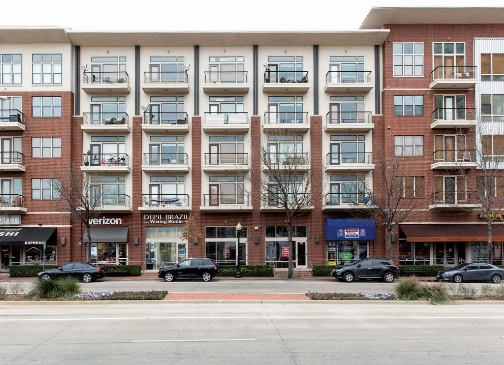
A condominium, commonly known as a condo, represents a form of individual ownership within a larger structure or development. Unlike apartments, which are typically rented, condos are properties that can be bought, owned, and eventually sold. The concept of condominium living has seen significant growth in the US since its introduction in the mid-20th century, becoming a popular choice for first-time homebuyers, individuals seeking to simplify their lives, or those looking to downsize from larger single-family homes.
At its core, condo ownership means you possess your individual unit outright. However, this ownership comes with a shared responsibility for common areas and amenities. These shared spaces can include everything from parking facilities, recreational rooms, rooftop decks, swimming pools, and fitness centers to landscaping and exterior building maintenance. This communal aspect is managed through a homeowners’ association (HOA) or condominium association, composed of elected unit owners.
Condo Fees: The Cost of Shared Amenities and Maintenance
The financial structure of condo living is largely defined by monthly condo fees. These fees, which can range from around $100 to upwards of several thousand dollars per month, are essentially your proportional contribution to the collective costs of managing and maintaining the entire condominium complex. According to industry professionals, these condo fees cover a broad spectrum of expenses, including professional landscaping, pool and gym maintenance, exterior repairs, building insurance, and contributions to a reserve fund. This reserve fund is crucial for addressing unforeseen major repairs or capital improvements, such as a new roof or elevator replacement, without necessitating immediate, significant outlays from individual owners.
It’s vital to understand what condo fees typically do not cover. Property taxes for your individual unit are usually a separate expense. When considering a condo purchase, inquiring about the estimated annual property taxes is essential for a comprehensive financial picture. Furthermore, beyond regular monthly fees, condo owners might encounter “special assessments.” These are one-time charges levied to cover costs that exceed the reserve fund. Such assessments often arise after unexpected large-scale repairs or improvements are needed. For example, if a significant portion of the building’s facade requires repair and the reserve fund is insufficient, a special assessment would be distributed among the owners.
Condominium Association Rules: Navigating Community Governance
A defining characteristic of condominium living is the presence of a governing body – the condominium association – which establishes and enforces a set of rules and regulations, often referred to as Covenants, Conditions, and Restrictions (CC&Rs). These CC&Rs are legally binding documents that all unit owners agree to abide by upon purchasing a condo. They can dictate a wide range of aspects of daily life within the community, from pet ownership (size, breed, and number limitations), noise levels, and interior design modifications to parking arrangements and even the age of residents in specific communities (e.g., age-restricted 55+ communities). Prospective condo buyers are strongly advised to thoroughly review these CC&Rs and understand the associated fees and regulations before committing to a purchase. This due diligence ensures alignment with your lifestyle and preferences.
The Apartment Lifestyle: Flexibility and Rental Simplicity
Apartments represent the most common form of rental housing in the United States. Unlike condos, apartments are not purchased; they are leased for a specified period. This rental model offers a distinct set of advantages, particularly for individuals who prioritize flexibility, lower upfront costs, and a hands-off approach to property maintenance.
Key Differences: Condo vs. Apartment Ownership and Maintenance
The fundamental divergence between a condo and an apartment lies in ownership. With an apartment, you are a tenant, paying rent to the property owner or landlord. The landlord retains ownership of the unit and the building, and consequently, bears the responsibility for most maintenance and repairs. If a faucet leaks, a light fixture malfunctions, or the heating system needs servicing, it is typically the landlord’s obligation to address these issues. This division of responsibility significantly simplifies daily living for renters, allowing them to focus on enjoying their living space without the direct burden of upkeep.
Rental Costs and Upfront Expenses
While apartments eliminate the need for a down payment and mortgage, they do involve upfront costs. These typically include the first and last month’s rent, a security deposit (often equivalent to one month’s rent), and potentially an application fee. Monthly rent payments, while predictable, do not contribute to building equity. This stands in stark contrast to homeownership, where mortgage payments, over time, build equity and ownership stake in the property.
The Townhouse Experience: Blending Single-Family Feel with Community Living
Townhouses occupy a unique niche in the housing market, offering a hybrid experience that combines elements of both single-family homes and attached condominium units. A townhouse is characterized by its multistory design, where individual units share one or more common walls with neighboring residences. However, critically, each townhouse unit typically possesses its own private entrance and often includes a small private yard or outdoor space.
Ownership and Responsibilities in Townhouses
A significant differentiator between townhouses and condos is the typical inclusion of land ownership. When you purchase a townhouse, you generally own not only the interior and exterior structure of your unit but also the land it occupies. This grants you greater autonomy and control over your property, allowing for more extensive customization and personal expression compared to a condo. However, this increased autonomy also comes with increased responsibility. Exterior maintenance, such as landscaping, roofing, and facade upkeep, often falls directly on the townhouse owner, although some townhouse communities may have an HOA that manages these aspects, similar to condos.
Townhouses: A Middle Ground for Space and Affordability
Townhouses are frequently sought after by those who desire the feel and privacy of a single-family home but are seeking a more accessible price point or a location in a desirable urban or suburban neighborhood. They can be an attractive option for families needing more space than a typical condo offers, or for individuals who appreciate having a private outdoor area for gardening, pets, or recreation, without the extensive land management associated with a detached single-family residence.
Making the Right Choice: Condo, Apartment, or Townhouse in 2025
The decision between a condo, an apartment, or a townhouse is deeply personal and hinges on individual priorities, financial situations, and lifestyle preferences. As we navigate 2025, understanding these key distinctions will empower you to make the most suitable choice.
Condo vs. Apartment: A Tale of Ownership vs. Renting
Choose an Apartment if:
Flexibility is paramount: You anticipate moving within a few years or are uncertain about your long-term plans in a particular area.
Low upfront costs are essential: You have limited funds for a down payment and closing costs associated with purchasing.
Maintenance-free living is a priority: You prefer not to deal with repairs, upkeep, or the management of property maintenance.
Budget predictability is key: You want a more straightforward monthly housing expense without the variables of property taxes and potential special assessments.
Choose a Condo if:
Homeownership is your goal: You want to build equity and establish a long-term investment in real estate.
You plan to stay long-term: You are committed to a location for at least several years.
You value community amenities: You appreciate access to shared facilities like pools, gyms, and common lounges.
You are willing to share responsibility: You are comfortable with HOA regulations and contributing to shared maintenance costs through condo fees.
A more hands-on approach to your living space is acceptable: You are prepared for interior maintenance and repairs.
Townhouse vs. Condo: Balancing Privacy, Space, and Autonomy

Choose a Condo if:
Convenience and low external maintenance are your top priorities.
You enjoy abundant shared amenities and a community-centric lifestyle.
You prefer a more compact living space.
Your focus is on interior living and access to communal facilities.
Choose a Townhouse if:
You desire more privacy and a greater sense of individual ownership.
You want more space, both indoors and a private outdoor area.
You value the freedom to customize and control your property to a greater extent.
You are comfortable with some level of exterior maintenance responsibility.
You are seeking a lifestyle that bridges the gap between apartment living and detached homeownership.
Navigating the Purchase of a Condominium
For many, the allure of buying a condo lies in its potential affordability compared to traditional single-family homes and the inherent convenience of shared amenities and reduced exterior upkeep. However, the process of purchasing a condo involves specific considerations beyond those of a standard home purchase.
Location and Unit Specifics: The Importance of the Immediate Environment
When evaluating a condo unit, it’s crucial to look beyond the four walls of the property itself. Given that you will be sharing walls, floors, and ceilings with neighbors, noise transference is a significant factor. Industry experts consistently advise prospective buyers to schedule viewings during times typically associated with higher noise levels, such as evenings or weekends, to gauge sound insulation. Engaging with current residents can provide invaluable insights into the general noise levels within the complex, including traffic sounds and the proximity of noisy neighbors. The strategic choice of unit can also mitigate noise concerns; end units, for instance, share fewer walls, and top-floor units eliminate overhead noise from neighbors. While these desirable units may command a higher price, the investment in peace and quiet can be well worth it for noise-sensitive individuals.
The Condo Board and Association: Understanding Governance and Finances
Purchasing a condominium means becoming an integral part of a community governed by an HOA. This involves adhering to the established CC&Rs, which cover a broad range of community living aspects. It is imperative to carefully review these documents during the mandated rescission period, understanding any potential penalties for non-compliance. As an expert emphasizes, once a buyer agrees to the association documents, they are legally bound by the board’s rules regarding parking, pets, and owner responsibilities for maintenance. If any of these regulations are incompatible with your lifestyle, the rescission period offers an opportunity to withdraw from the purchase, often with a full refund of earnest money.
Beyond the rules, a critical aspect of due diligence involves scrutinizing the financial health of the condominium association. Lenders will thoroughly review the association’s financial statements, as the collective ability of owners to pay their dues directly impacts the overall financial stability of the development. A financially sound association instills confidence in lenders and safeguards your investment.
Securing Condo Financing: A Lender’s Perspective
Obtaining a mortgage for a condominium can sometimes present more hurdles than securing financing for a detached single-family home. Lenders often conduct a more rigorous review of the entire condominium development, assessing its financial stability and the management practices of the HOA. This includes examining budgets, reserve fund levels, and any pending litigation or major upcoming repairs that could impact the financial well-being of the project. While this may seem like an added layer of complexity, it serves as an additional safeguard, ensuring that the property you are investing in is financially sound and well-managed.
In conclusion, whether you are drawn to the vibrant community of a condo, the straightforward flexibility of an apartment, or the spacious charm of a townhouse, the key to a successful housing transition lies in thorough research and a clear understanding of your personal needs. Explore your options, consult with real estate professionals, and envision your daily life in each potential scenario. Your ideal home awaits.