
Condo vs. Apartment vs. Townhouse: Navigating Your Housing Decision in 2025
As a seasoned real estate professional with a decade of experience, I’ve witnessed firsthand the myriad of choices prospective homeowners and renters face. Among the most common points of confusion are the distinctions between condominiums, apartments, and townhouses. While they might appear superficially similar, understanding their fundamental differences is paramount to making a sound housing decision that aligns with your lifestyle, financial goals, and long-term aspirations. In the dynamic U.S. housing market of 2025, where affordability and lifestyle considerations are at the forefront, clarifying these options is more crucial than ever. This guide will delve into the nuances of each, empowering you to confidently select the property type that truly fits your needs.

The core concept that often trips people up is ownership. This single determinant significantly influences everything from your responsibilities and freedoms to your financial trajectory. Let’s break down each category.
Unpacking the Condominium: Ownership, Fees, and Community Living
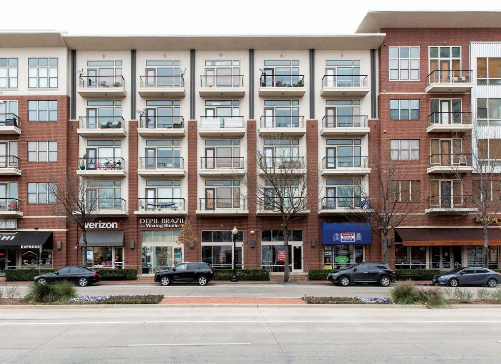
A condominium, or condo, represents a form of individual ownership within a larger multi-unit building or complex. Unlike a rental, when you purchase a condo, you own your specific unit outright. However, this ownership comes with a shared responsibility for the common areas and amenities. Think of it as owning a piece of a larger pie, where everyone contributing to the pie shares in its upkeep and benefits.
The concept of condominiums gained significant traction in the U.S. following its introduction in the mid-20th century. Today, it remains a popular choice, particularly for first-time homebuyers and those seeking a more manageable lifestyle without sacrificing the benefits of homeownership. The allure of a condo for sale often lies in its potential affordability compared to a detached single-family home and the convenience of shared maintenance.
Condominium Association Fees and Governance: A defining characteristic of condo living is the mandatory monthly condo fee (also referred to as homeowner association or HOA fees). These fees are essentially your proportional contribution towards the operational costs of the entire condominium complex. They cover a wide spectrum of expenses, including:
Maintenance of Common Areas: This encompasses everything from landscaping and snow removal to the upkeep of shared amenities like swimming pools, gyms, clubhouses, and elevators.
Utilities for Common Areas: Electricity for hallways, water for the pool, and gas for communal heating are often included.
Building Insurance: The association typically carries a master insurance policy for the entire structure, protecting against damage.
Reserve Funds: A portion of your condo fee goes into a reserve fund, specifically earmarked for future major repairs and capital expenditures, such as roof replacements, facade renovations, or infrastructure upgrades. This is a critical component for long-term financial stability.
Professional Management: In many cases, a property management company is hired to handle the day-to-day operations, from collecting fees to coordinating repairs.
The average monthly condo fee can vary significantly, typically ranging from a few hundred dollars to over a thousand, depending on the age, size, location, and the extent of amenities offered by the complex. High-end developments with extensive services like concierge, valet parking, and luxury spas will naturally command higher fees. It’s essential to scrutinize these fees thoroughly. As recent years have shown, especially in climate-vulnerable areas like Florida and California, unforeseen events can lead to increased costs, and your condo fees could see adjustments to cover these.
Special Assessments: An Important Consideration: Beyond regular condo fees, owners may encounter special assessments. These are one-time (or phased) charges levied when unexpected expenses arise that exceed the reserve fund. Common triggers for special assessments include emergency repairs to critical building systems (like a failing elevator or a damaged roof) or significant renovations mandated by building codes or insurance requirements. While undesirable, they are a reality of shared property ownership and demonstrate the importance of a well-managed and adequately funded reserve. Always inquire about the history and current status of special assessments when considering a condo purchase.
Condominium Rules and Regulations (CC&Rs): When you buy a condo, you are agreeing to abide by the covenants, conditions, and restrictions (CC&Rs) established by the condominium association. These legally binding documents outline the rules governing the community, designed to maintain property values and ensure harmonious living. CC&Rs can cover a broad range of aspects, including:
Pet Policies: Restrictions on the type, size, and number of pets.
Rental Restrictions: Limitations on how often you can rent out your unit or specific duration requirements.
Exterior Modifications: Prohibitions on altering the external appearance of your unit, such as changing paint colors or adding satellite dishes.
Age Restrictions: Some communities, particularly retirement condo communities, may have age minimums for long-term residents (e.g., 55 and older).
Noise Levels: Guidelines for maintaining acceptable noise levels to respect neighbors.
It is imperative to meticulously review the CC&Rs before signing a purchase agreement. If any rules conflict with your lifestyle or intentions, it’s crucial to address them during the rescission period. Understanding these regulations is vital for a smooth condo ownership experience.
The Apartment: Flexibility, Rental Convenience, and Landlord Responsibility
An apartment is fundamentally a rental unit within a building or complex where the property is owned by a single entity, typically a landlord or a management company. When you live in an apartment, you are entering into a lease agreement, granting you the right to occupy the space for a specified period in exchange for monthly rent.
The primary distinction between a condo and an apartment lies in ownership and responsibility. As an apartment renter, you do not own the property. This means you are not responsible for major repairs or maintenance of the building or the unit itself. If the plumbing fails, the appliance breaks, or the roof leaks, your landlord or property manager is obligated to address these issues. This hands-off approach to property upkeep is a major draw for many individuals and families.
Apartment Living Advantages:
Flexibility: Apartments offer unparalleled flexibility. Lease terms are typically one year, making it easier to relocate for job opportunities, personal reasons, or simply to experience a new neighborhood without the complexities of selling a property. This is a significant advantage for those who are uncertain about their long-term plans or enjoy variety.
Lower Upfront Costs: While security deposits and first/last month’s rent are common, the initial financial outlay for an apartment is generally far less than that required for a down payment and closing costs associated with buying a condo or townhouse.
Predictable Monthly Expenses: Your rent payment is usually a fixed amount for the lease term, making budgeting more straightforward. While utilities might fluctuate, the core housing cost remains consistent.
Maintenance-Free Lifestyle: As mentioned, the burden of repairs and external upkeep falls on the landlord. This allows renters to focus on their lives without the stress of unexpected maintenance emergencies.
Apartment Drawbacks:
No Equity Building: The most significant disadvantage of apartment living is that you are not building any home equity. Every rent payment goes to your landlord, and you do not gain any ownership stake in the property.
Limited Customization: Renters typically have very little freedom to make permanent changes to their living space. Painting walls a different color, undertaking renovations, or making significant decorative alterations usually requires explicit landlord permission, which is often denied.
Rent Increases: At the end of your lease term, your landlord can increase the rent, which can impact your long-term affordability.
The Townhouse: The Best of Both Worlds?
A townhouse occupies a unique middle ground, often blending characteristics of both condominiums and single-family homes. A townhouse is a multi-story dwelling that typically shares one or more vertical walls with adjacent units. However, unlike many condos, townhouses often come with individual ownership of the land directly beneath the unit and a small private outdoor space, such as a patio or a small yard.
Townhouse Ownership and Responsibilities: When you purchase a townhouse, you generally own the structure itself, including the interior and exterior, as well as the land it sits on. This ownership grants you greater autonomy and the freedom to make modifications to your property, subject to local zoning laws and potentially an HOA. However, this ownership also entails a higher degree of personal responsibility. You are typically responsible for:
Exterior Maintenance: This includes the roof, siding, windows, and any private yard maintenance.
Interior Repairs: All internal upkeep and repairs are your responsibility, similar to owning a single-family home.
Townhouse Associations: Many townhouse communities operate under a Homeowners Association (HOA), similar to condos. These HOAs collect dues to manage shared amenities (if any, such as a community pool or playground), maintain common grounds (like shared driveways or landscaped areas), and enforce community rules. The scope of these HOAs can vary, so it’s crucial to understand what is covered by the townhouse HOA fees and what falls under your individual responsibility.
Townhouse Appeal: Townhouses are a popular choice for individuals and families seeking:
More Space and Privacy: They often offer more square footage than typical condos and the separation of multiple stories can provide a greater sense of privacy.
Private Outdoor Space: The inclusion of a small yard or patio is a significant advantage for pet owners, gardeners, or those who simply enjoy outdoor living.
A Houselike Feel: The multi-level structure and private entrance contribute to a feel more akin to a single-family home, often at a more accessible price point.
Convenient Locations: Townhouses are frequently found in desirable urban and suburban areas, offering proximity to amenities, transportation, and employment centers.
Condo vs. Apartment vs. Townhouse: Which is Your Perfect Fit?
Deciding between these three housing types hinges on a careful evaluation of your current circumstances and future aspirations. Here’s a breakdown to help guide your selection:
Choose a Condo If:
You Prioritize Convenience and Low Maintenance: You want to enjoy homeownership without the burden of exterior upkeep, landscaping, or major repairs.
You Value Amenities: Access to shared facilities like swimming pools, fitness centers, and community rooms is a significant draw.
You Are a First-Time Homebuyer or Downsizing: Condos can offer a more attainable entry point into the real estate market.
You Seek a Community-Oriented Lifestyle: You appreciate living in close proximity to neighbors and the social opportunities that shared spaces can provide.
You Plan to Stay in the Area for Several Years: While you can rent out a condo, the financial benefits are most pronounced when you benefit from property appreciation over time.
Choose an Apartment If:
Flexibility is Your Top Priority: You anticipate needing to relocate in the short to medium term or simply enjoy the freedom of not being tied down.
You Have Limited Savings for a Down Payment: The lower upfront costs of renting make it more accessible for many.
You Prefer a Hands-Off Approach to Maintenance: You want to avoid the responsibilities and potential costs associated with property repairs.
You Want Predictable Monthly Housing Expenses: Rent offers a degree of stability in your monthly budget.
Choose a Townhouse If:
You Desire More Space and Privacy than a Condo: You appreciate multiple levels and a greater separation from your neighbors.
You Want Private Outdoor Space: A patio or small yard is important for your lifestyle.
You Want the Feel of a Single-Family Home without the Full Cost: Townhouses offer many of the benefits of detached homes at a potentially lower price point.
You Are Prepared for More Personal Responsibility: You are willing to handle exterior maintenance and a greater portion of repairs.
You Are a Growing Family or a Pet Owner: The extra space and outdoor access are particularly beneficial.
Navigating the Purchase Process for Condos and Townhouses
For those leaning towards buying a condo or townhouse for sale, the process involves additional layers of due diligence compared to a standard single-family home purchase.
Key Considerations for Buying:
Location and Unit Assessment: As with any property, location is paramount. Pay close attention to the neighborhood, proximity to amenities, and transportation. Critically, when considering condos or townhouses, be mindful of noise transference. Schedule viewings during peak activity times to assess sound insulation between units. End units often offer more peace by sharing fewer walls.
Thoroughly Review Association Documents: This cannot be stressed enough. Obtain and meticulously read the CC&Rs, bylaws, financial statements, and minutes of recent board meetings for any condominium or townhouse association. Understand the rules, fee structure, reserve fund status, and any pending litigation or assessments. Your real estate agent should guide you through this process, and consulting with a real estate attorney experienced in HOA matters is highly recommended.
Financial Health of the Association: Lenders will scrutinize the financial stability of the condo association before approving a mortgage. A well-funded association with a healthy reserve fund and a history of responsible management is crucial. Significant delinquency rates among owners or a history of frequent special assessments can make securing financing more challenging.
Financing Your Purchase: Securing a mortgage for a condo can sometimes be more complex than for a single-family home. Lenders assess the financial health and management practices of the entire development, not just the individual unit. This extra layer of scrutiny is designed to protect your investment and the lender’s capital.
Making the Right Choice for Your Future
Your housing decision is a significant one, impacting your finances, lifestyle, and overall well-being. Whether you’re drawn to the communal benefits and low maintenance of a condo, the flexible and often more affordable rental market of apartments, or the balanced autonomy and space of a townhouse, understanding these distinctions is the first and most critical step.
In today’s evolving housing landscape, exploring your options thoroughly ensures that your next move is not just a transaction, but a strategic decision that paves the way for your future.
Ready to explore your options further? Connect with a local real estate professional today to discuss your specific needs and discover the perfect property type that aligns with your vision for homeownership or rental living in your desired market.