
The American Dream Realized: Why Owning Your Home is a Smarter Investment Than Renting
For decades, the concept of homeownership has been deeply woven into the fabric of the American identity. It’s more than just a physical structure; it’s a profound symbol of achievement, stability, and personal freedom. While the allure of renting might offer short-term flexibility, the long-term financial and emotional benefits of owning your home are, in my experience over the last ten years in the real estate sector, undeniably superior. This isn’t just about bricks and mortar; it’s about building a legacy, securing your future, and embracing the true essence of the American Dream.
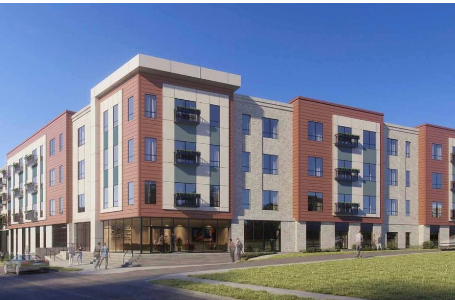
The decision to buy a home versus continuing to rent an apartment or house is one of the most significant financial choices an individual or family will make. It’s a complex equation, often debated, with valid points on both sides. However, when you meticulously analyze the quantitative and qualitative advantages, the scales tip heavily in favor of home ownership. Let’s delve into why, with a decade of navigating this market, I firmly believe that investing in your own property is the path to greater wealth and security.
Beyond the Monthly Check: The Unseen Advantages of Homeownership
The immediate financial outlay of a down payment and mortgage may seem daunting, especially when compared to the seemingly simpler monthly rent payment. Yet, this overlooks the substantial equity you build with every mortgage payment. Rent, on the other hand, is a perpetual expense that never contributes to your personal wealth. My professional insights, gained from countless client consultations and market analyses, consistently reveal that the long-term financial trajectory of homeowners far outpaces that of renters.
Let’s break down the compelling reasons why securing a mortgage for a house and becoming a homeowner is a more advantageous strategy than signing another lease.
Freedom from Landlord Dependencies and Control
One of the most immediate and tangible benefits of owning your home is the complete liberation from landlord-related stresses. When you rent, you are inherently dependent on another party for essential services and repairs. A leaky faucet, a malfunctioning HVAC system, or even a desire to paint your walls a different color can become a negotiation, a waiting game, or even an outright refusal from your landlord. This constant reliance can be a significant source of frustration and can impede your ability to personalize and maintain your living space to your standards.
As a homeowner, you are the ultimate decision-maker. You have the autonomy to make immediate repairs, undertake renovations, and customize your home to reflect your personal style and needs. This sense of control extends to your peace of mind. You don’t have to worry about unexpected rent hikes or the landlord deciding not to renew your lease, forcing you into a stressful and potentially costly move. This level of autonomy is invaluable and contributes significantly to a feeling of stability and well-being. For those seeking a sense of permanence in a dynamic housing market, particularly in bustling metropolises like New York City real estate or affordable options in Dallas housing, owning provides that solid foundation.
The Unshakeable Pillar of Emotional Security
Beyond the financial aspects, a home represents an emotional sanctuary. It’s the place where you and your family can truly unwind, recharge, and be yourselves. The feeling of returning to your own space after a demanding day, knowing it’s yours to inhabit and cherish, is profoundly comforting. This sense of belonging and security is difficult to replicate when you are perpetually a tenant.
For families, owning a home means providing children with a stable environment, a place they can grow up in, form memories, and establish roots. This emotional security is a critical component of overall well-being and plays a vital role in creating a strong familial bond. It’s the intangible value that far surpasses any monetary consideration – a place you can truly call your own. This feeling of deep-seated security is a primary driver for many seeking to buy a house in Houston or find starter homes in Phoenix.
Eradicating Uncertainty and Embracing Stability
Renting inherently involves a degree of uncertainty. Lease agreements have expiration dates, and there’s always the possibility of a landlord deciding to sell the property, increase the rent significantly, or simply not renew your lease. This can lead to a constant underlying anxiety about where you’ll live in the near future, especially if you’re in a competitive rental market. The annual ritual of lease renewals and rent renegotiations can be tiresome and unpredictable.
Owning a home eliminates this pervasive uncertainty. Once your mortgage is secured, your monthly payment, while subject to interest rate fluctuations if you have an adjustable-rate mortgage, remains largely predictable. More importantly, you control the duration of your occupancy. This stability allows you to plan for the long term, invest in your community, and avoid the disruption and expense associated with frequent moves. This certainty is particularly appealing to those looking for investment properties or seeking to buy a condo in Miami for a more predictable lifestyle.
Uncompromising Living: Designing Your Ideal Space
When you rent, compromises are often unavoidable. Budgetary constraints or landlord restrictions might force you to settle for a location that isn’t ideal, a size that’s too small, or amenities that fall short of your expectations. You might dream of a larger kitchen, a backyard for your pets, or a home office, but these desires often remain just that – dreams – when renting.
As a homeowner, you have the power to choose a property that precisely aligns with your needs and desires. You can select the perfect neighborhood, the right square footage, and the amenities that truly enhance your lifestyle. Furthermore, you have the freedom to renovate and decorate as you see fit, transforming a house into a home that perfectly reflects your personality and tastes. This ability to live without compromise is a significant quality-of-life improvement. This is crucial for individuals looking for luxury homes for sale or specific features in areas like San Francisco real estate.
Accessible Financing: Your Dream Home Within Reach
The landscape of home financing has evolved dramatically, making homeownership more accessible than ever before. Gone are the days when accumulating a substantial fortune was the sole prerequisite for buying a home. Today, with a variety of mortgage options, including FHA loans, VA loans, and conventional mortgages with competitive interest rates, aspiring homeowners can secure the financing they need to purchase their dream property.
Many individuals can now achieve homeownership in their 20s and 30s, rather than waiting until later in life. The key lies in responsible financial planning, a good credit score, and judiciously selecting a mortgage lender who offers flexible repayment terms that align with your income trajectory. This accessibility democratizes the path to ownership, empowering a wider range of individuals to invest in their future. For many, securing first-time home buyer programs is the gateway to achieving this.
The Lucrative Advantage of Tax Benefits
One of the most significant financial incentives of buying a house is the opportunity to benefit from substantial tax deductions. Homeowners can typically deduct the mortgage interest paid on their loan, as well as property taxes, from their taxable income. These deductions can significantly reduce your overall tax liability, effectively lowering the net cost of homeownership.
When you rent, the rent you pay is simply an expense. There are no tax advantages associated with it. Moreover, the large security deposits often required by landlords represent capital that is tied up and earns no return. Homeownership, conversely, transforms a significant expense into a wealth-building opportunity, amplified by these crucial tax benefits. This makes mortgage tax deductions a powerful tool in the homeowner’s financial arsenal.
Building Tangible Equity: Your Investment Grows
Every mortgage payment you make is not just paying down debt; it’s actively building equity in your home. Equity represents the portion of your home’s value that you truly own. As you pay down your mortgage principal, your ownership stake increases. Over time, this equity can become a significant financial asset, providing a cushion for future financial needs or acting as a down payment for a larger property.
Renting, conversely, offers no such benefit. Your monthly rent payments vanish into the landlord’s pocket, contributing nothing to your personal net worth. It’s akin to paying for a service that provides temporary shelter but no lasting financial gain. Owning a home transforms your housing expenditure into a consistent investment in your future financial security. This is why many focus on building home equity as a primary financial goal.
Home as a Strategic Investment: Wealth Appreciation Over Time
Beyond the immediate financial benefits, a home is a powerful long-term investment. Historically, real estate values have appreciated over time, particularly in desirable locations. While market fluctuations are inevitable, the long-term trend for well-chosen properties has been upward. By buying a home, you are investing in an asset that has the potential to grow in value significantly over the years, enhancing your overall wealth.
Furthermore, owning a home provides a sense of permanency and belonging in a community. This stability can lead to greater civic engagement and a stronger sense of place. Delaying the purchase of a home means not only continuing to pay rent but also missing out on potential appreciation and the opportunity to leverage your investment sooner. The earlier you buy, the more time your investment has to grow. This is a critical consideration for anyone looking at real estate investment strategies or considering property appreciation rates.
Societal Recognition and Personal Accomplishment
While not strictly a financial benefit, the social and psychological impact of homeownership is undeniable. In many cultures, and particularly within the American ethos, owning a home is widely regarded as a significant milestone, a symbol of success, responsibility, and stability. It signifies a level of accomplishment and independence that resonates deeply within society.
This recognition can boost self-esteem and provide a profound sense of pride. It’s a tangible representation of hard work and dedication, a testament to achieving a significant life goal. For many, this aspect of ownership is as important as the financial gains, contributing to a holistic sense of well-being and fulfillment. This is why many families actively seek homes for sale in their dream neighborhoods to solidify their place in the community.
The Quantitative Case: Rent vs. Buy – A Financial Breakdown
To truly illustrate the financial power of homeownership, let’s examine a hypothetical, yet realistic, scenario. Consider an individual, let’s call him Alex, who is 25 years old and just starting his stable career. He has two distinct paths forward regarding his housing situation.
Scenario 1: The Renter’s Path

Alex decides to rent an apartment. Let’s assume the initial value of a comparable home he might consider buying is $400,000. His annual rent in the first year is approximately 3% of this value, equating to $12,000. Rent prices tend to increase annually, often at a rate higher than general inflation, let’s estimate a 10% annual increase due to market demand and lease renewals.
Over 25 years, Alex will pay a substantial amount in rent. Accounting for annual increases, the total rent paid by age 50 could easily approach $1.2 million. In this scenario, any savings Alex might have, such as a down payment he would have used for a purchase or funds he would have allocated for mortgage payments, are invested in a savings account earning a conservative 8% annual interest. By age 50, these savings could grow to approximately $3.1 million. His net wealth at age 50 would be his accumulated savings minus the total rent paid: $3.1 million – $1.2 million = $1.9 million.
Scenario 2: The Homeowner’s Path
Now, let’s consider Alex purchasing a home at age 25. He makes a down payment of $80,000 (20% of $400,000) and takes out a mortgage for $320,000. Let’s assume a mortgage interest rate of 9% over 25 years. His estimated monthly mortgage payment (Principal & Interest) would be around $2,517, totaling approximately $30,204 annually.
Over 25 years, his total mortgage payments will amount to approximately $755,100. His initial down payment of $80,000, also invested at 8% annually, would grow to roughly $545,900 by age 50. The total cost of his home by age 50, including down payment and mortgage payments, would be around $1.3 million.
Crucially, we must consider the appreciation of the home. Assuming a conservative annual property appreciation rate of 10% (typical in many robust markets, though historical averages are often lower, this illustrates the potential), his $400,000 home would be worth approximately $4.3 million by age 50.
His net wealth at age 50 would be the home’s appreciated value minus the total cost of the home: $4.3 million – $1.3 million = $3 million.
The difference is striking: Alex, as a homeowner, is potentially over $1 million wealthier than his renting counterpart. This calculation doesn’t even factor in the additional tax benefits homeowners receive, which would further widen this wealth gap. This stark quantitative analysis clearly demonstrates that buying a home is not just an expense, but a strategic financial move.
The Verdict: Embrace Homeownership for a Brighter Financial Future
The decision to buy or rent is no longer a mere preference; it’s a critical financial strategy. With the current landscape of increased income levels, readily available and innovative mortgage loan options, and significant tax incentives, the proposition of homeownership has never been more attractive. Owning a home is a pathway to building wealth, securing your family’s future, and truly realizing the American Dream.
If you’re contemplating your next housing decision, consider the long-term implications. Don’t let short-term rental convenience blind you to the profound financial and emotional rewards of owning your own piece of America. Explore the possibilities, understand your financing options, and take the first step towards becoming a homeowner. Your future self will thank you.
Ready to explore your homeownership journey? Connect with a trusted real estate professional today to discuss your options and find the perfect property that aligns with your financial goals and lifestyle aspirations.