


The Great American Dream: Villa or Apartment – Your 2025 Homebuying Decoded
So, you’ve decided it’s time to plant roots, to invest in a place you can truly call your own. Welcome to the exciting, sometimes overwhelming, world of homeownership in 2025! As you stand at the threshold of this significant life decision, one of the most fundamental questions you’ll grapple with is: Should I buy a standalone villa or an apartment? It’s a classic American dilemma, a choice that shapes not just your living space, but your entire lifestyle, financial outlook, and future.

Forget the simplistic comparison charts of yesteryear. Today’s real estate market offers a nuanced landscape where “villa” and “apartment” encompass a broad spectrum of properties, each with its unique blend of pros and cons. We’re not just talking about square footage anymore; we’re delving into community dynamics, technological integration, sustainability, and how these choices align with your personal vision for the future. As an expert who’s navigated these waters for a decade, I’m here to guide you through the intricate considerations of buying a home, ensuring your decision is informed, strategic, and ultimately, leads you to your perfect sanctuary.
Let’s break down the realities of each option in today’s evolving market.
Defining Your Space: Beyond the Square Footage
When we talk about space, we’re not just counting rooms. We’re envisioning the flow of daily life, the potential for growth, and the boundaries of your personal world.
The Villa: A Kingdom of Your Own
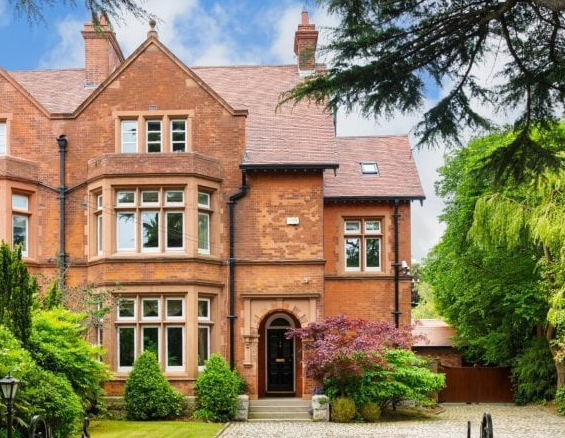
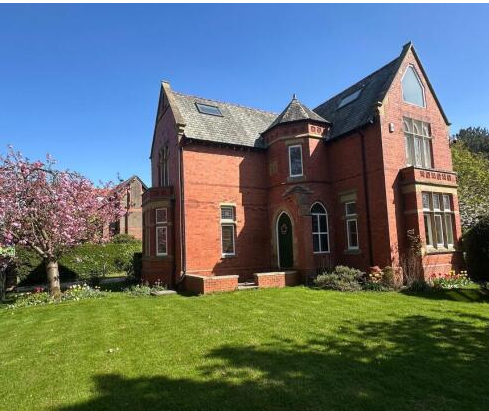
Imagine a home where every wall, every yard, every roofline is unequivocally yours. This is the promise of a villa, often referred to simply as a “house” or “single-family home” in the US. In 2025, villas continue to represent the pinnacle of independent living. They typically boast more expansive living areas, often spanning multiple stories, offering ample room for a growing family, dedicated home offices (a non-negotiable for many post-pandemic), and specialized spaces like media rooms, home gyms, or even a personal art studio.
Crucially, villas come with private outdoor spaces – a backyard for barbecues, a front lawn for curb appeal, or a sprawling garden for the green-thumbed enthusiast. This outdoor dominion offers unparalleled privacy, allowing you to create your own oasis. Think about hosting summer gatherings, letting pets roam freely, or simply enjoying a quiet morning coffee on your patio, undisturbed. For families with children, a private yard means a safe, accessible play area right outside their door. For those seeking spacious family homes, the villa often feels like the natural choice.
However, this expansive freedom comes with a trade-off: maintenance. That lush lawn won’t mow itself, the roof won’t repair itself, and the HVAC system will eventually need attention. We’ll dive deeper into maintenance costs, but it’s a significant part of the villa ownership equation.
The Apartment: Compact Comfort, Urban Edge
Apartments, from chic studios to sprawling penthouses, offer a different interpretation of space. They are inherently more compact, designed for efficiency and streamlined living. This isn’t a drawback for many; it’s a deliberate choice. For urban dwellers, young professionals, empty nesters, or anyone prioritizing location and convenience over sheer volume, an apartment is often the ideal solution.
In 2025, apartment designs are increasingly clever, incorporating smart storage solutions, multi-functional rooms, and open-concept layouts that maximize perceived space. While private outdoor areas might be limited to a balcony or a small patio, many modern apartment complexes offer beautifully designed shared green spaces, rooftop decks, and communal gardens that provide a connection to the outdoors without the individual upkeep.
The allure of an apartment lies in its low-maintenance lifestyle. You’re generally not responsible for exterior repairs, landscaping, or the upkeep of common areas. This frees up precious time and energy, allowing you to focus on career, hobbies, or simply enjoying the vibrant life outside your door. For those craving urban living with less household responsibility, an apartment checks many boxes.
Amenities: Luxury vs. Community
The amenities associated with your home significantly influence your daily experience and contribute to the overall value proposition. Here, villas and apartments diverge quite distinctly.
Villa Amenities: Personal Indulgence and Customization
With a villa, the amenities are often an extension of your personal vision. Want a private swimming pool? Go for it. Dream of a dedicated home theater? Build it. The luxury of a villa is the ability to customize and install exclusive perks that cater precisely to your desires. This could include a sophisticated smart home system integrated throughout, a chef’s kitchen, a sprawling multi-car garage, or even a separate guest house.
The downside, of course, is that you bear the full cost of installation, maintenance, and insurance for these private luxuries. A private pool, while magnificent, requires regular cleaning, chemical balancing, and winterization – expenses and efforts solely on your shoulders. Yet, for those who value ultimate privacy and the freedom to create their bespoke luxury home options, the villa provides an unmatched canvas.
Apartment Amenities: Shared Splendor, Community Connection
Modern apartment complexes, especially in prime urban locations, have redefined “amenities.” They’ve evolved into self-contained communities offering an impressive array of shared facilities designed to enhance quality of life and foster social interaction. Think state-of-the-art fitness centers with personal trainers, resort-style swimming pools, rooftop lounges with panoramic city views, co-working spaces equipped with high-speed internet, and even pet spas or dog parks.
Many apartment buildings in 2025 boast concierge services, package delivery systems, secure controlled access, and robust community event calendars, ranging from wine tastings to yoga classes. These shared amenities offer access to luxuries that would be prohibitively expensive or space-consuming for a single homeowner. You get the benefit of a high-end gym without the individual membership fee, or a glamorous party space without the cleaning aftermath. This fosters a strong sense of community living advantages, making apartments particularly attractive to those who thrive on social connection and shared experiences.
The trade-off? You share these facilities with other residents, and their availability might be subject to reservation systems or peak-hour crowding. Moreover, the cost of maintaining these shared amenities is factored into your monthly Homeowners Association (HOA) fees.
Location, Location, Location: Urban Pulse vs. Suburban Serenity
Where you choose to live dictates your commute, your access to services, your social life, and even your sense of identity. This is where the villa vs. apartment debate often finds its sharpest contrast.
Villas: The Call of the Suburbs and Beyond
Villas are predominantly found in suburban and exurban areas, offering a reprieve from the hustle and bustle of city life. These locations often boast larger lot sizes, quieter streets, and a more family-oriented atmosphere. For many, suburban homes mean better school districts, more green space, and a stronger sense of neighborhood community defined by block parties and local events.
While a longer commute might be a factor for those working in the city, the rise of hybrid and remote work models in 2025 has significantly shifted priorities. Proximity to nature, parks, and trails has become increasingly important. Villa locations often offer easier access to outdoor recreational activities, and for some, the slower pace of life is a welcome trade-off for city amenities. However, public transportation options can be limited, making personal vehicle ownership almost a necessity.
Apartments: The Heartbeat of the City
Apartments are typically concentrated in prime urban and downtown areas. This grants residents unparalleled access to a city’s vibrant energy: world-class restaurants, cultural institutions, entertainment venues, major employment hubs, and diverse shopping districts. For those who thrive on constant stimulation and convenience, the apartment’s location is its greatest asset.
Walkability scores are often high, and public transportation networks (subways, buses, ride-shares) are readily available, potentially reducing the need for a personal vehicle. Living in an apartment means you’re often just steps away from your favorite coffee shop, a spontaneous night out, or your workplace. This prime location property is a key draw for many, symbolizing a dynamic, connected lifestyle. However, this convenience often comes with higher property values, potentially smaller living spaces, and sometimes more noise and congestion. The choice between urban living vs suburban homes is a profound one that shapes your daily rhythm.
Budgeting Wisely: Beyond the Sticker Price
The financial implications of your choice extend far beyond the initial purchase price. Understanding the full cost of ownership is crucial for a sound investment.
Villas: Significant Investment, Diverse Costs
Villas generally represent a larger initial investment due to their larger land footprint and structural size. The price per square foot might sometimes appear lower than a luxury apartment in a prime location, but the overall ticket price is often higher. Beyond the mortgage, villa owners face a range of ongoing expenses:
Property Taxes: These can be substantial, varying widely by state, county, and municipality. It’s essential to research current and projected tax rates for any potential property.
Homeowner’s Insurance: Protects against damage, theft, and liability. Costs fluctuate based on location, property value, and specific risks (e.g., flood zones, hurricane areas).
Maintenance & Repairs: This is the big one. As a villa owner, you are responsible for everything: roof, foundation, HVAC, plumbing, electrical, landscaping, appliance repairs, pest control, and general upkeep. Budgeting 1-3% of your home’s value annually for maintenance is a common rule of thumb, but major repairs can easily exceed this.
Utilities: Heating, cooling, electricity, water, gas, internet – these costs tend to be higher for larger, standalone homes.
Potential HOA Fees: Some villas, especially in planned communities or gated neighborhoods, still have HOA fees that cover common area landscaping, security, or shared recreational facilities. These are typically lower than apartment HOAs.
Despite the higher upfront and ongoing costs, villas often offer strong property ownership benefits and potential for appreciation, particularly in desirable areas with good school districts and robust local economies. For many, the ability to build equity in a tangible asset that you fully control is a cornerstone of long-term financial planning and a solid real estate investment tip.
Apartments: Predictable Expenses, Streamlined Living
Apartments generally offer a more budget-friendly entry point into homeownership, especially in highly sought-after urban centers where standalone homes are scarce and prohibitively expensive. The purchase price can be lower, making them attractive to first-time home buyers guide often recommend exploring..
The financial structure for apartment ownership is distinct:
Purchase Price: Often more accessible than a villa, especially when considering equivalent locations.
Mortgage: Similar to a villa, but often for a lower principal. Current mortgage rates 2025 should be carefully monitored.
Homeowners Association (HOA) Fees: This is the primary ongoing cost after your mortgage. HOA fees cover the maintenance of common areas (halls, lobbies, gyms, pools), exterior building maintenance (roof, facade), landscaping, communal utilities, building insurance, and often a reserve fund for future major repairs. These fees can range from a few hundred to over a thousand dollars per month, depending on the building’s age, size, amenities, and location. It’s crucial to review the HOA’s financial health and budget carefully.
Property Taxes: Paid by the individual owner, just like a villa.
Utilities: Generally lower than a villa due to smaller space and shared walls providing insulation. Some HOAs might even include water or gas in their fees.
Homeowner’s Insurance (HO-6 Policy): This is typically less expensive than villa insurance, as it primarily covers the interior of your unit and personal belongings, while the building’s main structure is covered by the HOA’s master policy.
The predictability of apartment expenses, with the HOA covering many maintenance headaches, is a huge draw for those seeking a low maintenance home. While HOA fees are an ongoing cost, they eliminate many of the surprise big-ticket repairs that villa owners face. This can be a significant advantage for financial planning.
The Lifestyle Lens: Who Are These Homes For?
Beyond the numbers and features, your choice should fundamentally align with your desired lifestyle.
The Villa Lifestyle: Independence and Deep Roots
Choosing a villa often signifies a desire for independence, privacy, and the freedom to cultivate a truly personalized living environment. It’s for those who relish the idea of a quiet street, a private yard for pets or children to play, and the ability to customize their home without external approval (within local zoning laws, of course). Villa owners often enjoy gardening, DIY projects, and the peace of mind that comes from having no shared walls.
This lifestyle caters to families seeking space to grow, individuals desiring a quiet retreat, or anyone who values a strong sense of autonomy over their property. It’s about deep roots, long-term stability, and creating a family legacy.
The Apartment Lifestyle: Convenience, Community, and Connection
The apartment lifestyle is tailored for those who prioritize convenience, accessibility, and a vibrant community experience. It’s ideal for individuals or couples who want to be at the center of urban activity, close to work, entertainment, and public transit. For many, the allure is the “lock and leave” ease – the ability to travel without worrying about lawn care or security, knowing the HOA handles the exterior.
This lifestyle often appeals to young professionals, digital nomads, empty nesters looking to downsize and simplify, or anyone who thrives on social interaction and a less burdensome approach to home maintenance. It’s about leveraging shared amenities, engaging with a diverse community, and immersing yourself in the pulse of city life.
Maintenance, Upkeep, and Your Time Investment
This is perhaps the most overlooked, yet critical, aspect of the villa vs. apartment debate. Your time is a valuable commodity, and how much of it you’re willing to dedicate to home upkeep should heavily influence your decision.
Villas: The Responsibility of Ownership
When you own a villa, you are the CEO of your property’s maintenance. From the moment you close, every leaky faucet, every broken window, every fading paint chip, and every overgrown bush becomes your responsibility. This isn’t just about financial cost; it’s about time, effort, and often, the stress of coordinating repairs.
Expect to spend weekends on yard work, researching contractors for major repairs, and performing regular preventative maintenance. While some homeowners relish these tasks, seeing them as fulfilling projects, others find them burdensome. For those with demanding careers, frequent travel, or simply a preference for leisure, the constant demands of villa maintenance can quickly become overwhelming. This is a significant consideration for your long-term satisfaction.
Apartments: The Ease of Shared Responsibility
With an apartment, the bulk of external and common area maintenance is handled by the HOA. This means you don’t worry about roof leaks (unless it’s directly your unit’s internal plumbing), exterior painting, landscaping, or cleaning the shared gym. Your responsibilities are generally limited to the interior of your unit: appliance repairs, internal plumbing, minor cosmetic updates, and keeping your personal space tidy.
This significantly reduces your time commitment to home upkeep, offering a true low maintenance home experience. While you pay for this convenience through HOA fees, it frees up your time for other pursuits. For busy professionals, those with limited mobility, or anyone who simply prefers to outsource these tasks, the apartment’s streamlined maintenance is a compelling advantage.
Future-Proofing Your Home Choice in 2025
The real estate market is dynamic. Considering long-term trends and potential for growth is a smart move for any homebuyer.
Villa: Long-Term Growth and Adaptability
Historically, villas have often seen strong home appreciation trends, particularly in desirable suburban markets. The land component of a villa often contributes significantly to its long-term value. Furthermore, a villa offers greater flexibility for future modifications and expansions to adapt to changing life stages – adding an extra bedroom, building an in-law suite, or enhancing sustainable living choices with solar panels or advanced insulation. This adaptability can be a major factor for families anticipating growth or those planning to age in place.
Apartment: Urban Rejuvenation and Investment Potential
Apartments in prime location properties within revitalized urban centers can also offer excellent real estate investment tips and appreciation potential. As cities continue to densify and attract businesses and talent, demand for urban living spaces remains high. Newer developments often incorporate cutting-edge smart home features and energy-efficient designs, appealing to modern buyers. The increasing focus on walkable communities and public transit in 2025 further strengthens the value proposition of well-located apartments. Resale value can be robust, especially for units in buildings with desirable amenities and a well-managed HOA.
Making the Decision: Your Personal Blueprint
Ultimately, the choice between a villa and an apartment isn’t about one being inherently “better” than the other. It’s about which option provides the best fit for your unique circumstances, aspirations, and financial comfort level in 2025.
Ask yourself these critical questions:
How much space do I truly need? For myself, my family, my pets, my hobbies, my work?
What kind of outdoor experience do I crave? A private garden to cultivate, or a shared rooftop deck with city views?
What level of privacy do I value most? Complete autonomy, or a sense of community?
What kind of amenities enhance my lifestyle? Exclusive, custom features, or shared, luxurious facilities?
Where do I want to be located? The quiet comfort of the suburbs, or the vibrant energy of the city center?
How much time and effort am I willing to dedicate to home maintenance? Do I embrace DIY, or prefer a “lock and leave” lifestyle?
What does my budget truly allow for? Considering not just the purchase price, but ongoing property taxes, insurance, utilities, and either maintenance costs or HOA fees.
What are my long-term goals? Family growth, investment, simplifying life, a blend of work and leisure?
The American dream of homeownership is evolving, becoming more diverse and tailored to individual needs. Whether you envision yourself enjoying the expansive elegance and personal freedom of a villa, or the practical convenience and vibrant community of a modern apartment, the market in 2025 offers compelling choices. Take your time, weigh your options, consult with trusted real estate professionals, and embark on this exciting journey with confidence. Happy home hunting – your dream home awaits!