


The Great Debate of 2025: Villa or Apartment? Decoding Your Dream Home
Welcome to the exciting, and often complex, journey of homeownership in 2025. As the real estate market continues its dynamic evolution, prospective buyers face a myriad of choices, none more fundamental than the enduring question: should I invest in a villa or an apartment? This isn’t just about choosing a dwelling; it’s about selecting a lifestyle, a financial strategy, and the very foundation of your future. With a decade of navigating property landscapes, I’ve seen firsthand how this pivotal decision shapes futures. Let’s embark on a comprehensive analysis, dissecting every facet to help you pinpoint the perfect fit for your aspirations.
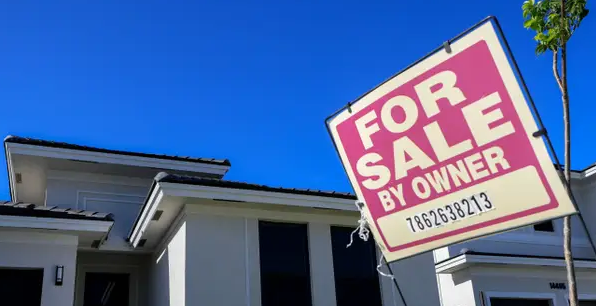
The distinction between a villa and an apartment, while seemingly straightforward, carries significant implications for your daily life, long-term financial health, and personal well-being. In the US context, when we discuss “apartment ownership,” we are typically referring to a condominium (condo), which is an individually owned unit within a larger building or complex, often sharing common areas and amenities. A villa, on the other hand, generally implies a detached single-family home, often larger and set on its own plot of land, though it can sometimes be part of a planned community with shared facilities. For the purpose of this discussion, we’ll delve into the ownership aspects of both.
Unpacking the Space Equation: More Than Just Square Footage
The most immediate difference between a villa and an apartment (condo) is the sheer volume of space. But this goes far beyond simple square footage; it encompasses layout, privacy, outdoor access, and the responsibilities that come with each.
The Allure of the Villa: Expansive Living and Private Sanctuaries
A villa inherently offers more generous living areas. Imagine sprawling interiors, multiple bedrooms, perhaps a dedicated home office (a 2025 essential for many remote workers), and ample storage. This larger footprint often translates into greater flexibility for personalization and expansion. Want to add a sunroom, build a deck, or even construct an Accessory Dwelling Unit (ADU) for rental income or multi-generational living? A villa provides that canvas, subject to local zoning laws.
Beyond the walls, the defining characteristic of a villa is its private outdoor space. A backyard, a garden, a patio – these are not just aesthetic features; they are extensions of your living environment. They offer unparalleled privacy for outdoor dining, entertaining, or simply unwinding in nature. For families with children or pets, a private yard is often non-negotiable, providing a safe and accessible play area. This outdoor realm also presents opportunities for hobbies like gardening, outdoor sports, or even installing a private pool, a luxury feature that significantly enhances a property’s appeal and often its property value appreciation.
However, this abundance of space comes with a trade-off: maintenance. The larger the home, the more there is to clean, repair, and upgrade. The yard, while a blessing, demands consistent attention – mowing, landscaping, pest control, and seasonal upkeep. In 2025, with increasing demand for sustainable living, homeowners might also consider rainwater harvesting systems or drought-resistant landscaping, adding to initial investment and maintenance tasks. Understanding these ongoing responsibilities is crucial for financial planning for homeownership.
The Pragmatism of Apartment Living (Condo Ownership): Efficiency and Urban Integration
Apartments (condos) champion efficiency. Their compact living spaces are designed to maximize utility within a smaller footprint, making them ideal for individuals, couples, or small families who prioritize location and a low-maintenance lifestyle. While smaller, modern condos are increasingly clever in their design, often featuring open-concept layouts, built-in storage solutions, and smart home technology integrations that make every square inch count.
Outdoor space in an apartment is typically limited to a balcony or a shared rooftop terrace. While these may not offer the expansive privacy of a villa’s yard, they provide valuable access to fresh air and often stunning views, particularly in urban environments. The absence of a large private yard dramatically reduces maintenance chores, freeing up weekends for leisure, travel, or pursuing passions. This convenience is a major draw for those with demanding careers or who simply prefer to outsource exterior property management.
The compactness of apartment living can be both a blessing and a challenge. While easier to clean and manage, it requires a disciplined approach to decluttering and organization. For those accustomed to sprawling homes, adapting to a smaller living area might take time, but the trade-off is often a highly desirable location and access to an array of shared amenities, which we’ll explore next.
The Amenities Arms Race: Private Luxuries vs. Shared Splendor
Amenities significantly influence the choice between a villa and an apartment, defining the fabric of your daily life and often contributing to your perceived quality of living.
Villa Amenities: The Private Domain
For villa owners, amenities are largely private and exclusive. A private swimming pool, a dedicated home gym, a bespoke home theater, or an expansive gourmet kitchen – these are the luxuries you design, install, and maintain solely for your own enjoyment. This level of exclusivity offers ultimate control and privacy. You decide when to use your pool, how often your gym equipment is serviced, and the exact specifications of your entertainment system.
However, this autonomy comes at a cost. The initial investment for these private luxuries is substantial, and the ongoing expenses for maintenance, repairs, and utilities fall entirely on the homeowner. A private pool, for example, requires regular cleaning, chemical balancing, and equipment upkeep, which can easily run into hundreds of dollars monthly. Smart home features, while enhancing convenience and energy efficiency, also require investment and occasional technical support. When evaluating a villa, it’s critical to factor in these long-term financial commitments, which impact your overall homeownership costs.
Some villa communities, particularly in master-planned developments, may offer shared amenities like neighborhood parks, community pools, or clubhouses. These are typically managed by a Homeowners Association (HOA), with fees covering their upkeep. This can offer a hybrid experience, providing some shared luxuries without the full burden of private ownership, but it introduces HOA rules and fees, similar to a condo.
Apartment Amenities (Condo): The Shared Ecosystem
Apartment (condo) living thrives on shared amenities, creating a vibrant ecosystem of conveniences and social opportunities. Modern luxury condo buildings in 2025 boast an impressive array of facilities: state-of-the-art fitness centers and yoga studios, co-working spaces and business centers, resident lounges and party rooms, pet grooming stations and dog runs, rooftop decks with BBQ areas, concierge services, secure package delivery rooms, and even private screening rooms.
These amenities offer incredible value without the individual ownership burden. You get access to a high-end gym without paying for equipment or maintenance, and a stunning rooftop view without the responsibility of a private terrace. The cost of these amenities is typically covered by monthly HOA fees, which also often include building maintenance, common area utilities, and sometimes even basic cable or internet. These fees are a predictable expense, simplifying financial planning for homes.
The trade-off here is shared access. While you benefit from luxurious facilities, you share them with other residents, which can sometimes lead to peak-hour crowding or less personalization. However, for many, the convenience, variety, and social opportunities that come with a well-curated suite of shared amenities far outweigh these minor considerations. These offerings are a significant draw for those seeking urban living advantages and a community-oriented lifestyle.

The Location Imperative: Urban Pulse vs. Suburban Serenity
Location is arguably the most critical factor in real estate, profoundly influencing convenience, lifestyle, and property value. The choice between a villa and an apartment often dictates where you live and how you interact with your surroundings.
Villa Locations: Space and Seclusion
Villas, particularly traditional single-family homes, are predominantly found in suburban, exurban, or rural settings. These locations offer larger plots of land, lower population density, and a greater sense of tranquility. They are often characterized by tree-lined streets, quiet neighborhoods, and proximity to nature – parks, trails, and open spaces.
For those who value peace, quiet, and a slower pace of life, suburban villa living is highly appealing. It offers more privacy from neighbors and less ambient noise. These areas are typically family-friendly, with good school districts and a strong sense of community. While commutes to urban centers might be longer, the trade-off is often more living space for your money and a generally lower cost of living in terms of daily expenses. The rise of remote work in 2025 has also made these locations more viable for professionals who no longer need to be in a physical office five days a week, impacting suburban property value positively.
However, suburban locations often mean a greater reliance on personal transportation. Public transit options might be limited, and amenities like grocery stores, restaurants, and entertainment venues might require a drive. This can impact your daily routine and lifestyle if you prefer walkability and immediate access to services.
Apartment (Condo) Locations: The Heart of the Action
Apartments (condos) are typically situated in prime urban centers, bustling downtown districts, or vibrant mixed-use developments. These locations boast unparalleled walkability, immediate access to public transportation, and a rich tapestry of cultural, dining, and entertainment options right on your doorstep. For those who thrive on the energy of city life, proximity to work, and the convenience of having everything within reach, apartment living is the ultimate choice.
Living in an urban core means less time commuting and more time enjoying life. You can walk to your favorite coffee shop, catch a show, or dine at a world-class restaurant without ever needing a car. Proximity to major employment hubs, universities, and healthcare facilities is another significant advantage. These locations are also often at the forefront of smart home technology adoption, with buildings designed for efficiency and connectivity.
The trade-off, however, is density and noise. Urban environments are inherently busier, and while modern condo construction often includes excellent soundproofing, some ambient city noise is unavoidable. Space is also at a premium, meaning smaller unit sizes and less private outdoor area. Parking can be a challenge and an additional expense. Despite these factors, the demand for prime urban real estate remains strong, driving steady property value appreciation in many city centers.
Budgeting Wisely: Beyond the Sticker Price
The financial aspect is often the deciding factor in the villa vs. apartment debate. It’s not just about the purchase price; it’s about understanding the total cost of ownership, potential investment returns, and aligning your decision with your overall financial planning for homeownership.
The Villa Investment: Higher Costs, Greater Autonomy
Villas generally represent a higher initial investment. The purchase price is typically greater due to the larger size, private land, and potentially more extensive features. Beyond the down payment and mortgage, villa owners face several significant ongoing costs:
Property Taxes: These are usually higher for larger, more valuable properties and are a continuous expense. Understanding property tax benefits and implications is crucial.
Property Insurance: Coverage for a detached home often costs more due to a wider range of potential risks (e.g., roof damage, landscaping issues).
Utilities: Heating, cooling, electricity, and water bills tend to be higher for larger homes with more space to condition and maintain.
Maintenance & Repairs: As discussed, all exterior and interior maintenance is the homeowner’s responsibility, from roof repairs and HVAC servicing to landscaping and pest control. These can be unpredictable and costly.
Capital Improvements: While offering greater flexibility for renovations, these also require significant financial outlay.
Despite the higher costs, a villa can be an excellent long-term investment. The land component of a villa often appreciates significantly over time, contributing substantially to overall real estate investment returns. There’s also potential for rental income if you decide to lease out the entire property or a section of it. The equity built in a villa can be substantial, offering opportunities for home equity loans or lines of credit down the line. However, fluctuating mortgage rates 2025 and overall real estate market trends will always play a role in the timing and viability of such investments.
The Apartment (Condo) Investment: Budget-Friendly Entry, Predictable Fees
Apartments (condos) typically offer a more budget-friendly entry point into homeownership. The purchase price is often lower than a comparable villa in a desirable location, making them accessible to a wider range of buyers, including first-time home buyers programs.
However, while some costs are lower, others are unique to condo ownership:
HOA Fees: These are a significant and recurring expense, covering the maintenance of common areas, shared amenities, building insurance, and sometimes utilities. Understanding HOA fees explained is vital, as they can vary widely and impact your monthly budget.
Property Taxes & Insurance: While often lower than for villas, they are still present. The individual unit insurance (HO6 policy) is separate from the building’s master policy.
Utilities: Generally lower for smaller units, especially if some are included in HOA fees.
Special Assessments: On rare occasions, if a major building repair (e.g., new roof, structural work) exceeds reserve funds, the HOA may levy a special assessment, requiring a lump sum payment from owners.
From an investment perspective, condos can also offer solid returns, especially in high-demand urban areas. While the land appreciation component is shared, the value of the unit itself can grow considerably due to location, amenities, and market demand. They also represent a lower maintenance burden, making them an attractive option for those who want to build equity without the constant demands of home upkeep. The potential for rental income is also there, although many condo associations have specific rules regarding leasing. Consulting a mortgage advisor is crucial to understand home loan options and the long-term financial implications for both property types.

Lifestyle & Future Considerations: Crafting Your Ideal Living Experience
Beyond the concrete numbers and physical structures, the choice between a villa and an apartment is deeply personal, rooted in your lifestyle preferences, future aspirations, and comfort levels.
Privacy vs. Community: A Fundamental Choice
A villa offers unparalleled privacy. You have your own space, your own yard, and a greater sense of seclusion. You control your environment, from noise levels to décor choices. For those who cherish solitude, personal space, and the ability to live entirely on their own terms, a villa is often the preferred choice.
Apartment living, by its very nature, is more communal. While your unit is private, you share walls, hallways, and amenities with dozens or hundreds of neighbors. This can foster a vibrant sense of community, with opportunities for social interaction, shared events, and mutual support. For those who thrive on connection, enjoy organized activities, and appreciate the proximity of neighbors, a condo community can be incredibly fulfilling. However, it also requires a certain tolerance for shared living and adherence to community rules set by the HOA or property management services.
Maintenance Burden: Time is Money
The maintenance responsibilities associated with a villa are extensive and ongoing. If you enjoy DIY projects, gardening, and managing home improvements, this might be a rewarding aspect. If your career or hobbies demand significant time, or if you simply prefer a “lock and leave” lifestyle, the constant upkeep of a villa can become a burden. Many villa owners choose to hire professionals for landscaping, cleaning, and repairs, which adds to the monthly expenses.
Apartment living (condo) significantly reduces this burden. Exterior maintenance, structural repairs, and amenity upkeep are handled by the HOA. This frees up considerable time and mental energy, allowing residents to focus on their careers, families, or leisure activities. It’s a key draw for busy professionals, frequent travelers, or those entering retirement who want to simplify their lives.
Flexibility and Long-Term Goals
Consider your long-term plans. Are you looking to grow a family? A villa often provides the space and yard for children to play and grow. Are you nearing retirement? A low-maintenance apartment in a walkable urban area might be perfect for downsizing and enjoying city life without car dependency.
Do you envision hosting large gatherings or working from home extensively? The layout and space of a villa might be more accommodating. Do you prefer an active social life within your building and easy access to urban amenities? An apartment could be a better fit. The ability to customize and expand a villa vs. the curated convenience of an apartment building are crucial factors.
Furthermore, in 2025, sustainable housing options are increasingly important. Both villas and new-build apartments are incorporating energy-efficient designs, but the sheer size of a villa often means a larger carbon footprint unless specifically designed for sustainability. Apartments, with shared walls and often centralized heating/cooling, can sometimes offer a more efficient use of energy per resident.
Making Your Decision in 2025: A Holistic Approach
The choice between a villa and an apartment is a deeply personal one, with no universally “better” answer. It depends entirely on your unique circumstances, financial capacity, and desired lifestyle. As an expert in the field, my advice is to approach this decision holistically, considering every angle.
Self-Assessment: Honestly evaluate your space needs, maintenance tolerance, desire for privacy vs. community, and preferred daily conveniences.
Financial Reality Check: Work with a mortgage advisor to understand what you can truly afford, factoring in not just the purchase price but also property taxes, insurance, utilities, HOA fees (for condos), and maintenance budgets. Explore first-time home buyer programs if applicable.
Location, Location, Location: Research specific neighborhoods that align with your lifestyle. Do you value walkability, public transit, and urban amenities, or serene surroundings, larger yards, and quiet streets?
Long-Term Vision: Consider how your needs might evolve over the next 5, 10, or 20 years. Will your family grow? Will your career trajectory change? How might your chosen property support or hinder these changes?
Market Awareness: Stay informed about real estate market trends 2025 and consult with local real estate professionals who understand the nuances of both villa and condo markets in your target areas. They can provide insights into property value appreciation and potential returns on your real estate investment.
Ultimately, whether you choose the expansive elegance of a villa or the practical sophistication of an apartment (condo), the goal remains the same: to find a place you can truly call home, a place that supports your life, fulfills your dreams, and represents a sound financial planning for homeownership. Happy home hunting!