
House vs. Apartment: A Decade of Insight into Your Next Rental Decision
As a seasoned industry professional with ten years navigating the dynamic landscape of the rental market, I’ve seen countless individuals grapple with a fundamental question: should I rent a house or an apartment? This decision is more than just a preference; it’s a significant financial and lifestyle choice that impacts your daily life. The rental market is constantly evolving, and understanding the nuanced trade-offs between these two primary housing types is crucial for making an informed decision in 2025. This comprehensive guide delves into the core considerations, offering a fresh perspective beyond the typical pros and cons lists. We’ll explore the realities of rental house versus apartment living and equip you with the knowledge to confidently secure your next home.
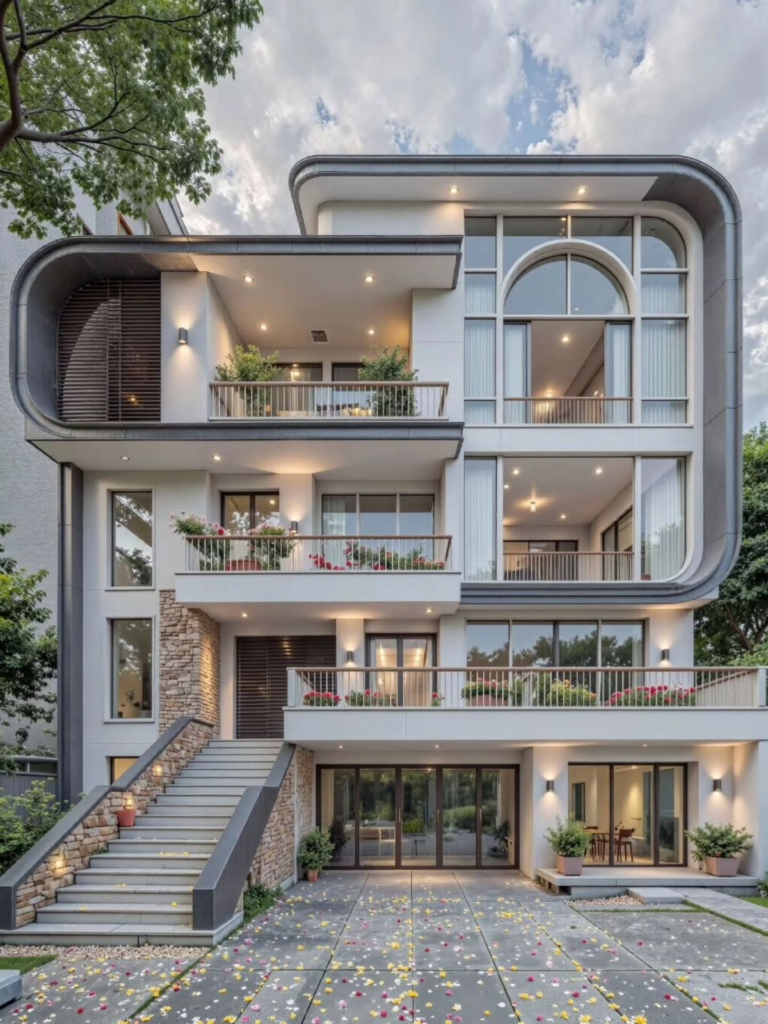
The sheer volume of available rentals can be overwhelming, and the distinction between a single-family house and a multi-family apartment unit often presents the first major fork in the road. While both offer shelter, their implications for your budget, lifestyle, and overall satisfaction vary dramatically. Let’s dissect these differences, drawing on real-world observations and market trends to illuminate your path.
The Allure of Apartment Living: Unpacking the Advantages
For many, the primary driver for choosing an apartment is its inherent affordability in rental properties. Data consistently shows a tangible difference in rental costs. While national averages can fluctuate, the trend persists: renting a single-family home generally commands a higher price tag than renting a comparable-sized apartment unit. This cost differential isn’t arbitrary; it’s influenced by factors like property size, amenities, and overall demand. When considering your monthly rental budget, apartments often present a more accessible entry point, freeing up financial resources for other life priorities, whether that’s saving for a down payment, investing, or simply enjoying discretionary spending.
Beyond the sticker price, apartments frequently offer a tiered pricing structure tied to size. From efficient studio layouts to more spacious multi-bedroom configurations, you can often find an apartment that aligns with your financial comfort zone. This flexibility is a significant advantage, especially for individuals or couples who prioritize cost-effectiveness. In competitive rental markets across the US, this accessibility can make the difference between securing a place quickly or facing prolonged searches.
One of the most significant advantages of apartment living, particularly in larger complexes, is the built-in support system for home maintenance and repairs. Picture this: a leaky faucet, a malfunctioning appliance, or an HVAC issue. In an apartment, these inconveniences are typically handled by the landlord or a dedicated property management team. A swift maintenance request often means a prompt resolution, minimizing disruption to your daily routine. In many cases, larger apartment communities even have on-site maintenance staff, further accelerating response times. This outsourced responsibility for upkeep is a considerable stress reliever, especially for those who lack the time, skills, or inclination for DIY fixes. This aspect is particularly valuable when comparing renting an apartment vs. a house for individuals new to managing a household.
Furthermore, apartment buildings, especially those situated in urban centers, are often strategically located to maximize convenience and access to a vibrant lifestyle. Proximity to public transportation options, diverse dining establishments, shopping districts, parks, and community hubs is a common characteristic. This means a quick trip for an essential ingredient is rarely an insurmountable obstacle, and spontaneous outings to enjoy fresh air or engage with the local culture are readily available. This urban adjacency is a key selling point for many renters seeking an active and connected lifestyle, often influencing city apartment rentals specifically.
The social aspect of apartment living can also be a significant draw. Apartment communities, by their nature, foster a sense of proximity and shared living. Many complexes go the extra mile by offering shared amenities designed to encourage resident interaction. Think game rooms, communal lounges, fitness centers, and even on-site dog parks with specialized features. These spaces can facilitate casual encounters and the development of neighborly bonds, transforming your living space into a more integrated community. For those new to a city or seeking to expand their social circle, these built-in opportunities for connection can be invaluable. This is particularly relevant when searching for apartments for rent with amenities.
Finally, security features in rental properties are often a strong suit for apartment buildings. Modern apartment complexes frequently incorporate multi-layered security systems, including controlled access points, key fob entry, security cameras, and even on-site security personnel. Secure mailrooms and gated parking areas add further layers of peace of mind. This comprehensive approach to security can be a significant factor for renters prioritizing safety and peace of mind, offering a tangible advantage over some standalone rental houses where security might be more individually managed.
The Downsides of Apartment Renting: Where Compromises Are Made
Despite the compelling advantages, apartment living is not without its drawbacks, primarily centered around space and personal freedom. The most apparent constraint is often the limited living space. Apartments, by design, are generally more compact than single-family homes. This can translate to less indoor square footage and, crucially, restricted private outdoor space. For individuals with larger families, substantial belongings, or pets requiring ample room to roam, the confines of an apartment can feel restrictive. Balconies, while offering some outdoor access, seldom replicate the experience of a private yard. Storage can also be a challenge, with fewer dedicated areas like attics or basements typically available for stowing seasonal items or bulk purchases. This is a critical consideration when evaluating small apartment living.
Another significant concern for apartment dwellers is noise levels. Living in close proximity to neighbors – above, below, adjacent, and across – means a higher probability of encountering noise disturbances. The sounds of daily life, from television and conversations to children playing and parties, can easily penetrate shared walls and floors. Conversely, apartment residents must also be mindful of their own noise contributions, striving to be considerate neighbors to maintain a peaceful living environment. This necessitates a heightened awareness of sound and can sometimes lead to a feeling of being constantly monitored or restricted in one’s own home. This aspect is a frequent topic in discussions about apartment living vs. house living.
Pet restrictions in rentals are a common and often frustrating aspect of apartment living. Many apartment complexes impose strict rules regarding pet ownership. These can include limitations on breed, size, and the number of pets allowed. For individuals with existing pets, especially those falling outside permitted categories, finding a suitable apartment can be a significant hurdle. The additional expense of “pet rent” or deposits can also add to the overall cost of renting an apartment with furry companions, making it essential to research pet-friendly apartments thoroughly.
The inherent structure of apartment living often leads to reduced tenant flexibility. This manifests in several ways. Firstly, lease agreements typically come with more stringent rules regarding alterations or decorations. Painting walls, hanging heavy items, or making significant changes may be prohibited or require explicit landlord approval. Beyond aesthetics, apartments often have established quiet hours, access protocols (key fobs, codes), and may present greater challenges if you need to break your lease early due to unforeseen circumstances. While these rules are in place to ensure smooth community living, they can feel limiting to those who desire a high degree of autonomy over their living space. This lack of autonomy is a key differentiator when comparing renting an apartment versus a house.
The Case for Renting a House: Embracing Space and Freedom
Renting a single-family house offers a compelling set of advantages, primarily revolving around space, autonomy, and lifestyle potential. The most significant benefit is undeniably more spacious living environments. While apartment sizes vary, single-family homes often provide a greater overall square footage, and more importantly, a more versatile layout. The inclusion of basements, attics, garages, and even dedicated storage sheds can dramatically increase the usable space for living, hobbies, or storage. For families, individuals with extensive collections, or those who simply crave elbow room, a rental house provides a welcome expanse that apartments often cannot match. This makes the consideration of single-family home rentals highly attractive for many.
When it comes to personalization, renting a house generally affords greater decor flexibility. While it’s always wise to communicate with your landlord, house rentals are less likely to have overarching building-wide restrictions on cosmetic upgrades or personalization. This means you may have more freedom to paint walls, install shelves, or make minor modifications to truly make the space your own. This ability to infuse your personal style into your rented home is a significant draw for many, contributing to a stronger sense of belonging and comfort. This is a key factor when weighing house rentals vs. apartment rentals.
Included parking is another practical advantage of renting a house. Unlike many apartment complexes where parking can be competitive, limited, or come with an additional fee, houses typically offer dedicated parking solutions. This could be a private driveway, an attached or detached garage, or at least readily available street parking in the surrounding neighborhood. This convenience is particularly appreciated in areas where parking is at a premium and can significantly reduce daily stress. This makes parking in rental homes a notable perk.
Perhaps one of the most cherished benefits of renting a house is private yard access. Most single-family homes come with some form of outdoor space, whether it’s a front lawn, a backyard, or both. This private sanctuary is invaluable for pet owners, families with young children, or anyone who enjoys spending time outdoors. Having a fenced-in yard provides a secure and exclusive space for recreation, gardening, or simply relaxing in the fresh air, a stark contrast to the often shared and limited outdoor areas in apartment complexes. This is a significant consideration for those searching for rentals with yards.
The Challenges of House Rentals: Where Costs and Uncertainties Emerge
The advantages of house rentals are often accompanied by a higher price point. Higher rental costs for houses are a consistent trend. The increased square footage, often larger lots, and potentially more private amenities contribute to a higher monthly rent. Furthermore, security deposits for single-family homes are typically larger than those for apartment units, requiring a greater upfront financial commitment. This elevated cost is a critical factor in the rental market trends, making affordable house rentals a sought-after but often elusive commodity.
A notable concern with renting a house is lease uncertainty. Unlike multi-family dwellings managed by professional property management companies, which often offer more stable long-term arrangements, single-family homes are typically owned by individuals. This can introduce a degree of unpredictability. The owner might decide to sell the property, move family members in, or reclaim it for personal use, potentially disrupting your tenancy with less notice than you might experience in an apartment building. This makes the stability of long-term apartment leases appear more attractive to some.

The prospect of more space to maintain can be a double-edged sword with house rentals. While the additional space is a benefit, it also translates to more area to clean, furnish, and potentially maintain. If you rent a larger house, the cost of furniture and decor can escalate quickly. Moreover, depending on the terms of your lease, you may be responsible for yard maintenance, including mowing, gardening, and seasonal upkeep, in addition to interior cleaning. This added responsibility can be time-consuming and costly. While furnished house rentals exist, they are less common and may carry a premium. This responsibility for yard maintenance in rental properties is a key difference.
Finally, less formal rental agreements can sometimes be a characteristic of house rentals. When renting directly from an individual owner, particularly one who may not have extensive experience as a landlord, the processes might be less standardized compared to those employed by professional real estate companies. This informality could mean you need to be more diligent in ensuring all agreements – including lease terms, deposit details, and any special clauses – are clearly documented in writing. While many individual landlords are trustworthy and professional, the absence of a formal, structured process warrants extra attention to detail to avoid misunderstandings. This highlights the importance of written rental agreements.
Making Your Informed Decision: The Path Forward
Ultimately, the choice between renting a house and an apartment hinges on your personal circumstances, financial standing, and lifestyle priorities. There isn’t a universally “better” option; rather, there’s the right option for you at this specific juncture in your life.
As you embark on this decision-making process, consider these crucial questions:
What is your realistic rental budget? Can you comfortably afford the higher costs associated with a house, or will an apartment allow you more financial breathing room? Explore rental property price comparisons to get a clear picture in your target locations.
What are your space needs? Do you require a large living area, a yard for pets or children, or ample storage? Or is a more compact, manageable space sufficient for your needs?
What is your tolerance for maintenance responsibility? Are you willing and able to handle potential repairs and yard work, or do you prefer the convenience of outsourced maintenance?
What kind of lifestyle are you seeking? Do you value proximity to urban amenities and a potentially more social environment, or do you crave the privacy and autonomy of a standalone home?
What are your long-term goals? Are you saving for a down payment, and can a lower rental cost accelerate that process?
Take the time to research specific neighborhoods and property types. Visit potential rentals, ask detailed questions, and read your lease agreements thoroughly. Understanding the nuances of the US rental market for both houses and apartments is your most powerful tool.
Are you ready to take the next step in finding your ideal rental? Start by assessing your budget and prioritizing your needs, and then confidently explore the diverse world of rental homes and apartments. Your perfect living situation awaits.