



Navigating the 2 Billion VND Real Estate Investment Landscape: Apartment or Land for Savvy Investors?
With a substantial sum of 2 billion Vietnamese Dong (VND) at your disposal, the age-old question echoes through the minds of aspiring investors: should you allocate this capital to an apartment or a plot of land? This isn’t merely a hypothetical debate; it’s a critical decision that hinges on a nuanced understanding of market dynamics, risk tolerance, and your personal investment objectives. Having navigated these waters for the better part of a decade, I’ve seen firsthand how this pivotal choice can shape an investment portfolio, yielding either remarkable returns or regrettable missteps. Let’s dissect this significant investment threshold, moving beyond surface-level observations to uncover the strategic considerations that truly matter for 2 billion VND real estate investment.
The landscape of real estate investment, particularly for sums like 2 billion VND, is far from monolithic. While some may find comfort in the tangible nature of an apartment, others are drawn to the potential for appreciation inherent in land. This article aims to provide a seasoned perspective, offering clarity on the advantages, inherent risks, and strategic approaches to maximizing your returns whether you opt for apartments for sale under 2 billion VND or land parcels.
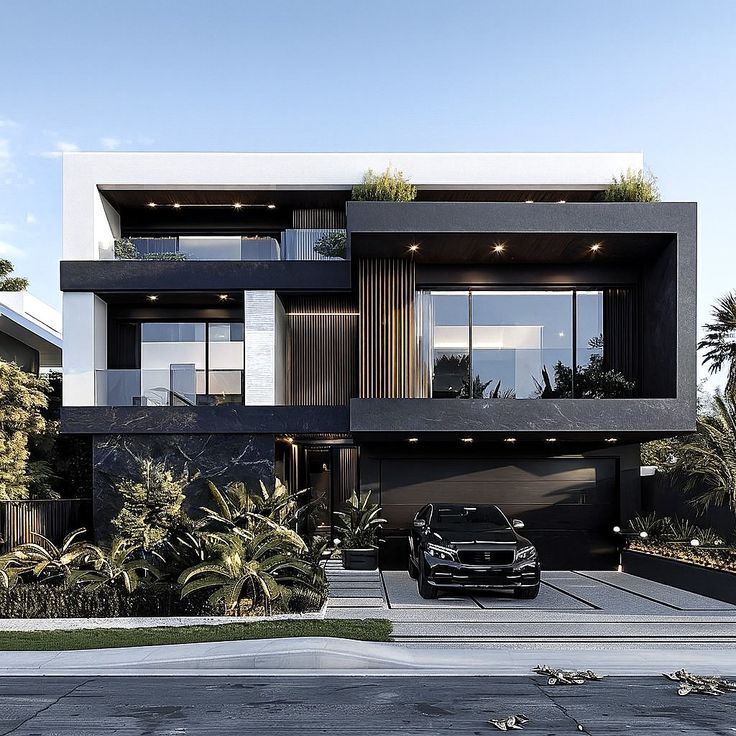
The Apartment Dilemma: Affordability, Liquidity, and Long-Term Value
Approaching the 2 billion VND mark for apartment investment immediately places you in the realm of affordable or older residential units. The current market realities in major urban centers like Hanoi and Ho Chi Minh City mean that securing a brand-new, two-bedroom apartment with modern amenities within this budget is often a stretch. Prices for such units, even with modest square footage, can easily exceed this threshold, leaving many investors with a difficult choice: a smaller, newer unit or a more spacious, albeit older, property.
When considering older apartments, the presence of a “pink book” (official land use rights and ownership certificate) becomes paramount. This legal document is your bedrock of security, safeguarding against future disputes and ensuring a smoother transaction. The average annual price appreciation for established apartments typically hovers between 5-8%. While this might seem modest compared to other asset classes, it represents a steady, predictable growth.
However, the liquidity of apartments, especially in the current market, demands careful consideration. Selling an apartment can take time, and to avoid being forced into a price reduction, meticulous due diligence on location is essential. Factors like proximity to essential services, established transportation networks, and surrounding infrastructure play a crucial role in determining how quickly and at what price you can divest. An apartment strategically located near major business districts or burgeoning commercial hubs, even if older, often commands better rental yields and resale value. For those seeking investment apartments in prime locations under 2 billion VND, this becomes the primary filtering criterion.
Furthermore, understanding the typical ownership structure of apartments is vital. While most offer long-term usage rights, the 50-year leasehold, common in many Vietnamese urban developments, can be a point of consideration for investors with very long-term horizons. While considered ample for most investment cycles, it’s a factor that differentiates apartment ownership from the perpetual ownership often associated with land.
Land as an Investment Vehicle: Higher Profit Potential, Elevated Risks
Venturing into land investment with 2 billion VND opens up possibilities in the peri-urban areas of major cities or in neighboring provinces. This segment can include residential plots of approximately 50-60 square meters, or agricultural land parcels that can range from several hundred to thousands of square meters in more remote provinces like Hoa Binh, Bac Giang, or Thai Nguyen.
The allure of land investment often lies in its potential for higher returns, with average profit fluctuations estimated between 15-20% annually. However, this elevated profit margin comes hand-in-hand with increased risk and a longer holding period. Realizing substantial gains on land typically requires patience, with a holding period of at least 2-3 years often necessary to achieve favorable sale prices, particularly when infrastructure development is progressing well and legal documentation is impeccable. The adage “profit is proportional to risk” rings particularly true here.
The risks associated with land investment are multifaceted and often amplified by market dynamics and less scrupulous players. Agricultural land, for instance, carries the inherent risk of not being converted to residential use, potentially leading to capital being tied up indefinitely. Project land, often the domain of smaller to medium-sized developers, presents its own set of challenges. These developers may focus their efforts on a single province, creating artificial market waves for quick sales before moving on, potentially leading to a lack of sustained commitment and transparency.
The information surrounding land prices is frequently subject to “inflation” by brokers, fueled by rumors of infrastructure development, major investor interest, or impending planning changes. This can create a sense of urgency and a “fear of missing out” (FOMO) among investors, leading to hasty decisions without thorough legal or price due diligence. Brokers often exert considerable pressure, tempting investors to bypass critical checks.
Legality in land subdivision can also be a minefield. In many regions, investors may encounter improperly demarcated plots sold based on unapproved 1/500 scale plans. Deceptive contracts that use terms like “agree to buy a portion of the project’s land parcel” can trap buyers into a shared ownership scenario, failing to deliver the individual land titles promised. The pricing of land is also often based on speculative future scenarios rather than current market value, meaning investors may pay a premium for a “future picture” that is slow to materialize.
To mitigate these risks, purchasing land with a clear, individual “pink book” (certificate) is non-negotiable. The land type indicated on the certificate must precisely match what you intended to purchase. Thoroughly verifying land use planning and conducting comparative market analysis for neighboring areas are essential to avoid overpaying due to developer tactics. For those specifically exploring residential land for sale under 2 billion VND, prioritizing parcels with clear ownership and development potential is paramount.
Bridging the Gap: When is an Apartment the Wiser Choice?
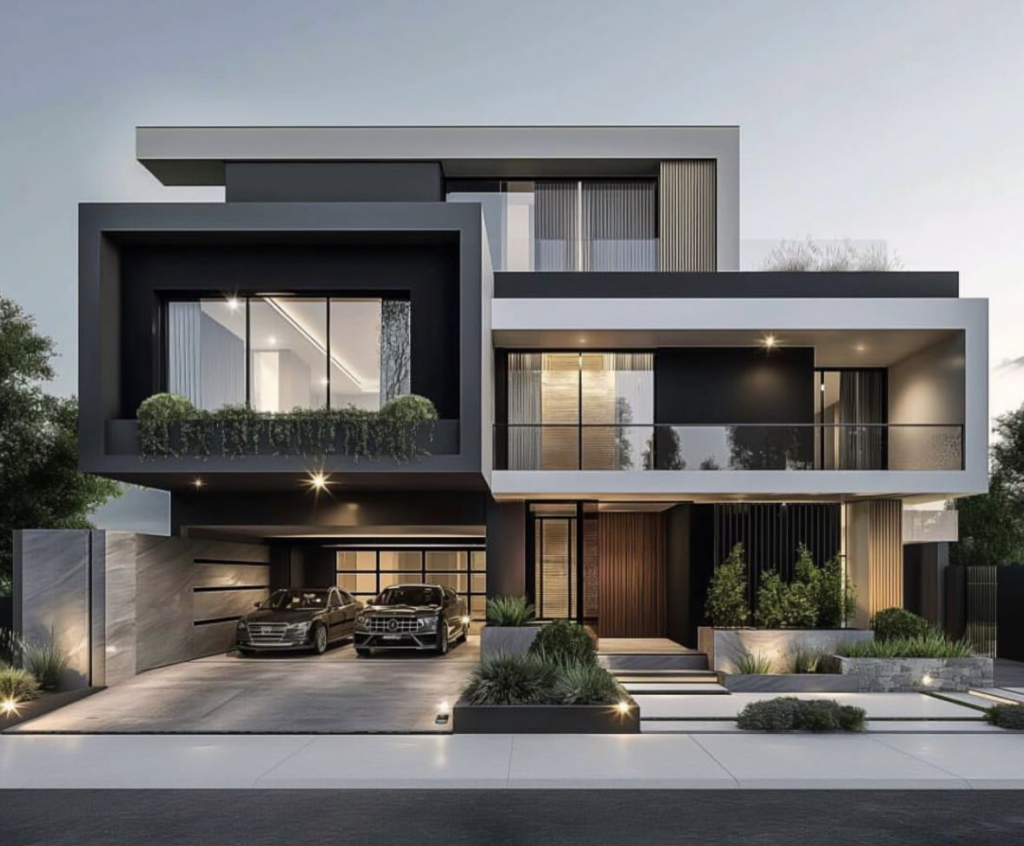
Despite the potential for higher returns from land, apartments can offer a more stable and predictable investment, especially for those prioritizing capital preservation and a steadier income stream. For an apartment investment within the 2 billion VND bracket, seeking properties that have already secured their official title deeds is crucial. While this may mean a longer wait to acquire the property, it significantly reduces the risk of protracted legal battles.
The primary challenge with apartments, even those with titles, is their liquidity and the potential for slow appreciation. Finding a buyer with similar financial capacity and genuine need can be a waiting game. Furthermore, assessing the quality of building management, security, and safety protocols is vital for ensuring a desirable living environment, which directly impacts rental potential and resale value.
The finite lifespan of building materials and the inevitable aging of infrastructure mean apartments are prone to wear and tear. Their price appreciation tends to be more gradual than that of land, and the 50-year ownership term, while substantial, is a distinguishing feature compared to land.
When considering apartments under construction for investment with 2 billion VND, the risk profile shifts dramatically. The investment’s success hinges on the developer’s financial stability and their ability to deliver the project as promised. Scrutinizing the project’s legal standing, including whether it has a 1/500 scale planning approval and meets regulatory sales requirements, is absolutely critical. Additionally, one must assess whether the actual construction quality matches the show unit, the potential for a high density of new units within the same project (which can impact resale), and the possibility of design or area discrepancies. Poor Feng Shui alignment or unfavorable floor numbers can also detract from future saleability.
Strategic Decision-Making: Capital Preservation vs. Growth Potential
As a seasoned professional in this field, my advice to investors facing the 2 billion VND real estate quandary is to prioritize capital preservation first, followed by profit potential. This approach forms the bedrock of sound investment strategy.
For those prioritizing a stable living situation or a reliable rental income with lower volatility: Opting for a completed apartment with a clear title deed offers a tangible asset that can be lived in or rented out. After a few years of ownership, you can re-evaluate market conditions for potential resale at a profit. This path offers a balance between immediate utility and potential investment growth.
For investors with a higher risk tolerance, a focus on capital appreciation, and the willingness to continue renting: Purchasing land, particularly in developing areas with strong infrastructure growth potential, might be the more lucrative route. The potential for a higher percentage return over a 3-year horizon can significantly outweigh that of an apartment. However, this path demands a deeper understanding of market trends, legal intricacies, and the patience to weather longer holding periods.
Ultimately, the choice between an apartment and land hinges on your personal risk tolerance. Define your comfort level with potential losses versus your desired profit margins. This self-awareness will guide you towards the asset class – be it an apartment, residential land, or even agricultural land with long-term conversion potential – that best aligns with your financial goals and personal investment philosophy.
For many, 2 billion VND represents a significant financial milestone. Making an informed decision today, grounded in thorough research and a clear understanding of market realities, will pave the way for a more secure and prosperous investment future.
Ready to explore your investment options in the current real estate market? Contact our team of experienced real estate advisors today to receive personalized guidance and discover the opportunities that best fit your investment goals.
