
Navigating the Multifamily Maze: Houses vs. Apartments for Savvy Real Estate Investors in 2025
The landscape of the American real estate market in early 2025 is nothing short of dynamic. Cranes punctuate city skylines, and construction sites hum with activity, signaling a robust period of development. As of March 2024, the sheer scale of ongoing construction is staggering: a reported 934 multifamily properties and an astonishing 1.485 million new homes are currently underway nationwide. This unprecedented surge in development unlocks a vast array of investment opportunities for individuals and entities looking to capitalize on the thriving rental property sector.

For the discerning real estate investor, a pivotal decision looms: should one focus on acquiring single-family houses or delve into the world of apartment units? Both avenues offer the potential for consistent rental income and capital appreciation, but their operational nuances, financial implications, and long-term growth trajectories differ significantly. This comprehensive exploration, informed by a decade of industry experience, will dissect the fundamental distinctions between investing in houses vs. apartments, equipping you with the strategic insights needed to align your choices with your unique investment objectives and ultimately, maximize your return on investment.
Deconstructing the Fundamentals: Houses vs. Apartments
At their core, both houses and apartments serve as residential properties designed to generate rental income. However, a closer examination reveals distinct characteristics that shape their investment profiles.
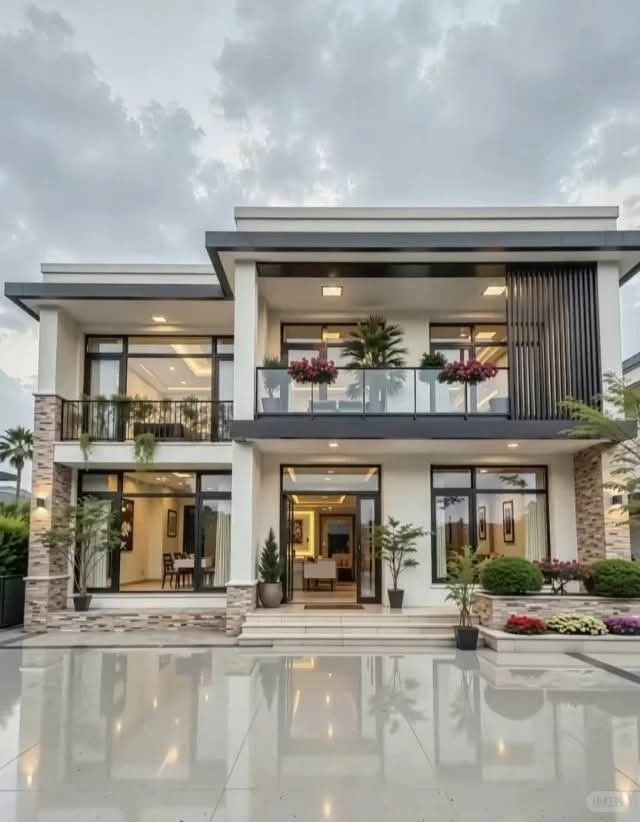
Single-Family Houses: A standalone residential dwelling, a house is typically a detached structure encompassing multiple living spaces. These include essential areas like a kitchen, bathrooms, living rooms, and several bedrooms, often complemented by private outdoor amenities. According to data from Statista, the United States is home to approximately 82 million detached houses. Investors typically acquire these properties outright through significant cash outlays or through conventional mortgage financing coupled with an upfront down payment.
Apartment Units: An apartment refers to an individual residential unit situated within a larger building or a complex that houses multiple households. These units are designed for individuals or families seeking the convenience of urban or suburban living arrangements within a shared structure. An apartment generally comprises one or more rooms, including a kitchen, bathroom, living area, and bedrooms. Currently, the U.S. boasts around 23 million apartment units. Investment in this sector typically involves commercial real estate loans, reflecting the larger scale and integrated nature of these properties.
The Investment Calculus: 10 Critical Considerations for Houses vs. Apartments
When evaluating real estate investment opportunities, the choice between houses and apartments is not merely a matter of preference; it’s a strategic decision laden with financial and operational implications. Let’s delve into ten key considerations that will guide your investment strategy for rental properties.
Investment Objectives: Aligning Property Type with Financial Goals
Each property type offers a unique blend of financial advantages and inherent challenges, directly impacting the success of your investment strategy. Understanding these nuances is paramount for informed decision-making.
Cash Flow Dynamics: Apartments, with their inherent multi-unit structure, often present the potential for more robust and consistent cash flow from real estate investments. By generating rental income from several units simultaneously, the financial impact of a single vacancy is significantly mitigated, leading to a more stable income stream. Conversely, a single-family house relies on a solitary income source. If this sole tenant vacates, the cash flow from that particular property ceases entirely, introducing a higher degree of volatility. This makes apartments a preferred choice for investors prioritizing steady monthly income.
Appreciation Potential: Historically, single-family houses have demonstrated a tendency to appreciate at a faster rate. This is often attributed to the inherent scarcity of land, particularly in desirable locations, and the persistent demand for private living spaces and home ownership. While apartments can also experience appreciation, this is often driven by value-add strategies, such as renovations, improved amenity offerings, or effective property management that enhances the overall appeal and operational efficiency of the complex. For investors focused on long-term wealth building through capital gains, the appreciating nature of houses can be a significant draw.
Risk Diversification: Investing in apartment buildings inherently offers a degree of risk diversification. A vacancy in one unit has a less pronounced impact on the overall income generated by the property, providing a crucial buffer against financial fluctuations. In contrast, a single-family house represents a singular investment point. A vacancy directly translates to zero income from that asset, thereby amplifying the associated risk exposure. This inherent diversification makes apartment complexes attractive for investors seeking to mitigate risk within their real estate portfolio.
Ownership Structures and Management Complexity
The way a property is owned and managed can significantly differ between houses and apartments, influencing the level of direct involvement required from the investor.
House Ownership: Typically, a single-family house is owned by an individual or entity that holds complete dominion over the property. This ownership comes with the direct responsibility for all associated costs, including property taxes, insurance premiums, and maintenance. Tenants renting houses generally engage directly with their private landlord, fostering a more personal landlord-tenant relationship. This direct interaction can be advantageous for building rapport but also requires diligent communication and problem-solving skills.
Apartment Ownership: Apartment buildings can exhibit more intricate ownership configurations. A single entity might manage the leasing and maintenance of all units within a complex. Alternatively, apartments can be structured as individually owned units within a larger condominium or co-op framework. In these scenarios, renters typically interact with professional property management companies tasked with overseeing the day-to-day operations of the building. This often leads to a more standardized, less personal, yet potentially more efficient management process for the investor.
Physical Structure and Tenant Experience
The tangible differences in physical construction directly influence the living experience for tenants and the operational demands on investors.
Houses: Single-family homes are characterized by their standalone nature, offering ample living space and exclusive private outdoor areas such as backyards, personal patios, and private driveways. This provides a sense of separation and autonomy for residents, a key attraction for families and individuals valuing privacy.
Apartments: Apartment buildings, by definition, involve shared walls, floors, and ceilings among residents. This proximity necessitates different considerations for soundproofing and privacy. However, apartment complexes often compensate with shared amenities like communal laundry rooms, fitness centers, swimming pools, and lounges, providing a lifestyle component that many renters find appealing.
Spatial Dimensions and Layout Preferences
The physical footprint of a property is a critical determinant of tenant appeal and rental rates.
Houses: Generally, houses offer more expansive living quarters, appealing to tenants who prioritize ample space. The average size of a house in the U.S. hovers around 2,299 square feet, providing generous room for families and those who work from home.
Apartments: Apartments tend to be more compact, catering to individuals, couples, or smaller families. Apartment sizes can vary significantly based on location, with average square footage ranging from approximately 691 square feet in bustling cities like Seattle to around 991 square feet in more suburban locales such as Scottsdale, Arizona. The appeal here lies in efficient living and accessibility to urban amenities.
Maintenance Regimes: Scope and Scale
The scope and scale of maintenance required for houses versus apartment complexes differ dramatically, impacting both costs and time commitment.
House Maintenance: Maintaining a single-family rental property typically involves a more direct, localized set of responsibilities. This includes:
Landscaping: Regular lawn care, gardening, and general upkeep of the exterior to maintain curb appeal.
Exterior Maintenance: Periodic painting, roof repairs, gutter cleaning, and ensuring the structural integrity of the building.
Interior Maintenance: Addressing plumbing issues, appliance repairs, fixture updates, and general wear and tear within the living space.
Key Systems: Ensuring critical systems like HVAC (heating, ventilation, and air conditioning) are regularly serviced and functioning optimally.
Apartment Building Maintenance: The maintenance of an apartment complex is a far more extensive undertaking, involving common areas and large-scale systems. This includes:
Common Areas: Upkeep of hallways, lobbies, stairwells, elevators, and any shared recreational spaces.
System Maintenance: Regular inspection and repair of building-wide systems such as central heating and cooling, complex plumbing networks, and elevator operations.
Exterior Building Maintenance: Facade upkeep, window cleaning, structural repairs, and maintaining building security features.
Landscaping: Maintenance of any communal outdoor spaces, such as courtyards or rooftop gardens.
Safety Inspections: Adherence to stringent building codes and regular safety inspections mandated by local authorities to ensure compliance with property management regulations.
Amenity Packages: Driving Tenant Demand
The presence and type of amenities offered can significantly influence tenant attraction and retention for both property types.
House Amenities: Common amenities found in houses often include private yards, attached garages, and customized interior features such as high-end kitchens, updated bathrooms, and bespoke finishes. These offerings appeal to tenants seeking a higher degree of personalization and exclusivity.
Apartment Amenities: Apartment complexes frequently provide a suite of shared facilities designed to enhance resident convenience and lifestyle. These can include fully equipped fitness centers, swimming pools, on-site laundry facilities, and business centers. While these amenities are attractive, their maintenance requires a dedicated management strategy and budget, contributing to the overall apartment investment cost structure.
Privacy and Community Living
The level of privacy afforded to residents is a key differentiating factor.
Houses: Single-family homes generally offer a higher degree of privacy due to their detached nature and the presence of private outdoor spaces that are exclusive to the resident. This separation minimizes the proximity to neighbors and fosters a sense of individual dwelling.
Apartments: Apartment living involves a more communal environment. Residents share common spaces like hallways, elevators, and potentially outdoor areas, leading to closer proximity to neighbors. While this can foster a sense of community, it inherently means less individual privacy compared to a detached house.
Cost Structures: Direct vs. Distributed Expenses
Understanding the underlying cost structures is crucial for accurate financial forecasting and profitability.
House Cost Structure: In the case of single-family houses, landlords bear all property-specific expenses directly. This includes property taxes, insurance premiums, and all repair and maintenance costs associated with that particular home. Due to the absence of cost-sharing opportunities, the per-unit expenses for a single house can sometimes be higher compared to the per-unit costs in a larger apartment complex.
Apartment Cost Structure: Apartment buildings, with their multi-unit nature, possess a more complex cost structure. However, the scale of these properties often allows for economies of scale, potentially reducing some per-unit costs. Expenses are distributed across numerous rental incomes, making budgeting for large-scale repairs or system overhauls more manageable when spread over a larger revenue base. This is a key consideration for high-yield real estate investments.
Scalability and Portfolio Growth Strategies
For investors with ambitions of expanding their real estate portfolio, the inherent scalability of each property type presents distinct pathways.
Apartment Scalability:
Capital Intensive Growth: Expanding an apartment investment portfolio typically necessitates substantial capital outlay to acquire additional properties. Each acquisition represents a significant financial commitment.
Centralized Operations: The concentrated nature of apartment units within a single location simplifies management operations as you expand within that community. A singular property management team can oversee multiple units efficiently.
Resource Leverage: Once a portfolio grows, existing operational teams, maintenance staff, and management resources can be leveraged across a larger number of units, streamlining tasks and potentially improving efficiency.
House Scalability:
Capital Efficiency: Scaling a portfolio of single-family rentals often requires less initial capital per property. The ability to acquire individual homes, potentially at lower price points than a full apartment building, makes for a more accessible entry point for growth.
Strategic Acquisition Methods: Investors can effectively leverage growth strategies like the BRRRR method (Buy, Rehab, Rent, Refinance, Repeat) to acquire and renovate new properties sequentially, fueling portfolio expansion.
People-Intensive Management: The challenge with scaling single-family rentals lies in the decentralized nature of management. Each property, especially when spread across different neighborhoods, requires individual attention, making the achievement of true economies of scale more complex and potentially more labor-intensive. This requires a robust system for property management services.
Financing and Lender Preferences
The financial mechanisms for acquiring and holding these different property types can vary, influencing investor access to capital.
House Financing: Securing financing for single-family rental properties often involves conventional residential mortgages. Lenders may require a larger down payment for investment properties compared to owner-occupied homes. The application process is generally more streamlined for individual property acquisitions.
Apartment Financing: Financing for apartment buildings typically falls under commercial real estate loans. These loans are structured based on the property’s income-generating potential and valuation. Loan terms, interest rates, and down payment requirements are often negotiated based on the size and performance of the asset. Lenders may look for a seasoned track record in commercial real estate investing.
The Future of Rental Property Investment: Trends in 2025 and Beyond
As we navigate 2025, the real estate market continues to evolve, influenced by demographic shifts, technological advancements, and economic factors. Investors adept at adapting to these changes will be best positioned for success.
Technology Integration: Property management software, smart home technology, and online leasing platforms are becoming standard across both houses and apartments. For apartment complexes, integrated systems for security, access control, and amenity booking are increasingly expected. For single-family rentals, streamlined communication portals and digital rent collection are paramount.
Sustainability and ESG: Growing awareness of environmental, social, and governance (ESG) factors is influencing tenant preferences and investment decisions. Properties with energy-efficient features, sustainable materials, and strong community engagement initiatives are becoming more attractive, impacting both property values and rental demand. This is a significant trend in sustainable real estate investing.
Demographic Influences: The rise of the millennial and Gen Z generations as major renters continues to shape demand. These demographics often prioritize convenience, flexible living arrangements, and access to amenities, potentially favoring apartment living. However, as these generations mature, the demand for single-family homes, especially in suburban and exurban areas, is also expected to remain strong. Understanding the nuances of multifamily housing market trends is crucial.
Affordability Challenges: Persistent housing affordability challenges in many major metropolitan areas continue to fuel demand for rental properties. This sustained demand, coupled with ongoing construction, presents ongoing opportunities for investors in both houses and apartments. However, careful market analysis is required to identify areas with strong rental demand and growth potential, crucial for any real estate investment strategy.
Making the Informed Choice: Your Next Step in Real Estate Investment
The decision between investing in houses versus apartments is not a one-size-fits-all proposition. It hinges on your individual financial capacity, risk tolerance, desired level of involvement, and long-term investment objectives. Whether you’re drawn to the stability and diversification of apartment complexes or the autonomy and potential appreciation of single-family homes, both offer compelling pathways to building wealth through rental properties.
To make the most strategic decision for your real estate investment portfolio, conduct thorough market research in your target locations, analyze the specific financial projections for each property type, and consider consulting with experienced real estate professionals and financial advisors. Understanding these critical distinctions is the first step towards unlocking significant returns in the vibrant U.S. rental property market.
Ready to translate this knowledge into action? Explore the current market opportunities in your preferred city or connect with a local real estate investment specialist today to discuss how houses or apartments can best fit your financial future.