
Navigating the Residential Landscape: An Expert’s Guide to Condos, Apartments, and Townhouses in 2025
From my decade in the trenches of the real estate market, I’ve witnessed firsthand how evolving lifestyles, economic shifts, and a dynamic housing inventory have made the choice of residence more complex than ever. For many, the distinctions between a condominium, an apartment, and a townhouse remain blurry, yet understanding these differences is absolutely paramount for making a sound decision—whether you’re looking for a temporary dwelling, a long-term home, or a strategic investment property. The journey through property acquisition or rental isn’t just about finding four walls and a roof; it’s about aligning your living space with your financial goals, lifestyle preferences, and future aspirations.
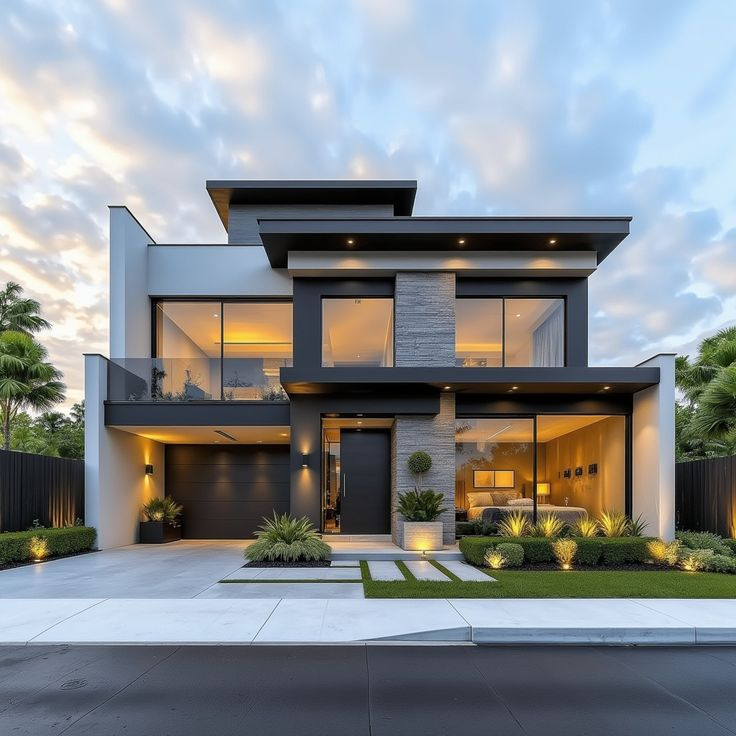
This isn’t merely an academic exercise; it’s a practical guide forged from countless client consultations, market analyses, and a deep understanding of what truly makes a property a fit for its owner or resident. In this comprehensive guide, we’ll strip away the jargon and provide a clear, expert-level breakdown of condo vs. apartment vs. townhouse, updated with 2025 insights, helping you confidently determine what’s right for you.
Decoding the Condominium: Ownership, Community, and Complexity
Let’s start with condominiums, often simply called “condos.” A condo represents private ownership of a specific unit within a larger multi-unit building or complex. Think of it as owning a piece of a bigger pie. While the concept of shared living spaces has ancient roots, the modern condominium model in the United States truly began to flourish in the latter half of the 20th century, offering an attractive blend of homeownership without the full-scale responsibilities of a detached single-family home.
The Ownership Structure: When you purchase a condo, you own the interior space of your unit, often including the walls, ceilings, and floors from the paint in. Crucially, you also own an undivided share of the common areas, which can range from hallways, lobbies, and elevators to shared amenities like swimming pools, fitness centers, and community rooms. This co-ownership of common elements is managed by a Homeowners’ Association (HOA).
The Role of the HOA and Condo Fees: This is where the intricacies often begin. Every condo complex has an HOA, typically run by an elected board of unit owners. This board is responsible for maintaining the common areas, managing shared finances, and enforcing the community’s rules and regulations, known as Covenants, Conditions, and Restrictions (CC&Rs).
To fund these operations, condo owners pay monthly HOA fees. From my experience, these fees can vary wildly, from a modest $150 in a basic complex to several thousand dollars in luxury condos or high-rise buildings with extensive services and amenities in prime locations like Miami or New York City. The fees cover everything from landscaping, security, and cleaning of common areas to utility costs for shared spaces and a portion of the building’s master insurance policy. A critical component of these fees is the contribution to a “reserve fund,” which is designed to cover major capital expenditures, such as roof replacements, elevator modernizations, or structural repairs.
Special Assessments: The Unexpected Costs: One area where prospective condo buyers must exercise extreme due diligence is understanding the financial health of the HOA’s reserve fund. If a major repair arises—say, an unexpected issue with the building’s facade or a critical mechanical system—and the reserve fund is insufficient, the HOA may levy a “special assessment.” This is an additional, often substantial, one-time or temporary charge imposed on all unit owners to cover the shortfall. As a seasoned expert, I always advise clients to meticulously review the HOA’s financial statements, reserve study, and meeting minutes to identify any potential deferred maintenance or upcoming large projects that could lead to a special assessment. This diligence is a cornerstone of smart real estate investment advice.
Rules and Regulations (CC&Rs): Beyond fees, the CC&Rs dictate much of condo living. These documents outline everything from pet restrictions (size, breed, number), rental policies (minimum lease terms, approval processes—crucial if you’re considering an investment property), noise ordinances, architectural guidelines for interior renovations, and even age restrictions in some retirement communities (e.g., 55+ communities). A thorough review of these documents during the rescission period (a state-mandated timeframe to review association documents) is non-negotiable. What might seem like a minor detail could significantly impact your lifestyle or future plans.
Pros of Condo Ownership:
Reduced Exterior Maintenance: The HOA handles most external upkeep, freeing up your time and often making it attractive for those seeking a lower-maintenance lifestyle, particularly popular among young professionals and empty-nesters looking to downsize.
Access to Amenities: Pools, gyms, clubhouses, security, and sometimes even concierge services can significantly enhance daily living.
Community Living: Condos often foster a sense of community, with shared spaces encouraging social interaction.
Entry-Level Homeownership: In many urban and suburban markets, condos offer a more accessible entry point into homeownership compared to detached single-family homes, potentially allowing you to start building home equity sooner.
Investment Potential: Well-located condos can offer strong property value appreciation and, if regulations allow, can be excellent rental income property.
Cons of Condo Ownership:
HOA Fees: A recurring cost that adds to your monthly housing expense, separate from your mortgage and property taxes.
Lack of Control: Less autonomy over exterior appearance, renovations, and sometimes even interior choices due to CC&Rs.
Privacy Concerns: Shared walls, floors, and ceilings mean you’ll have neighbors closer than in a detached home.
Special Assessments: The risk of unexpected, significant out-of-pocket expenses.
Financing Challenges: Securing a mortgage for a condo can sometimes be trickier. Lenders scrutinize the HOA’s financial health, insurance coverage, and the percentage of owner-occupied units. A high renter-to-owner ratio, for instance, can make it harder to get conventional financing. This is where a knowledgeable real estate agent and mortgage broker are invaluable.
The Apartment Landscape: Flexibility, Leaseholds, and Lifestyle
In stark contrast to a condo, an apartment is a rental unit within a larger building or complex. The fundamental difference lies in ownership: when you live in an apartment, you are a tenant, not an owner. You lease the right to occupy a specific unit for a defined period (e.g., 12 months), and your payments are rent, not mortgage contributions.
Lease Agreements and Landlord Responsibilities: Your relationship is with a landlord or property management services company that owns the entire building. The lease agreement legally binds both parties, outlining rent amount, duration, rules, and responsibilities. A key advantage here is that the landlord is typically responsible for all maintenance and repairs, both inside your unit and throughout the common areas. If the dishwasher breaks, the roof leaks, or the common hallway needs cleaning, it’s the landlord’s problem to fix, not yours.
Upfront Costs and Flexibility: Moving into an apartment generally requires lower upfront costs compared to buying property. Typically, you’ll need to pay the first month’s rent, a security deposit (often equivalent to one month’s rent), and sometimes the last month’s rent. There are no down payments, closing costs, or property taxes directly borne by the tenant. This financial accessibility, combined with the inherent flexibility of a lease (especially month-to-month or shorter-term options), makes apartments ideal for those unsure of their long-term plans, new to a city, or seeking a transient lifestyle.
Pros of Renting an Apartment:
Flexibility: Easier to move for job opportunities, lifestyle changes, or simply to explore different neighborhoods. You’re not tied to a mortgage or the complexities of selling a property.
No Maintenance Responsibilities: A significant draw. Landlords handle all repairs and upkeep, saving you time, money, and stress.
Lower Upfront Costs: No down payment, closing costs, or ongoing HOA fees.
Predictable Monthly Expenses: Beyond rent, you generally only pay for utilities and renter’s insurance. No surprises like special assessments or unexpected home repair bills.
Access to Amenities: Many modern apartment complexes offer similar amenities to condos (pools, gyms, communal spaces), without the ownership responsibilities.
Ideal for Testing a Market: If you’re considering a move to a new city, renting an apartment allows you to get a feel for the area, local real estate market trends, and specific neighborhoods before committing to a purchase.
Cons of Renting an Apartment:
No Equity Building: Your monthly rent payments do not contribute to building home equity or personal wealth. You are paying for a service (shelter) rather than investing in an asset.
Rent Increases: Landlords can raise rent upon lease renewal, sometimes significantly, making long-term budgeting challenging.
Limited Customization: You generally cannot make permanent changes to the unit without landlord permission, often restricted to cosmetic alterations like paint.
No Investment Potential: An apartment is a liability (monthly expense) rather than an asset that can appreciate in value.
Lack of Stability: The landlord can choose not to renew your lease, forcing a move.
When comparing a condo vs. apartment vs. townhouse from a purely financial standpoint, especially for those with long-term aspirations, using a buying vs. renting calculator is an indispensable tool. It helps quantify the financial trade-offs over several years, factoring in potential equity gains, tax deductions for homeowners, and opportunity costs.
The Townhouse: A Hybrid of Space, Land, and Community
A townhouse often represents a sweet spot for those seeking more space and a connection to land without the financial commitment or maintenance burden of a detached single-family home. A townhouse is typically a multi-story home that shares one or more walls with neighboring units, but unlike an apartment or traditional condo, it usually comes with direct ownership of the land it sits on, along with its own private entrance.
Ownership and Land: This land ownership is a critical differentiator from a condo. While you share walls, you typically own the footprint of your home and a small parcel of land around it, which might include a small front yard, backyard, or patio. This provides more autonomy and often the freedom to customize your outdoor space, within community guidelines.
HOA Involvement (Often Less Extensive): Many townhouse communities also have an HOA, but its scope is often narrower than a condo association. Townhouse HOAs might manage common roads, shared green spaces, community pools, or external building elements like roofs or siding, but owners are generally responsible for the exterior maintenance of their specific unit and their private yard areas. This means you might still have fees, but they are often lower than condo fees because you shoulder more of the direct maintenance responsibilities.
Pros of Townhouse Living:
More Space and Privacy: Generally larger than condos or apartments, with multiple levels offering better separation of living areas. Shared walls are typically fewer than in a condo.
Land Ownership: You own the land, which can contribute to greater property value appreciation and offers more control over your immediate surroundings.
Private Outdoor Space: Even small yards or patios provide valuable private outdoor living, perfect for pet owners, gardening enthusiasts, or families.
Affordability: Townhouses often present a more affordable path to homeownership compared to detached single-family homes in the same area, making them an excellent choice for first-time homebuyers or those looking for affordable housing options in desirable neighborhoods.
Fewer HOA Restrictions: While HOAs exist, the rules governing interior and exterior modifications are often less restrictive than in a condo.
Investment Potential: With land ownership and often strong demand in suburban and urban-adjacent areas, townhouses can be sound long-term investment properties.
Cons of Townhouse Living:
Shared Walls: While fewer than a condo, you still have neighbors directly adjacent, meaning potential noise transfer.
Maintenance Responsibilities: You’re typically responsible for your unit’s exterior maintenance, including roof, siding, windows, and yard work (unless the HOA covers some elements). This is more than a condo, less than a detached house.
HOA Fees: Still a factor, though often less encompassing than condo fees.
Less Flexibility: Like a condo, selling a townhouse involves the complexities of the real estate market, tying you to the location for a longer period.
Head-to-Head Comparison: Finding Your Fit in 2025
Understanding the individual characteristics is the first step; now let’s directly compare these residential options across critical decision-making factors.
Ownership & Equity Building:
Condo: You own the unit interior and a share of common areas, building home equity over time. This can be a key part of your financial planning real estate strategy.
Apartment: No ownership. Your rent builds the landlord’s equity, not yours.
Townhouse: You own the unit and the land it sits on, providing significant potential for asset appreciation and equity building.
Maintenance & Responsibility:
Condo: Minimal personal exterior maintenance; HOA handles common areas and building exterior. You’re responsible for interior only.
Apartment: Zero maintenance responsibility; landlord handles everything.
Townhouse: Responsible for your unit’s interior and often the exterior (roof, siding, yard), though some HOA services may exist.
Financial Implications:
Condo: Requires down payment, mortgage (mortgage rates are a critical factor in 2025), property taxes, and monthly HOA fees (plus potential special assessments).
Apartment: Requires security deposit, first/last month’s rent (usually), and monthly rent. No property taxes or HOA fees.
Townhouse: Requires down payment, mortgage, property taxes, and typically lower HOA fees than a condo, plus direct costs for exterior maintenance. Closing costs are also a factor for both condos and townhouses.
Lifestyle & Privacy:
Condo: Often high-density, community-focused, urban-centric. Less privacy due to shared walls/floors/ceilings. Great for convenience and amenities.
Apartment: Offers flexibility and freedom from ownership burdens. Privacy is comparable to a condo.
Townhouse: Offers a balance. More space and privacy than a condo or apartment, often with private outdoor space, but still shared walls. Can bridge urban accessibility with suburban comfort.
Customization:
Condo: Limited by HOA rules; interior renovations usually require approval.
Apartment: Severely limited; typically only cosmetic changes allowed.
Townhouse: More freedom than a condo, especially with exterior elements and landscaping, subject to HOA guidelines.
Making Your Smart Move: Expert Recommendations for 2025
From my vantage point, the decision between a condo vs. apartment vs. townhouse is rarely black and white. It hinges entirely on your unique circumstances, current life stage, and future projections.
Choose a Condominium if:
You crave homeownership and building home equity but desire a low-maintenance lifestyle, free from yard work or external repairs.
You prioritize access to amenities like pools, gyms, or shared social spaces.
You’re looking for an affordable housing option in a vibrant urban core or a desirable area where detached homes are out of reach.
You’re an active senior looking to downsize and simplify your living situation.
You’re considering an investment property for rental income in a high-demand urban market, but you must thoroughly research HOA rental restrictions.
Choose an Apartment if:

Flexibility is your absolute top priority. You anticipate moving for work, school, or personal reasons within a few years.
You want to avoid all responsibilities of home maintenance and repairs.
Your upfront capital is limited, making down payments and closing costs for buying unfeasible.
You’re new to an area and want to explore neighborhoods and the local real estate market trends before committing to a purchase.
You prefer a predictable monthly housing cost without the variables of property taxes, HOA fees, or unexpected repairs.
Choose a Townhouse if:
You desire more space and privacy than a condo or apartment, often including multiple levels and potentially a private outdoor area.
You value land ownership and the potential for greater property value appreciation and asset appreciation.
You’re comfortable with some exterior maintenance (e.g., yard work, minor repairs) but still want less responsibility than a detached house.
You have a family or pets that would benefit from extra space and a yard.
You’re seeking a balance between a single-family home feel and the convenience of community living, often found in attractive suburban developments.
The Due Diligence Imperative
Regardless of which option aligns best with your needs, the importance of thorough due diligence cannot be overstated. For buyers, this means meticulously reviewing HOA documents, commissioning professional home inspections, and ensuring your financing is secure, especially given fluctuating mortgage rates in 2025. For renters, it involves carefully reading your lease agreement, understanding all fees, and verifying the landlord’s responsiveness.
The choice between a condo vs. apartment vs. townhouse is more than a financial transaction; it’s a lifestyle declaration. As an industry expert, I’ve seen how well-informed decisions lead to contented homeowners and renters, while rushed choices can lead to regret. Take your time, weigh your options against your personal and financial aspirations, and don’t hesitate to leverage the expertise around you.
Ready to explore which of these residential paths is truly yours? The dynamic real estate market offers a wealth of opportunities. Don’t navigate it alone. Connect with a trusted local real estate professional today to gain personalized insights and guidance tailored to your specific goals and the unique nuances of your target market. Your ideal home awaits.