
Navigating the Residential Landscape: A 2025 Expert Guide to Condo vs. Apartment vs. Townhouse
In my decade-plus navigating the intricacies of the real estate market, few decisions are as foundational, yet often perplexing, as choosing between a condo, an apartment, or a townhouse. While these three housing types might appear superficially similar, especially to the uninitiated, their underlying structures, ownership implications, financial obligations, and lifestyle offerings are profoundly distinct. As we look towards 2025 and beyond, understanding these nuances isn’t just a matter of preference; it’s a strategic move that dictates financial trajectory, daily convenience, and long-term contentment.
The American dream of homeownership has evolved, and with it, the definitions of “home.” Urbanization, shifting demographic trends, and the quest for work-life balance have propelled condominiums, apartments, and townhouses into the spotlight as viable — and often preferable — alternatives to the traditional single-family home. From a real estate expert’s vantage point, the choice boils down to a blend of financial capacity, desired lifestyle flexibility, appetite for maintenance responsibilities, and future investment goals. My aim here is to cut through the jargon, offer a clear comparative analysis, and equip you with the insights necessary to make an informed decision that truly aligns with your personal and financial aspirations.
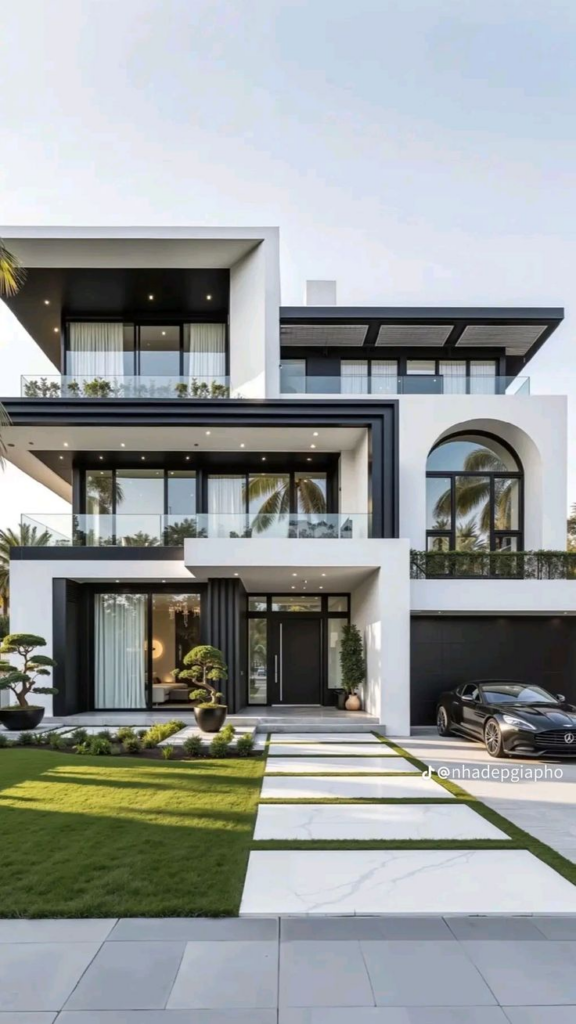
The Enduring Appeal of Condominiums: Ownership with Shared Benefits
Let’s start with the condominium, often simply called a condo. In essence, a condo represents individual ownership of a private unit within a larger building or complex, coupled with shared ownership of common areas and facilities. Think of it as owning the airspace within your unit’s walls, floor, and ceiling, while collectively sharing the lobby, hallways, gym, pool, and external landscaping with other unit owners. This model, which gained significant traction in the U.S. after its 1960 debut in Salt Lake City, has become a cornerstone of urban and even suburban residential development, particularly appealing to first-time homebuyers, those looking to downsize, or individuals seeking a low-maintenance lifestyle without sacrificing the perks of amenities.
The financial architecture of a condo is distinct. Beyond your mortgage and property taxes, every condo owner pays monthly Homeowners Association (HOA) fees. These fees are your contribution to the collective maintenance and operational costs of the shared elements. From paying landscapers and pool cleaners to covering essential utilities for common areas, property management services, and insurance for the overall building structure, HOA fees are the lifeblood of the condominium community. As an industry expert, I’ve observed these fees ranging from a few hundred dollars to well over a thousand monthly, largely dependent on the extent and luxury of the amenities provided. For example, luxury condos for sale in prime locations like Miami or New York City, boasting rooftop terraces, concierge services, and high-end fitness centers, will naturally command significantly higher HOA contributions.
A critical component of HOA finances, often overlooked by prospective buyers, is the reserve fund. This is a savings account for major, infrequent repairs or replacements, such as a new roof, elevator modernization, or significant exterior facade work. A well-funded reserve indicates a healthy, forward-thinking association. Conversely, a depleted reserve can lead to what’s known as a “special assessment.” This is an additional, often substantial, one-time fee levied upon all unit owners to cover an unexpected or underfunded major expense. In regions prone to natural disasters, such as coastal Florida or parts of California, we’ve seen special assessments surge in recent years to cover extensive climate-related repairs not fully covered by reserves or standard insurance. Due diligence on the HOA’s financial health, including reviewing meeting minutes and reserve studies, is paramount before any purchase.
Condo living also means adhering to a set of Covenants, Conditions, and Restrictions (CC&Rs) enforced by the HOA board, typically composed of elected unit owners. These rules can govern everything from pet size and number to rental policies, aesthetic modifications to your unit, and even the age of residents (common in 55+ retirement communities). While some find these regulations restrictive, others appreciate them for maintaining property values and ensuring a cohesive community environment. The level of privacy in a condo can be less than a traditional home, given shared walls, floors, and ceilings. However, modern construction techniques and thoughtful design can mitigate noise transfer, and opting for an “end unit” can further reduce shared walls.
The investment potential of a condo can be robust, especially in appreciating urban markets. For those seeking wealth building through real estate with a lower entry point than a single-family home, a condo often presents an attractive opportunity to build equity.
Decoding the Apartment Experience: Flexibility Without Ownership
The apartment, in stark contrast to the condo, embodies the essence of rental living. When you reside in an apartment, you are a tenant, not an owner. The entire building is typically owned by a single entity – an individual landlord, a corporation, or an investment properties firm – and your occupancy is governed by a lease agreement. This fundamental distinction underpins all other differences between a condo, an apartment, or a townhouse.
The primary allure of an apartment is its unparalleled flexibility. It’s an ideal choice for individuals whose career paths might necessitate frequent relocation, those exploring a new city without a long-term commitment, or anyone simply wishing to avoid the myriad responsibilities of property ownership. From a financial perspective, the upfront costs for an apartment are generally lower than buying a condo or townhouse, usually limited to a security deposit and first/last month’s rent. There are no mortgage down payments, no HOA fees to worry about, and certainly no special assessments.
Maintenance and repairs are almost entirely the landlord’s responsibility. Leaky faucets, malfunctioning appliances, roofing issues, or even a pest infestation? A quick call to the landlord or property management services is all it takes. This “hands-off” approach to home upkeep is a significant draw, freeing up time and financial resources that owners might dedicate to repairs or landscaping. For those prioritizing a truly low-maintenance lifestyle, the apartment unequivocally delivers.
However, this flexibility and freedom from maintenance come with trade-offs. The most significant is the absence of home equity. Every rent payment, while providing shelter, contributes to the landlord’s wealth building through real estate rather than your own. You won’t see your net worth increase as the property appreciates, nor will you have an asset to leverage or sell down the line. Furthermore, apartments offer limited personal freedom in terms of customization. Painting walls, renovating kitchens, or even hanging certain types of artwork often requires landlord permission, if permitted at all. You are bound by the terms of your lease, which can dictate everything from guest policies to pet restrictions.
The quality and amenities of apartments can vary wildly, from basic units to luxury apartments rivaling high-end condos, complete with gyms, co-working spaces, and dog parks. The housing market trends for rentals can be volatile, with rent prices fluctuating based on local demand, economic conditions, and inventory. While an apartment offers a clear financial commitment month-to-month, it doesn’t provide the long-term asset accumulation that ownership does.
The Townhouse Triumvirate: A Blend of Home and Community
The townhouse occupies a unique middle ground, often described as a hybrid between a single-family home and a condo. Structurally, a townhouse is typically a multi-story dwelling that shares one or more walls with neighboring units but boasts its own private entrance. Crucially, and this is a key differentiator from a condo, townhouse ownership often includes the land directly beneath and surrounding the unit. This often translates to a small private yard or patio, offering a coveted outdoor space not typically found in traditional apartment or condo living.
The ownership of land is a major draw for many considering a townhouse. It provides a greater sense of autonomy and control over the property. While you share walls, the feeling is often more akin to a detached home, particularly if you have a private front door and a small patch of green space. This appeals strongly to families, pet owners, or anyone desiring a bit more elbow room and outdoor access without the full financial and maintenance burden of a standalone house. Many townhouses are situated in vibrant urban or suburban neighborhoods, offering community amenities while retaining a more residential feel.
Maintenance responsibilities in a townhouse can be a bit more varied than in a condo. While you typically maintain your unit’s interior and often the immediate exterior (like your patio or small yard), there might still be an HOA that governs shared community elements like roads, communal green spaces, or clubhouses. The fees for a townhouse HOA are generally lower than a condo’s, as they cover fewer shared structural components. However, this also means you are responsible for maintaining your roof, exterior siding, and windows, which condo HOAs would typically cover. This balance offers more control but also more direct responsibility.
From an investment perspective, townhouses can be excellent long-term assets, often appreciating similarly to single-family homes, especially in desirable locations. They offer the wealth building through real estate benefits of ownership, including home equity accumulation, while often presenting a more affordable housing solutions entry point than a detached house in the same area. The suburban living appeal, coupled with a more compact footprint, makes townhouses a strong contender for those balancing space requirements with budget.
The Crucial Comparison: Unpacking the Differences for Your Future
Having defined each residential type, let’s now perform a crucial comparative analysis from an expert’s lens, focusing on the core considerations that will shape your decision.
Ownership vs. Rental: The Foundational Divide
This is the most straightforward distinction. An apartment is always a rental; you do not own the property. A condo and a townhouse are ownership models. With ownership comes the potential for home equity growth, tax deductions on mortgage interest and property taxes, and the ability to eventually sell the asset. Renting an apartment offers flexibility and fewer responsibilities but no direct financial return on your housing payments.
Financial Implications: Beyond the Monthly Payment
Upfront Costs: Renting an apartment typically requires the lowest upfront capital (security deposit, first/last month’s rent). Buying a condo or townhouse demands a significant down payment (often 3.5% to 20% of the purchase price), closing costs, and potentially reserves. Securing mortgage rates today and understanding loan terms from a home loan expert is critical for ownership.
Monthly Costs: For an apartment, it’s primarily rent and utilities. For a condo, it’s mortgage (if applicable), property taxes, utilities, and potentially substantial HOA fees. For a townhouse, it’s mortgage, property taxes, utilities, and usually a more modest HOA fee for common areas.
Equity & Investment: Condo and townhouse owners build equity over time as they pay down their mortgage and as the property appreciates. This is a crucial component of wealth building through real estate. Apartment dwellers do not build equity. For those looking at investment properties, condos and townhouses offer direct asset ownership.
Maintenance and Control: Who Does What?
Apartment: Minimal responsibility for the tenant. The landlord handles all major repairs, structural issues, and exterior maintenance. You have almost no control over renovations or significant aesthetic changes.
Condo: You are responsible for the interior of your unit. The HOA handles exterior maintenance, roofing, structural repairs, and all common areas (landscaping, amenities). Your control over exterior appearance is limited by CC&Rs.
Townhouse: You are typically responsible for both the interior and exterior of your unit, including the roof, walls, and any private yard. An HOA might manage shared community spaces, but the direct burden on the homeowner is higher than in a condo. This offers more control over your property’s aesthetics and functionality.
Lifestyle and Community: Finding Your Fit
Apartment: Often denser living, with varying levels of community engagement. You interact with neighbors but aren’t tied into a shared ownership community. Great for those who value privacy from collective decision-making.
Condo: High-density living with a strong sense of community via the HOA. Shared amenities like pools, gyms, and communal spaces foster interaction. Ideal for those who enjoy a social environment and a structured living arrangement. Often found in prime real estate locations within bustling city centers.
Townhouse: Offers more space and privacy than a typical apartment or condo, often with a small private yard. Community feel exists, but it’s often less intense than a condo HOA, focusing more on shared grounds than building structure. A good choice for those who want a bit of personal outdoor space without the full commitment of a detached home.
Investment Potential and 2025 Market Trends
As of 2025, the real estate market continues its dynamic evolution. Condos in walkable urban cores remain attractive, particularly for their affordability compared to single-family homes and their access to amenities. Townhouses are seeing increased demand in suburban growth corridors, appealing to young families and professionals seeking more space and a yard without stretching for a detached home. The rental market for apartments remains strong in many areas due to ongoing demand and various economic factors influencing affordability and homeownership rates. Each category has its distinct real estate investment strategies and property valuation trajectories.
Making Your Confident Move: Expert Advice for the Road Ahead
The choice between a condo, an apartment, or a townhouse is profoundly personal, influenced by a complex interplay of financial readiness, lifestyle preferences, and long-term aspirations. There’s no single “best” option; only the right one for you.
Before making any commitment, I cannot stress enough the importance of meticulous due diligence. If considering ownership, thoroughly review all HOA documents—the CC&Rs, bylaws, financial statements, and reserve studies. Understand the rules, the financial health of the association, and the potential for special assessments. Evaluate the immediate surroundings of any unit, paying attention to noise levels, traffic, and overall neighborhood feel. A showing during peak hours can reveal much about soundproofing and community vibrancy.
Consider your long-term plans. Are you looking to stay for a few years or a few decades? Do you want to build home equity and grow your personal wealth through real estate, or do you prioritize flexibility and a “lock-and-leave” lifestyle? Are you comfortable with shared walls and community rules, or do you crave maximum privacy and autonomy?
The American housing market in 2025 offers incredible diversity. Whether you’re drawn to the community amenities of a condo, the flexible nature of an apartment, or the spacious charm of a townhouse, understanding the core differences is your first step toward an informed and confident decision. Don’t simply buy into a property; buy into a lifestyle and a financial future that perfectly suits you.
Ready to explore your options with personalized guidance tailored to your specific goals and local market conditions? I invite you to reach out to a trusted real estate advisor today to discuss which residential path aligns best with your unique vision for the future.