
Navigating the American Housing Landscape: An Expert’s Deep Dive into Condo vs. Apartment vs. Townhouse
In my decade of navigating the intricate world of real estate, one of the most consistent questions I encounter from clients, whether first-time buyers or seasoned investors, revolves around the fundamental choice of housing types. The terms “condo,” “apartment,” and “townhouse” are often used interchangeably, yet they represent distinctly different ownership structures, financial commitments, and lifestyle implications. As we head into 2025, understanding these nuances is more critical than ever, especially with evolving market dynamics, shifting interest rates, and the lasting impact of remote work on residential living.
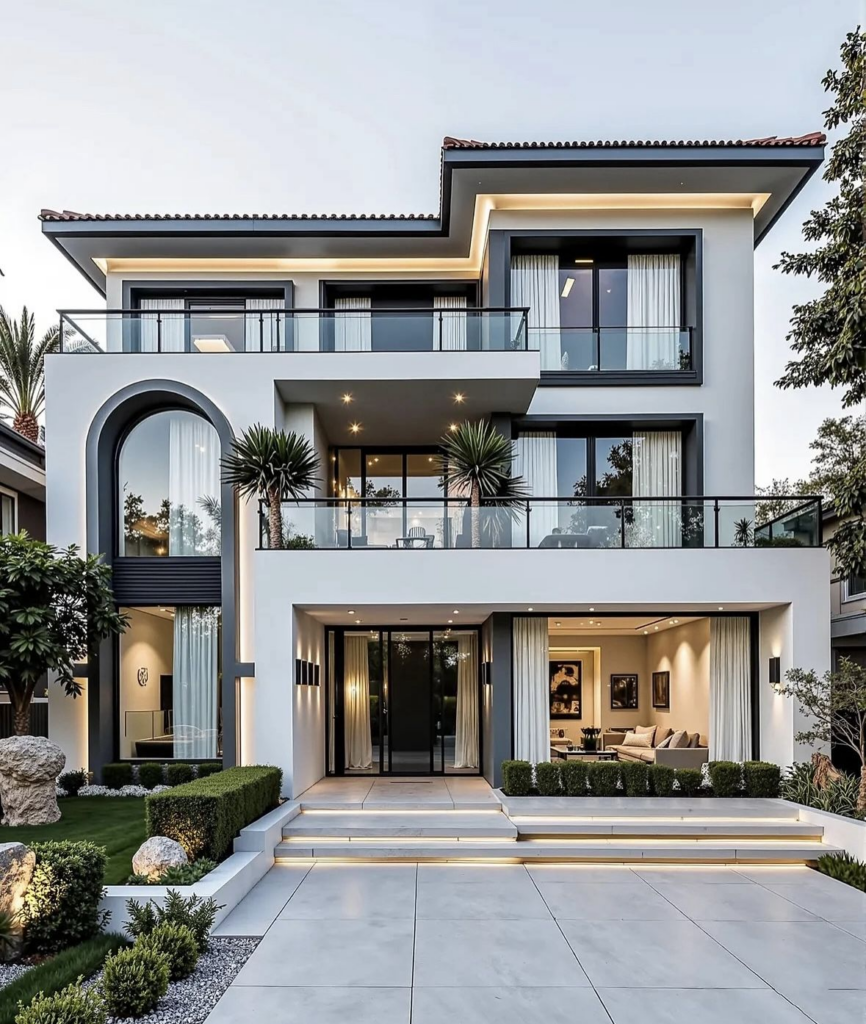
This isn’t just about choosing a place to live; it’s about making a strategic decision that aligns with your financial goals, personal preferences, and long-term aspirations. From the low-maintenance allure of a condominium to the flexible freedom of an apartment rental or the house-like appeal of a townhouse, each option presents a unique proposition. Let’s peel back the layers and uncover the essential differences, empowering you to make an informed choice in today’s dynamic Condo vs. Apartment vs. Townhouse debate.
The Condominium Conundrum: Deconstructing Condo Ownership
A condo, short for condominium, represents a private residential unit within a larger building or complex. While it often shares architectural similarities with an apartment building, the fundamental distinction lies in ownership. When you purchase a condo, you own the interior of your specific unit, including the walls, floors, and ceiling, but not the land beneath it. This form of ownership truly took off in the U.S. after its inception in Salt Lake City in the 1960s, evolving into a popular option for diverse demographics, from young professionals in bustling urban centers to retirees seeking to downsize without compromising amenities.
What sets condo ownership apart, and what I consistently advise my clients to scrutinize, are the shared common areas and the governing body. Condo residents pool resources to collectively own and maintain amenities such as lobbies, hallways, fitness centers, swimming pools, recreational rooms, and often, even parking structures or roof decks. This shared responsibility is managed by a condominium association (often referred to as an HOA or Homeowners Association), typically composed of elected condo owners. This board dictates everything from landscaping services and general maintenance to significant capital improvements.
Condominium Rules and Regulations: A Deep Dive into the CC&Rs
The condo association doesn’t just manage shared spaces; it also enforces a set of rules and regulations known as Covenants, Conditions, and Restrictions (CC&Rs). In my experience, thoroughly reviewing these documents is paramount. They can cover a vast spectrum, impacting everything from pet policies (size, breed, number restrictions) and rental rules (is short-term rental allowed? Are there owner-occupancy requirements?) to aesthetic guidelines (paint colors, balcony decorations) and age restrictions in specific communities (e.g., 55+ retirement condos). Understanding these CC&Rs is crucial; agreeing to purchase a condo means legally binding yourself to these stipulations.
Navigating Condo Fees and Special Assessments
A significant financial aspect of condo ownership, beyond your mortgage and property taxes, is the monthly condo fee. These fees are your proportional share of the costs required to operate the entire building and maintain its common elements. They cover things like:
Routine Maintenance: Landscaping, cleaning, pest control, security, general repairs.
Utilities for Common Areas: Electricity for hallways, water for pools, heating/cooling for shared spaces.
Building Insurance: A master policy covering the building’s structure and common areas. This has seen notable increases in recent years, particularly in areas prone to natural disasters like coastal Florida or California, influencing overall fee structures.
Reserve Funds: A critical component, these funds are set aside for future major repairs and replacements – think a new roof, elevator modernization, or exterior façade renovation. A well-funded reserve indicates a financially healthy association.
Average condo fees can range from a few hundred dollars to well over a thousand monthly, escalating significantly with high-end amenities (concierge services, elaborate gyms, spas) or in older buildings requiring more maintenance.
Beyond regular fees, prospective condo buyers must be aware of “special assessments.” These are additional, one-time or temporary charges levied when the association’s reserve funds are insufficient to cover an unexpected major expense (e.g., a sudden structural repair, major leak, or code compliance upgrade). From an investment perspective, a property with a history of frequent special assessments or an underfunded reserve can be a significant red flag, potentially impacting resale value and immediate out-of-pocket costs. Always ask for the association’s financial statements and reserve study.
Pros of Condo Ownership:
Low Exterior Maintenance: Enjoy amenities without the personal upkeep of a yard, roof, or exterior painting.
Access to Amenities: Pools, gyms, community rooms are at your fingertips without the cost or responsibility of private ownership.
Affordability: Often more budget-friendly than single-family homes, making them attractive to first-time homebuyers or those looking for affordable property investment opportunities.
Security: Many complexes offer controlled access or on-site security, providing peace of mind, particularly in urban settings.
Community: Opportunities for social interaction with neighbors in shared spaces.
Cons of Condo Ownership:
Condo Fees: A recurring monthly expense in addition to your mortgage and property taxes.
Lack of Control: Subject to association rules (CC&Rs) and decisions made by the board, which can limit personal freedoms (e.g., pet restrictions, exterior alterations).
Special Assessments: Potential for unexpected, significant out-of-pocket expenses.
Privacy Concerns: Shared walls, floors, and ceilings can mean less privacy and potential noise issues.
Financing Challenges: Lenders can be more scrutinizing of a condo complex’s financial health, potentially complicating mortgage approval, especially for conventional or FHA loans.
The Apartment Advantage: Navigating Rental Flexibility
When considering the Condo vs. Apartment vs. Townhouse spectrum, apartments represent the quintessential rental model. Unlike a condo, an apartment unit is not owned by the occupant. Instead, it’s owned by a landlord or property management company, and residents pay rent for the right to occupy the space for a specified period, typically under a lease agreement.
The primary appeal of apartment living, and what I often highlight for clients in transitional phases, is its inherent flexibility. If you’re unsure about long-term residency in a particular area, or if your career demands mobility, renting an apartment allows you to avoid the complexities and transaction costs associated with buying and selling property.
Key Distinctions in Maintenance and Financials:
Maintenance & Repairs: This is a major differentiator. As a renter, your landlord is generally responsible for all maintenance and repairs, both inside your unit and throughout the building. A leaky faucet, a malfunctioning appliance, or a communal area issue? The landlord handles it. This translates to a significantly lower personal burden compared to homeownership.
Upfront Costs vs. Long-Term Equity: Renting typically requires lower upfront costs – usually first and last month’s rent plus a security deposit – rather than the substantial down payment required for a property purchase. However, the trade-off is clear: you build no home equity. Every rent payment goes towards someone else’s investment, not your own. From an investment property analysis perspective, this is a crucial point for long-term wealth building.
Freedom (or Lack Thereof): While apartment living offers freedom from maintenance, it comes with limitations on personal customization. Permanent alterations to the unit (painting, renovations) are typically prohibited without landlord permission.
Pros of Apartment Living:
Flexibility: Easier to move at the end of a lease term, ideal for those with uncertain futures or seeking temporary housing solutions.
No Maintenance Responsibilities: Landlord handles all repairs and upkeep, saving time, effort, and unexpected costs.
Lower Upfront Costs: Significantly less capital required at the outset compared to buying a home.
Predictable Monthly Expenses: Rent is a fixed cost, simplifying budgeting (though it can increase upon lease renewal).
Access to Amenities: Many modern apartment complexes offer similar amenities to condos (gyms, pools, community spaces) without the ownership obligations.
Cons of Apartment Living:
No Home Equity: Rent payments do not contribute to your personal wealth or asset accumulation.
Lack of Customization: Limited ability to personalize your living space.
Rent Increases: Landlords can raise rent upon lease renewal, potentially impacting long-term affordability.
Less Stability: Subject to landlord decisions, including potential non-renewal of leases or building sales.
Rules & Regulations: While different from CC&Rs, apartment buildings still have rules dictating noise, guest policies, and other aspects of living.
The Townhouse Touch: Blending Home and Community
A townhouse offers a compelling middle ground in the Condo vs. Apartment vs. Townhouse discussion, particularly for those seeking a more house-like experience without the full commitment (or price tag) of a detached single-family home. A townhouse is typically a multi-story home that shares one or more walls with neighboring units, but critically, it almost always has its own private entrance and often includes a small private yard or outdoor space.
The defining characteristic of townhouse ownership, and a key difference from a condo, is that you generally own both the structure of your unit and the land it sits on. This gives owners a greater degree of control and responsibility compared to condo owners. While many townhouse communities still have HOAs, their scope often differs. They might manage common areas like streets, street lighting, and shared green spaces, but individual townhouse owners are typically responsible for the exterior maintenance of their own unit, including the roof, walls, and yard.
The Hybrid Appeal and Maintenance Spectrum:
Townhouses are a popular choice for families, pet owners, or anyone desiring a personal outdoor space – a small garden, a patio for grilling – without the extensive landscaping duties of a larger property. They bridge the gap by offering more privacy and individual space than many condos or apartments, often at a more accessible price point than detached homes in comparable locations.
While the HOA fees for townhouses can be lower than condos (due to less extensive common amenities or individual exterior maintenance responsibilities), owners must budget for their own exterior upkeep, which can include roof repairs, painting, siding, and yard work. This blend requires a homeowner to be more hands-on than a condo owner but still benefits from some community-managed elements.
Pros of Townhouse Ownership:
Ownership of Land: Typically includes the land beneath the unit, offering greater control and potential for land appreciation.
More Space & Privacy: Generally larger than condos or apartments, with multiple levels and often a private outdoor area.
Private Entrance: No shared hallways, enhancing a sense of privacy and independence.
Affordability: Often more affordable than single-family homes in desirable areas, making them an excellent residential real estate investment.
Community Feel: Benefits of an HOA-managed community without the extensive shared living of a condo.
Customization: More freedom to personalize the interior and often the exterior (within HOA guidelines) than a condo or apartment.
Cons of Townhouse Ownership:
Exterior Maintenance Responsibility: Owners are generally responsible for their unit’s exterior, including the roof, siding, and yard, which requires time, effort, and money.
HOA Fees: Still involves monthly fees, although potentially lower than full-service condos.
Shared Walls: Less soundproofing and privacy than a detached home.
Less Flexible than Renting: Requires the full commitment of property ownership.
Resale Considerations: Market demand can be specific to location and community.
The Crucial Comparison: What’s Right for You?
Understanding the individual characteristics of a condo vs. apartment vs. townhouse is only half the battle. The real challenge lies in discerning which option best aligns with your personal circumstances and future aspirations. Here’s how to frame the decision from an expert perspective:
Ownership & Equity: Building Your Financial Future
Condo & Townhouse: Both offer the immense advantage of building home equity over time. As you pay down your mortgage, you own more of the property, creating a tangible asset. This is a cornerstone of wealth building through real estate. Property values can appreciate, further increasing your net worth.
Apartment: You gain no equity. Your monthly payments serve the landlord’s investment, not your own. While renting avoids the upfront costs and risks of ownership, it foregoes the long-term financial benefits.
Maintenance Responsibilities: Time vs. Hassle
Apartment: Minimal responsibility. Most issues fall to the landlord, offering a “lock and leave” lifestyle.
Condo: Low exterior maintenance. The HOA handles common areas, making it ideal for those who travel frequently or dislike yard work. You are responsible for interior repairs.
Townhouse: Moderate responsibility. You maintain your unit’s exterior and small yard, but the HOA manages larger common elements. This is a middle ground for those who want some outdoor space but not a full single-family home commitment.
Financial Outlays: Upfront, Ongoing, and Unexpected
Apartment: Low upfront (security deposit, first/last month’s rent). Predictable monthly rent. No property taxes, HOA fees, or major repair bills.
Condo & Townhouse: Significant upfront (down payment, closing costs). Ongoing costs include mortgage, property taxes, homeowner’s insurance, and HOA fees. Special assessments can be an unexpected cost for condos, while major exterior repairs can hit townhouse owners. For those considering luxury condo sales or higher-end townhouses, these figures can escalate rapidly.
Lifestyle & Privacy: Your Daily Living Experience
Apartment & Condo: Often involve closer living quarters, shared walls, and common amenities. Ideal for urban dwellers, singles, or couples who value convenience and community over vast private space. Noise can be a factor, which I always advise clients to investigate.
Townhouse: Offers more space and often a private entrance and outdoor area, providing a greater sense of privacy than many condos or apartments. It’s often favored by small families or pet owners.
Freedom to Customize: Condo and townhouse owners generally have more freedom to personalize interiors (within HOA guidelines for condos). Renters have the least flexibility.
Expert Insights for Your Next Move: Buying a Condo or Townhouse
For those leaning towards ownership, whether a condo or a townhouse, my 10 years in the field have taught me that due diligence extends far beyond the unit itself. It’s an investment not just in a property, but in a community and a financial ecosystem.
Investigate the Surroundings (Beyond the Unit):
Noise Levels: As a seasoned agent, I always suggest clients visit prospective units at different times of day – rush hour, evenings, weekends. In multi-unit buildings, soundproofing varies wildly. Ask neighbors about traffic noise, communal area noise, and sound transfer through walls and floors. End units or top-floor units typically offer more tranquility but often come with a premium.
Neighborhood Amenities: Beyond the complex, what does the immediate neighborhood offer? Walkability, access to public transit, proximity to parks, schools, and essential services can significantly impact your quality of life and future resale value, whether it’s an urban condo development or a suburban townhouse community.
Scrutinize the Condo/Townhouse Association:
Financial Health: This is paramount. Request and review the association’s financial statements for the past few years, the current budget, and especially the reserve study. Are the reserves adequately funded for future major repairs? Is there any pending litigation against the association (a significant red flag for lenders)? A financially robust association is critical for long-term stability and avoiding crippling special assessments.
CC&Rs (Covenants, Conditions, and Restrictions): Read every word. These documents outline your rights and obligations, from pet rules to parking, rental policies, and even exterior modifications. During your state’s rescission period (a legal window to review these documents), if you find anything you cannot live with, you can typically back out of the purchase without losing your earnest money.
Board Dynamics: While harder to gauge, a well-run, proactive board is invaluable. Inquire about meeting minutes or speak to current residents if possible.
Secure Condo/Townhouse Financing:
Lender Scrutiny: It can be trickier to secure a mortgage for a condo compared to a traditional single-family home. Lenders will not only assess your financial health but also conduct a thorough review of the entire condo complex and its association. They look at owner-occupancy rates (preferring higher percentages), financial reserves, and the potential for litigation. For FHA or VA loans, the entire complex must be FHA or VA approved, which narrows options. This extensive due diligence by lenders, however, provides an additional layer of protection for your investment. For townhouses, financing is generally more straightforward, resembling single-family home mortgages, although the HOA structure is still considered.
Mortgage Rates Comparison: Work with an experienced mortgage broker who can compare various lenders and programs. Current interest rate environments for 2025 dictate careful consideration of fixed-rate vs. adjustable-rate mortgages.
Embrace Professional Guidance:
Real Estate Agent: Partner with a real estate agent specializing in condo sales or townhouse markets. Their expertise in local CC&Rs, association health, and financing options for these property types is invaluable.
Legal Counsel: Consider having an attorney review the CC&Rs and other association documents, especially if the terms seem complex or unusual. This is a small investment that can prevent significant future headaches.
As we move forward into 2025, the housing market continues to evolve. Factors like the demand for smart home technology integration, increasing focus on energy efficiency, and shifts in urban planning will further shape the desirability and value of these property types. Whether you’re drawn to the vibrant community of a condo, the flexible living of an apartment, or the semi-detached charm of a townhouse, the key is an informed decision.
Your Next Step Towards a Smarter Home
Choosing between a condo vs. apartment vs. townhouse is a significant decision that impacts your finances, lifestyle, and future. Having walked countless clients through this journey, I can affirm that the right choice is deeply personal and dependent on your unique circumstances. Don’t rush into a decision without fully understanding the implications.
Are you ready to explore which of these residential property types truly aligns with your goals? The market offers a diverse array of housing solutions, each with its own set of advantages and considerations. I invite you to take the next step. Consult with a knowledgeable real estate professional in your area. They can provide personalized insights, help you navigate the complexities of local markets, and connect you with the resources needed to turn your housing aspirations into reality. Your ideal home is out there – let’s find it together.