
Navigating America’s Residential Landscape: An Expert’s 2025 Guide to Condo vs. Apartment vs. Townhouse
As a real estate professional with over a decade in the trenches, I’ve witnessed firsthand the evolving landscape of American homeownership and residential living. The choice between a condo vs. apartment vs. townhouse isn’t merely about square footage or price; it’s a profound lifestyle and financial decision, shaping your daily existence and long-term wealth accumulation. In 2025, with fluctuating interest rates, shifting urban-to-suburban migration patterns, and an increasing focus on community and convenience, understanding the nuanced differences between these housing types is more critical than ever.

Many first-time homebuyers and seasoned investors alike often conflate these three distinct residential options. While they may share structural similarities—often multi-unit buildings or attached dwellings—their legal, financial, and lifestyle implications diverge significantly. From property ownership and maintenance responsibilities to community governance and investment potential, each option presents a unique set of pros and cons. My goal here is to cut through the jargon, offer a clear comparison, and arm you with the insights needed to confidently navigate this complex decision for your specific needs, whether you’re seeking a low-maintenance sanctuary, a flexible rental, or a home with a bit more privacy and land.
The Condominium (Condo): Shared Ownership, Community Living
Let’s kick things off with the condominium, often simply called a condo. At its core, a condo is a private residence within a larger building or complex, where you own the individual unit itself, but share ownership of common areas like hallways, roofs, recreational facilities, and the land beneath. This blend of private and communal ownership defines the condominium experience. The first condo in the U.S. appeared in Salt Lake City in the early 1960s, and this model has since proliferated, becoming a popular choice for urban dwellers, empty nesters, and first-time homebuyers drawn to its blend of homeownership perks and managed maintenance.
Ownership Structure and Governance:
When you buy a condo, you receive a deed for your specific unit. This isn’t just a right to occupy; it’s a tangible asset you can sell, mortgage, and pass down. However, the unique aspect of condo ownership lies in the shared elements. These “common elements” are managed by a Homeowners Association (HOA), typically comprised of elected condo owners. The HOA is responsible for the upkeep, maintenance, and repair of all shared spaces and exterior elements of the building. This can range from landscaping and snow removal to roof repairs, structural integrity checks, and ensuring amenities like swimming pools, fitness centers, and community rooms are well-maintained.
HOA Fees and Special Assessments:
This management comes with a cost: monthly HOA fees. These fees, which can range widely from $100 to over $1,000+ per month depending on location and amenities, cover routine maintenance, utilities for common areas, property insurance for the building’s exterior and common elements, and contributions to a reserve fund for future major repairs. For instance, luxury condos in high-rise buildings in metropolitan hubs like Miami or New York City might have significantly higher fees to support concierge services, valet parking, and state-of-the-art gyms.
A crucial financial consideration for prospective condo owners is the potential for “special assessments.” These are additional, one-time fees levied by the HOA when the reserve fund is insufficient to cover an unexpected major repair or improvement—think a new roof after a severe storm or a costly elevator replacement. In regions prone to climate events, such as coastal Florida or earthquake-prone California, these assessments have become more frequent and substantial, directly impacting the financial planning real estate investors undertake. Diligent review of HOA financial health and reserve studies is non-negotiable when considering a condo purchase. This due diligence is part of effective asset management for your potential investment.
Rules and Regulations (CC&Rs):
Beyond fees, HOAs enforce a set of rules and regulations known as Covenants, Conditions, and Restrictions (CC&Rs). These legally binding documents dictate everything from pet policies (size, breed, number) and noise restrictions to rental policies (can you rent your unit out?), exterior modifications, and even the color you can paint your front door. Retirement communities, for example, can legally enforce age restrictions (e.g., 55+). Understanding and agreeing to these CC&Rs is paramount before purchasing a condo, as they govern many aspects of your daily life. They impact your long-term property ownership experience.
Pros of Condo Ownership:
Low Exterior Maintenance: The HOA handles the bulk of exterior upkeep, freeing up your time.
Access to Amenities: Many condos offer gyms, pools, clubhouses, and security services not typically found in single-family homes.
Affordability: Condos are often more affordable than detached single-family homes, especially in desirable urban areas, making them attractive for first-time homebuyers or those seeking a residential investment strategy without the high entry cost.
Community: A built-in community often fosters social interaction.
Investment Potential: Like any owned real estate, condos can appreciate in value, offering home equity growth and potential for wealth accumulation.
Cons of Condo Ownership:
HOA Fees: An ongoing monthly expense that can increase.
Special Assessments: Unpredictable, potentially large lump-sum payments.
Lack of Control: Subject to HOA rules; limited autonomy over exterior changes or certain lifestyle choices.
Less Privacy: Shared walls and common areas mean less seclusion than a single-family home.
Financing Challenges: Lenders often scrutinize the HOA’s financial health and owner-occupancy rates, which can sometimes make securing a mortgage trickier for specific condo projects.
The Apartment: Flexibility, No Ownership Burden
In stark contrast to a condo, an apartment is a residential unit that you rent from a property owner or management company. The fundamental difference lies in ownership: an apartment is a temporary dwelling, not an asset you acquire. This distinction carries significant implications for finances, responsibilities, and flexibility. The rental market trends for apartments have seen considerable shifts, particularly in 2025, with increased demand in some urban centers due to the return-to-office mandates and a consistent need for flexible living arrangements.
Rental Agreement and Responsibilities:
When you live in an apartment, you enter into a lease agreement with a landlord. This legally binding contract outlines the terms of your tenancy, including rent amount, lease duration, rules regarding pets, and responsibilities for minor maintenance. As a renter, your primary financial obligation is the monthly rent, along with utilities. Upfront costs typically include a security deposit and the first and last month’s rent.
A key advantage of renting an apartment is that the landlord is generally responsible for all major maintenance and repairs, both inside your unit and throughout the building. Leaky faucets, broken appliances, issues with heating or cooling—these are typically the landlord’s concern, removing a significant burden from your shoulders. This can be a huge draw for individuals who prioritize a completely low-maintenance lifestyle and aren’t interested in the intricacies of property maintenance.
Pros of Apartment Living:
Flexibility: Leases are typically for a defined period (e.g., 6-12 months), offering mobility for those unsure of their long-term plans or who move frequently for work.
No Maintenance: Zero responsibility for major repairs, landscaping, or exterior upkeep.
Lower Upfront Costs: Compared to a down payment on a condo or townhouse, rental deposits are generally much lower.
Predictable Monthly Costs: Aside from utilities, your rent is a fixed expense, simplifying budget planning.
Access to Amenities: Many modern apartment complexes offer similar amenities to condos (pools, gyms, community spaces), included in the rent.
Cons of Apartment Living:
No Equity: Rent payments do not build home equity or contribute to personal wealth management real estate assets.
Lack of Control: Limited ability to personalize your space (e.g., painting walls, making renovations) without landlord permission.
Rent Increases: Landlords can raise rent at the end of a lease term, potentially impacting your long-term housing costs.
No Investment Return: While you receive a service (housing), there’s no financial return or appreciation on your payments. This makes it less appealing for those with an explicit residential investment strategy.
Landlord Dependency: Your living experience is tied to the responsiveness and quality of your landlord or property management.
The Townhouse: A Slice of Home, Shared Walls
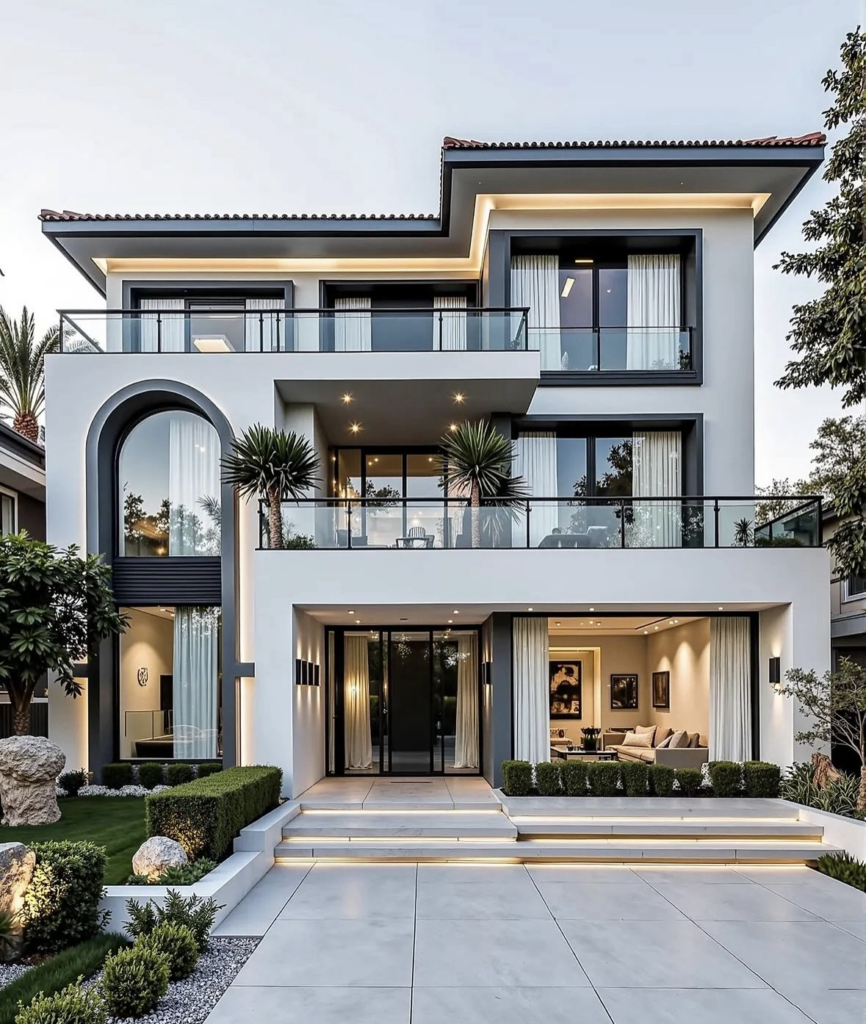
The townhouse strikes a unique balance, often described as a hybrid between a single-family home and a condo or apartment. A townhouse is typically a multi-story home that shares one or more walls with neighboring units, but critically, it almost always includes ownership of the land directly beneath and around your unit. This often means you have your own private entrance and, perhaps most appealingly, a small yard or outdoor space. Townhouse living offers a taste of traditional homeownership without the full scale and maintenance burden of a detached house.
Ownership and Maintenance:
When you purchase a townhouse, you own both the structure of your unit and the parcel of land it sits on. This is a significant distinction from a condo, where you only own the interior space. This land ownership grants you more autonomy over your property’s exterior and outdoor areas. You can often landscape your yard, paint your front door (within community guidelines), and have a more personal connection to your outdoor space.
However, many townhouses are part of a planned unit development (PUD) or a smaller homeowners association, similar to condos. This means there might still be HOA fees, though often lower than in a condo, covering shared amenities (like a communal park or road maintenance) or ensuring aesthetic consistency across the development. You are typically responsible for the maintenance of your unit’s exterior, roof, and yard, unlike a condo where the HOA handles these. This means you have more control but also more responsibility.
Pros of Townhouse Ownership:
Land Ownership: You own the land your home sits on, providing more control and often a small private yard.
More Space & Privacy: Generally larger than condos and apartments, with multiple levels and often fewer shared walls, offering greater privacy.
Feel of a Single-Family Home: Offers a similar living experience to a detached house but often at a more accessible price point, particularly in desirable suburban communities around thriving cities like Denver or Austin.
Investment Potential: Strong home equity growth and potential for appreciation, similar to single-family homes. A sound property acquisition can yield significant returns over time.
Autonomy: More freedom for exterior modifications and landscaping compared to a condo.
Cons of Townhouse Ownership:
More Maintenance: You’re responsible for your unit’s exterior, roof, and yard—more upkeep than a condo or apartment.
Shared Walls: Still share walls with neighbors, meaning some noise transfer.
HOA Fees (Sometimes): While generally lower than condos, some townhouse communities have HOAs that incur fees and rules.
Less Access to Amenities: Townhouse communities might have fewer shared amenities than large condo complexes or luxury apartment buildings.
Higher Upfront Costs: Typically requires a larger down payment than an apartment rental, similar to buying a condo or house.
The Great Debate: Condo vs. Apartment
The decision between buying a condo and renting an apartment is arguably the most common conundrum for individuals entering the housing market or those prioritizing financial flexibility.
Financial Implications:
Condo: Buying a condo is an investment property. You make a down payment (typically 3.5% to 20% of the purchase price), secure a mortgage, and begin building home equity. Each mortgage payment reduces your principal, and over time, as the property appreciates, your net worth increases. This is a key component of financial planning real estate strategies, allowing for wealth accumulation. Mortgage interest and property taxes are often tax-deductible, further enhancing the financial appeal.
Apartment: Renting an apartment offers no home equity or investment return. Your monthly payments provide shelter but don’t contribute to your assets. While it lacks the long-term financial benefits of ownership, it also frees up capital that might otherwise be tied up in a down payment, allowing for other investments or greater liquidity.
Flexibility vs. Stability:
Condo: Buying means a longer-term commitment. Selling a condo can take time and involves transaction costs (real estate commissions, closing costs). This option suits those planning to stay in an area for at least 3-5 years to fully realize the benefits of appreciation and offset buying/selling costs.
Apartment: Unparalleled flexibility. You can typically move at the end of your lease term with minimal fuss. This is ideal for those with uncertain career paths, students, or anyone prioritizing mobility.
Maintenance and Responsibility:
Condo: You’re responsible for everything inside your unit, while the HOA handles the exterior and common areas. This hybrid model offers some relief from the maintenance burden of a detached home.
Apartment: All major maintenance is the landlord’s responsibility. This is a hassle-free option, ensuring you won’t be called upon to fix a leaking roof or a broken water heater.
Lifestyle and Control:
Condo: More freedom to customize your interior space. You can paint, renovate, and personalize your home, within structural limits. You also become part of an HOA community, which can be a pro or con depending on your personality.
Apartment: Limited ability to customize. Any significant changes typically require landlord approval. Your living experience is largely dictated by the landlord’s policies.
The Architectural Choice: Condo vs. Townhouse
When the decision boils down to a condo versus a townhouse, you’re often weighing community amenities against privacy and a touch more land. Both offer ownership and investment potential, but their fundamental structures cater to different priorities. The current real estate market trends indicate strong demand for both, reflecting diverse lifestyle preferences.
Land Ownership and Responsibility:
Condo: You own the airspace within your unit; the land and exterior structure are common property managed by the HOA. This means minimal personal responsibility for exterior maintenance, but also less control.
Townhouse: You own the structure and the land it sits on, giving you greater autonomy over your property’s exterior and any private outdoor space. This also means you’re typically responsible for your own roof, exterior walls, and yard maintenance, which impacts your time and financial commitments to property maintenance.
Privacy and Space:
Condo: Often single-story units within a larger multi-story building, sharing walls, floors, and ceilings. This can lead to less privacy and more potential for noise transfer.
Townhouse: Usually multi-story units, sharing one or two walls with neighbors, but often no shared ceilings/floors with other units. This configuration generally offers more square footage, a greater sense of privacy, and often a small private yard or patio, making them ideal for pet owners or small families.
Amenities and Community:
Condo: Frequently part of larger complexes with extensive amenities—pools, gyms, concierge services, security. The community aspect is often more pronounced due to shared common areas. This can be a draw for those seeking luxury condos with all the bells and whistles.
Townhouse: While some townhouse communities offer shared amenities like parks or clubhouses, they are typically less extensive than those found in large condo complexes. The emphasis is more on individual home enjoyment rather than communal facilities.
Financials:
Both offer home equity growth and can be excellent investment properties. Townhouses, due to land ownership and typically larger size, might see slightly higher appreciation in certain markets, but this is highly dependent on location and market conditions. HOA fees for townhouses are generally lower than for condos as they cover fewer shared elements and services.
Making the Right Choice: An Expert’s Framework for 2025
Choosing between a condo vs. apartment vs. townhouse is a deeply personal journey, influenced by your current life stage, financial health, and future aspirations. As we move further into 2025, several factors deserve extra scrutiny.
Assess Your Lifestyle and Needs:
Urban vs. Suburban: Do you crave the vibrancy of city life and walkability? A condo or apartment in a metropolitan hub like Seattle or Boston might be ideal. Do you prefer quieter streets, more space, and perhaps a yard? A townhouse in a burgeoning suburb outside a major city could be a better fit.
Maintenance Tolerance: Are you handy and enjoy yard work? A townhouse offers that opportunity. Do you despise home repairs and want to outsource everything? An apartment or condo (with its HOA) might be your preference.
Amenities: How important are shared pools, fitness centers, or community spaces to you? Condos and apartments often excel here.
Privacy: If absolute quiet and seclusion are paramount, a townhouse offers more than a condo, but less than a detached single-family home.
Pets: Review pet policies meticulously. HOAs and landlords can have strict rules on breed, size, and number.
Evaluate Your Financial Picture and Goals:
Upfront Capital: Do you have funds for a down payment and closing costs? If not, renting an apartment might be your starting point. If you do, consider the impact of mortgage rates on your monthly payments for a condo or townhouse.
Long-Term Investment: Are you looking to build home equity and grow your assets? Condos and townhouses are investment vehicles. If short-term flexibility is key, an apartment may be more suitable.
Monthly Budget: Factor in all costs: rent/mortgage, utilities, HOA fees, property taxes, insurance, and potential maintenance or special assessments. For condos and townhouses, remember to budget for annual property tax. Seek advice from a home loan expert to understand your true affordability.
Risk Tolerance: Are you comfortable with the potential for special assessments in a condo or the responsibilities of exterior maintenance for a townhouse?
Perform Diligent Research and Due Diligence:
For Condos and Townhouses: This step cannot be overstated. Scrutinize HOA documents: CC&Rs, bylaws, recent meeting minutes, and financial statements. Look for red flags like low reserve funds, frequent special assessments, pending litigation against the HOA, or a high percentage of investor-owned units (which can impact financing options). Engage a qualified real estate attorney to review these documents. Understand the community’s property management solutions and their track record.
For All Options: Visit properties at different times of day to assess noise levels, traffic, and overall neighborhood feel. Talk to current residents if possible. For apartments, read reviews of the management company.
In 2025, the housing market remains dynamic. Rising mortgage rates and evolving inventory levels mean that what’s affordable and available can shift rapidly. Working with an experienced local real estate agent who understands the nuances of each housing type in your desired area is invaluable. They can provide insights into real estate market trends, help you compare specific properties, and guide you through the complexities of property acquisition.
Ultimately, whether you lean towards the managed community of a condo vs. apartment vs. townhouse and the land ownership perks of a townhouse, or the pure flexibility of an apartment, your decision should align with your personal circumstances and aspirations.
Ready to explore which residential option best fits your vision for 2025 and beyond? Don’t navigate this complex real estate landscape alone. Reach out to a seasoned real estate professional today to discuss your specific needs, assess your financial readiness, and receive personalized guidance on securing your ideal home. Your perfect property is out there, and with expert insight, you can find it.